Classic auto insurance provides specialized financial protection tailored for vintage, antique, and collector vehicles, differing significantly from standard everyday car insurance policies by utilizing agreed-value coverage rather than actual cash value. Securing the right policy requires understanding specific mileage restrictions, storage guidelines, and qualification criteria established by specialty insurers.
Protecting a vintage automobile requires an insurance strategy that acknowledges the unique financial and emotional investment associated with historic vehicles. Unlike standard daily drivers that depreciate rapidly the moment they roll off the dealership lot, well-maintained classic, antique, and collector cars often hold or appreciate in monetary value over time. Standard auto insurance policies are fundamentally unequipped to handle these unique characteristics, typically relying on formulas that factor in heavy depreciation and standard market depreciation curves.
Collector car insurance steps in to bridge this gap, offering coverage structures that reflect the true worth of automotive history. However, acquiring and maintaining this specialized protection requires navigating a distinct set of rules, eligibility requirements, and policy conditions that differ vastly from mainstream car insurance. Understanding how these policies function, what they cost, and what underwriters expect from vehicle owners is essential for anyone looking to safeguard a automotive piece of history.
The Core Distinction: Agreed Value vs. Actual Cash Value
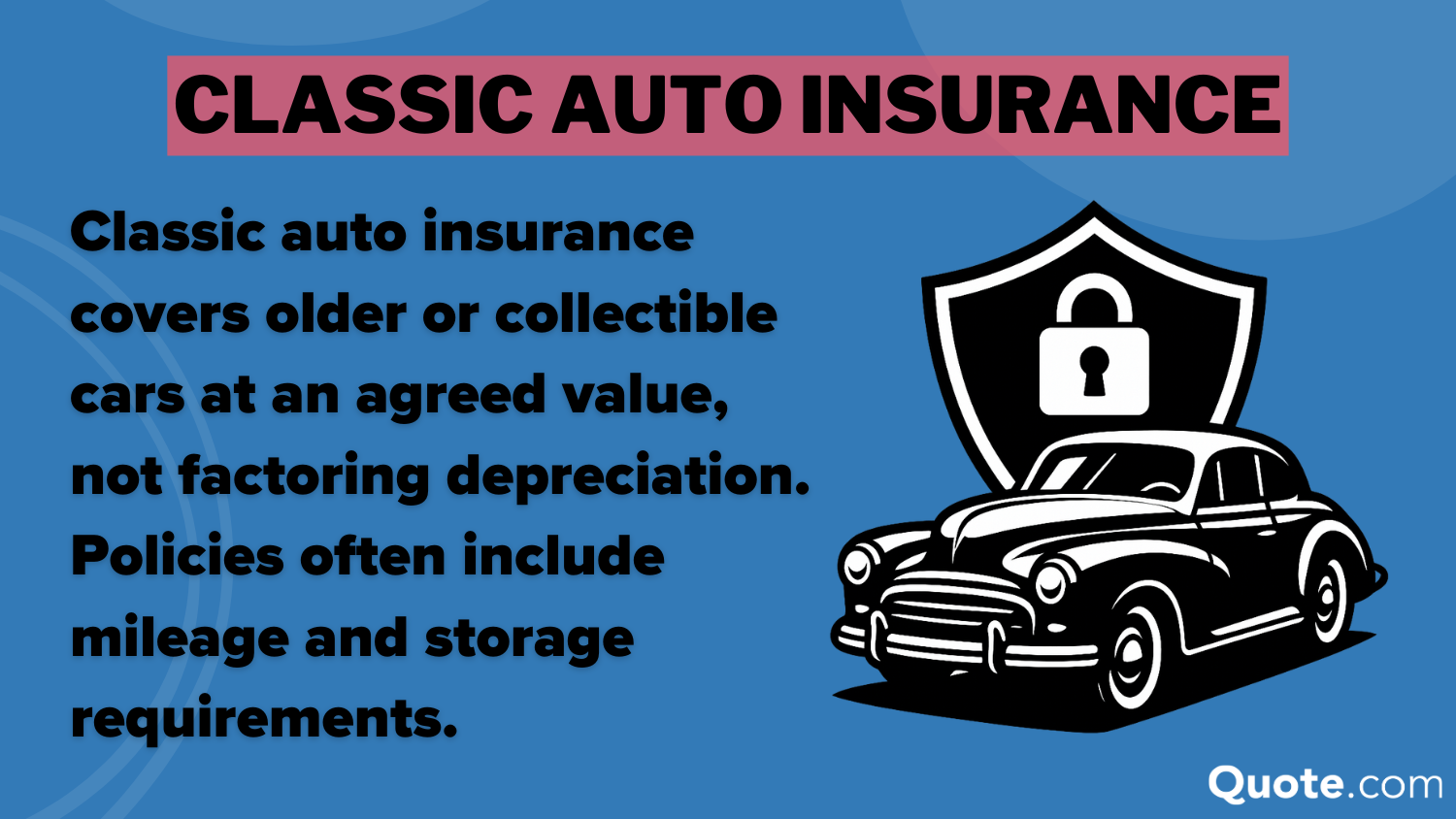
The single most important differentiator between standard auto insurance and classic auto insurance is how the vehicle's worth is determined in the event of a total loss. Standard policies use Actual Cash Value (ACV), which calculates payout based on the car's current market value minus depreciation. If a standard insurer totals a ten-year-old sedan, the payout reflects what that worn vehicle is worth today, which is often far less than what the owner invested or what it would cost to replace.
Classic auto insurance, by contrast, operates almost exclusively on an Agreed Value (sometimes called Stated Value, though true agreed value is preferred) basis.
- Agreed Value: The vehicle owner and the insurance company agree upon the vehicle's worth at the time the policy is written. This figure is backed by professional appraisals, purchase receipts, restoration invoices, and current market data.
- The Payout Guarantee: If the vehicle is totaled or stolen, the insurer pays out the full agreed amount, minus any applicable deductible, without factoring in depreciation.
This mechanism ensures that if a meticulously restored 1967 Chevrolet Corvette or an all-original 1957 Ford Thunderbird suffers a catastrophic loss, the owner receives the exact sum required to replace or rebuild a comparable vehicle. Without this protection, owners of classic vehicles face severe financial exposure under standard insurance frameworks.
Eligibility Requirements and Qualifying Criteria
Specialized insurance carriers do not offer collector car policies to just any older vehicle. Because these policies often feature significantly lower premium rates—despite offering higher coverage amounts—underwriters enforce strict qualifying criteria to minimize their risk exposure.
Vehicle Age and Classification
While the definition of a "classic" can vary depending on state laws and vehicle registration bureaus, insurance companies generally categorize vehicles by age, rarity, and historical significance:
- Antique and Veteran Vehicles: Typically manufactured prior to 1945.
- Classic Vehicles: Generally vehicles between 20 and 40 years old that maintain historical or collector interest.
- Collector and Special Interest Vehicles: Modern classic supercars, limited-production models, or modified vehicles (hot rods, restomods) of various ages that hold distinct market appeal.
Usage Restrictions and Mileage Limits
To qualify for lower classic car insurance rates, policyholders must agree to specific usage terms. Insurers operate on the premise that collector cars are weekend toys, exhibition pieces, or investment assets rather than daily transportation. Key restrictions include:
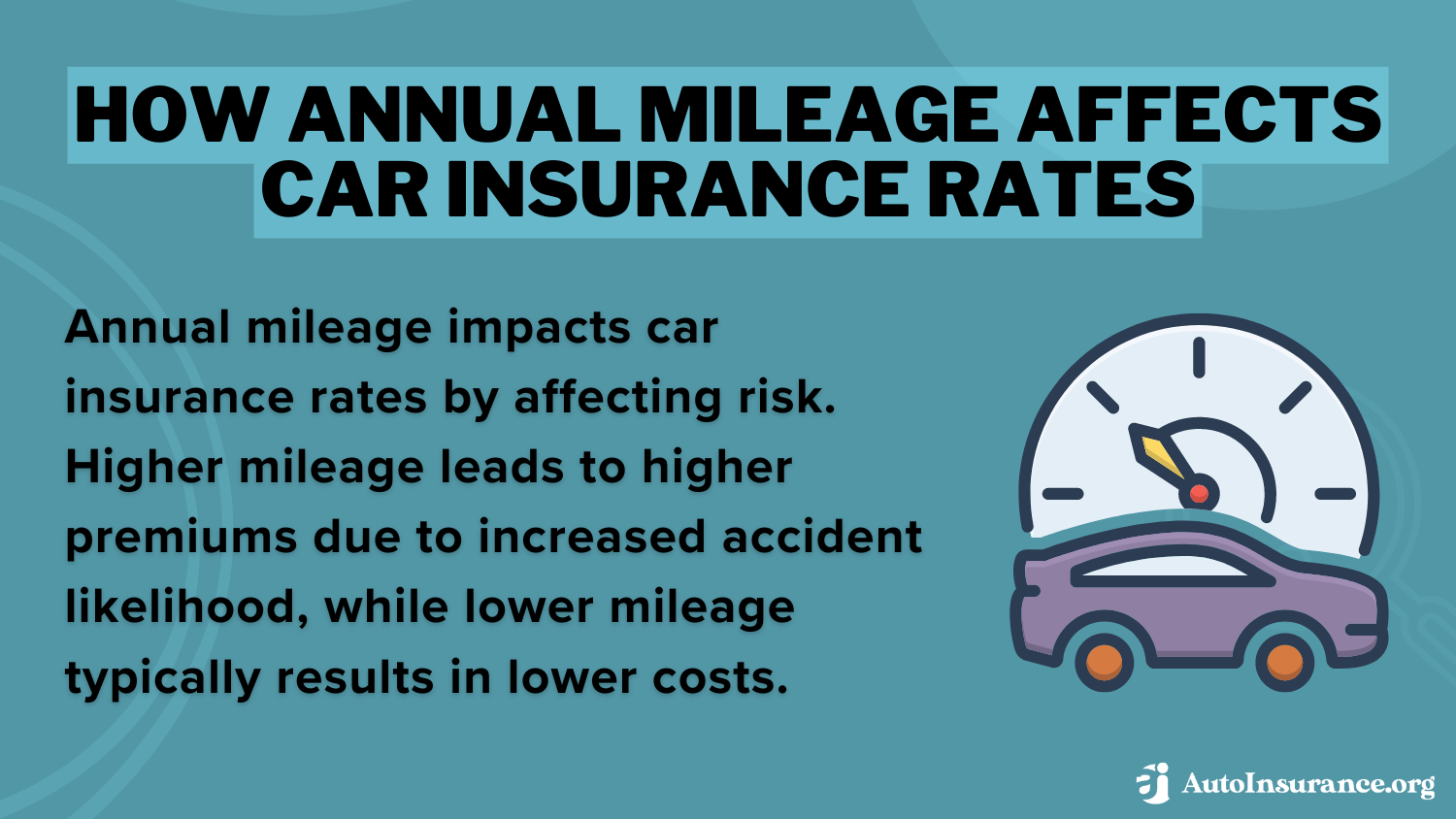
- Annual Mileage Caps: Most policies limit driving to between 2,500 and 7,500 miles per year.
- Prohibition of Daily Commuting: Using the insured vehicle for daily driving to work, school, or routine errands is strictly prohibited.
- Pleasure and Exhibition Use: Driving is restricted to club meets, parades, weekend leisure drives, and trips to specialized automotive events.
Storage and Security Mandates
Because classic cars are prime targets for theft and environmental damage, underwriters require proof of secure, enclosed storage. Leaving a collector vehicle parked on the street or in an open driveway will automatically disqualify an applicant from specialized coverage. Acceptable storage solutions typically include:
- A locked, fully enclosed private garage.
- A secure storage facility with access control.
- Car capsules or specialized indoor covers for added protection against humidity and dust.
| Coverage Feature | Standard Auto Insurance | Classic Auto Insurance |
|---|---|---|
| Valuation Method | Actual Cash Value (ACV) with depreciation | Agreed Value (fixed payout) |
| Mileage Allowance | Unlimited (daily commute friendly) | Restricted (typically 2,500 - 7,500 miles/year) |
| Storage Requirement | Street parking or driveway permitted | Locked, enclosed garage mandatory |
| Repair Parts Policy | Aftermarket or used parts permitted | OEM or authentic restoration parts preferred |
| Cost / Premiums | Higher rates due to daily risk exposure | Lower rates due to restricted use |
Policy Customization: Parts, Labor, and Roadside Assistance
Beyond agreed-value protection, classic auto policies often feature tailored endorsements that address the unique realities of vintage vehicle ownership and repair. Finding generic replacement parts for a 1965 Shelby GT350 or a 1932 Ford Roadster is vastly different from sourcing components for a modern sedan.
Original Equipment Manufacturer (OEM) and Rare Parts
Standard insurance policies frequently utilize aftermarket or recycled parts to lower repair costs after an accident. For a vintage vehicle, aftermarket parts can destroy historical authenticity and diminish market value. Specialized classic policies often include provisions ensuring that original equipment manufacturer (OEM) parts, or authentic reproductions, are sourced for repairs. Some policies even cover the cost of locating rare, hard-to-find components globally.
Specialized Roadside Assistance
Standard roadside assistance plans often dispatch generic tow trucks equipped with standard wheel-lift mechanisms. These can easily damage the low ground clearance, custom front fascias, or vintage suspension components of a classic car. Classic auto insurers frequently partner with towing networks that provide flatbed transport with soft-strap tie-downs, ensuring the vehicle is transported safely without scraping or structural stress.
Coverage for Spare Parts and Automobilia
Many restoration enthusiasts keep a stash of spare engines, transmissions, hardtops, and specialized tools in their garages. Comprehensive classic car packages often extend coverage to these spare parts, ensuring that a garage fire or break-in protects not just the car itself, but its associated components and valuable automotive memorabilia.
Cost Factors and Premium Calculation
One of the most appealing aspects of classic auto insurance is cost efficiency. Despite insuring vehicles that may be worth six figures, premiums are often a fraction of what owners pay for their daily drivers. This pricing model reflects statistical data showing that classic car owners drive significantly fewer miles and treat their vehicles with exceptional care.
Insurance underwriters evaluate several distinct variables when calculating a classic auto policy quote:
- Agreed Value Amount: Higher-value vehicles command higher premiums, though the scale is linear compared to standard market risk.
- Driver History: Clean driving records, years of driving experience, and a history free of major moving violations or claims keep rates low.
- Storage Security: Vehicles kept in monitored, alarmed, and fully enclosed structures qualify for better rates.
- Vehicle Modifications: Original, unmodified numbers-matching vehicles are often the least expensive to insure, while heavily modified restomods or custom hot rods may require specialized underwriting adjustments.
Frequently Asked Questions
Can I drive my classic car to work occasionally?
No. Specialized classic auto policies strictly prohibit using the insured vehicle for daily commuting, routine errands, or school transportation. Doing so violates the terms of the contract and can result in the denial of a claim if an accident occurs during prohibited use.
What happens if market values rise after I set my Agreed Value?
Most insurers allow policyholders to review and adjust their agreed value periodically. If market values for your specific make and model increase, you can submit updated appraisal data or market sales evidence to raise the insured value, adjusting your premium accordingly.
Are vehicles under active restoration eligible for insurance?
Yes. Many specialized carriers offer "Builder's Risk" or restoration policies. These policies provide coverage that increases incrementally as restoration work progresses and the vehicle's value climbs, protecting the car while it sits immobile in a shop.
Do I need a professional appraisal to get a policy?
It depends on the vehicle's estimated value and the insurance provider. For vehicles valued under a certain threshold (often $25,000 to $50,000), clear current photographs and purchase documentation may suffice. For high-value, rare, or heavily customized vehicles, a certified professional appraisal is typically mandatory.
Can younger drivers be listed on a classic auto policy?
While collector car insurers prefer experienced drivers with mature records, many policies do permit younger family members to drive the vehicle under specific conditions, though restrictions and surcharges may apply depending on the carrier's underwriting guidelines.
Next Steps for Protecting Your Collector Vehicle
Securing the right policy begins with compiling documentation on your vehicle, including recent photographs, maintenance records, and any professional appraisals. Reach out to insurers that specialize exclusively in collector and vintage automobiles rather than general multi-line carriers, as specialist underwriters possess a deeper understanding of restoration economics and enthusiast needs. Compare policy deductibles, mileage tiers, and spare parts riders to build a customized defense for your investment.