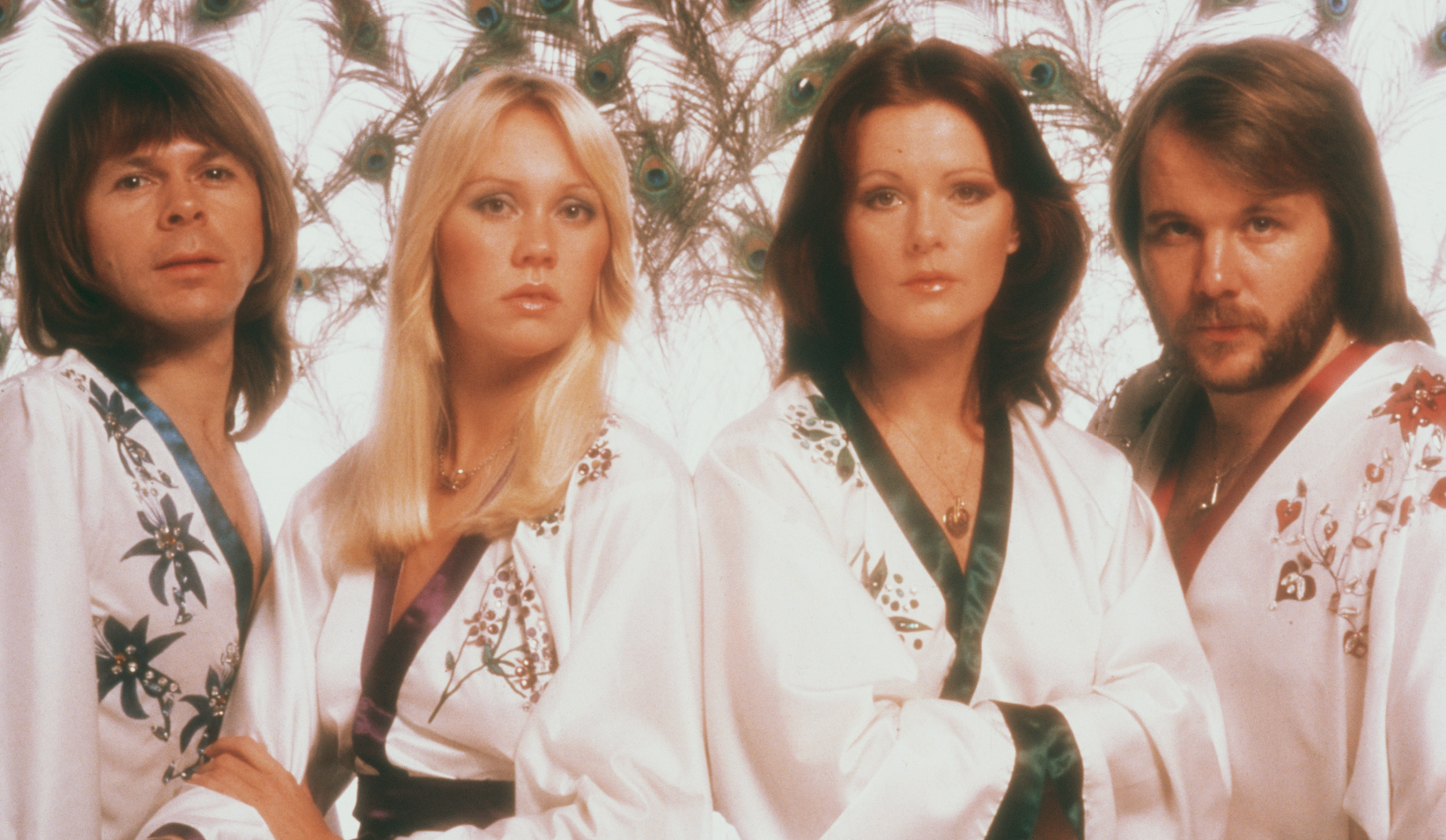
As of 2026, the combined net worth of the four members of ABBA—Agnetha Fältskog, Björn Ulvaeus, Benny Andersson, and Anni-Frid Lyngstad—is estimated to exceed $1.1 billion. This massive valuation is the result of fifty years of consistent record sales, the global "Mamma Mia!" theatrical and cinematic franchise, and the revolutionary success of the ABBA Voyage digital residency in London.
While the individual net worth of each member varies based on songwriting credits and external investments, the group remains one of the most financially successful entities in the history of the music industry. Their transition from 1970s pop stars to 21st-century tech-music pioneers has ensured that their wealth continues to grow even decades after they initially stopped touring.
The Architecture of ABBA’s Wealth
To explain the net worth of ABBA, one must look beyond simple album sales. The group’s financial structure is a sophisticated web of intellectual property (IP) management, real estate, and hospitality. Unlike many of their contemporaries who lost control of their masters or publishing rights, ABBA—largely through the business acumen of their original manager Stig Anderson and the subsequent oversight of Björn and Benny—retained significant control over their brand.
By 2026, the revenue streams have shifted from physical media to a hybrid of high-yield streaming, "experience-based" entertainment, and evergreen licensing. The group’s ability to remain culturally relevant to Generation Z and Alpha through social media trends has kept their streaming numbers at levels comparable to modern-day superstars, providing a massive, passive floor for their annual earnings.
Individual Net Worth Breakdowns
While the group is often viewed as a single unit, the financial profiles of the four members differ. Songwriting royalties play the largest role in these discrepancies.
Benny Andersson and Björn Ulvaeus
Benny and Björn are often estimated to have the highest net worth among the four, likely in the range of $300 million to $350 million each. As the primary songwriters for the group, they earn "songwriter royalties" in addition to "performer royalties."
Whenever an ABBA song is played on the radio, streamed, or performed in a play, Benny and Björn receive a cut of the publishing. Furthermore, their involvement in the creation of the Mamma Mia! musical and their production company, Littlestar, ensures they receive a percentage of the gross revenue from theatrical productions worldwide. Björn has also been a vocal advocate and investor in fintech and music-rights technology, further diversifying his portfolio.
Anni-Frid (Frida) Lyngstad
Anni-Frid’s net worth is estimated at approximately $300 million. While she does not have the same level of songwriting credits as Benny and Björn, her wealth was significantly bolstered by her marriage to Prince Heinrich Ruzzo Reuss von Plauen in 1992. Following his passing in 1999, she inherited a substantial estate. Frida has lived a relatively private life in Switzerland, focusing on environmental philanthropy, but she remains an equal partner in the group’s core commercial ventures, including the Voyage project.
Agnetha Fältskog
Agnetha’s net worth is estimated at roughly $200 million to $250 million. Although she stepped back from the public eye for many years, her share of ABBA’s global royalties has continued to accumulate. Her 2023 solo release and the subsequent 2024-2025 anniversary activities have contributed to her recent financial growth. Like Frida, she benefits equally from the "performance" side of the ABBA brand, ensuring her financial security is tied to the group’s enduring global popularity.
Revenue Pillar 1: The ABBA Voyage Phenomenon
In 2026, the most significant contributor to the group’s ongoing wealth is ABBA Voyage. This digital residency, featuring "Abbatars" (digital avatars of the band as they appeared in 1979), has redefined the economics of live music.
Located in a custom-built arena in London, the show has maintained near-100% occupancy since its launch. Because the physical members do not need to perform, the overhead—while high for the initial technology—is lower than a traditional global tour in the long run.
- Weekly Revenue: It is estimated that the London residency generates between $1.5 million and $2.5 million per week.
- Scalability: By 2026, plans for global "Voyage" installations in cities like Las Vegas, Singapore, and Melbourne have significantly increased the valuation of the group's parent company, Pophouse Entertainment.
The technology behind Voyage, developed in partnership with Industrial Light & Magic (ILM), represents a massive asset. The band members are not just performers; they are shareholders in a proprietary entertainment format that can theoretically run for decades.
Revenue Pillar 2: The Mamma Mia! Franchise
The Mamma Mia! franchise is a financial juggernaut that shows no signs of slowing down. As of 2026, it remains one of the highest-grossing musical franchises in history.
- Stage Productions: At any given time, there are multiple professional productions of Mamma Mia! running globally. These productions pay significant licensing fees and royalties to the ABBA members.
- Film Success: The 2008 film and its 2018 sequel combined for over $1 billion at the global box office. Residuals from television broadcasts, digital sales, and streaming rights for these films provide a constant stream of income.
- Dining Experiences: Mamma Mia! The Party, an immersive theatrical dining experience in London and Stockholm, has expanded to other major tourist hubs, merging hospitality with the ABBA IP.
Revenue Pillar 3: Record Sales and Streaming
ABBA has sold over 400 million records worldwide. While the era of the CD and vinyl was their initial goldmine, the transition to streaming has been remarkably lucrative.
The "Gold: Greatest Hits" album is one of the longest-charting albums in history, frequently returning to the top of the charts in the UK and Europe. In the streaming era, ABBA averages over 25 million monthly listeners on platforms like Spotify. Under modern royalty structures, this volume of streams translates into millions of dollars in annual revenue, which is split between the performers, the songwriters, and the label (Universal Music Group).
Financial Comparison of ABBA Members (Estimated 2026)
| Member | Estimated Net Worth | Primary Income Source | Notable Assets |
|---|---|---|---|
| Benny Andersson | $350 Million | Songwriting/Publishing | Mono Music, ABBA Voyage, Hotels |
| Björn Ulvaeus | $300 Million | Songwriting/IP Licensing | Pophouse Entertainment, Fintech |
| Anni-Frid Lyngstad | $300 Million | Performance Royalties | Real Estate (CH), Inherited Estates |
| Agnetha Fältskog | $250 Million | Performance Royalties | Solo Catalog, Real Estate (SE) |
The Role of Pophouse Entertainment
One cannot explain ABBA's current net worth without mentioning Pophouse Entertainment. Co-founded by Björn Ulvaeus, this firm has become a powerhouse in "brand management" for legendary artists. Pophouse owns ABBA The Museum in Stockholm and is a lead investor in the Voyage project.
By centralizing their assets under a professional investment and management firm, the band members have ensured that their brand is treated as a "blue-chip" asset rather than just a legacy act. This corporate approach to their music is why ABBA’s net worth continues to climb while other bands from the 70s see their earnings plateau.
Why ABBA’s Wealth is Unique
The financial success of ABBA is unique because it is "active-passive" income. Most legacy acts rely on "passive" income (royalties from old songs). However, ABBA has actively created new mediums—films, digital concerts, and museums—that require their brand but not their physical presence.
This decoupling of the artist from the performance is the key to their 2026 valuations. They have effectively "future-proofed" their earnings. Even as the members reach their late 70s and early 80s, their digital counterparts continue to generate revenue at the rate of a touring stadium act.
Frequently Asked Questions
Who is the richest member of ABBA?
Benny Andersson is generally considered the wealthiest member. This is primarily due to his extensive songwriting credits on nearly every ABBA hit, his work on other successful musicals like Chess, and his successful independent record label and production ventures.
Did ABBA lose money during their 40-year hiatus?
No. Despite not releasing new music between 1982 and 2021, the band’s wealth grew exponentially during this period. The 1992 release of ABBA Gold sparked a massive revival, followed by the 1999 launch of the Mamma Mia! musical, which ensured a continuous and increasing flow of royalties.
How much does ABBA make from the Voyage show?
While exact figures are private, industry analysts estimate the show generates roughly $2 million in gross revenue per week. After accounting for venue costs, staff, and tech maintenance, the four members share a significant portion of the net profit, estimated to be several hundred thousand dollars each per month.
Do they own their own music?
ABBA’s masters are owned by Universal Music Group (following the acquisition of Polar Music). However, the members retain their publishing rights (through Union Songs/Universal Music Publishing) and have high-royalty performance contracts that grant them a much larger percentage of revenue than typical recording artists.
How does their net worth compare to other 70s bands?
ABBA is significantly wealthier than most of their 70s peers, such as Fleetwood Mac or The Eagles. This is due to the "Mamma Mia!" franchise and their decision to avoid the expensive, grueling touring cycles that often deplete a band's net profit, opting instead for a localized digital residency.
Final Summary and Next Actions
The explanation of ABBA's net worth is a study in the power of Intellectual Property. By 2026, the group has successfully transitioned from a pop group to a global entertainment brand. Their wealth is built on a foundation of songwriting excellence, but it is sustained by technological innovation and a refusal to sell off their rights for a one-time lump sum.
For those looking to understand the business of music, ABBA serves as the ultimate case study in long-term brand equity. If you are interested in tracking the financial evolution of legacy acts, observing the expansion of the "Voyage" residency into new cities will be the primary indicator of how much higher the band's net worth can go in the coming decade.