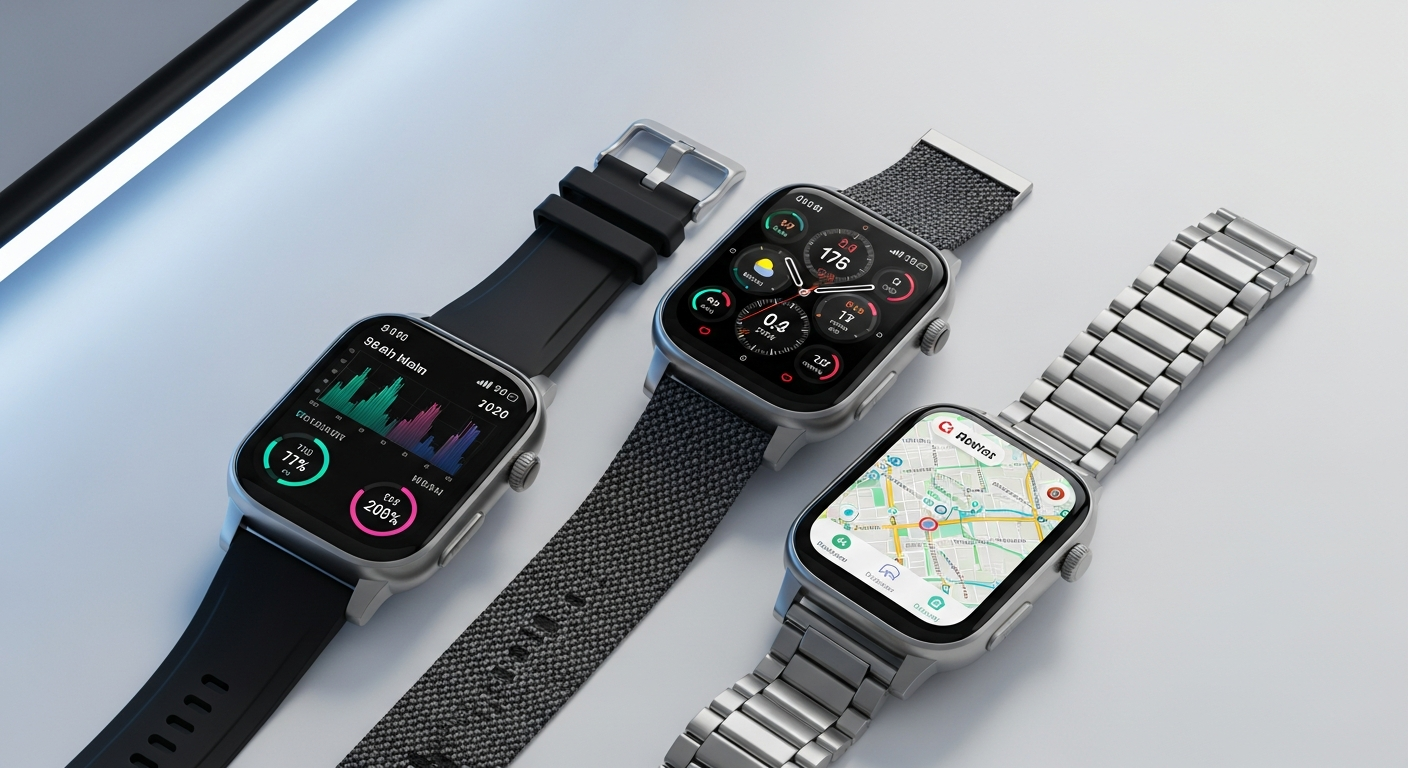
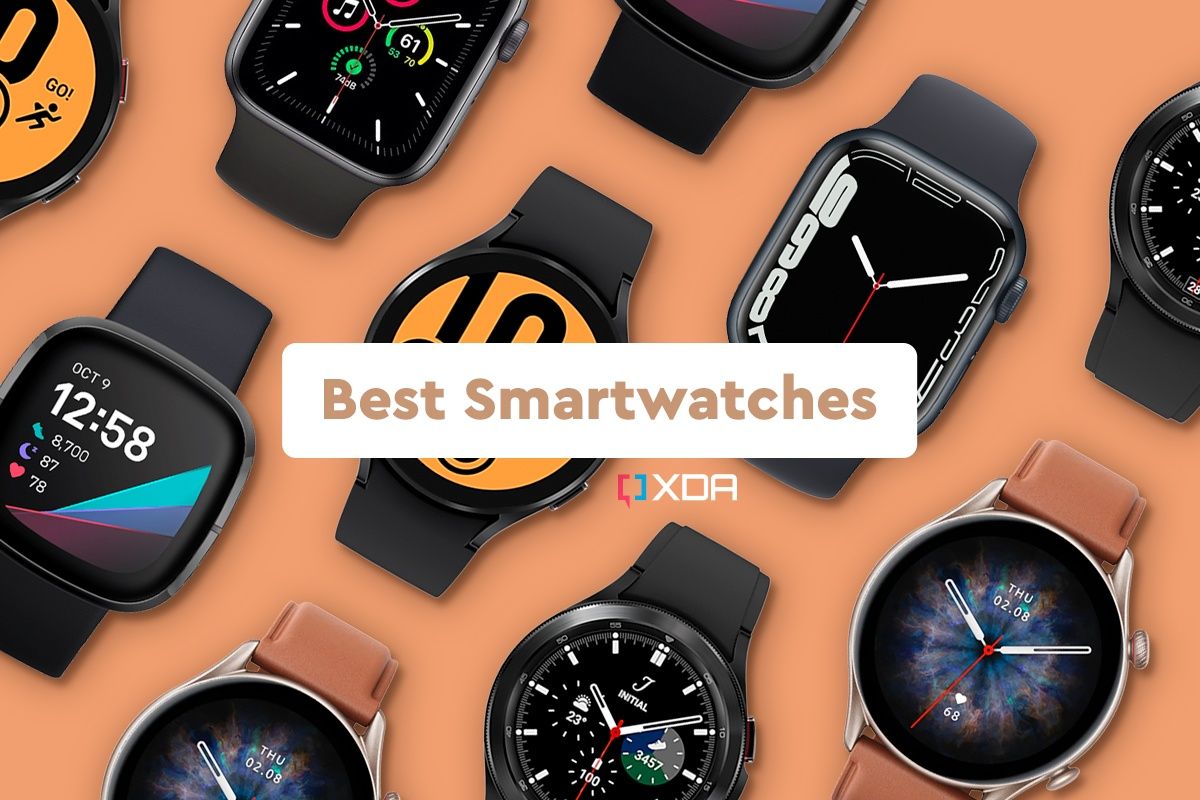
In 2024, the Android smartwatch ecosystem reached a peak of hardware efficiency and software maturity, driven by the release of Wear OS 5 and the introduction of 3nm processor architectures. These devices offer a sophisticated blend of proactive health monitoring, multi-day battery life, and seamless integration with the broader Android smartphone landscape.
The Evolution of Android Wearables in 2024
The year 2024 represented a significant paradigm shift for the Android wearable market. For several years, the "smartwatch" was often criticized for poor battery life and fragmented software experiences. However, the developments of 2024—viewed now from our perspective in 2026—solidified the industry around a few core pillars: extreme durability, specialized fitness tracking, and the "dual-engine" architecture.
Manufacturers moved away from simply shrinking a smartphone onto a wrist and instead focused on the "Ultra" category—rugged, high-performance watches capable of surviving extreme environments while providing precise biometric data. Furthermore, the collaboration between Google and Samsung continued to bear fruit, with Wear OS 5 delivering up to 20% power savings during intensive activities like marathon tracking compared to previous iterations.
For consumers looking to invest in a 2024-era device, the choice is no longer just about which watch looks the best. It is about ecosystem synergy, sensor accuracy, and whether the device can withstand the rigors of a specific lifestyle, whether that involves high-altitude mountaineering or precision sleep coaching.
1. Samsung Galaxy Watch 7
The Samsung Galaxy Watch 7 remains the definitive standard for the "everyday" Android smartwatch. Released in the summer of 2024, it introduced the Exynos W1000, the first 3nm processor in a mainstream wearable. This chip significantly improved the fluidity of the interface and allowed for more complex background processing without draining the battery.
One of the most notable additions was the enhanced BioActive Sensor. Samsung redesigned the sensor array to improve accuracy during high-intensity exercise and added support for AGEs (Advanced Glycation End Products) tracking, a metabolic health indicator. While the design remained a classic circular aluminum or stainless steel frame, the internal upgrades made it a performance powerhouse.
The Galaxy Watch 7 also spearheaded the integration of Galaxy AI into the wrist. Features like "Energy Score" use sleep, activity, and heart rate data to provide a daily readiness metric, helping users decide whether to push for a personal record or take a recovery day. For those within the Samsung ecosystem, the synchronization of alarms, "Do Not Disturb" modes, and camera controls remains unparalleled.
2. Samsung Galaxy Watch Ultra
In 2024, Samsung entered the "extreme rugged" market with the Galaxy Watch Ultra. Designed to compete directly with high-end adventure watches, the Ultra features a titanium Grade 4 frame and a distinct "cushion" design that protects the circular sapphire crystal display. It was built to operate in temperatures ranging from -20°C to 55°C and at altitudes of up to 9,000 meters.
The Ultra stands out not just for its durability but for its specialized features. It includes a dedicated "Quick Button" that can be customized to start workouts or trigger an 86-decibel emergency siren. The battery life was also a major focus, with a 590mAh cell that can last up to 100 hours in Power Saving mode, making it the first Samsung watch truly capable of multi-day hiking trips without a charger.
Technically, the Ultra utilizes Dual-frequency (L1+L5) GPS, which provides much more accurate tracking in dense urban environments or heavy tree cover where traditional GPS signals often bounce off surfaces. This makes it the premier choice for serious runners and cyclists who demand precision in their route mapping.
3. Google Pixel Watch 3 (45mm and 41mm)
The Google Pixel Watch 3 finally addressed the most significant criticism of its predecessors: size. By introducing a 45mm model alongside the standard 41mm version, Google opened its ecosystem to users who prefer a larger, more legible display. The "Actua" display on the Watch 3 is also remarkably bright, reaching a peak of 2,000 nits, ensuring visibility even in direct midday sun.
Beyond the hardware, the Pixel Watch 3 is the best showcase for Fitbit’s deep integration. It introduced "Loss of Pulse" detection in certain European markets—a groundbreaking safety feature that can automatically call emergency services if the watch detects the user's heart has stopped.
The software experience on the Pixel Watch 3 is the "cleanest" version of Wear OS 5 available. It offers seamless integration with Google Home, allowing users to view Nest Cam feeds directly on their wrist, and acts as a remote control for Google TV. For runners, the "Morning Brief" provides a comprehensive summary of sleep quality, recovery status, and even a suggested workout based on the user's current physical state.
4. OnePlus Watch 2
The OnePlus Watch 2 was arguably the biggest surprise of 2024. After a lackluster first attempt years prior, OnePlus returned with a unique "Dual-Engine Architecture." The watch runs two different operating systems on two different chips: Wear OS 4 (upgradable to 5) on a Snapdragon W5 for high-intensity tasks, and an RTOS (Real-Time Operating System) on a BES2700 chip for low-power background tasks.
This approach solved the "Wear OS battery problem." The OnePlus Watch 2 can consistently achieve 80 to 100 hours of battery life with "Smart Mode" enabled, which includes full access to the Google Play Store and notifications. This effectively tripled the battery life of its direct competitors from Samsung and Google at the time of its release.
The hardware is equally impressive, featuring a stainless steel chassis and a 2.5D sapphire crystal face. While it lacks some of the niche health features like ECG or blood pressure monitoring found in Samsung’s offerings, its incredible endurance and rapid "VOOC" charging make it a top contender for users who suffer from "charger anxiety."
5. Mobvoi TicWatch Pro 5 Enduro
Mobvoi has long been a favorite for power users, and the TicWatch Pro 5 Enduro, released in early 2024, refined their signature dual-display technology. The watch features a high-resolution OLED screen layered beneath a low-power Ultra-Low-Power (ULP) display. The ULP display provides essential information like time, heart rate, and steps without ever waking the main processor.
The "Enduro" branding signifies an upgrade in materials and battery management over the standard Pro 5. It features a reinforced sapphire crystal and a thinner, more ergonomic profile. The battery life is spectacular, often reaching 90 hours in smart mode and up to 45 days in "Essential Mode."
One of the standout features of the TicWatch Pro 5 Enduro is its crown navigation, which provides haptic feedback that feels tactile and mechanical. It also includes comprehensive fitness tracking for over 100 professional sports modes and utilizes the Snapdragon W5+ Gen 1 platform to ensure that the interface remains snappy and responsive.
6. Garmin Venu 3
While Garmin uses its own proprietary operating system rather than Wear OS, the Venu 3 is often cited as the best "health-first" smartwatch for Android users. In 2024, it remained a staple for those who prioritize sensor accuracy and data depth over app ecosystems. The Venu 3 features a stunning AMOLED display, bridging the gap between a traditional fitness tracker and a modern smartwatch.
The Venu 3 introduced "Sleep Coach" and "Nap Detection," features that were ahead of their time in analyzing how short periods of rest impact overall body battery. Unlike many smartwatches that struggle to track daytime sleep, the Garmin Venu 3 integrates every minute of rest into its recovery algorithms.
For Android users specifically, the Venu 3 supports on-wrist calling and voice assistant integration (using the phone's native assistant like Google Assistant). This makes it more "smart" than the average Garmin while retaining the legendary 14-day battery life that Wear OS devices still cannot match. It is the ideal choice for the marathon runner who also needs to reply to texts on the go.
7. Samsung Galaxy Watch FE
Samsung introduced the "Fan Edition" (FE) to its wearable lineup in 2024 to provide an entry-level gateway into the Galaxy ecosystem. The Galaxy Watch FE utilizes the design language of the successful Galaxy Watch 4 but upgrades the durability with a sapphire crystal display—a rare feature at its price point.
The Watch FE is powered by the Exynos W920 dual-core processor. While not as fast as the 3nm chip in the Watch 7, it is more than capable of handling the core features of Wear OS, including Google Wallet, Spotify, and health tracking. It retains the BioActive Sensor, allowing users to monitor their heart rate, body composition (BIA), and sleep patterns.
This watch is specifically targeted at students and first-time smartwatch users. It offers a premium feel without the premium price tag, and because it runs the same One UI Watch software as the flagship models, it receives many of the same AI-driven health insights, making it a highly cost-effective health monitor.
8. Xiaomi Watch 2
The Xiaomi Watch 2 arrived in 2024 as one of the most affordable ways to get a "pure" Wear OS experience. Unlike previous Xiaomi watches that used proprietary systems, the Watch 2 embraced the Google ecosystem fully, giving users access to the Play Store and Google Assistant.
Despite its mid-range pricing, the Xiaomi Watch 2 doesn't skimp on core specs. It is powered by the Snapdragon W5+ Gen 1, ensuring it matches the performance of more expensive rivals. The watch features a lightweight aluminum alloy body and a 1.43-inch AMOLED display that is both sharp and vibrant.
Xiaomi’s implementation of fitness tracking is robust, with support for dual-band GNSS (Global Navigation Satellite System) for accurate outdoor tracking. While the companion app is not as polished as Samsung’s or Google’s, the hardware value is difficult to ignore. It serves as an excellent alternative for users who want the flexibility of Wear OS without the high "brand tax" of major Western manufacturers.
9. Garmin Forerunner 165
Rounding out the list is the Garmin Forerunner 165, which launched in 2024 as a dedicated tool for runners who want the benefits of an AMOLED screen without the complexity of a high-end multisport watch. It occupies a unique space: it is technically a fitness tool, but its smart notification system and polished UI make it a great daily companion for Android users.
The Forerunner 165 provides "Running Power" and "Running Dynamics" directly from the wrist, features that previously required chest straps. It also includes "Race Widget" and "Daily Suggested Workouts" that adapt based on your performance and recovery.
For an Android user, the Forerunner 165 is the "practical" choice. It doesn't have an app store as rich as Wear OS, but it excels at its primary job: helping you get fitter. The 11-day battery life in smartwatch mode means you only have to think about charging it three times a month, a stark contrast to the daily or every-other-day charging required by the flagship smartwatches of 2024.
Comparative Analysis of 2024’s Best Smartwatches
| Model | Operating System | Battery Life (Typical) | Key Unique Feature | Target User |
|---|---|---|---|---|
| Samsung Galaxy Watch 7 | Wear OS 5 | 24–40 Hours | 3nm Exynos W1000 Chip | General Android Users |
| Samsung Watch Ultra | Wear OS 5 | 60–100 Hours | Titanium & 3000 Nits | Adventurers / Athletes |
| Google Pixel Watch 3 | Wear OS 5 | 24–36 Hours | Deep Fitbit Integration | Minimalists / Google Fans |
| OnePlus Watch 2 | Wear OS 4 | 80–100 Hours | Dual-Engine Architecture | Battery-Conscious Users |
| TicWatch Pro 5 Enduro | Wear OS 3.5+ | 90 Hours | Dual-Layer Display | Power Users / Hikers |
| Garmin Venu 3 | Garmin OS | 14 Days | Body Battery & Sleep Coach | Health Enthusiasts |
| Samsung Watch FE | Wear OS | 24–30 Hours | Sapphire Crystal (Budget) | Students / Value Seekers |
| Xiaomi Watch 2 | Wear OS | 65 Hours | Snapdragon W5 Value | Budget-Conscious Smart Users |
| Garmin Forerunner 165 | Garmin OS | 11 Days | AMOLED Running Metrics | Runners / Joggers |
Key Selection Criteria: What Defined 2024 Smartwatches?
When selecting the best smartwatch in 2024, three technical factors became the primary differentiators for consumers.
1. Chipset Architecture and Efficiency
The transition to the Snapdragon W5+ Gen 1 and the Exynos W1000 was critical. Previous generations of Android watches suffered from "micro-stutter," where the interface would lag during notifications. The 2024 chips eliminated this, providing a smartphone-like 60Hz refresh rate. Furthermore, the 3nm and 4nm processes used in these chips allowed for better thermal management, meaning the watches didn't throttle performance during outdoor workouts in the summer heat.
2. Health Sensor Sophistication
By 2024, basic heart rate tracking became a commodity. The "best" watches differentiated themselves with advanced biometrics. Bioelectrical Impedance Analysis (BIA) allowed users to measure body fat percentage and skeletal muscle mass from their wrist. Meanwhile, the integration of FDA-cleared sleep apnea detection (pioneered by Samsung in 2024) turned these devices from passive trackers into proactive medical screening tools.
3. Ecosystem Integration (The "Walled Garden" Effect)
A significant trend in 2024 was the tightening of ecosystems. While all these watches work with Android, the Galaxy Watch 7 works best with a Samsung phone, unlocking features like ECG and irregular heart rhythm notifications that are gated to the Samsung Health Monitor app. Similarly, the Pixel Watch 3 offers the most seamless "Fast Pair" and Find My Device integration with Google’s own Pixel smartphones.
Frequently Asked Questions
Do these 2024 smartwatches work with iPhones?
Most Wear OS devices released in 2024, including those from Samsung and Google, are not compatible with iOS. They require an Android phone running Android 11.0 or higher. Garmin and Withings devices are the exception, as they maintain their own cross-platform apps that work on both Android and iOS.
What is the difference between Wear OS 4 and Wear OS 5?
Wear OS 5, which debuted on the 2024 Samsung and Google watches, focuses heavily on battery efficiency and fitness data. It introduced a new "Watch Face Format" that reduces the background processing required to render clock faces, and it added support for more detailed running metrics like Ground Contact Time and Stride Length natively within the OS.
Is the "Ultra" category worth the extra cost?
For the average user, the standard Galaxy Watch 7 or Pixel Watch 3 is sufficient. The "Ultra" or "Enduro" models are worth the investment only if you require extreme battery life (3+ days), superior GPS accuracy for mountain navigation, or a build quality that can survive impacts against rock or metal.
Can I use these watches for contact-less payments?
Yes, all the watches listed (except for some regional variations of Xiaomi) support contactless payments. Wear OS devices use Google Wallet, while Garmin devices use Garmin Pay. This allows you to tap your wrist at any NFC-enabled terminal to pay for groceries or transit.
Practical Recommendation
If you are looking for the best overall experience on Android, the Samsung Galaxy Watch 7 is the most balanced choice, offering cutting-edge internals and a refined software experience. However, if you find yourself frustrated by charging your watch every night, the OnePlus Watch 2 provides the most impressive compromise between "true smart" features and long-lasting battery life. For those whose lives revolve around training cycles and recovery, the Garmin Venu 3 remains the gold standard for actionable health data.