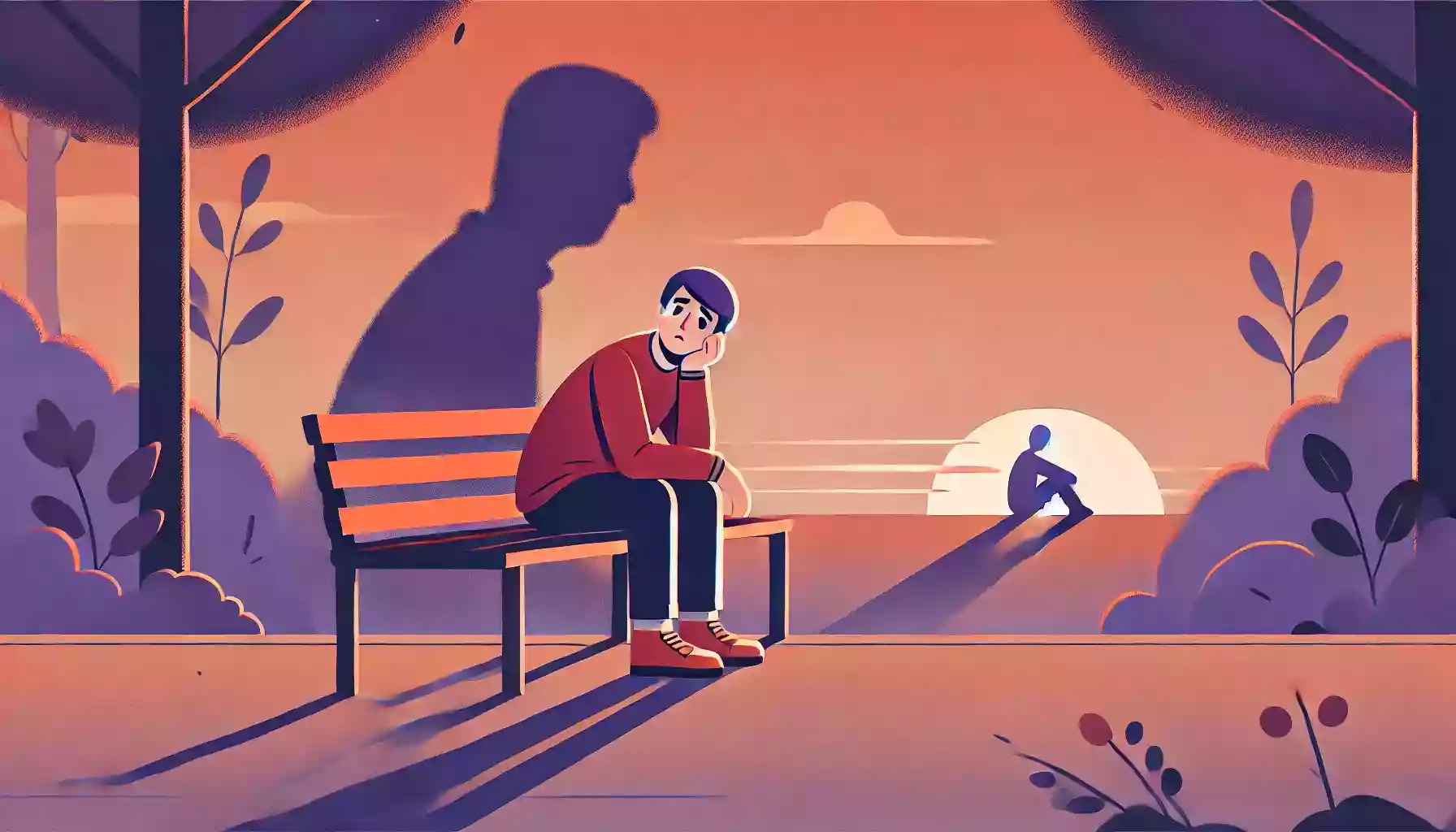
Recognizing that a partner has lost their emotional connection can be difficult, but common indicators include a persistent lack of communication, the absence of physical and emotional intimacy, a shift toward indifference rather than conflict, and the exclusion of the partner from future plans. When a partner consistently stops making an effort to resolve issues or prioritizes other aspects of life over the relationship, it often signals that her feelings of love have faded.
The realization that a relationship may be ending is one of the most taxing emotional experiences a person can face in 2026. While every relationship experiences cycles of highs and lows, there is a distinct difference between a temporary "rough patch" and a fundamental shift in emotional investment. Love is not just a feeling; it is an active choice manifested through behavior, attention, and mutual respect. When those behaviors vanish, the emotional foundation usually follows.
Identifying whether she still loves you requires an objective look at her patterns over time rather than focusing on a single bad day or a temporary argument. If the following seven signs have become the "new normal" in your relationship, it is likely that her romantic love has significantly diminished or disappeared entirely.
1. The Presence of Emotional Indifference
In many relationships, people mistakenly believe that fighting is the ultimate sign of a failing connection. However, relationship psychologists often argue that the opposite of love is not hate, but indifference. When a woman still loves her partner, she is willing to argue, express her frustrations, and engage in the "work" of the relationship because she still cares about the outcome.
When she stops loving you, she often stops caring enough to fight. If you bring up a grievance and she responds with a shrug, a "whatever you say," or simply ignores the issue, it suggests she has emotionally checked out. Indifference means she is no longer invested in whether the relationship improves or stays the same. This lack of emotional reaction indicates that she has already begun the process of detaching her identity and her future from yours.
2. A Significant Decline in Physical and Emotional Intimacy
Intimacy is the "glue" of a romantic relationship, and its absence is one of the most obvious signs she doesn’t love you in a romantic capacity. This extends far beyond the bedroom. While a decrease in sexual frequency can happen for many reasons—such as stress, health issues, or external pressures—a total withdrawal from all forms of physical affection is a major red flag.
Emotional intimacy is equally vital. In a healthy relationship, partners share their thoughts, fears, and daily triumphs. If she no longer turns to you as her primary confidant, or if she seems uncomfortable when you try to be vulnerable with her, the emotional bridge has likely collapsed.
Indicators of Intimacy Withdrawal:
- Physical Avoidance: She avoids holding hands, hugging, or sitting close to you on the couch.
- The "Roommate" Dynamic: Your interactions become purely functional, focusing only on household chores, bills, or scheduling.
- Lack of Eye Contact: She avoids looking you in the eyes during conversations, which is a subconscious way of avoiding emotional connection.
- Rejection of Affection: When you initiate a touch or a kiss, she pulls away or treats it as a chore.
3. Communication Patterns Shift to "Stonewalling" or Superficiality
Effective communication is the lifeblood of a lasting partnership. When a woman loses her love for a partner, the quality of communication usually undergoes a drastic change. You may notice that she no longer asks about your day or shares details about hers. When she does speak, the conversations are short, clipped, and devoid of depth.
"Stonewalling"—a term popularized by relationship researchers—occurs when one partner shuts down, withdraws from the interaction, and refuses to respond. If she consistently uses silence as a weapon or a shield, she is creating a barrier that prevents any further bonding. Furthermore, if your attempts to have deep or meaningful conversations are met with one-word answers, she is effectively closing the door on the relationship's growth.
4. She Prioritizes Everything and Everyone Else Over You
In a loving relationship, partners make each other a priority. While it is healthy to have friends, hobbies, and a career, a partner who loves you will ensure that you feel valued and included in their life. When she doesn't love you anymore, you will notice a shift where you are relegated to the bottom of her priority list.
She may start staying late at work more often, spending every weekend with friends, or immersing herself in a new hobby to the point that she has no time left for you. If she is making plans that consistently exclude you—and she doesn't seem to mind your absence—it is a sign that she is building a life that doesn't require your presence. This "horizontal expansion" of her social life is often a subconscious preparation for being single.
5. The Removal of the "Future We"
One of the most subtle yet telling signs of a loss of love is the way a partner speaks about the future. When people are in love, they naturally use "we" language when discussing upcoming events, vacations, or long-term goals. They envision their partner by their side five, ten, or twenty years down the line.
If she has stopped talking about the future with you, or if she starts making long-term plans that only involve her, she is signaling that she no longer sees you as a permanent fixture in her life. This might manifest as:
- Buying items or making investments solely in her name.
- Hesitating to book a vacation that is several months away.
- Discussing career moves that would take her away from you without considering the impact on the relationship.
- Avoiding discussions about marriage, children, or shared homeownership if those were previously agreed-upon goals.
6. Constant Criticism and Lack of Respect
Respect is the foundation upon which love is built. When love fades, it is often replaced by resentment or contempt. If she has reached a point where she no longer loves you, she may become hyper-critical of everything you do. Things that she used to find charming or "quirky" may now irritate her or provoke an angry response.
Contempt is particularly damaging. It involves looking down on a partner, using sarcasm, or mocking them. If she frequently belittles your achievements, dismisses your opinions, or makes you feel "less than" in front of others, the love has likely been replaced by a deep-seated dissatisfaction. At this stage, she is no longer your teammate; she has become an adversary.
7. She No Longer Makes an Effort to Resolve Conflicts
Every relationship has problems, but a couple in love will work together to solve them. They value the relationship enough to endure the discomfort of a difficult conversation to reach a resolution. When a woman stops loving you, she loses the incentive to fix what is broken.
If you bring up a recurring issue and her response is "I don't care" or "Do whatever you want," she has effectively surrendered. She isn't interested in compromise because she is no longer invested in the long-term health of the partnership. This lack of effort is often the final stage before a formal breakup or divorce, as it indicates that she has reached a state of emotional resignation.
Comparing Healthy Engagement vs. Emotional Detachment
The following table highlights the differences between a partner who is struggling but still loves you, and a partner who has likely lost her feelings.
| Behavior Area | Healthy (Even if Struggling) | Detached (Signs of Loss of Love) |
|---|---|---|
| Conflict | Arguments are intense but aimed at a solution. | Total avoidance or cold indifference to issues. |
| Communication | Shares feelings, even if they are negative. | Limits talk to logistics; keeps secrets or stays silent. |
| Physical Contact | Occasional affection; tries to reconnect physically. | Avoids all touch; treats intimacy as a burden. |
| Future Planning | Uses "We" when discussing 2027 and beyond. | Focuses on "I" and avoids long-term commitments. |
| Social Life | Includes you in most major social circles. | Actively seeks "alone time" or time with others only. |
| Reaction to You | Offers support or shows concern for your well-being. | Appears annoyed by your presence or successes. |
| Effort | Willing to try therapy or "date nights." | Refuses to put in any work to save the bond. |
Frequently Asked Questions
Can a relationship be saved if these signs are present?
It depends entirely on whether both partners are willing to be honest and put in the work. If she has only recently become detached, it may be a reaction to a specific stressor or a lack of fulfillment that can be addressed through open communication or professional counseling. However, if she has reached a state of "contempt" or "indifference," the emotional damage is often too deep to repair. Both parties must want to save the relationship for any intervention to work.
How do I know if it's just a "rough patch" or the end?
The key differentiator is duration and the presence of "bids for connection." A rough patch is usually temporary and often linked to external factors like a stressful job or family issues. During a rough patch, there are still moments of tenderness or a shared desire to get back to "how things were." If the detachment has lasted for months and there is no desire from her side to change the situation, it is likely more than just a phase.
What should I do if I see these signs?
The first step is a direct, non-confrontational conversation. Use "I" statements, such as "I feel that we have become distant lately, and I’m worried about our connection." Observe her reaction. If she is willing to talk and expresses her own concerns, there is a path forward. If she remains indifferent or defensive, you must begin to prioritize your own emotional well-being and consider whether staying in a loveless relationship is healthy for you.
Does she hate me if she doesn't love me anymore?
Not necessarily. In many cases, love fades into a platonic "friendship" or "roommate" vibe before disappearing entirely. She may still care about you as a person but no longer feel the romantic spark or the desire for a partnership. This can actually make the signs harder to spot because she may still be "nice," but the romantic intensity and commitment are gone.
Is she seeing someone else?
While emotional withdrawal can sometimes indicate an external attraction, it is not a guarantee. Many people fall out of love simply because the relationship has run its course or because of long-standing unresolved issues. It is important not to jump to conclusions about infidelity without evidence, as the focus should remain on the health of your specific connection.
Recommended Next Steps
If you recognize these signs in your relationship, the most practical next action is to stop chasing and start observing. Often, when we feel a partner pulling away, our instinct is to "lean in" harder—sending more texts, buying gifts, or demanding more time. However, this often pushes a detached partner further away.
Instead, create some space. Focus on your own health, career, and social life. This serves two purposes: it gives her the room to miss your presence if the love is still there, and it prepares you for emotional independence if the relationship is indeed over. Once you have gained some perspective, schedule a serious conversation to discuss the future of the relationship. If the signs of indifference and lack of effort persist despite your honesty, it may be time to seek a formal separation or accept that the relationship has reached its conclusion.