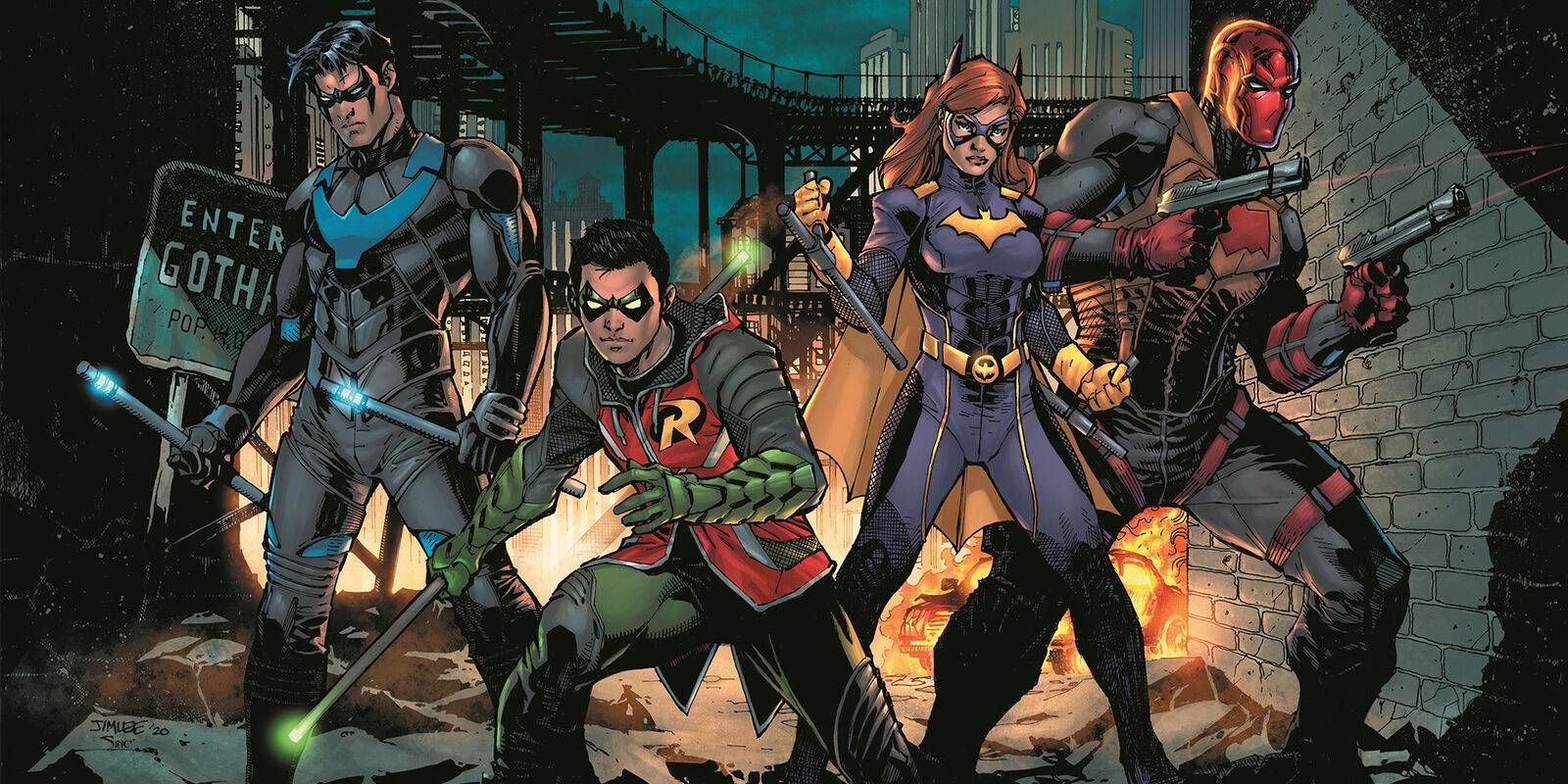
When exploring the vast multimedia history of DC Comics' Dark Knight, television has offered some of the most enduring, influential, and critically acclaimed iterations of Batman. From campy 1960s live-action broadcasts to groundbreaking, noir-inspired animated masterpieces, television series have repeatedly redefined what Gotham City and its protectors can achieve across the screen.
Evaluating the legacy of the Caped Crusader on the small screen requires looking past mere nostalgia to examine narrative depth, character development, visual innovation, and overall cultural impact. While dozen of projects have featured the vigilante, certain productions stand head and shoulders above the rest. Below is the definitive, comprehensive ranking of the seven best Batman television shows ever produced, analyzing what makes each entry a vital watch for fans and critics alike.
1. Batman: The Animated Series (1992–1995)
At the absolute pinnacle of comic book adaptations stands Batman: The Animated Series. Developed by Bruce Timm, Paul Dini, and Eric Radomski, this landmark show revolutionized not only superhero animation but television storytelling as a whole. Set in a timeless, dark deco version of Gotham City—frequently referred to as "Dark Deco"—the series established an aesthetic template that heavily influenced subsequent comic books, video games, and feature films.
What elevates Batman: The Animated Series to the top spot is its mature, psychological approach to storytelling. Eschewing the Saturday-morning cartoon formulas of its era, the writers treated their audience with respect, crafting emotionally resonant narratives that explored themes of trauma, redemption, and morality. Kevin Conroy provided the definitive voice of Batman and Bruce Wayne, balancing a terrifying, gravelly intensity as the hero with a warm, aristocratic charm as the playboy billionaire. Mark Hamill’s portrayal of the Joker set a gold standard for villainous voice acting, blending maniacal glee with genuine menace.
Furthermore, the series expanded the cultural lexicon of Gotham by introducing Harley Quinn, a character created specifically for the show who subsequently became one of DC's most popular comic book mainstays. With its sweeping orchestral scores, cinematic framing, and sophisticated writing, Batman: The Animated Series remains an undisputed masterpiece of television history.
2. Batman Beyond (1999–2001)
Following the conclusion of the Timmverse's foundational era, the creative team faced the daunting task of creating a successor that would not feel like a retread. Their solution was Batman Beyond, a bold, futuristic cyberpunk series set in a neo-Gotham in the year 2039. An elderly, reclusive Bruce Wayne hangs up his cowl after a near-fatal heart attack forces him to realize he can no longer fight crime alone. Years later, a troubled high school student named Terry McGinnis stumbles into Wayne Manor, discovers the secret identity of Gotham's former protector, and steals an advanced, high-tech batsuit to avenge his father's murder.
Batman Beyond succeeds by subverting traditional tropes while retaining the core thematic DNA of the mythos. Terry McGinnis is an energetic, impulsive teenager who contrasts sharply with the stoic, disciplined Bruce Wayne, creating a fascinating dynamic of reluctant mentorship. The futuristic setting allowed the writers to explore fresh science-fiction concepts, from cybernetic enhancements and illegal genetic splicing to artificial intelligence and corporate corruption.
The series also introduced a rogues' gallery tailored to the futuristic landscape, including techno-criminals like Shriek and Inque, alongside the iconic, tragic final confrontation between Bruce Wayne and his old enemies. Batman Beyond proved that the mantle of the bat could evolve successfully across generations, leaving a lasting imprint on animation and science fiction alike.
3. The Batman (2004–2008)
Debuting in the wake of heavy-hitting predecessors, The Batman initially faced skepticism from purists due to its distinct anime-inspired character designs and a narrative framework that began with a younger, less-established Bruce Wayne. However, over its five-season run, the series carved out a unique identity, evolving into a sophisticated and action-packed exploration of the vigilante's career.
One of the greatest strengths of The Batman was its willingness to reinvent classic characters without losing their essential essence. The Joker was reimagined as a feral, acrobatic anarchist with dreadlocks, while the Riddler was styled as a gothic hacker. As the seasons progressed, the show matured significantly, introducing Robin, Batgirl, and eventually forming the Justice League. Voice actor Rino Romano brought a relatable, human vulnerability to Bruce Wayne, while subsequent seasons deepened the serialized narrative arcs. By prioritizing fluid martial arts choreography, distinct visual pacing, and strong continuity, The Batman earned its place as a top-tier adaptation.
4. Batman: The Brave and the Bold (2008–2011)
Shifting away from the brooding noir style that defined late-20th-century adaptations, Batman: The Brave and the Bold embraced the exuberant, silver-age aesthetic of DC Comics history. Framed as a team-up series, each episode paired Batman with a rotating roster of lesser-known heroes from across the DC Universe, ranging from Blue Beetle and Plastic Man to Green Arrow and Aquaman.
While some fans initially feared the show would be overly silly, producers James Tucker and Michael Jelenic executed the concept with brilliant self-awareness, warmth, and intricate homage. Diedrich Bader voiced a surprisingly versatile Batman who could seamlessly transition from deadpan comedic lines to genuine emotional heroism. The series celebrated the vast breadth of comic book history, introducing audiences of all ages to obscure characters while maintaining clever writing that appealed equally to adult collectors. Batman: The Brave and the Bold stands out as a joyful, endlessly creative celebration of the character's cooperative roots.
5. Beware the Batman (2013–2014)
Utilizing full 3D computer-generated imagery, Beware the Batman is often remembered as an underappreciated experiment within the franchise's television lineage. The series deliberately bypassed traditional A-list villains like the Joker, Penguin, and Riddler, choosing instead to focus on lesser-used antagonists such as Anarky, Professor Pyg, and Magpie.
Furthermore, the show modernized the supporting cast: Alfred Pennyworth was reimagined as a former MI6 operative and hardened tactical trainer who actively engaged in field combat, while Tatsu Yamashiro (Katana) served as Bruce's bodyguard and crime-fighting partner. Although its unconventional animation style and departure from familiar rogue rosters alienated some viewers during its truncated broadcast run, Beware the Batman offered a clever, cerebral detective narrative that rewarded patient viewers with sharp plotting and fresh world-building.
6. Gotham (2014–2019)
Averaging five seasons on Fox, Gotham took a radically different structural approach by placing Bruce Wayne in the background for much of its run, focusing instead on the city's corrupt police force and the early days of Detective Jim Gordon. Created by Bruno Heller, the series functioned as an epic crime saga tracing the origin stories of both Gotham's future protectors and its most infamous criminal masterminds.
Ben McKenzie starred as the earnest, embattled Jim Gordon, while a young David Mazouz portrayed a pre-vigilante Bruce Wayne on his journey toward adulthood. The absolute standout of the series, however, was Robin Lord Taylor’s mesmerizing, serpentine performance as Oswald Cobblepot (The Penguin), alongside Cameron Monaghan’s chaotic, dual-layered interpretations of the Jerome and Jeremiah Valeska twins. While Gotham frequently leaned into operatic camp, high-stakes soap opera, and wild narrative twists, its commitment to world-building and atmospheric style made it a compelling live-action television experience.
7. Batman (1966–1968)
Rounding out the list is the seminal live-action classic starring Adam West as the Caped Crusader and Burt Ward as Robin. While modern audiences often associate Batman with dark shadows and gritty realism, the 1966 series was a vibrant, pop-art explosion of camp, tongue-in-cheek humor, and moral guidance.
Adam West’s portrayal of Batman—and his alter ego Bruce Wayne—was played with absolute, deadpan earnestness, which remains the secret to the show's enduring brilliance. Whether delivering deadpan safety tips or scaling buildings with celebrity cameos looking out windows, the production captured the whimsical spirit of early comic books. Enhanced by Neal Hefti’s iconic brass theme song and legendary on-screen comic-book sound effects (POW! BAM! KRUNCH!), the series cemented Batman as a global pop culture phenomenon and laid the foundation for the character's commercial longevity.
| Show Title | Original Broadcast | Format | Primary Tone / Style | Notable Highlights |
|---|---|---|---|---|
| Batman: The Animated Series | 1992–1995 | 2D Animation | Dark Deco, Noir, Psychological | Defined modern Batman lore; introduced Harley Quinn. |
| Batman Beyond | 1999–2001 | 2D Animation | Cyberpunk, Sci-Fi, Futurist | Terry McGinnis takes up the mantle in neo-Gotham. |
| The Batman | 2004–2008 | 2D Animation | Action, Dynamic, Stylized | Evolving continuity with a younger Bruce Wayne. |
| Batman: The Brave and the Bold | 2008–2011 | 2D Animation | Silver-Age, Lighthearted, Team-up | Celebrates obscure DC heroes with clever humor. |
| Beware the Batman | 2013–2014 | 3D CGI Animation | Tactical, Detective-Focused | Features non-traditional villains and combat-trained Alfred. |
| Gotham | 2014–2019 | Live-Action | Crime Drama, Prequel, Operatic | Focuses on Jim Gordon and origin of iconic rogues. |
| Batman | 1966–1968 | Live-Action | Camp, Pop-Art, Satirical | Iconic pop culture phenomenon starring Adam West. |
Frequently Asked Questions
Which Batman TV show is considered the best of all time?
Batman: The Animated Series is universally regarded by critics and fans alike as the greatest Batman television show ever produced. Its mature writing, exceptional voice performances by Kevin Conroy and Mark Hamill, and timeless visual aesthetic set a benchmark that has rarely been matched in superhero media.
Is Batman Beyond a direct continuation of Batman: The Animated Series?
Yes, Batman Beyond is set within the same shared continuity as Batman: The Animated Series and The New Batman Adventures. It takes place roughly 40 to 50 years into the future within the same universe, with an aging Bruce Wayne serving as a mentor to the new protagonist, Terry McGinnis.
Where can I stream these Batman TV shows?
Streaming availability varies by region and constantly shifts between distribution platforms. In the United States, animated entries such as Batman: The Animated Series and Batman Beyond are typically available to stream on subscription services like Max, while live-action titles may require digital purchase or alternative streaming networks.
Did Gotham feature Batman as the main character?
No, Gotham is primarily a prequel series centered on Jim Gordon’s early days as a homicide detective in a corrupt police department. While a young Bruce Wayne appears throughout the series, his formal evolution into Batman does not occur until the very final moments of the series finale.
Which live-action Batman television series came first?
The live-action series Batman, starring Adam West and Burt Ward, premiered in January 1966 and was the very first major television adaptation of the comic book characters, establishing a massive cultural craze known as "Batmania."
Final Recommendations for Viewers
Choosing which Batman television show to watch next depends entirely on your personal taste in storytelling. If you crave profound emotional depth, brilliant direction, and classic noir detective stories, begin immediately with Batman: The Animated Series. If you prefer high-energy action with a futuristic twist, dive into Batman Beyond. For those looking for historical context and lighthearted entertainment, the 1966 live-action classic offers unmatched charm. No matter your preference, the rich television legacy of Gotham's protector offers something remarkable for every viewer.