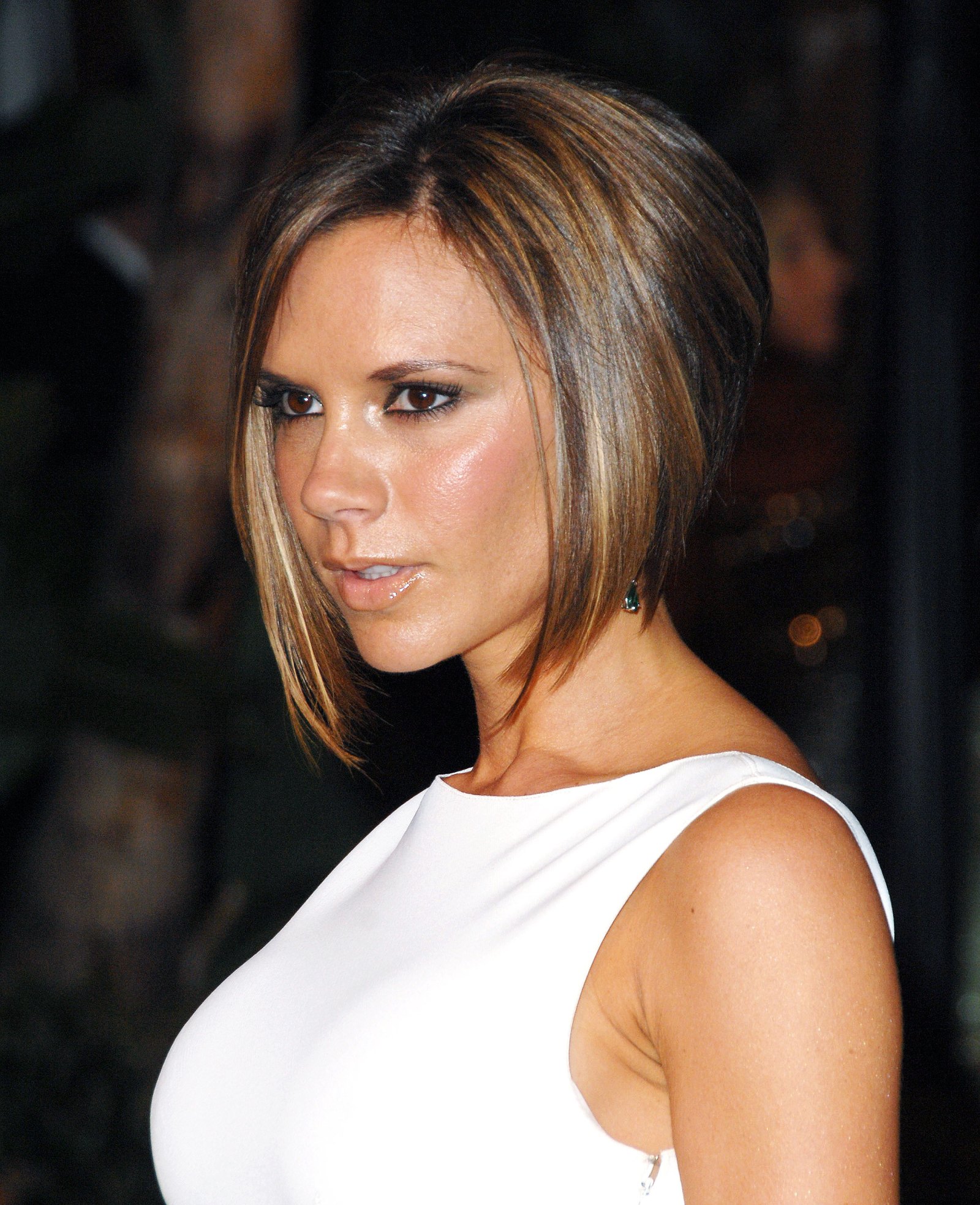
The 2000s Victoria Beckham bob, famously known as the "Pob," experiences periodic cultural resurgences through a predictable five-year trend cycle driven by nostalgic fashion revivals, TikTok micro-trends, and cyclical shifts in hair styling technology.
Understanding the Five-Year Trend Cycle in Fashion and Hair
The fashion and beauty industries operate on perpetual feedback loops of nostalgia, where aesthetics from specific eras return to public consciousness approximately every two decades, punctuated by minor micro-cycles occurring every five years. The concept of the five-year cycle explains how micro-trends evolve from subcultural fatigue into mainstream rediscovery. When a dominant look reaches saturation, public taste undergoes a swift rejection phase, seeking the aesthetic opposite. Exactly five years later, the once-despised or overly saturated style re-emerges through a lens of ironic appreciation, which rapidly transitions into earnest re-adoption.
In the context of 2000s hair styling, the angular, stacked bob popularized by Victoria Beckham during her time in Los Angeles represents a watershed moment. Originally characterized by a sharp inversion, crown volume, and precise flat-iron straightness, the cut epitomized mid-century modern glamour reinterpreted through the lens of aughties celebrity culture. When analyzing how trends transition, the five-year marker acts as a crucial tipping point. It is the precise duration required for a generation that grew up watching the trend as children or teenagers to reach purchasing power and cultural authority, allowing them to reclaim the aesthetics of their youth with modern adaptations.
Anatomy of the "Pob": Defining the Original 2000s Look
To understand why the revival resonates, one must examine the precise structural mechanics of the original cut. The iconic hairstyle was not merely a short haircut; it was an exercise in extreme geometry, architectural precision, and high-contrast silhouetteing that defied the softer, bohemian waves dominant in the earlier part of the decade.
Structural Characteristics and Geometry
The defining feature of the original cut was its steep inversion. The back was cropped exceptionally short, often graduated with stacked layers to create significant volume at the occipital bone, while the front panels elongated into sharp, razor-sharp points that descended well below the jawline. This created a dramatic diagonal line when viewed in profile.
- The Crown: Teased, lacquered, and built up to create height, contrasting sharply with the flatness of the sides.
- The Parting: Typically worn in a severe, razor-straight side part or a precise, uncompromising middle part.
- The Texture: Highly polished, glossy, and devoid of natural movement, achieved through heavy reliance on ceramic flat irons and high-shine serums.
Styling Products and Tools of the Era
Recreating or modernizing the look requires understanding the specific product ecosystem that defined 2000s hairdressing. Unlike the textured, salt-sprayed finishes popular in subsequent decades, the original look demanded an arsenal of smoothing and stiffening agents. Ceramic flat irons were transitioning from luxury salon tools to household staples, and thermal protectants were frequently secondary to heavy-duty smoothing creams, anti-humidity sprays, and firm-hold hairsprays designed to lock the angular geometry in place throughout grueling paparazzi encounters.
Comparative Analysis: The Original 2000s Pob vs. Modern Iterations
When the trend returns through the five-year cycle, it rarely replicates the original with absolute fidelity. Modern beauty standards, influenced by hair health awareness, minimalist aesthetics, and changes in daily maintenance preferences, alter how the cut is executed and worn.
| Feature | Original 2000s Version ("Pob") | Modern Revival Iteration |
|---|---|---|
| Graduation & Stack | Extreme, highly stacked, with a very short nape and dramatic slope. | Softer inversion, subtle graduation, less aggressive height at the crown. |
| Texture & Finish | Bone-straight, highly glossy, rigid, and completely smooth. | Natural movement, slight bend or wave, lived-in texture, satin finish. |
| Styling Commitment | Daily chemical straightening, intense heat styling, heavy pomades. | Air-dry creams, lightweight oils, versatile styling with minimal damage. |
| Wardrobe Pairing | Oversized sunglasses, Juicy Couture tracksuits, low-rise denim, Birkin bags. | Tailored blazers, minimalist slip dresses, chunky loafers, relaxed streetwear. |
Cultural Drivers Behind the Five-Year Resurgence
The resurgence of the early-millennium bob is not an accidental occurrence; it is propelled by distinct media engines, demographic shifts, and economic factors that govern modern style consumption.
Gen Z Nostalgia and Digital Archaeology
The primary catalyst for the current revival is the generation born around the turn of the millennium. Entering their mid-twenties, these consumers engage in digital archaeology across platforms like TikTok and Pinterest, unearthing imagery from 2006 to 2008. To this demographic, the era represents a period of uninhibited pop-culture maximalism. The sharp bob stands out as a symbol of bold, unapologetic personal branding in an era often dominated by uniform, neutral aesthetics.
The Role of Celebrity Reinterpretation
While Victoria Beckham herself has evolved past the ultra-sharp style, favoring polished lobs and effortless waves, contemporary celebrities frequently reference the silhouette on red carpets and in editorial spreads. This creates a bridge between historical reference and current relevance. When high-profile models and influencers adopt a softened version of the cut, it signals to the broader market that the look has transitioned from dated costume to high-fashion vintage.
Practical Considerations for Adopting the Modern Revival
For individuals considering a return to the geometric bob, practical maintenance, hair texture compatibility, and face shape dynamics must be evaluated to ensure a successful transition.
Assessing Hair Texture and Density
The geometric bob is an unforgiving cut that relies heavily on precision. While the original version demanded fine, straight hair that could be ironed flat effortlessly, modern adaptations accommodate a wider range of textures by softening the edges.
- Fine Hair: Benefits from the stacked back, which creates natural illusion of volume and thickness at the nape.
- Thick or Curly Hair: Requires internal thinning and careful weight removal to prevent the cut from expanding into an undesirable triangle shape, though a modern textured variant can look remarkably striking with natural waves.
Maintenance and Upkeep Requirements
Short, geometric hair demands a strict salon maintenance schedule. To maintain a sharp inversion, trims are typically required every four to six weeks. Furthermore, styling time must be factored into daily routines; unlike long hair that can be pulled into a convenient bun, an angular bob requires deliberate styling to look intentional rather than unkempt.
Frequently Asked Questions
Why is the Victoria Beckham 2000s bob often called the "Pob"?
The portmanteau "Pob" was coined by British tabloid media in the mid-2000s by combining "Posh" (Beckham's moniker as a member of the Spice Girls) and "bob." The term quickly entered the cultural lexicon as shorthand for the specific steep, inverted wedge haircut she debuted in 2006.
Does the modern revival require the exact same steep angle as the original?
No. Modern iterations generally feature a much softer, more gradual slope. While the original cut often featured a dramatic drop from a very short nape to long front pieces, contemporary interpretations favor a subtle, sophisticated angle that blends more naturally with modern clothing silhouettes and lifestyle needs.
What face shapes are best suited for an angular bob?
Angular bobs are exceptionally versatile but require subtle adjustments by a skilled stylist. Oval and heart-shaped faces can wear virtually any variation of the cut. For rounder faces, a longer front point that drops well below the chin helps elongate the silhouette, whereas square faces benefit from softer, curved lines rather than severe geometric edges.
How often do micro-trends like this typically recur?
While 20-year macro-cycles dictate major era revivals, specific micro-trends within beauty and fashion frequently experience mini-revival waves every four to five years. These shorter cycles allow subcultures to experiment with historical aesthetics before they re-enter the mainstream consciousness on a larger scale.
Conclusion and Next Actions
The return of the 2000s Victoria Beckham bob demonstrates the enduring power of iconic hair silhouettes to capture cultural imagination across generations. Whether approached through the lens of pure nostalgia or modern minimalist reinvention, the cut remains a masterclass in architectural styling. For those looking to adopt the revival, the primary next step is consulting with a skilled stylist who understands structural graduation, ensuring the cut is tailored to modern hair health standards and personal lifestyle requirements rather than replicating historical rigidity.