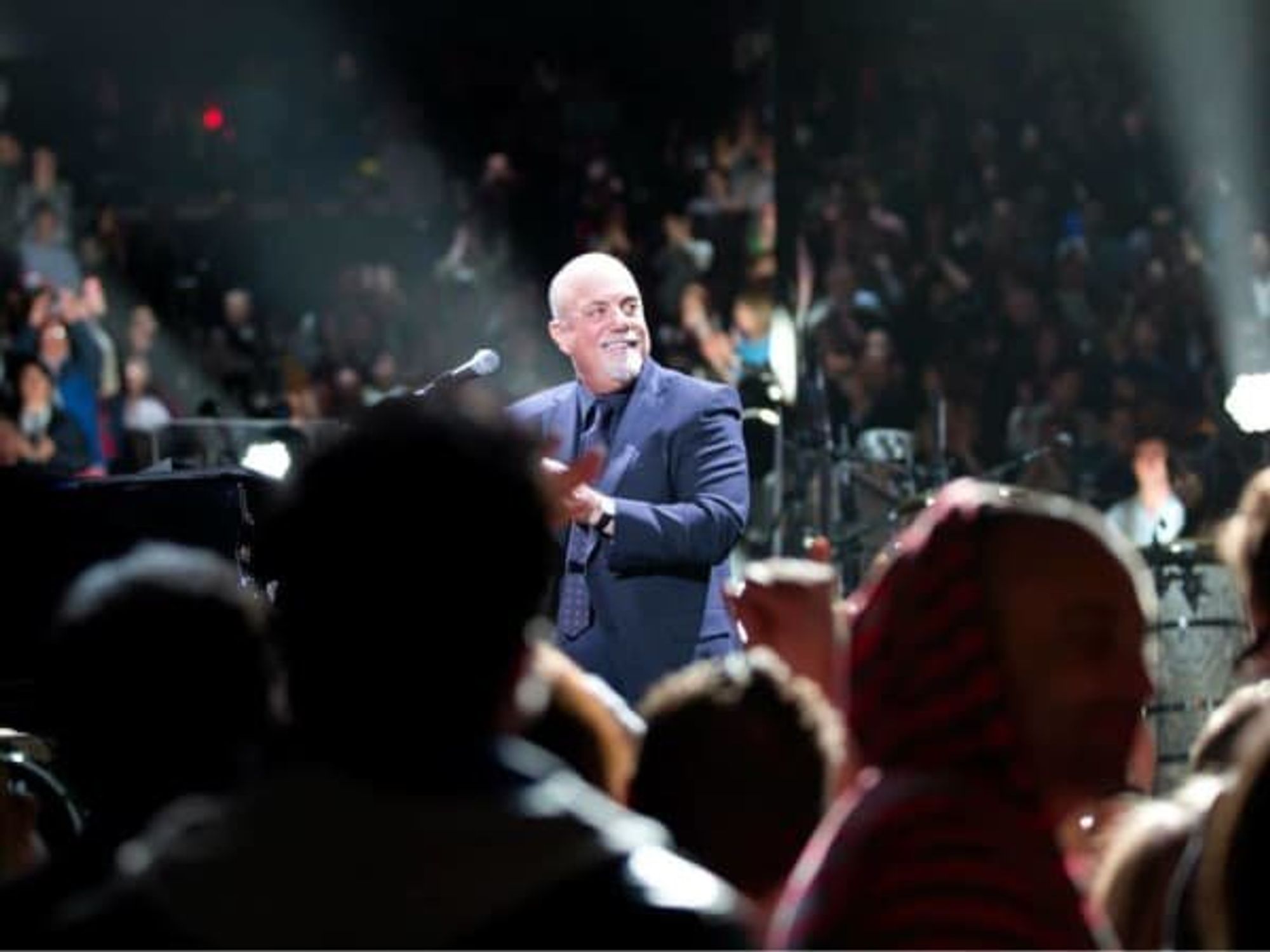
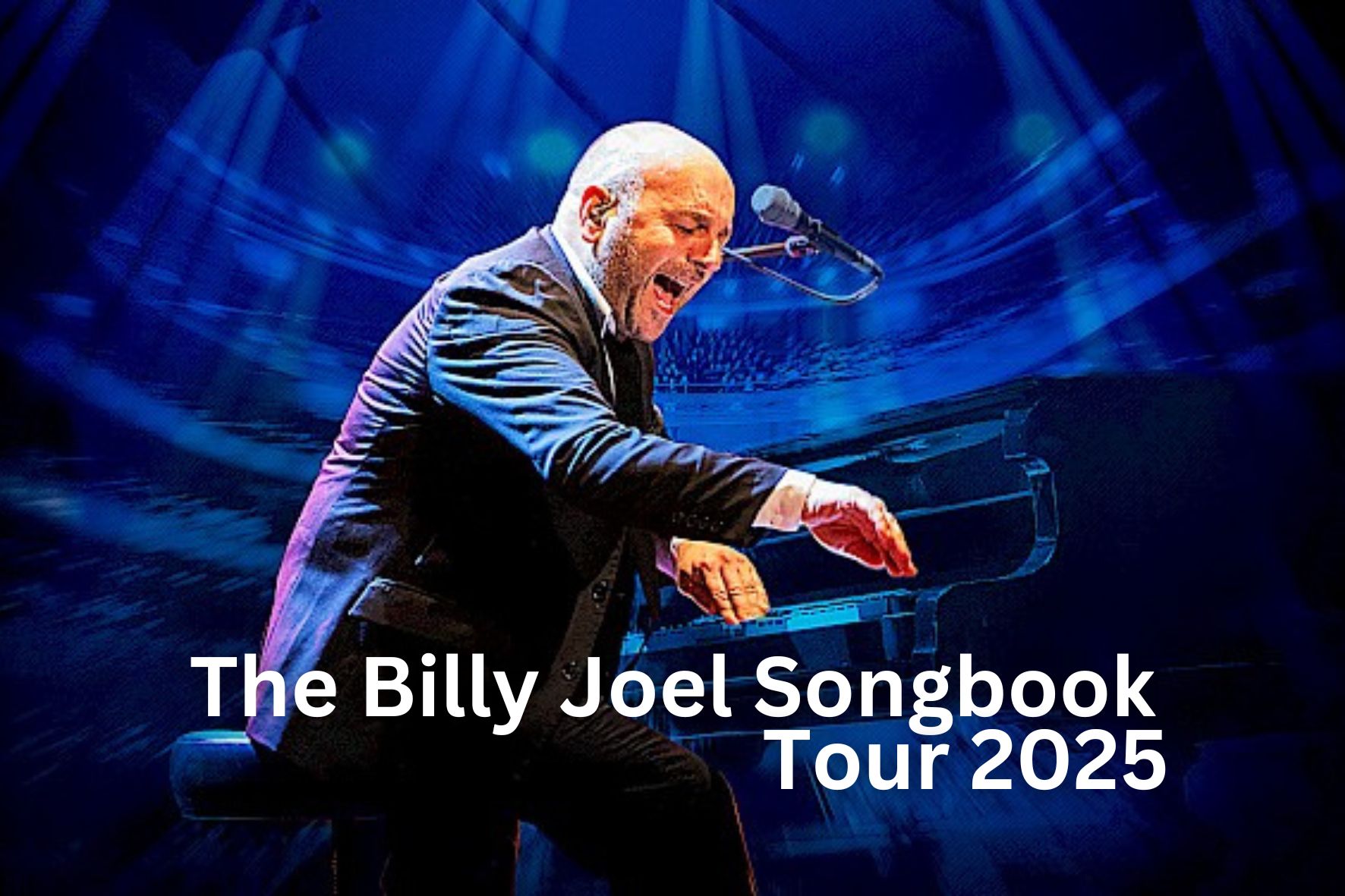
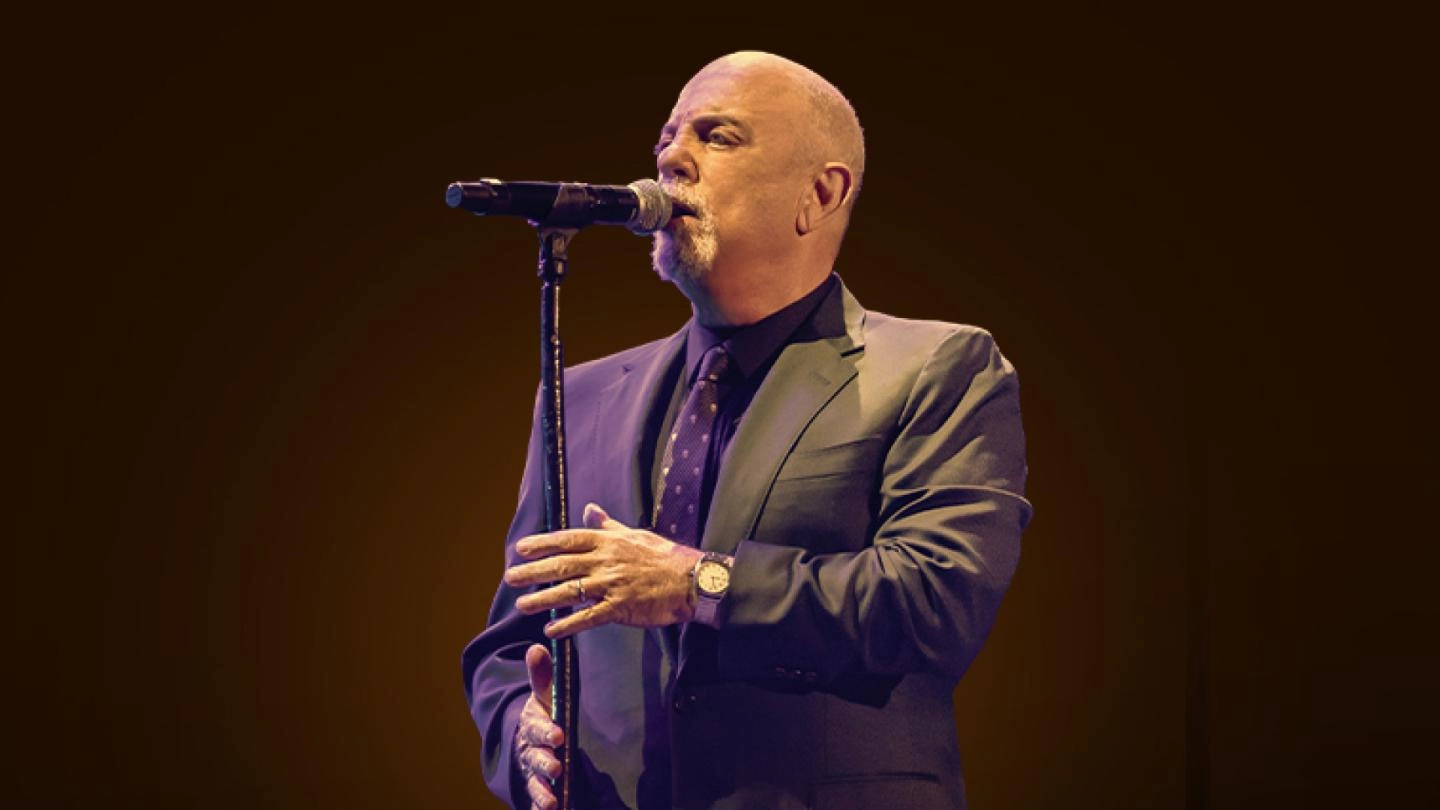
Billy Joel’s 2025 stadium tour redefined the legacy of the "Piano Man" by blending his classic catalog with rare deep cuts and high-profile collaborations. The most surprising twists included unexpected duets with co-headliners Sting and Stevie Nicks, the live evolution of his first new single in decades, and a significant shift in setlist variability.
The year 2025 marked a pivotal transition for Billy Joel. Following the historic conclusion of his record-breaking Madison Square Garden residency in late 2024, the music industry questioned how the legendary singer-songwriter would adapt to a purely touring schedule. Looking back from 2026, it is clear that Joel did not merely repeat his greatest hits. Instead, he utilized the stadium format to experiment with production, song selection, and guest appearances, proving that his creative engine remains robust even in his mid-70s.
The Context: Transitioning from the Garden to the Global Stage
To understand the surprises of 2025, one must first recognize the logistical and emotional weight of the previous year. For over a decade, the MSG residency provided a "home game" advantage, allowing Joel to maintain a consistent band and technical setup. Moving into 2025, the tour—often billed as "Billy Joel & Friends"—required a more modular approach to accommodate massive outdoor venues like Ford Field in Detroit and Anfield Stadium in Liverpool.
The 2025 circuit was not a traditional solo tour but a series of "one-night-only" events. This structure allowed for a higher level of production value and, crucially, the opportunity to integrate other rock legends into the show’s DNA. This shift in format was the primary catalyst for the unexpected moments that defined the year.
1. The Collaborative "Genre-Mash" Duets
The most talked-about twist of the 2025 tour was the depth of integration between Billy Joel and his co-headliners, specifically Sting and Stevie Nicks. Unlike previous tours where guest appearances were brief cameos, the 2025 shows featured integrated segments that challenged both artists.
In the shows featuring Sting, the two icons didn't just sing their respective hits; they swapped roles. A major highlight was Sting taking the lead vocals on "Every Little Thing She Does Is Magic" while Joel provided a boogie-woogie piano arrangement that transformed the police classic into a New York-style shuffle. Conversely, Joel joined Sting for a haunting rendition of "Fields of Gold," where his harmonica playing—often reserved for "Piano Man"—added a rustic, Americana layer to the track.
With Stevie Nicks, the surprise came in the form of "Stop Draggin' My Heart Around." Joel filled the shoes of the late Tom Petty with a grit and gravel in his voice that many fans hadn't heard in years. These collaborations weren't just fan service; they were technical exercises in musical adaptation that required the band to bridge the gap between Joel’s pop-rock precision and Nicks’ ethereal rock or Sting’s jazz-influenced reggae.
2. The "Deep Cut" Renaissance: Reviving The Nylon Curtain
For decades, Billy Joel’s setlists were criticized by die-hard fans for being too "hit-heavy." While casual attendees want to hear "Uptown Girl" and "We Didn't Start the Fire," the 2025 tour took a sharp turn toward his more complex, often overlooked material.
The most significant surprise was the revival of tracks from his 1982 album, The Nylon Curtain. In 2025, "Allentown" remained a staple, but it was frequently paired with "Goodnight Saigon" and, more surprisingly, "Pressure." The latter song, known for its aggressive synthesizer lines and frantic tempo, was performed with a modernized arrangement that utilized the stadium's advanced sound systems to emphasize the percussion.
Furthermore, Joel reached back to 1971’s Cold Spring Harbor, occasionally performing "Tomorrow Is Today." Introducing such a vulnerable, early-career track in a stadium seating 60,000 people was a bold move that signaled Joel’s desire to treat the 2025 tour as a comprehensive retrospective rather than a simple victory lap.
3. The Live Maturation of "Turn the Lights Back On"
When Billy Joel released "Turn the Lights Back On" in early 2024—his first original pop single in 17 years—the big question was how it would fit into a setlist dominated by 40-year-old classics. By 2025, the "twist" was how the song evolved into the emotional centerpiece of the concert.
Initially, the song was performed as a faithful recreation of the studio version. However, by the summer of 2025, the arrangement had expanded. Joel began using the song as a transition piece, often preceding it with a solo piano improvisation that referenced motifs from "Lullabye (Goodnight, My Angel)." This gave the new material a sense of lineage, making it feel less like a "new song" and more like a missing chapter of the An Innocent Man or The Stranger eras.
The technical execution of the song also improved. Joel’s vocal performance on this track in 2025 was notably stronger than the 2024 debut, as he became more comfortable with the song’s higher register in a live environment. The audience’s reaction—marked by a sea of phone lights—cemented it as a modern classic, a feat few legacy acts achieve with late-career releases.
4. Technical Innovation: The "Living Archive" Production
Billy Joel has traditionally preferred a "no-frills" stage setup—just the band, the piano, and a few lights. The 2025 tour broke this tradition with a production twist titled the "Living Archive."
The stage design featured ultra-high-definition transparent LED screens that didn't just show the performers but integrated real-time AI-enhanced archival footage. During "Scenes from an Italian Restaurant," the screens displayed remastered, never-before-seen footage of 1970s New York, synchronized with the tempo of the music.
Perhaps the most impressive technical twist occurred during "The River of Dreams." The production used 3D spatial audio to rotate the sound of the backing vocals around the stadium, creating an immersive "choir" effect that made the outdoor venue feel like an intimate cathedral. This level of technical sophistication was a departure from Joel’s previous "bar band made good" aesthetic and showed a willingness to embrace modern concert technology.
5. The "Rotating Seat" Guest Slot
In a move that kept fans on their toes throughout 2025, Joel introduced a "Rotating Seat" segment where the band would play a song they hadn't rehearsed with a surprise local guest or a rising artist. This twist brought a level of unpredictability that is rare for a stadium production of this scale.
| City | Surprise Guest | Song Performed | Significance |
|---|---|---|---|
| London | Olivia Rodrigo | "Deja Vu" / "Uptown Girl" | Bridging the generational gap with a modern pop star. |
| New York | John Mayer | "This Is the Time" | A rare guitar-heavy rendition of the The Bridge classic. |
| Chicago | Jennifer Hudson | "New York State of Mind" | A powerful vocal duel that showcased Hudson's range. |
| Los Angeles | Mike Campbell | "Mary Jane's Last Dance" | A tribute to Tom Petty during the Stevie Nicks co-headliner date. |
| Nashville | Chris Stapleton | "Shameless" | Returning the song to its country-rock roots (originally written by Joel). |
This "twist" served two purposes: it kept the long-touring band (including veterans like Mark Rivera and Tommy Byrnes) engaged, and it generated massive social media buzz for every stop. It proved that Joel is not just a legacy act but a central figure in the broader musical conversation.
The Musicality of the 2025 Band
The core of these surprises rested on the shoulders of Joel’s long-standing band. In 2025, the ensemble demonstrated an almost telepathic level of communication. Multi-instrumentalist Crystal Taliefero was particularly vital, handling everything from percussion and saxophone to the soaring background vocals that defined the 2025 sound.
The band also adjusted to Joel’s aging voice with expert precision. By slightly lowering the keys of certain high-energy tracks like "An Innocent Man," they allowed Joel to maintain his signature tone without strain. This technical adjustment is a common practice for legacy artists, but in 2025, the transitions were so seamless that most audience members were unaware of the shifts, focusing instead on the emotional delivery.
Logistics and Planning for Fans
For those looking back at the 2025 tour or preparing for future "one-off" events, certain logistical realities became clear. The 2025 dates were characterized by high demand and a shift toward "dynamic pricing" models on major platforms.
Ticket Acquisition and Costs
In 2025, the average ticket price for a Billy Joel stadium show ranged from $120 for upper-level seating to over $800 for floor "VIP" packages. Fans learned that the "surprise twists" were often more visible from the lower tiers due to the intricate screen work and guest interactions.
Venue Selection
The choice of venue significantly impacted the experience. Shows at baseball stadiums (like Wrigley Field) offered a more intimate, "classic" feel, whereas NFL stadiums (like AT&T Stadium) allowed for the full "Living Archive" visual experience to shine. Fans who traveled for multiple shows noted that the "twists" varied based on the venue's acoustic capabilities.
FAQ: Common Questions About the 2025 Tour
Was the 2025 tour Billy Joel's final tour?
While rumors of retirement are constant, Billy Joel did not officially label the 2025 circuit a "farewell tour." Instead, he moved toward a "permanent residency" of monthly stadium dates. His philosophy appears to be "playing until it's no longer fun," rather than setting a hard end date.
Who was in the band for the 2025 tour?
The 2025 lineup remained remarkably consistent with his MSG years, featuring Tommy Byrnes (guitar), Mark Rivera (sax/vocals), Crystal Taliefero (percussion/vocals), Dave Rosenthal (keyboards/musical director), Andy Cichon (bass), Chuck Burgi (drums), and Carl Fischer (trumpet/trombone).
Did Billy Joel play any new songs besides "Turn the Lights Back On"?
Throughout 2025, "Turn the Lights Back On" remained the only new original pop song. However, Joel frequently included snippets of classical compositions during his piano interludes, referencing his Fantasties & Delusions era.
How did the co-headlining format work?
Typically, the co-headliner (Sting or Stevie Nicks) would perform a full 75-minute set first, followed by Billy Joel’s 120-minute set. The "twists" occurred during the overlap, where the artists would join each other for 2-3 songs in the middle or end of the show.
Is there a live album or film of the 2025 tour?
As of early 2026, rumors of a high-definition concert film documenting the 2025 stadium tour—specifically the collaborative sets—have been circulating, though an official release date has not been confirmed by Sony Music or Joel’s management.
Practical Recommendations for Future Attendees
Based on the 2025 experience, fans should consider the following when Billy Joel announces future dates:
- Arrive Early for Soundcheck: In 2025, fans who arrived early often caught glimpses of the "surprise" guests rehearsing, providing a sneak peek at the night's twists.
- Monitor Setlist.fm: While Joel shakes things up, there is often a pattern to his rarities. If he plays "The Stranger" in one city, he might swap it for "Zanzibar" in the next.
- Invest in Quality Audio: Stadium acoustics can be hit-or-miss. If you are an audiophile, prioritize seating near the "front of house" sound booth (usually located in the center of the floor or lower bowl) for the best balance.
- Stay Until the Very End: The 2025 encores were legendary. "You May Be Right" often turned into a 10-minute jam session featuring all the night's guests, a moment you do not want to miss while trying to beat the parking lot traffic.
The 2025 Billy Joel tour was a masterclass in how a legacy artist can remain relevant without relying solely on nostalgia. By introducing technical innovations, reviving deep cuts, and embracing the collaborative spirit of rock and roll, Joel ensured that his music remains as vibrant and surprising in 2026 as it was when it first hit the airwaves decades ago.