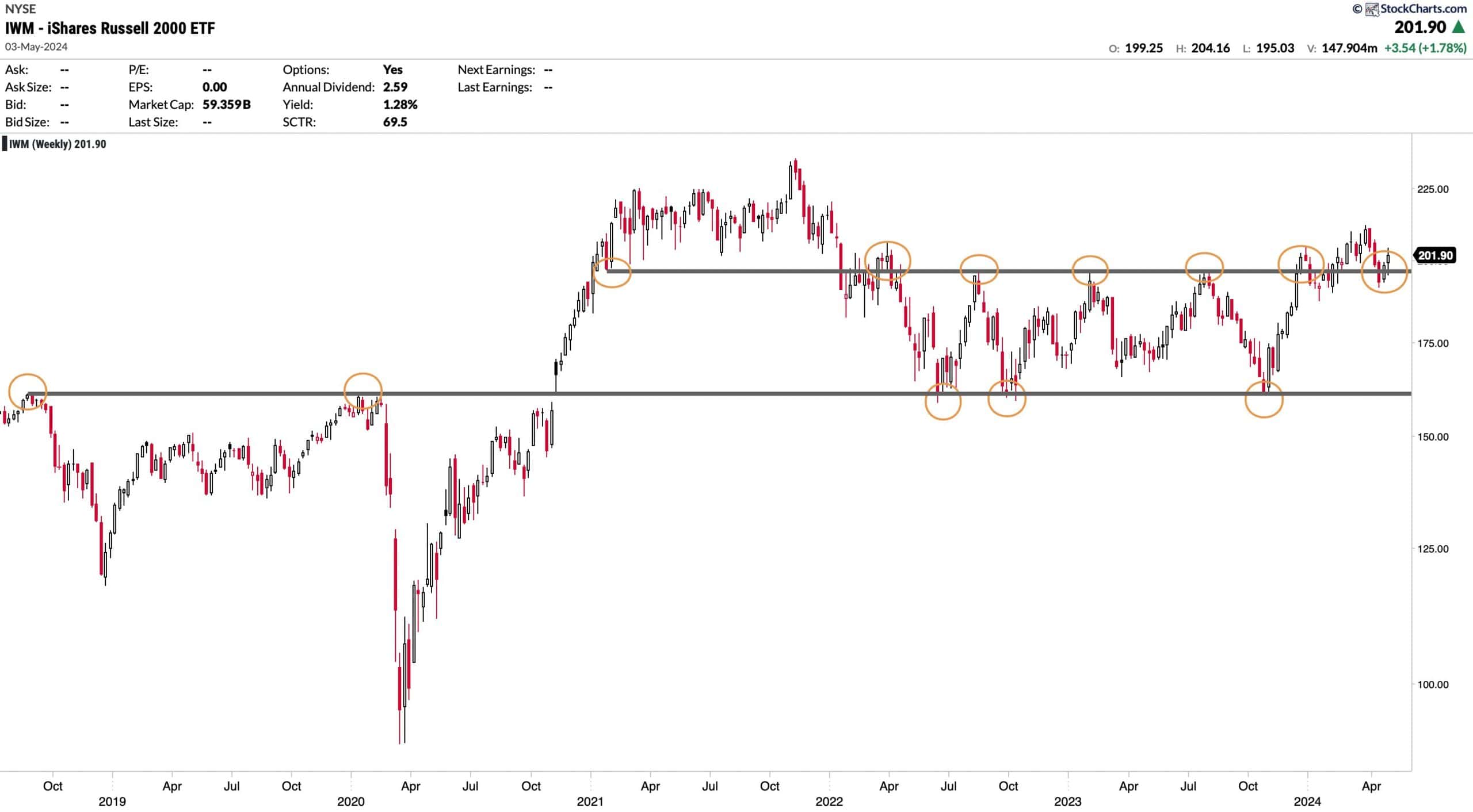
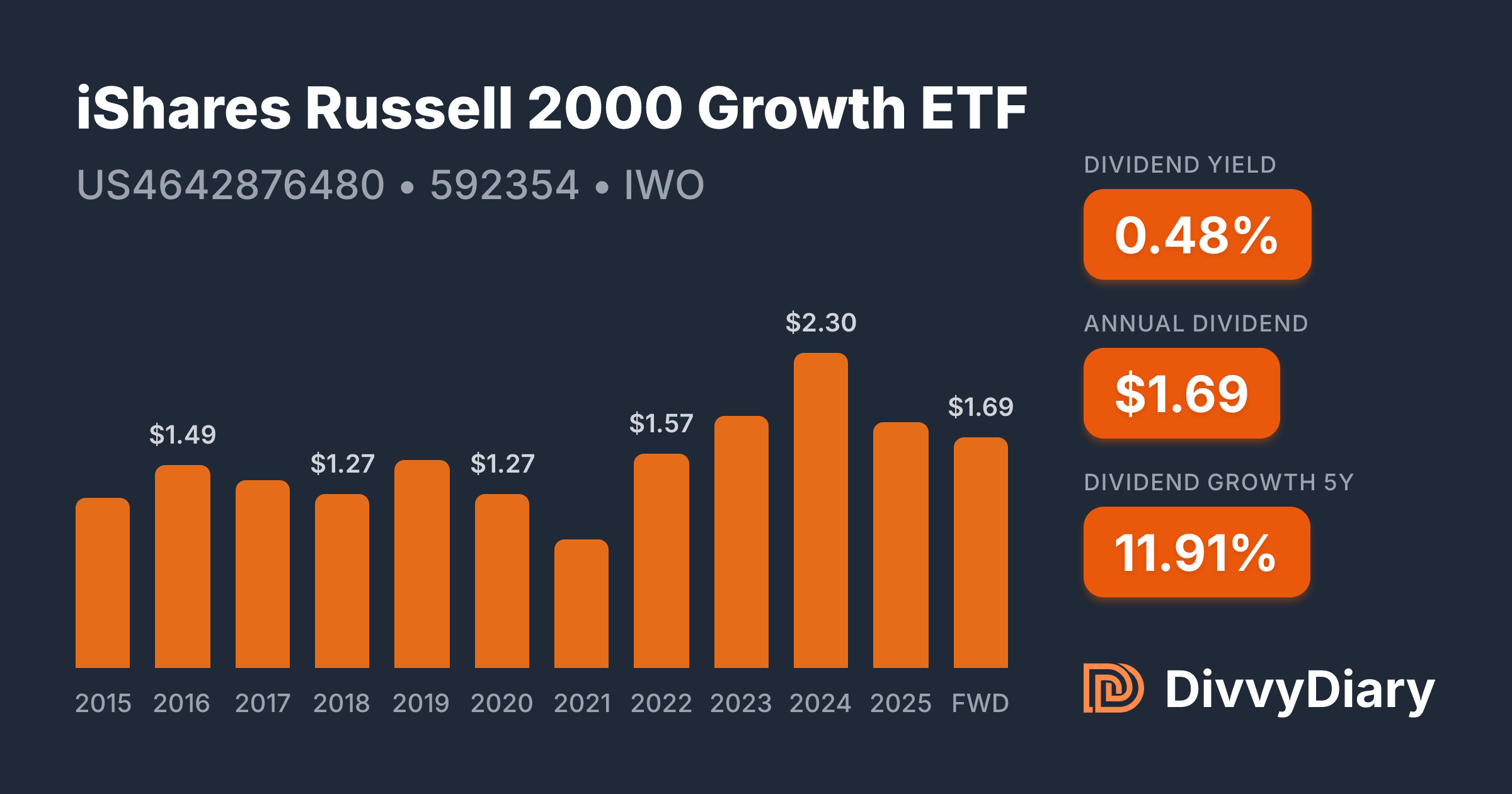
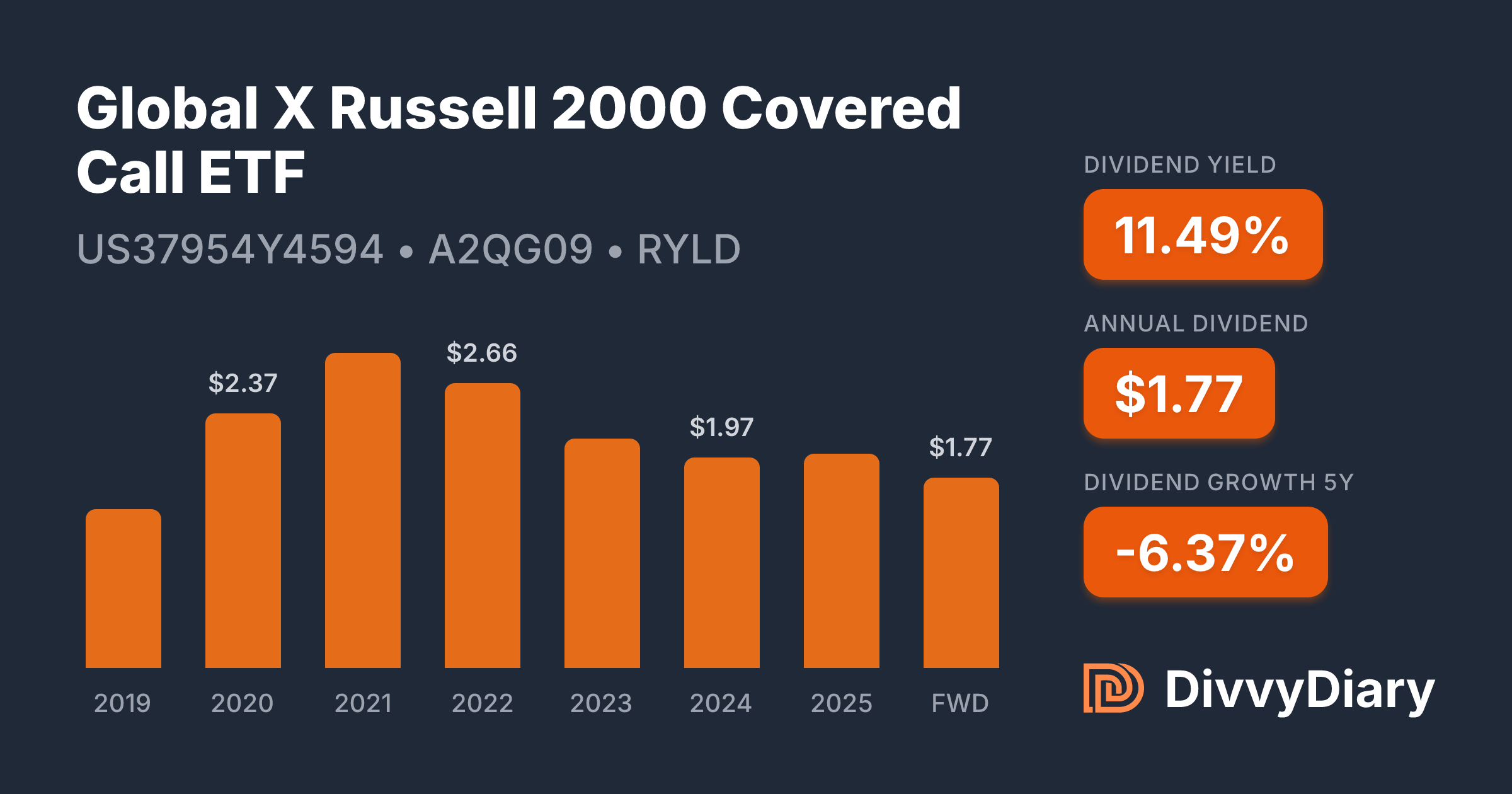
The Russell 2000 Exchange-Traded Fund (ETF) tracks the performance of the Russell 2000 Index, serving as the benchmark for measuring the market capitalization, performance, and investment potential of small-cap American companies. It provides diversified exposure to approximately 2,000 smaller publicly traded firms across diverse domestic industry sectors.
Understanding how small-cap equities function within a diversified portfolio requires a thorough look at the underlying index, fund mechanics, liquidity factors, and macroeconomic sensitivities. While large-cap indices like the S&P 500 often dominate market discussions, the small-cap segment captures a different tier of the corporate ecosystem. Investors examining these assets must evaluate not only performance histories, but also how structural costs, liquidity parameters, and index reconstitution rules impact actual returns.
This analysis explores five core aspects of the Russell 2000 ETF, breaking down index methodology, cost implications, market behavior, liquidity metrics, and portfolio integration strategies.
1. Index Methodology and Market Capitalization Focus
The foundational element of any Russell 2000 ETF is the underlying index managed by FTSE Russell. To understand the fund, one must understand how constituent companies are selected, weighted, and maintained.
The Russell 2000 Index measures the performance of the bottom 2,000 companies in the broader Russell 3000 Index, which represents approximately the 3,000 largest U.S. public companies based on total market capitalization. Consequently, the Russell 2000 operates primarily as a small-cap benchmark. The market capitalization of companies within the index typically ranges from a few hundred million dollars to several billion dollars, placing them well below the mega-cap tech giants that drive indices like the S&P 500 or the Nasdaq 100.
Unlike capitalization-weighted indices that give outsized influence to the single largest companies, the Russell 2000 is still market-cap weighted, but the absolute size of the components is much smaller. This means a company valued at $5 billion has more weight than a company valued at $500 million within the fund, but the overall concentration risk is spread differently than in large-cap counterparts.
Furthermore, the index undergoes a comprehensive reconstitution process once a year, typically in June. During this annual reconstitution, companies are evaluated against strict market capitalization thresholds and liquidity rules. Firms that have grown significantly are promoted into the Russell 1000 large-cap index, while companies that have shrunk or failed to meet criteria may fall out of the universe or shift tiers. This scheduled event often creates substantial trading volume and volatility for the individual underlying equities as institutional funds adjust their holdings to match the updated index.
2. Expense Ratios and Cost Considerations
When purchasing an exchange-traded fund, the expense ratio represents the annual fee charged by the fund manager to operate the fund. For Russell 2000 ETFs, these costs are generally low due to the passive management structure, but they warrant careful examination because small-cap investing involves higher underlying trading friction.
Because the fund simply replicates the index rather than employing active portfolio managers to research and select individual stocks, management fees remain minimal. Major asset managers offer Russell 2000 tracking products with expense ratios that are highly competitive within the equity ETF landscape. However, investors must look beyond the headline management fee to understand the total cost of ownership.
Trading costs, bid-ask spreads, and tracking error also affect overall returns. Because the Russell 2000 includes thousands of smaller companies—many of which trade lower daily share volumes than large-cap stocks—the fund manager incurs higher transaction costs when buying and selling underlying securities during rebalancing periods or in response to shareholder cash flows. These operational costs can manifest as a slight tracking error, where the ETF's performance deviates marginally from the raw index performance.
Long-term investors must weigh these structural expenses against the convenience of obtaining instantaneous, diversified exposure to thousands of small-cap companies through a single brokerage transaction.
3. Macroeconomic Sensitivity and Interest Rate Exposure
Small-cap companies exhibit distinct economic characteristics that differentiate them from multinational large-cap corporations. These operational differences make Russell 2000 ETFs uniquely sensitive to domestic macroeconomic shifts, particularly interest rates, borrowing costs, and domestic consumer strength.
Unlike large-cap firms that often generate substantial revenue streams overseas and maintain massive cash reserves, small-cap companies in the Russell 2000 frequently rely more heavily on domestic U.S. markets for their revenue. As a result, their financial health is closely tied to the domestic business cycle, consumer spending patterns, and local economic growth indicators.
Additionally, smaller companies are more likely to rely on floating-rate debt or periodic bank loans to fund their operations, R&D, and expansion initiatives, rather than issuing long-term fixed-rate corporate bonds. When interest rates rise, the cost of servicing this debt increases more rapidly for small-cap firms than for established mega-cap corporations that locked in low fixed rates during prior cycles. Consequently, Russell 2000 ETFs often show heightened volatility during periods of monetary policy tightening, while conversely experiencing strong rallies when financing conditions ease.
4. Liquidity, Trading Volume, and Market Microstructure
Evaluating an ETF requires examining both the liquidity of the fund shares trading on the secondary market and the liquidity of the underlying basket of stocks held within the trust.
On the secondary exchange, major Russell 2000 ETFs boast massive daily trading volumes, allowing institutional and retail investors to enter and exit positions rapidly with minimal price impact. Tight bid-ask spreads characterize these primary tickers, ensuring that investors do not suffer excessive slippage during normal market hours.
However, the underlying liquidity profile of the index constituents tells a more nuanced story. Many of the 2,000 constituent companies have lower average daily trading volumes compared to large-cap equities. During periods of severe market stress or systemic liquidity crunches, authorized participants and market makers may find it more challenging to buy or sell the full basket of small-cap securities efficiently. This structural friction can temporarily widen the gap between the ETF's market price and its Net Asset Value (NAV), resulting in wider intraday premiums or discounts.
Investors utilizing limit orders rather than market orders can protect themselves against temporary pricing discrepancies, particularly during market openings and closings when volatility in small-cap segments tends to peak.
5. Portfolio Diversification and Asset Allocation Role
Allocating capital to a Russell 2000 ETF serves a specific strategic purpose within a broader asset allocation framework. Understanding how small-cap equities interact with other asset classes helps investors construct resilient, balanced portfolios.
Historically, small-cap stocks have exhibited lower correlation with international equities and large-cap growth stocks over extended horizons, offering diversification benefits. When growth leadership rotates away from mega-cap technology companies toward value-oriented or economically sensitive sectors, small-cap indices often capture that market rotation.
| Attribute | Large-Cap Focus (e.g., S&P 500) | Small-Cap Focus (Russell 2000) |
|---|---|---|
| Primary Driver | Mega-cap tech, multinational earnings | Domestic U.S. economy, regional business activity |
| Debt Structure | Higher proportion of long-term fixed-rate bonds | Greater reliance on bank loans and floating-rate debt |
| Reconstitution | Continuous or periodic adjustments with high thresholds | Annual comprehensive reconstitution every June |
| Growth Potential | Mature, stable cash flows, established dividends | Higher historical growth dispersion, emerging business models |
However, this diversification comes with a trade-off: higher historical volatility. Small-cap companies experience wider price swings during drawdowns because they often possess fewer financial buffers, lower profit margins, and less access to emergency capital than their large-cap peers. Integrating a Russell 2000 ETF into a portfolio therefore requires an investor to tolerate higher short-term standard deviation in exchange for the long-term potential of emerging business models.
Frequently Asked Questions
What is the difference between the Russell 2000 Index and a Russell 2000 ETF?
The Russell 2000 Index is a theoretical statistical benchmark calculated by FTSE Russell, representing the performance of 2,000 small-cap stocks. An investor cannot buy an index directly. A Russell 2000 ETF is an actual investment fund traded on a stock exchange that holds the underlying stocks (or a representative sampling) to replicate the performance of that index.
How often are stocks added or removed from a Russell 2000 ETF?
The underlying index undergoes a complete reconstitution once a year in June, where market capitalizations are re-evaluated and companies are added or removed. However, individual Russell 2000 ETFs may experience minor daily adjustments to their exact basket holdings as fund managers manage cash inflows, dividends, and corporate actions such as mergers and acquisitions.
Are small-cap ETFs riskier than large-cap ETFs?
Generally, yes. Small-cap companies within the Russell 2000 often have less financial stability, lower profit margins, and less diversified revenue sources than mega-cap corporations. This exposes small-cap ETFs to higher price volatility, greater sensitivity to economic recessions, and sharper drawdowns during market downturns.
Do Russell 2000 ETFs pay dividends?
Yes, many constituent companies within the Russell 2000 pay dividends, and the ETF collects these distributions and passes them on to shareholders, typically on a quarterly basis. However, the overall dividend yield of a small-cap ETF is usually lower than that of large-cap value indices, as smaller companies tend to reinvest their earnings back into business growth rather than returning capital to shareholders.
Can I use a Russell 2000 ETF for international diversification?
No. The Russell 2000 is strictly a domestic U.S. equity index focused on smaller American companies. While many of these firms do conduct some business abroad, their primary operations, listings, and market capitalizations are rooted in the United States. International exposure requires dedicated ex-US or emerging market funds.
Conclusion and Next Actions
Investing in a Russell 2000 ETF provides targeted access to the small-cap segment of the U.S. economy, offering diversification benefits alongside distinct cyclical risks. Before allocating capital, investors should review their overall risk tolerance, investment horizon, and existing portfolio composition to ensure small-cap equities align with their long-term financial plan. Consulting a qualified financial advisor can help determine the appropriate sizing for small-cap allocations within a comprehensive wealth strategy.