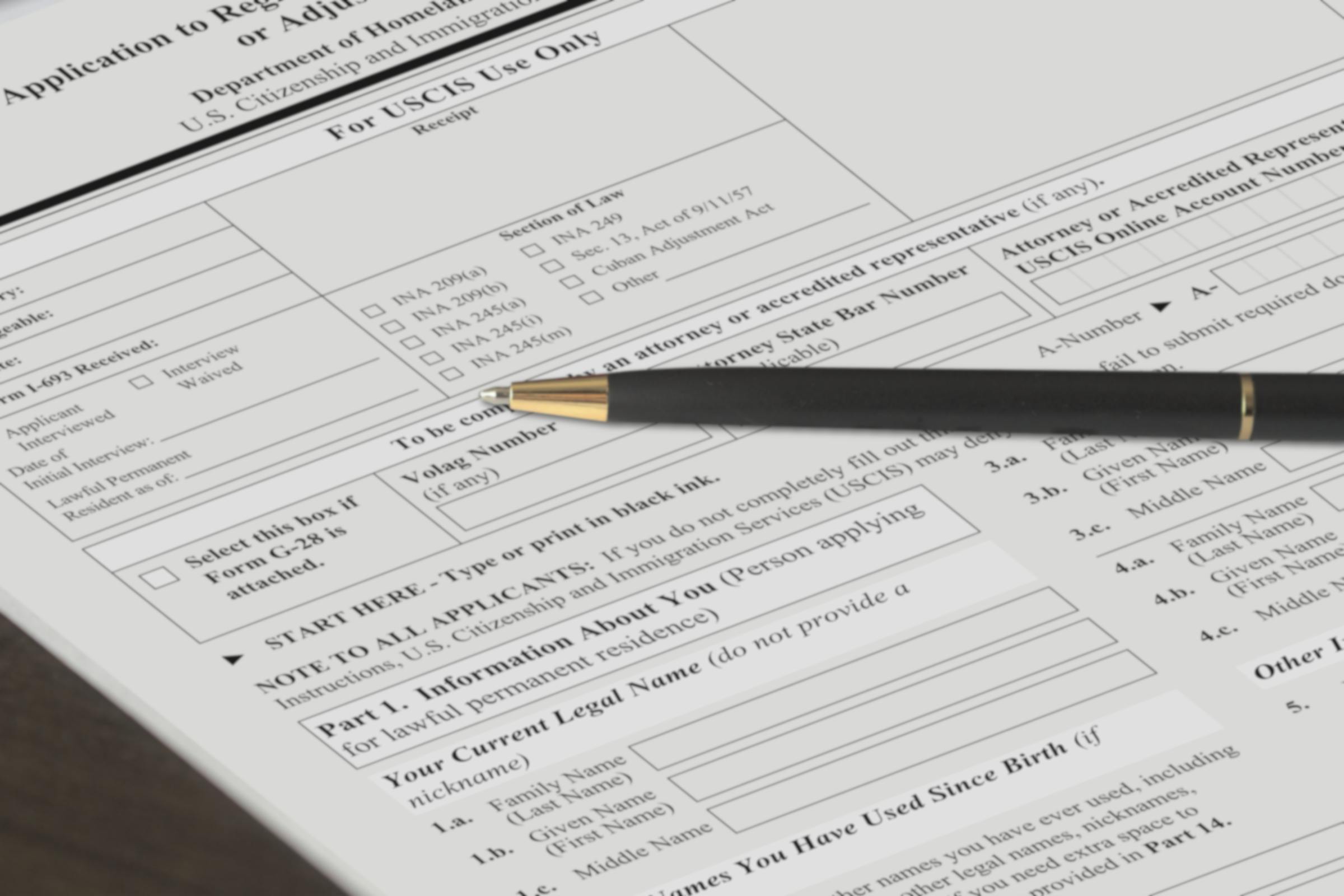
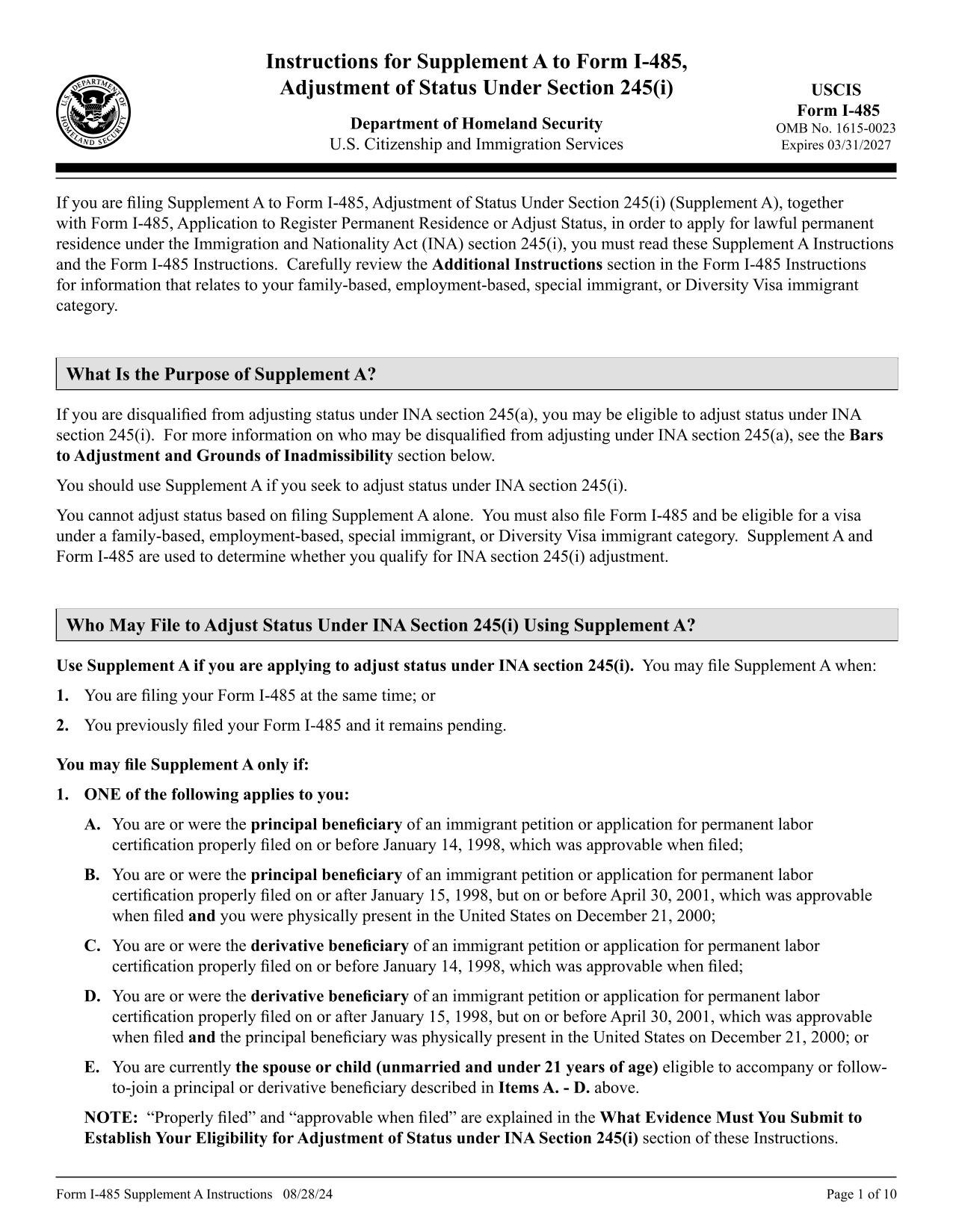
Navigating the U.S. immigration system involves understanding that Form I-485 processing times vary significantly based on your category, USCIS field office workload, and background check clearances. Applicants can better manage expectations and plan their next steps by examining historical trends, regional differences, and the factors that influence adjudication speeds.
The processing time for Form I-485, Application to Register Permanent Residence or Adjust Status, is one of the most critical metrics for individuals seeking lawful permanent residency in the United States. Whether you are applying through an employment-based preference category, a family-sponsored petition, or humanitarian avenues such as asylum or refugee status, the timeline from filing to final adjudication can span anywhere from several months to multiple years. Because immigration benefits carry profound legal, professional, and personal implications, understanding the underlying mechanics of these processing timelines is essential for applicants and legal practitioners alike.
In the immigration landscape, processing times are not static numbers guaranteed to every applicant. Instead, they represent dynamic averages, shifting regularly based on operational capacity, policy shifts, legislative changes, and application volumes at specific government service centers and local field offices. To provide clarity, this analysis breaks down five foundational facts about Form I-485 adjustment of status processing times, exploring how they are calculated, what causes delays, and how applicants can monitor their cases effectively.
1. Processing Times Vary Widely by Category and Service Location
The single most influential factor governing how long your Form I-485 will take to process is the underlying immigration category under which you file. The United States Citizenship and Immigration Services (USCIS) separates applications into distinct buckets, each routed to different service centers or local field offices.
For instance, employment-based adjustment of status applications (such as EB-1, EB-2, and EB-3) are typically processed by specialized national service centers like the Nebraska Service Center or the Texas Service Center. Conversely, family-based adjustment of status applications (such as those filed by immediate relatives of U.S. citizens) generally require an in-person interview at a local USCIS field office, routing the physical file closer to the applicant’s place of residence. Humanitarian applications, such as those filed by U-visa holders, asylees, or refugees, follow entirely separate processing pipelines managed by specialized processing units.
Furthermore, geographic jurisdiction plays a massive role. A local USCIS field office in a densely populated metropolitan area—such as New York City, Miami, or Los Angeles—often faces a substantially higher volume of pending applications compared to a field office in a smaller jurisdiction. Consequently, an applicant living in a high-volume district may experience a significantly longer wait time for interview scheduling and final approval than an applicant filing under the exact same category in a low-volume district.
2. USCIS Publishes Estimated Timelines, But They Are Historical Averages
Many applicants make the mistake of treating the processing times published on the official USCIS website as hard deadlines or precise predictions for their individual cases. In reality, the processing times displayed on government portals are historical estimates based on data from completed cases over the previous several months.
USCIS calculates these estimates using a median completion time frame. Specifically, the agency looks at the time it took to complete 80 percent of adjudicated cases over a specific past period. For example, if a field office processed 80 percent of family-based I-485 applications within 10 to 14 months during the previous reporting quarter, that range will be published as the current processing time for that office.
Because these figures look backward rather than forward, they cannot account for sudden surges in incoming applications, staffing shortages, or shifting policy priorities. An applicant whose case is straightforward might be adjudicated well before the lower end of the historical average, while an applicant with complex background issues could find their case resting far beyond the upper end of the timeframe without necessarily being classified as "outside normal processing times."
| Category / Filing Type | Primary Adjudication Venue | Typical Processing Factors |
|---|---|---|
| Family-Based (Immediate Relative) | Local USCIS Field Office | Requires in-person interview; local office workloads heavily dictate speed. |
| Employment-Based (EB-1, EB-2, EB-3) | National Service Centers (TSC/NSC) | Interview often waived; relies heavily on visa bulletin availability. |
| Asylee / Refugee Adjustment | Specialized Refugee Centers | Requires proof of physical presence and continuous status verification. |
| Diversity Visa Lottery Adjustment | National / Local Mixed Pipeline | Must be adjudicated before the end of the specific fiscal year. |
3. The Visa Bulletin and Priority Dates Directly Control Employment and Family-Based Timelines
Even if a petitioner's Form I-485 is structurally complete and sitting on an adjudicator's desk, final approval cannot be granted unless an immigrant visa number is immediately available. This requirement ties adjustment of status processing times directly to the Department of State's monthly Visa Bulletin.
Congress places annual numerical limits on most immigrant visa categories, divided by preference class and country of chargeability (typically the applicant’s country of birth). When demand for visas in a specific category exceeds the supply, a backlog forms, creating a cut-off date known as the "priority date."
- Current Status: If an applicant’s priority date is earlier than the cut-off date listed in the Visa Bulletin for their category and country, their visa is considered "current," and USCIS can approve the I-485.
- Retrogression and Backlogs: If visa numbers run out for a fiscal year, the cut-off dates in the Visa Bulletin may move backward ("retrogression"), instantly freezing the ability of USCIS to approve pending I-485 applications regardless of how fast the background checks were completed.
Therefore, an applicant may experience swift initial processing steps—such as biometrics collection and medical exam submission—only to see their case stall indefinitely while waiting for their priority date to become current.
4. Requests for Evidence (RFEs) and Security Checks Are the Most Common Causes of Delays
When an adjustment of status application takes longer than expected, the delay is frequently attributable to two operational bottlenecks: Requests for Evidence (RFEs) and mandatory background security clearances.
USCIS adjudicators issue an RFE when an application package lacks required documentation, such as expired medical examinations (Form I-693), missing tax transcripts, or inadequate proof of lawful entry. Receiving an RFE pauses the processing clock entirely. The timeline stops ticking on the day the officer drafts the notice and does not resume until USCIS receives a properly compiled response from the applicant. Failing to respond within the designated window (typically 87 days, plus standard mailing allowances) results in outright application denial.
Simultaneously, background and security checks conducted by external federal agencies—including the Federal Bureau of Investigation (FBI) and other law enforcement bodies—must clear before an I-485 can be approved. While standard name and fingerprint checks (biometrics) clear quickly for most applicants, secondary security clearances, name-check hits, or administrative processing can introduce months or even years of unexpected delays. USCIS has limited direct control over the speed at which external agencies clear these security protocols.
5. You Can Take Proactive Steps to Monitor and Inquire About Your Case Status
While applicants cannot unilaterally force USCIS to accelerate an adjudication, several formal mechanisms exist to track processing health and intervene when a case experiences abnormal delays.
- Online Account Tracking: Creating and maintaining an official USCIS online account allows applicants to track real-time milestone updates, view digital copies of notices, and respond electronically to certain RFEs.
- Checking Normal Processing Times Tool: USCIS provides an interactive online tool allowing users to input their specific form type, category, and receiving office to determine the exact threshold for when a case is considered "outside normal processing times."
- Submitting an "Outside Normal Processing Times" Inquiry: If an application has been pending longer than the current published historical processing threshold for that specific office, the applicant or their legal representative can submit an e-request via the USCIS portal to prompt a status review.
- Infopass and Congressional Assistance: In extreme or urgent situations, applicants can schedule an appointment through the USCIS contact center or reach out to their local U.S. Representative or Senator to request a congressional inquiry on delayed federal agency actions.
Disclaimer: Immigration laws and processing procedures are subject to frequent administrative updates. Applicants navigating complex adjustment of status cases should consult with a qualified, licensed immigration attorney to ensure compliance with current regulatory standards.
Frequently Asked Questions
Can I expedite my Form I-485 processing time?
Yes, USCIS allows applicants to request expedited processing under specific, narrow criteria, such as severe financial loss to a company or person, urgent humanitarian reasons, or compelling U.S. government interests. However, approval of expedite requests for Form I-485 is granted sparingly, and employment-based applicants traditionally rely on premium processing for underlying petitions (like Form I-140) rather than the I-485 itself.
Does filing Form I-485 give me legal status while it is pending?
Yes, filing a properly formatted Form I-485 places you in a period of authorized stay while the application is pending. You cannot accrue unlawful presence during this time. Additionally, you are eligible to apply for employment authorization (Form I-765) and advance parole for international travel (Form I-131) while your adjustment application is being reviewed.
What happens to my processing time if I move to a different state?
Moving to a new residential address while your I-485 is pending requires you to notify USCIS within 10 days of relocation by filing Form AR-11 and updating your profile. If your case is at a local field office requiring an interview, your file will be transferred to the new local jurisdiction, which often resets your place in the processing queue and can alter your overall timeline.
Why do some people get their green cards in 6 months while others wait 3 years?
The massive disparity in processing times is driven by a combination of variables, including the specific visa category, whether a local interview is required, the volume of cases at the specific servicing office, whether the applicant received an RFE, and whether the applicant's priority date remained continuously current throughout the adjudication cycle.
How do I know if my case is officially outside normal processing times?
You can visit the official USCIS Processing Times webpage, select Form I-485, select your specific category and filing location, and enter your receipt date. The tool will calculate whether your filing date has surpassed the current processing threshold, allowing you to legally submit an inquiry service request directly to the agency.
Monitoring historical averages, maintaining continuous priority date eligibility, and responding promptly to any government inquiries remain the most effective strategies for navigating Form I-485 adjustment of status processing times. Keep your documentation organized, track your case milestones proactively, and seek professional legal counsel when encountering complex processing roadblocks.