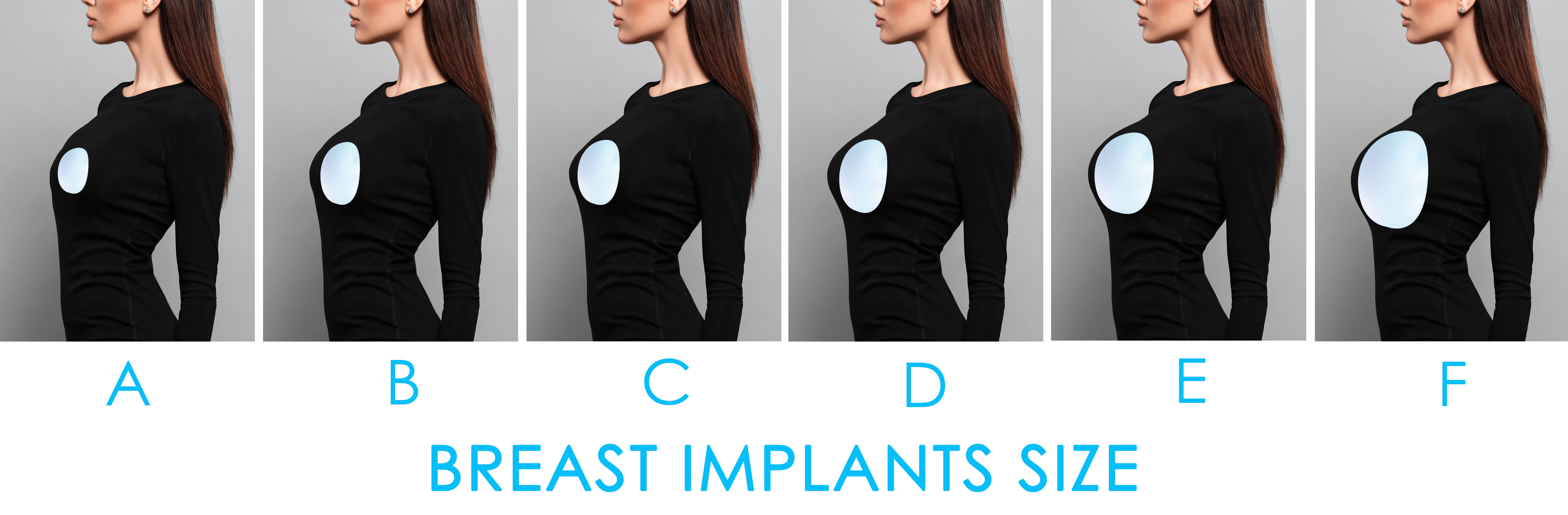
Deciding to undergo elective plastic surgery is a deeply personal choice, yet evaluating procedures like breast augmentation requires a clear-eyed look at potential long-term medical complications, maintenance realities, and psychological factors. While millions of people pursue these procedures annually for reconstruction or cosmetic enhancement, regulatory agencies, medical boards, and specialized plastic surgeons emphasize that implants are not lifetime devices and come with a comprehensive profile of risks. Exploring the reasons not to get breast implants provides prospective patients with the balanced perspective necessary to weigh cosmetic goals against enduring health and lifestyle realities.
Understanding the Scope of Breast Implants
Before examining specific drawbacks, it is helpful to establish what breast implants are and how they function. Breast implants are medical prostheses inserted beneath the breast tissue or chest muscle to increase breast size, restore volume after weight loss or pregnancy, or reconstruct the breast following a mastectomy. They are broadly categorized by their filling material—silicone gel or saline—and their shell texture, which can be smooth or textured.
Despite technological advancements over the decades, medical consensus consistently maintains that implants carry a cumulative lifetime risk of complications. Regulatory bodies like the U.S. Food and Drug Administration (FDA) mandate boxed warnings for breast implants, highlighting risks such as breast implant-associated anaplastic large cell lymphoma (BIA-ALCL), systemic symptoms often referred to as breast implant illness, and the high probability of needing additional surgeries over time.
Disclaimer: The following information is for educational purposes and does not constitute medical advice. Anyone considering breast surgery should consult with a board-certified plastic surgeon and review official guidance from health authorities.
Structural and Mechanical Complications
The physical presence of a foreign body in the chest cavity introduces several mechanical vulnerabilities that can manifest weeks, months, or years after the initial operation.
- Capsular Contracture: This occurs when scar tissue forms tightly around the implant, squeezing it and causing the breast to become firm, distorted, or painful. It is one of the most common reasons for revision surgery.
- Implant Rupture: Silicone gel or saline containers can tear or rupture. While saline deflation is immediately obvious due to rapid volume loss, silicone gel ruptures are often "silent," requiring magnetic resonance imaging (MRI) for detection.
- Silicone Gel Bleed: Microscopic amounts of silicone gel can occasionally seep through the elastomer shell into surrounding tissues, even without a complete rupture.
- Implant Leakage or Deflation: Gradual loss of volume can alter breast symmetry and shape, necessitating replacement procedures.
- Rotation or Displacement: Implants, particularly anatomical or textured styles, can shift, flip, or rotate inside the pocket, creating an unnatural appearance.
- Bottoming Out: The implant slips too low on the chest wall, dropping below the natural inframammary fold.
- Symmastia: A condition where the pockets for the implants merge in the middle of the chest, creating a "uniboob" appearance due to the separation tissue being compromised.
- Visible Rippling: Wrinkles or ripples in the implant shell or filling can become visible or palpable beneath the skin, especially in patients with thin natural breast tissue.
- Extrusion: In rare cases of poor healing, infection, or wound dehiscence, the implant can push through the skin incision.
- Chest Wall Deformity: Long-term pressure from large implants can sometimes lead to localized indentation or changes in the underlying ribs and chest wall structure, particularly in younger patients.
Health Risks and Systemic Conditions
Beyond mechanical failure, implants can trigger local inflammatory responses and systemic health issues that impact overall well-being.
- Breast Implant-Associated Anaplastic Large Cell Lymphoma (BIA-ALCL): A rare type of non-Hodgkin's lymphoma that can develop in the scar capsule surrounding textured breast implants.
- Breast Implant Illness (BII): A collection of systemic symptoms—including chronic fatigue, joint pain, brain fog, hair loss, and rashes—reported by patients who attribute them to their implants.
- Interference with Mammography: Implants obscure standard mammogram views, requiring specialized imaging techniques (Eklund views) and more time to screen for breast cancer effectively.
- Delayed Cancer Detection: Dense scar tissue or implant placement can occasionally mask early-stage lumps or tumors, potentially delaying diagnosis.
- Chronic Pain: Persistent neuralgia, aching, or tightness in the chest, back, and shoulders resulting from the added weight and nerve disruption.
- Nerve Damage: Temporary or permanent loss of sensation, numbness, or hypersensitivity in the nipples, areolas, or surrounding skin.
- Lactation Challenges: Surgical incisions around the areola or deep dissection can damage milk ducts and nerves, impairing the ability to breastfeed successfully.
- Tissue Atrophy: Long-term pressure from implants can thin out the natural overlying breast tissue and muscle, worsening native appearance if implants are later removed.
- Autoimmune Flare-Ups: Some individuals with a genetic predisposition report exacerbations of autoimmune conditions following implant placement.
- Chronic Inflammation: The body’s continuous foreign-body response can maintain a low-grade state of chronic inflammation.
Surgical and Recovery Challenges
The path to achieving a desired cosmetic outcome involves invasive surgery, anesthesia risks, and a demanding recovery period.
- Anesthesia Complications: General anesthesia carries inherent risks, ranging from nausea and allergic reactions to rare, severe cardiopulmonary events.
- Postoperative Hematoma: Accumulation of blood within the surgical pocket that requires emergency drainage or surgical evacuation.
- Seroma Formation: A buildup of clear fluid around the implant that may need repeated needle aspirations or surgical drains.
- Infection: Bacterial contamination can lead to acute localized infections or systemic illness, frequently requiring implant removal if antibiotics fail.
- Wound Dehiscence: Surgical incisions failing to close properly, leading to gaping wounds and prolonged healing times.
- Necrosis: Death of skin or fat tissue around the incision lines or nipple-areola complex due to compromised blood supply.
- Hypertrophic Scaring or Keloids: Abnormal, raised, or discolored scars that can be painful, itchy, or cosmetically distressing.
- Prolonged Recovery Time: Inability to lift heavy objects, exercise, or perform routine daily activities for weeks following the procedure.
- Asymmetry: Minor or major discrepancies in height, shape, volume, or placement between the left and right breasts that cannot be entirely prevented.
- Unsatisfactory Aesthetic Outcome: The final visual result may not align with the patient's mental expectations, leading to distress and a desire for corrective intervention.
Financial and Maintenance Realities
Implants are not a "one-and-done" investment; they require a lifetime commitment of financial resources and clinical oversight.
| Consideration | Initial Surgery | Long-Term Maintenance |
|---|---|---|
| Financial Cost | High upfront surgeon, facility, and anesthesia fees. | Ongoing costs for MRIs, revisions, and replacements. |
| Time Investment | Initial weeks of recovery and follow-up appointments. | Periodic imaging, doctor visits, and potential revision surgeries. |
| Lifespan | Expected to degrade or require intervention over decades. | High probability of replacement within 10 to 15 years. |
| Insurance Coverage | Rarely covered for elective cosmetic enhancement. | Revision surgeries for complications are often out-of-pocket expenses. |
- High Initial Cost: Cosmetic procedures require substantial upfront capital for surgical teams, operating rooms, and the devices themselves.
- Revision Surgery Expenses: Because implants have a limited lifespan, patients must budget for eventual removal, replacement, or corrective procedures.
- Routine MRI Monitoring: The FDA recommends routine MRIs for silicone gel implants starting at 5 to 6 years post-surgery and every 2 to 3 years thereafter to check for silent ruptures, adding significant diagnostic costs.
- Lack of Insurance Coverage: Health insurance policies typically do not cover elective cosmetic breast augmentations or subsequent revision surgeries necessitated by elective complications.
- Loss of Income During Recovery: Taking time off work for surgery and recovery results in lost wages for many patients.
- Specialized Undergarment Costs: Postoperative surgical bras, compression garments, and restricted wire-free bras add ongoing incidental expenses.
Psychological and Lifestyle Limitations
The emotional and physical adjustments required after getting breast implants can fundamentally alter daily routines and self-perception.
- Body Dysmorphia Risks: Undergoing cosmetic surgery does not cure underlying psychological distress; dissatisfaction often persists, shifting to other perceived flaws.
- Social Stigma: Some individuals experience unwanted judgment, stereotyping, or social pressure regarding their physical changes.
- Exercise Restrictions: High-impact workouts, heavy weightlifting, and certain upper-body routines may need to be permanently modified to protect implant positioning.
- Clothing Fit Complications: Finding clothes, swimsuits, and formal wear that accommodate altered proportions can become challenging.
- Travel and Security Scrutiny: While rare, physical changes or scar tissue can occasionally prompt additional screening during medical or security evaluations.
- Long-Term Mental Burden: The constant underlying awareness of carrying medical devices and monitoring for potential complications can create chronic anxiety.
- Future Revision Fatigue: The psychological toll of facing multiple surgeries over a lifetime to maintain or correct implant issues.
- Impact on Intimacy: Physical changes, altered sensitivity, or surgical scars can temporarily or permanently affect body confidence and intimate relationships.
- Difficult Explant Decisions: Choosing to remove implants later in life can involve difficult adjustments to a deflated or altered natural breast appearance.
- Regret: A significant percentage of patients ultimately report regret over undertaking an elective surgical path with permanent physiological consequences.
- Changing Trends: Cultural beauty standards evolve rapidly, whereas surgical alterations are difficult and costly to reverse.
- Irreversibility of Native Tissue Loss: Once natural breast tissue is stretched, compressed, or excised during surgical interventions, returning to the exact pre-surgical baseline is rarely possible without extensive secondary procedures.
Frequently Asked Questions
Are breast implants designed to last a lifetime?
No, breast implants are not lifetime devices. Most manufacturers and medical boards state that implants have a finite lifespan. The majority of patients will require revision surgery to remove, replace, or repair their implants within 10 to 15 years due to normal wear, tear, or complications.
What is "breast implant illness" (BII)?
Breast implant illness is a term used by patients to describe a wide variety of systemic symptoms—such as fatigue, cognitive impairment, joint pain, and skin rashes—that they experience after receiving breast implants. While its exact medical mechanism is still under study by health authorities, many patients report symptom improvement after explant surgery.
Can breast implants interfere with getting a mammogram?
Yes. Implants can obscure native breast tissue during standard mammography, which can make it harder to detect abnormalities. Radiologists must use specialized displacement views, known as Eklund views, and patients should always inform their imaging technicians that they have implants.
Do saline and silicone implants carry the same risks?
They share many surgical and mechanical risks, but they differ in specific ways. Saline implants deflate visibly and rapidly if ruptured, whereas silicone gel implants can rupture silently, requiring MRI scans for detection. Both carry risks of capsular contracture and infection.
What happens if I decide to remove my implants later?
Removing implants, known as an explant procedure, is a separate surgery. Depending on how much the natural tissue was stretched or altered, patients may require a breast lift (mastopexy) or fat grafting to restore volume and skin tightness, as natural breasts may appear deflated or changed.
Next Actions and Expert Guidance
For anyone currently weighing the choice to undergo breast augmentation, the most prudent next step is to slow down the decision-making process. Consult with multiple board-certified plastic surgeons who are transparent about the full spectrum of potential complications—not just the aesthetic outcomes. Review detailed, unbiased educational resources from independent health agencies and consider speaking with individuals who have chosen to undergo explant surgery. Prioritizing long-term health, anatomical integrity, and psychological well-being ensures that any choice made is fully informed and sustainable for decades to come.