In 2026, the four leading Behind-the-Ear (BTE) hearing aids are the Phonak Infinio Sphere, Oticon Intent, Starkey Genesis AI, and ReSound Nexia. These devices define the current market through integrated Artificial Intelligence, real-time neural noise suppression, 4D motion sensors, and universal connectivity via Bluetooth LE Audio and Auracast, catering to mild through profound hearing losses.
The Evolution of Behind-the-Ear Technology in 2026
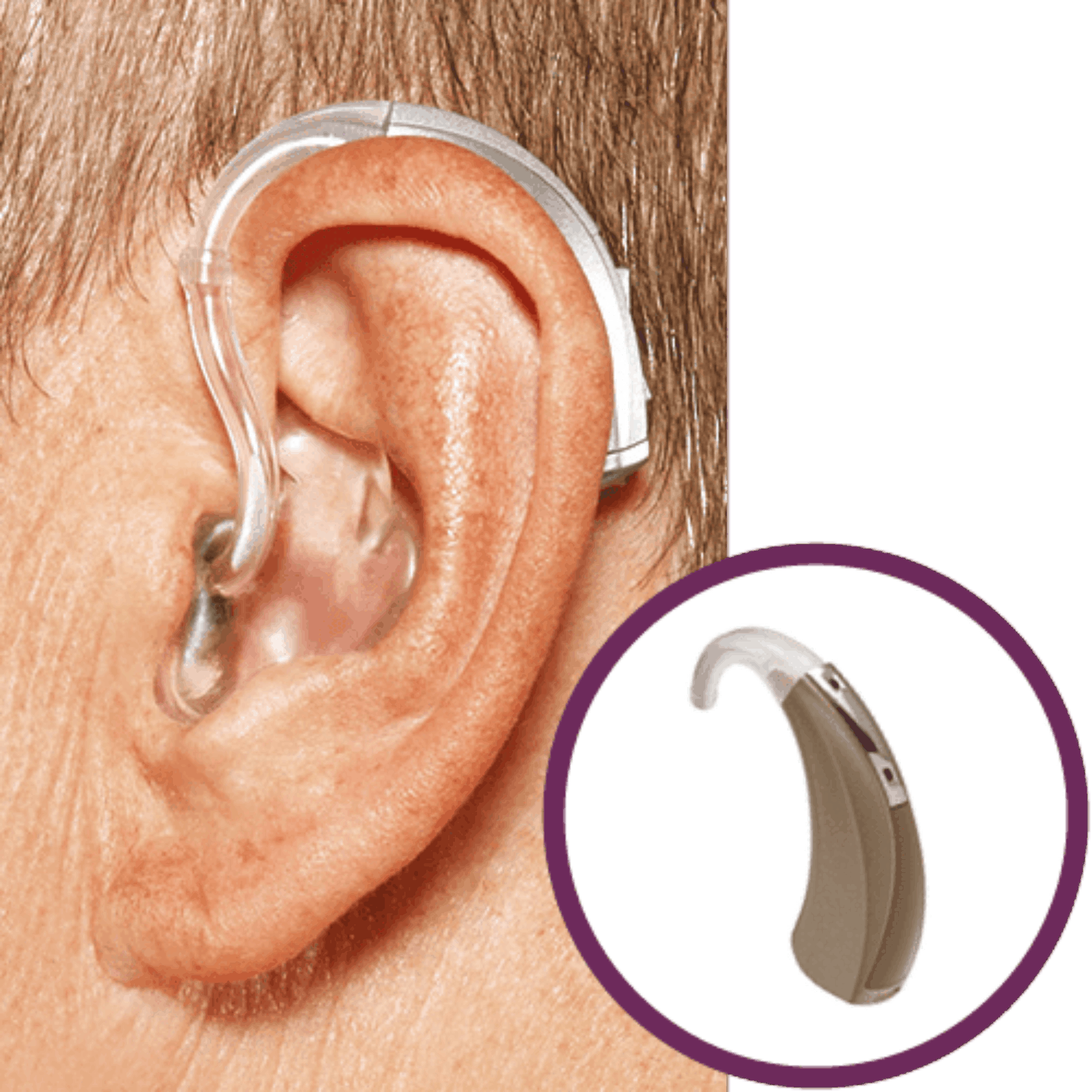
The landscape of hearing health has undergone a radical transformation over the last two years. As we move through 2026, the traditional distinction between "amplifiers" and "hearing aids" has vanished, replaced by sophisticated "wearable auditory computers." Behind-the-Ear (BTE) models, including their popular Receiver-in-Canal (RIC) variants, remain the gold standard for patients seeking a balance between power, battery longevity, and advanced processing.
The primary driver of innovation in 2026 is the implementation of dedicated AI chips. Unlike the general-purpose processors of the early 2020s, today’s flagship models utilize Deep Neural Networks (DNN) and real-time noise separation engines. These systems do not merely "turn down" background noise; they identify and isolate individual speech streams, allowing users to focus on a single voice in a crowded restaurant—a feat once considered the "Holy Grail" of audiology.
Furthermore, the 2026 standard for connectivity has shifted entirely to Bluetooth LE (Low Energy) Audio. This allows for higher fidelity sound with significantly lower battery drain. The inclusion of Auracast broadcast audio is now a mandatory feature for any top-tier device, enabling users to tune directly into public address systems in airports, theaters, and lecture halls without the need for cumbersome neck loops or specialized receivers.
1. Phonak Infinio Sphere: The AI Processing Powerhouse
The Phonak Infinio Sphere represents a paradigm shift in how hearing aids handle complex acoustic environments. Central to its success in 2026 is the DEEPSONIC chip, the industry’s first dedicated real-time AI sound processing unit.
Real-Time Speech Isolation
While previous generations of hearing aids utilized directional microphones to focus on what was in front of the wearer, the Infinio Sphere uses its neural network to create a "spherical" map of the environment. The DEEPSONIC chip is trained on millions of sound samples, allowing it to distinguish between the harmonic structure of human speech and the chaotic waveforms of background noise. In 2026, this technology provides a verified 10dB improvement in speech-in-noise SNR (Signal-to-Noise Ratio), which is the difference between participating in a conversation and being left out.
Technical Architecture
The Infinio Sphere is designed for those with moderate to profound hearing loss. It utilizes a slightly larger chassis to accommodate the massive computational power required for its AI engine. However, the ergonomic design ensures it remains discreet behind the pinna. It supports "Universal Connectivity," meaning it can pair with virtually any Bluetooth-enabled device—not just iPhones and select Androids—making it the most versatile option for users with diverse tech ecosystems.
2. Oticon Intent: The Sensor-Driven Specialist
Oticon has doubled down on its "BrainHearing" philosophy in 2026 with the Oticon Intent. This device is unique because it incorporates 4D Sensor technology, which monitors the wearer's physical intent to determine how the hearing aid should behave.
Understanding User Intent
Standard hearing aids assume that if your head is facing forward, you want to hear what is in front of you. The Oticon Intent recognizes that human communication is more complex. By integrating sensors that track head movement, body motion, and the acoustic environment, the Intent can predict whether you are walking down a street (requiring environmental awareness) or leaning in to hear a secret (requiring tight focus).
The Sirius Platform
Powered by the Sirius platform, the Intent utilizes a second-generation Deep Neural Network (DNN 2.0). This system mimics the way the human brain processes sound, emphasizing the "sound scene" rather than just the primary speaker. This provides a more natural, open-sound experience that reduces the cognitive load on the wearer. For users who suffer from "listening fatigue" by the end of the day, the Oticon Intent is often the recommended clinical choice.
3. Starkey Genesis AI: The Longevity and Wellness Leader
Starkey continues to dominate the "Healthable" segment of the market in 2026. The Starkey Genesis AI is not just a hearing aid; it is a sophisticated health-tracking device designed for maximum durability and uptime.
Unmatched Battery Performance
One of the primary concerns for BTE users is battery life, especially when streaming audio. The Genesis AI leads the 2026 market with a staggering 51 hours of use on a single charge. This longevity is achieved through the Neuro Sound Technology platform, which utilizes an ultra-efficient processor that mimics the function of the human cerebral cortex. Even with heavy Bluetooth streaming, most users can go two full days without needing to return the devices to their charger.
Integrated Health Monitoring
The Genesis AI features high-precision integrated sensors that track physical activity, social engagement, and even falls. In 2026, the fall detection algorithm has reached 99% accuracy, automatically alerting emergency contacts with the wearer’s GPS location if a tumble occurs. This makes the Genesis AI an essential tool for older adults living independently who want to maintain their safety while improving their auditory health.
4. ReSound Nexia: The Connectivity and Miniaturization Pioneer
ReSound has long been a leader in connectivity, and the Nexia remains the most "future-proof" BTE device in 2026. It was the first to fully embrace Auracast, and its implementation remains the most seamless in the industry.
The Smallest BTE Footprint
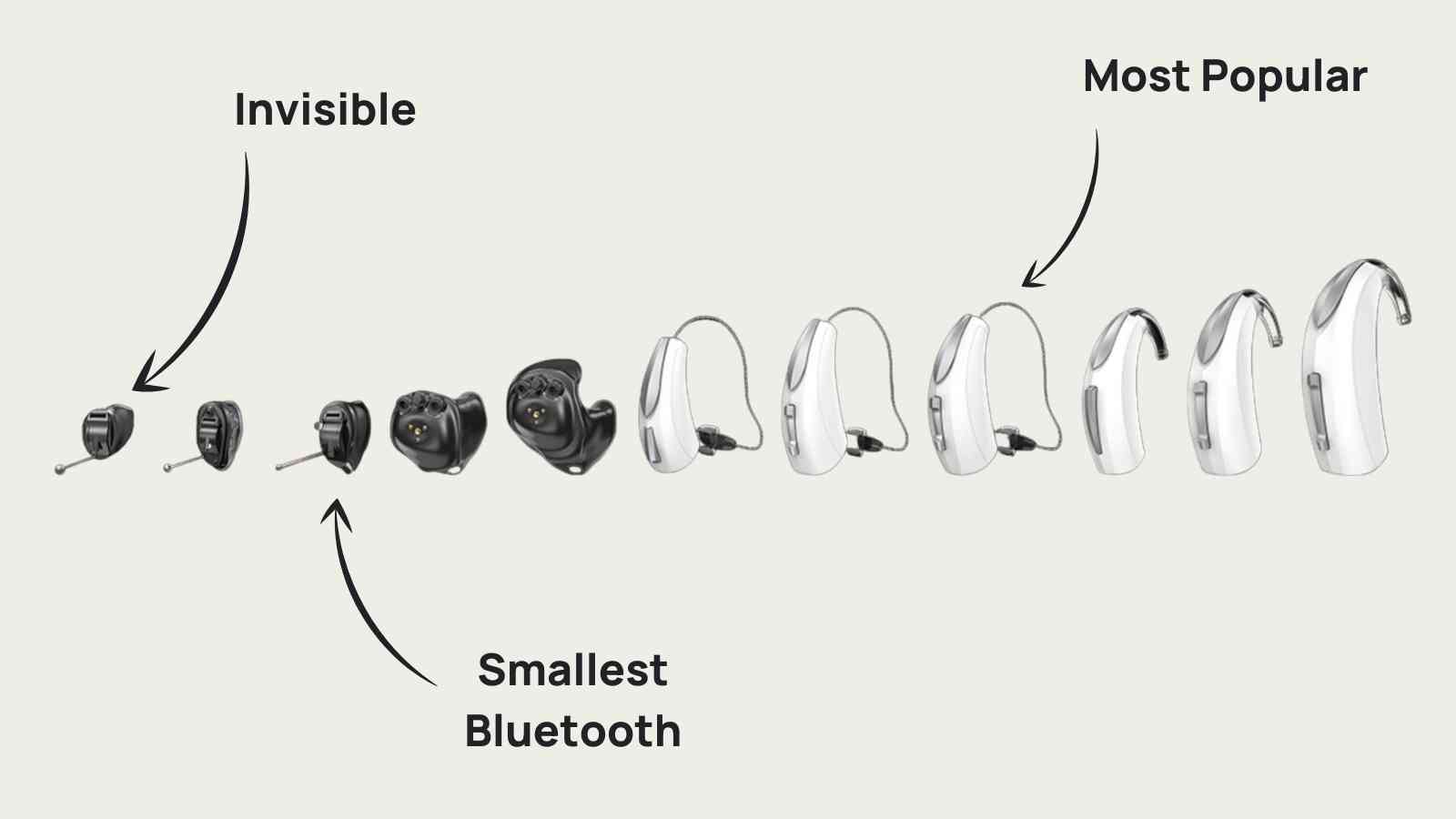
The Nexia is notably smaller than the Phonak or Starkey models. ReSound achieved this through a highly integrated chipset that minimizes the physical space required for components. For users concerned with the aesthetics of wearing a hearing aid, the Nexia offers a "Micro-BTE" form factor that is virtually invisible from most angles, yet still packs enough power to support severe hearing losses.
Auracast Integration
In 2026, Auracast is becoming ubiquitous in public spaces. The ReSound Nexia features a dedicated "Tap-to-Join" function. When a user enters a venue with an Auracast broadcast, a gentle notification plays in the ear, and a simple double-tap on the device or a swipe on the smartphone app connects them to the audio stream. This direct-to-ear broadcasting eliminates the interference and echo commonly found in large acoustic spaces.
Technical Comparison of 2026 Flagship BTE Models
The following table compares the critical technical specifications of these four devices to assist in the decision-making process.
| Feature | Phonak Infinio Sphere | Oticon Intent | Starkey Genesis AI | ReSound Nexia |
|---|---|---|---|---|
| Primary AI Tech | DEEPSONIC Real-Time AI | 4D Sensor / DNN 2.0 | Neuro Sound Processor | Organic Hearing AI |
| Battery Life | 24 Hours | 24 Hours | 51 Hours | 30 Hours |
| Connectivity | Bluetooth Classic & LE | Bluetooth LE / Auracast | Bluetooth LE / Auracast | Bluetooth LE / Auracast |
| Best For | Extreme Noise | Natural Soundscapes | Health & Battery | Size & Connectivity |
| Water Resistance | IP68 (Waterproof) | IP68 | IP68 (ProShield) | IP68 |
| Fitting Range | Mild to Profound | Mild to Severe | Mild to Profound | Mild to Severe |
| Special Feature | Real-time Noise Isolation | Motion Sensor Intent | Fall Detection & Alerts | Smallest Micro-BTE |
Connectivity and the Role of Auracast in 2026
By 2026, the standard for hearing aid connectivity has transitioned from proprietary streaming protocols to the universal Bluetooth LE Audio standard. This shift is significant because it allows hearing aids to interact with a wider array of consumer electronics—smart TVs, gym equipment, and laptops—without the need for intermediate "streamers" or "bridges."
Auracast is the broadcast mode of Bluetooth LE Audio. In the context of BTE hearing aids, it serves as a modern replacement for the telecoil. Unlike the telecoil, which requires an induction loop installed in the floor or walls, Auracast sends a digital signal over the air. The four devices compared here all support Auracast, though the ReSound Nexia and Oticon Intent offer the most intuitive user interfaces for switching between different broadcast channels.
For the end-user, this means that in 2026, you can walk into a sports bar and "tune in" to the audio of a specific television, or sit in a boarding lounge and hear only the announcements for your specific flight directly in your hearing aids, bypassing the ambient roar of the terminal.
Clinical Suitability and Fitting Requirements
While these four devices represent the "best" of 2026, the choice between them is rarely based on technology alone. A professional audiological evaluation remains the most critical step in the selection process.
- Phonak Infinio Sphere is often the first choice for professionals treating patients who work in high-noise environments, such as construction sites, busy offices, or commercial kitchens. The raw processing power of the DEEPSONIC chip is unmatched for signal isolation.
- Oticon Intent is highly recommended for patients who have sensitive hearing or who find "artificial" sound processing distracting. Its ability to maintain the natural spatial cues of the environment is its strongest clinical asset.
- Starkey Genesis AI is the preferred option for patients with dexterity issues or those who simply do not want to worry about daily charging. Its rugged design and the inclusion of safety features like fall detection provide peace of mind for both the user and their family.
- ReSound Nexia is the go-to for tech-savvy users who prioritize a discreet look and want to be at the forefront of the Auracast revolution.
Troubleshooting Common BTE Issues in 2026
Despite the advanced nature of these devices, certain maintenance tasks remain essential for optimal performance.
- Wax Management: The most common cause of "dead" hearing aids in 2026 remains earwax. Users should check the wax guards (typically ProWax or CeruShield) weekly.
- Moisture Control: Although all four models carry an IP68 rating, meaning they are water-resistant, humidity can still affect the electronic sensors. Using a specialized hearing aid dryer at night is still recommended for residents of humid climates.
- Firmware Updates: Modern hearing aids are software-driven. Ensure your smartphone app is set to "Auto-Update" to receive the latest AI algorithm improvements and security patches for Bluetooth connectivity.
- Feedback Management: If you experience whistling, it is often a sign of an improper fit or a buildup of earwax in the canal. Consult your audiologist to ensure the earmold or dome is correctly seated.
Frequently Asked Questions
Which hearing aid is best for hearing speech in loud restaurants?
The Phonak Infinio Sphere is currently the top performer for speech isolation in noise. Its DEEPSONIC chip can separate speech from background clutter in real-time, providing a significantly clearer signal than traditional directional microphones.
Do these hearing aids work with both iPhone and Android?
Yes. In 2026, all four major manufacturers support Bluetooth LE Audio, which is compatible with most modern iPhones and Android devices. Phonak remains the leader for "Universal" compatibility, working even with older Bluetooth devices that do not support the LE standard.
How often should I replace my hearing aids?
Most clinical professionals recommend replacing flagship BTE hearing aids every 4 to 5 years. However, given the rapid advancement of AI technology between 2024 and 2026, many users are finding that upgrading every 3 years provides a significant boost in speech comprehension.
Is Auracast really that important?
Yes, especially if you spend time in public venues. Auracast is the new global standard for assistive listening. By 2026, most major airports, cinemas, and places of worship have replaced their old FM or loop systems with Auracast. Having a compatible hearing aid like the ReSound Nexia or Oticon Intent is essential for modern accessibility.
Can I buy these hearing aids over-the-counter (OTC)?
While OTC hearing aids exist in 2026 for mild-to-moderate loss, the four flagship models discussed here—Phonak Infinio Sphere, Oticon Intent, Starkey Genesis AI, and ReSound Nexia—are prescription-grade devices. They require professional fitting and "Real-Ear Measurement" (REM) to ensure they are programmed correctly for your specific hearing loss profile.
Practical Recommendation
If your primary goal is to solve the problem of speech clarity in noise, your first choice should be the Phonak Infinio Sphere. Its dedicated AI processing provides the most aggressive and effective noise reduction available in 2026. However, if you require a device that supports general health monitoring and has an exceptionally long battery life, the Starkey Genesis AI is the superior option.
For the best results, schedule a consultation with an audiologist who utilizes "Best Practices," including Real-Ear Measurements. These tests ensure that the sophisticated AI features of these 2026 models are actually delivering the correct amount of amplification at the eardrum, maximizing your investment in your hearing health.