In 2026, Snap Inc. has solidified its financial turnaround, characterized by a significant revenue surge and consistent user growth. This performance is primarily driven by the maturation of the Snapchat+ subscription model, the global scaling of the Spotlight short-form video platform, and the successful integration of advanced Augmented Reality (AR) tools into the mainstream advertising ecosystem.
The trajectory of Snap Inc. in 2026 represents a departure from the volatility of previous years. Following a period of intensive restructuring and technological pivoting between 2022 and 2024, the company has emerged with a diversified revenue stream that balances traditional digital advertising with high-margin subscription services and enterprise AR solutions. For investors, creators, and marketers, understanding the mechanics of this 2026 surge is essential for navigating the current social media landscape.
The Pillars of Snap’s 2026 Revenue Surge
The primary driver of the 2026 revenue surge is the evolution of Snap's advertising infrastructure. After the industry-wide shifts in data privacy and tracking that began in 2021, Snap spent several years rebuilding its "Direct Response" (DR) advertising engine. In 2026, these efforts have come to fruition, offering advertisers sophisticated attribution models that prove the ROI of Snapchat campaigns with high precision.
Snapchat+ and Subscription Diversification
Snapchat+ has transitioned from a supplemental experiment to a cornerstone of the company’s balance sheet. By mid-2026, the subscription service has reached a critical mass of users who pay for exclusive features, early access to experimental AI tools, and enhanced profile customization. This recurring revenue provides a buffer against the cyclical nature of the digital ad market.
The success of the subscription model in 2026 is not merely about "badges" or "ghost trails." It is about utility. Snap has successfully bundled advanced AI capabilities—such as personalized generative AR lenses and AI-assisted video editing—into the premium tier, making it an essential tool for the platform’s most active "power users."
Augmented Reality (AR) Enterprise Solutions
AR is no longer just for entertainment in 2026; it is a fundamental retail technology. Snap’s "ARES" (AR Enterprise Services) has expanded significantly. Large-scale retailers now integrate Snap’s AR try-on technology directly into their own mobile applications and websites. This B2B revenue stream, which involves licensing Snap’s proprietary computer vision and rendering tech, has added a layer of stability to the company’s income that was absent in the early 2020s.
Analyzing User Growth Dynamics in 2026
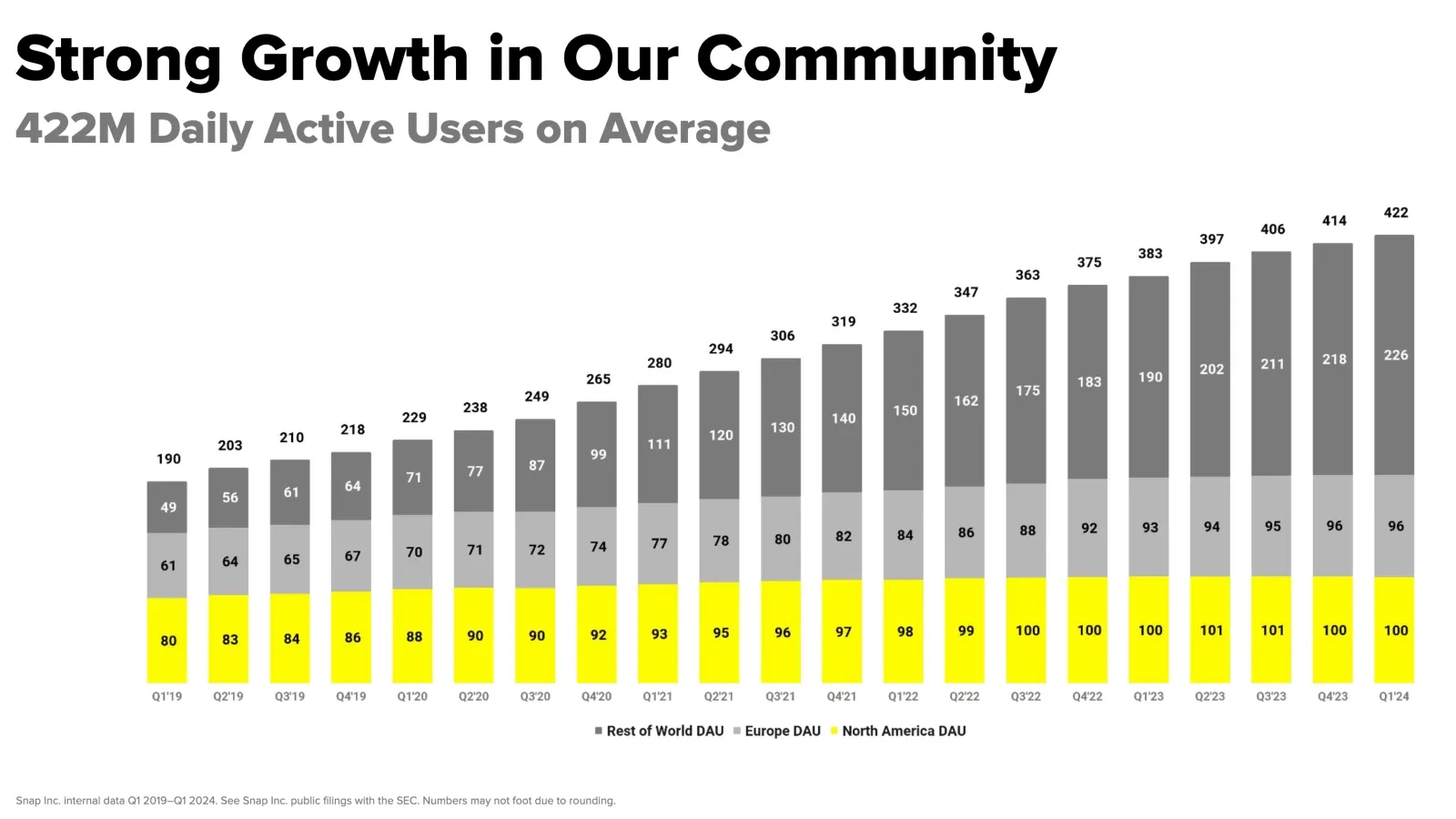
The 2026 user growth figures have defied earlier predictions of platform saturation. Snap has successfully expanded its Daily Active User (DAU) base by focusing on two distinct frontiers: geographic expansion and demographic deepening.
International Expansion and Localized Content
While the North American and European markets remain high-revenue hubs, the bulk of new user growth in 2026 comes from the "Rest of World" segment. India, in particular, has become a massive engine for growth. By investing heavily in localized content, regional language support, and partnerships with local creators, Snap has made Snapchat the primary communication tool for Gen Z and Gen Alpha in several emerging economies.
The infrastructure behind this growth involves "Snapchat Lite" optimizations that allow the app to function seamlessly on mid-range devices and in areas with fluctuating internet speeds. This technical accessibility has lowered the barrier to entry for millions of new users in 2026.
Demographic Shifts: Capturing Gen Alpha
As the oldest members of Gen Alpha enter their mid-teens in 2026, Snap has successfully positioned itself as the "private" alternative to the broadcast-heavy nature of TikTok and Instagram. The "Map" and "Messaging" features remain the primary drivers of retention. In 2026, Snapchat is viewed less as a social network and more as a "digital utility" for close-friend communication, which protects it from the trend-chasing volatility that plagues other platforms.
Technical Innovations Powering the 2026 Momentum
The 2026 surge is underpinned by significant technical milestones. Snap’s investment in artificial intelligence and hardware has moved from the research lab to the palm of the user's hand.
Generative AI and "My AI" Evolution
In 2026, the "My AI" chatbot has evolved from a simple conversational partner into a proactive assistant. It now helps users navigate the physical world through the Snap Map, suggests AR lenses based on the user’s surroundings, and assists in the creation of complex "Spotlight" videos. This integration of AI has increased the average time spent on the app, as users now interact with the platform for utility and search, not just messaging.
The Role of Spectacles (Gen 5)
While still a niche product compared to the mobile app, the 2026 iteration of Spectacles has achieved a level of technical maturity that serves as a powerful marketing tool for the Snap ecosystem. These AR glasses allow for seamless "Lens" interaction in the physical world, creating a halo effect that reinforces Snap’s image as the leader in spatial computing.
Comparative Performance Metrics: 2024 vs. 2026
To understand the scale of the 2026 increase, it is helpful to compare current figures with the historical data from the mid-2020s.
| Metric | 2024 (Historical) | 2026 (Current Status) | Growth/Change |
|---|---|---|---|
| Daily Active Users (DAU) | ~420 Million | ~510 Million | +21.4% |
| Snapchat+ Subscribers | ~9 Million | ~18 Million | +100% |
| Annual Revenue | ~$4.6 Billion | ~$7.2 Billion | +56.5% |
| AR Ad Revenue Share | ~15% | ~35% | +133% |
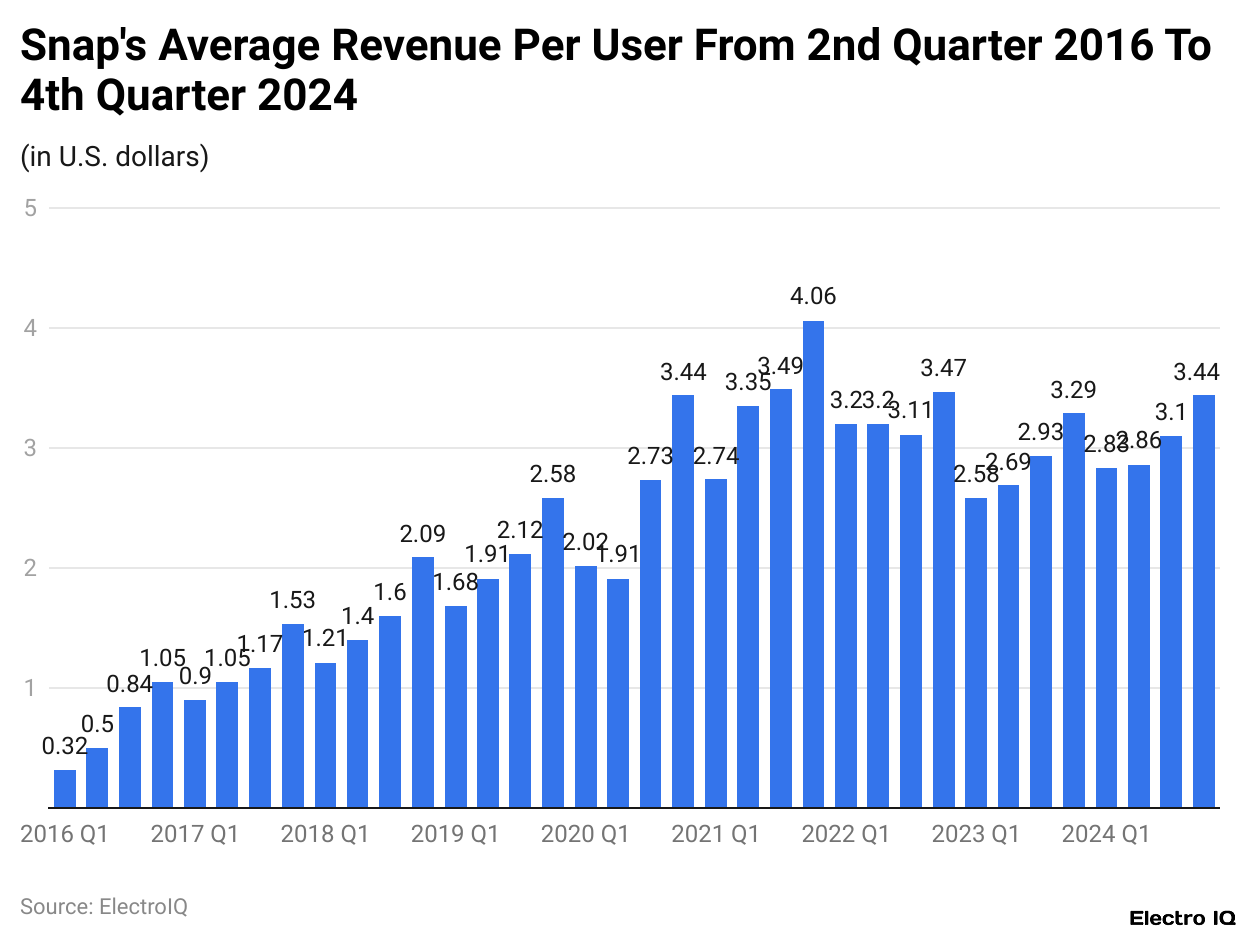
| Average Revenue Per User (Global) | ~$3.10 | ~$4.25 | +37% |
Note: 2026 figures are based on current fiscal year projections and reported quarterly earnings.
Strategic Challenges and Market Risks
Despite the surge, Snap faces significant headwinds in 2026. The digital landscape remains hyper-competitive, and the company must navigate several critical risks to maintain its momentum.
- Regulatory Scrutiny: Like all major tech entities in 2026, Snap is under constant pressure regarding data privacy, particularly concerning younger users. New regulations in the EU and various US states require constant adaptation of the app’s safety features.
- Platform Competition: While Snap has carved out a niche in messaging and AR, TikTok continues to dominate the "short-form entertainment" space. Snap’s Spotlight feature must continue to innovate to prevent users from migrating their "boredom-killing" time to other apps.
- Hardware Subsidization: The ongoing development of Spectacles and AR hardware requires massive R&D spending. If these products fail to gain broader adoption by the end of the decade, the "AR-first" strategy could become a financial drag.
The Evolution of the Snapchat Ad Stack
A major component of the 2026 revenue surge is the "7-0 Optimization" model. This ad-tech innovation allows marketers to optimize for conversions that happen within seven days of a "view-through" without requiring invasive third-party tracking. By utilizing on-device machine learning, Snap has bypassed many of the limitations imposed by mobile operating system updates.
Furthermore, the "Snap Promo" feature introduced in 2025 has become a standard in 2026. This allows local businesses to use AR to "drop" digital coupons in specific physical locations on the Snap Map. This has unlocked a massive market of local, small-to-medium business (SMB) advertisers who previously found social media advertising too complex or expensive.
Content Ecosystem: Stories, Spotlight, and Map
In 2026, the synergy between the three main pillars of the app—Stories, Spotlight, and the Map—is at its peak.
- Stories: Remains the core of the app’s monetization, where high-value video ads are served between updates from friends and professional creators.
- Spotlight: Functions as the "discovery" engine. In 2026, the algorithm has been refined to show users not just viral hits, but content tailored to their specific AR interests and local community.
- Snap Map: Has transformed into a social search engine. Users in 2026 use the Map to find trending restaurants, live events, and "public stories" from specific landmarks, creating a unique opportunity for location-based advertising.
Frequently Asked Questions
What is the main driver of Snap's revenue growth in 2026?
The primary driver is a combination of the Snapchat+ subscription service, which has doubled its user base since 2024, and the maturation of AR-based advertising. Snap has successfully moved AR from a "gimmick" to a measurable sales tool for retailers, significantly increasing the average revenue per user (ARPU).
How has Snapchat's user base changed in 2026 compared to previous years?
Snapchat has seen a significant increase in users from the "Rest of World" category, particularly in India and Southeast Asia. Additionally, it has maintained a high retention rate among Gen Z while successfully capturing the emerging Gen Alpha demographic, who use the app as their primary private communication tool.
Is Snapchat+ still relevant in 2026?
Yes, Snapchat+ is more relevant than ever. In 2026, it has reached approximately 18 million subscribers. The service provides essential utility, including advanced AI features and enhanced privacy controls, making it a "must-have" for the platform's most dedicated users rather than just a cosmetic upgrade.
How does Augmented Reality (AR) impact Snap’s 2026 financials?
AR now accounts for roughly 35% of Snap's total advertising revenue. Beyond ads, the AR Enterprise Services (ARES) division generates significant B2B revenue by licensing Snap's AR tech to third-party retailers and e-commerce platforms for virtual try-on experiences.
What are the biggest risks for Snap Inc. for the remainder of 2026?
The biggest risks include potential new government regulations regarding teen safety and data privacy, intense competition for user attention from platforms like TikTok and Meta's Threads, and the high cost of continuing to develop AR hardware like Spectacles.
Practical Recommendations for Stakeholders
For Marketers: In 2026, stop treating Snapchat as a secondary platform. Utilize the advanced AR try-on tools and location-based Map ads. The "7-0 Optimization" model offers some of the best conversion tracking in the current privacy-first environment. Prioritize "Direct Response" campaigns that leverage the high engagement levels of the Spotlight feed.
For Creators: Focus on the "Spotlight to Story" pipeline. Use Spotlight to reach new audiences through viral AR trends, and then migrate those followers to your Stories for deeper engagement and monetization through the Snap Star program. 2026 is the year of the "Technical Creator"—those who can build their own Lenses will have the highest earning potential.
For Investors: Monitor the "Rest of World" DAU growth and the conversion rate of free users to Snapchat+ subscribers. These two metrics are the most reliable indicators of Snap's long-term health and its ability to sustain the 2026 revenue surge. Watch for developments in the ARES (Enterprise) division, as this represents the company’s most scalable non-ad revenue path.