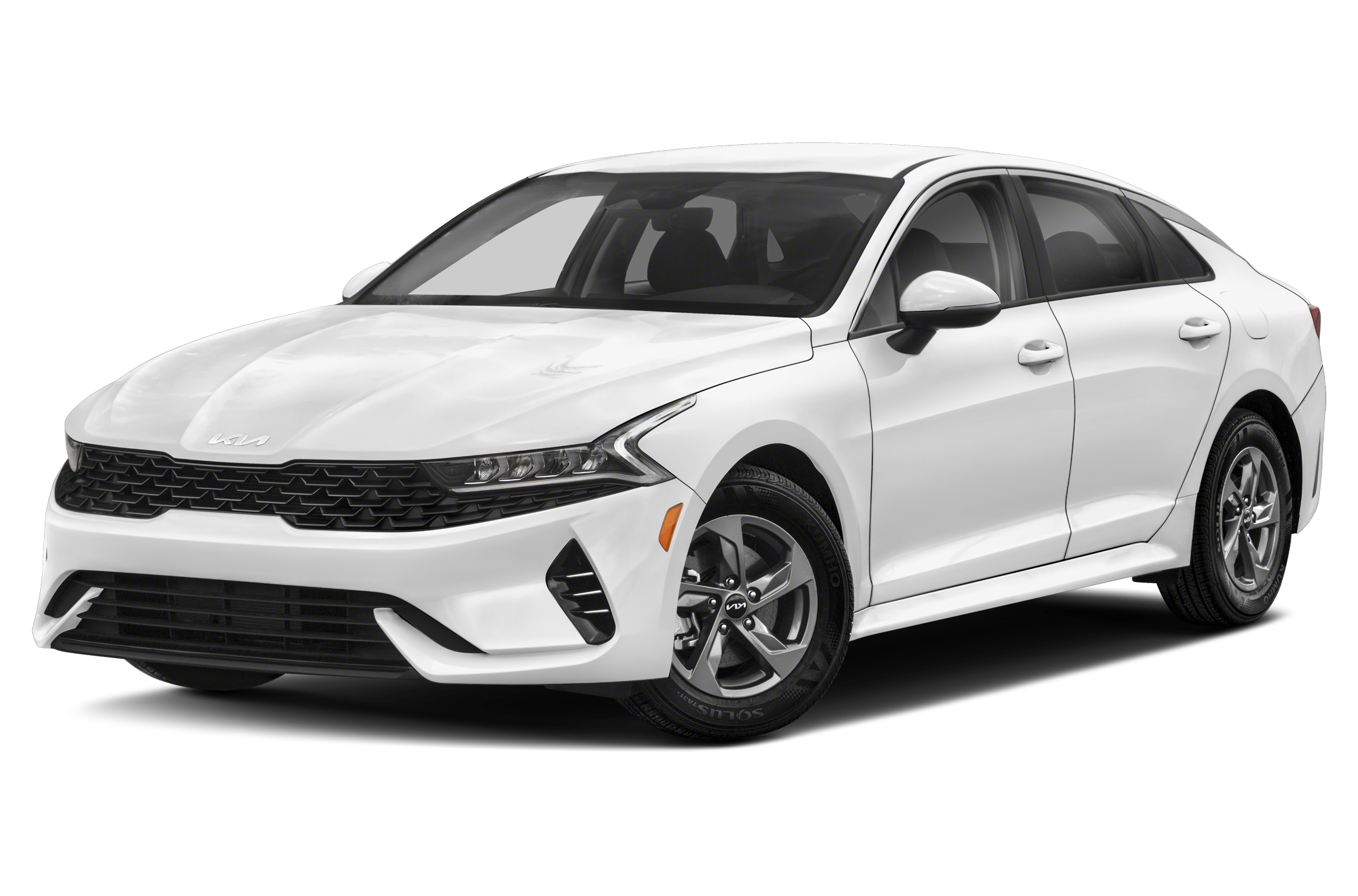
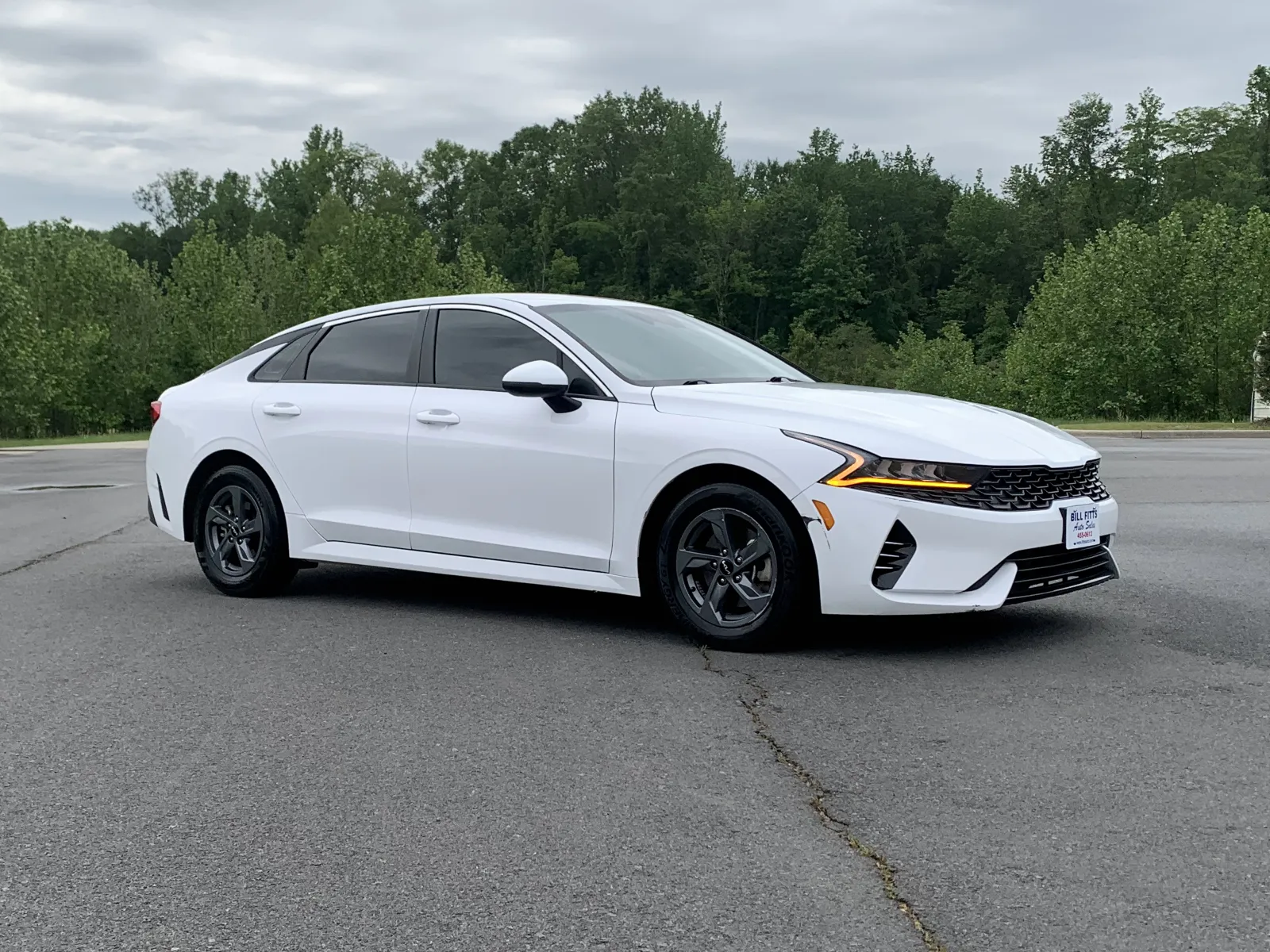
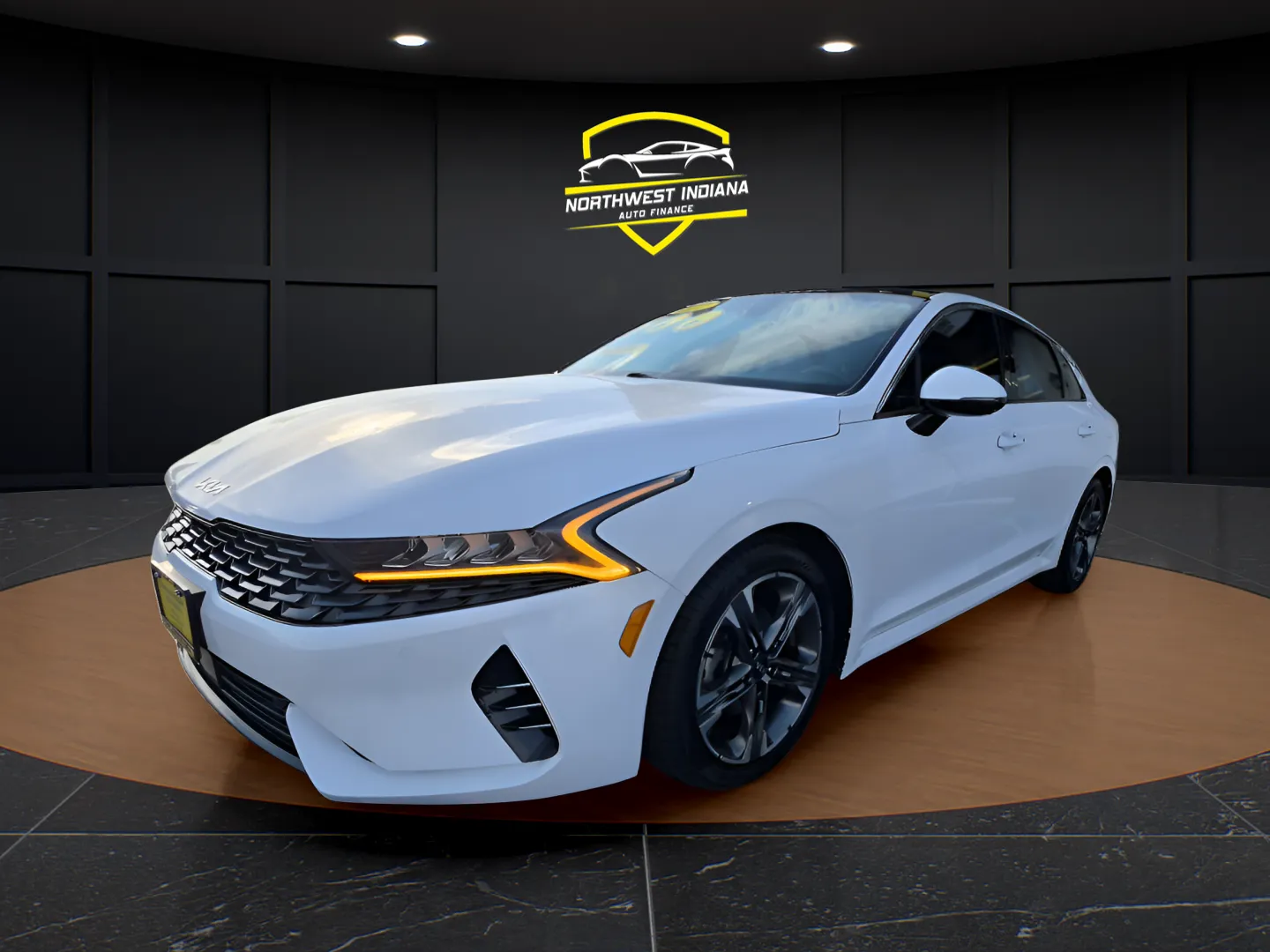
The 2022 Kia K5 offers two distinct power levels across its lineup: a standard 1.6-liter turbocharged four-cylinder engine producing 180 horsepower and 195 lb-ft of torque, and a high-performance 2.5-liter turbocharged engine exclusive to the GT trim that delivers a robust 290 horsepower and 311 lb-ft of torque.
The 2022 Kia K5 marked a significant era for Kia’s midsize sedan strategy, solidifying the transition from the Optima nameplate to a more aggressive, performance-oriented identity. By 2026, this model has become a staple in the pre-owned market for drivers seeking a balance of striking aesthetics and functional power. Understanding the horsepower and mechanical nuances of the 2022 K5 requires looking beyond the raw numbers and into the engineering choices that define its road manners.
The Standard Powerplant: 1.6L Turbocharged GDI
For the majority of the 2022 Kia K5 trims—including the LX, LXS, GT-Line, and EX—the heart of the vehicle is the 1.6-liter Gamma II Turbocharged Gasoline Direct Injection (GDI) four-cylinder engine. While 180 horsepower may seem modest compared to sports cars, the engineering behind this engine focuses on a broad torque curve and daily drivability.
Continuously Variable Valve Duration (CVVD)
One of the most technically advanced features of the 1.6L engine is Kia’s proprietary Continuously Variable Valve Duration (CVVD) technology. Unlike standard variable valve timing, which only adjusts when a valve opens or closes, CVVD controls how long the valve remains open. This allows the engine to switch between different combustion cycles (such as the Atkinson cycle for efficiency and the Otto cycle for power) seamlessly.
The result of this technology is a peak torque of 195 lb-ft that arrives as early as 1,500 RPM and holds steady through 4,500 RPM. This "flat" torque curve means the 180 horsepower feels more accessible in stop-and-go traffic and during highway merging than a naturally aspirated engine with higher peak numbers but less low-end grunt.
Real-World Efficiency and Performance
The 1.6L engine is paired exclusively with a traditional 8-speed automatic transmission. This torque-converter automatic is tuned for smoothness rather than lightning-fast shifts, prioritizing a premium feel. In independent testing conducted during its release year, the 1.6L K5 typically recorded a 0-60 mph time of approximately 7.0 to 7.8 seconds, depending on whether it was equipped with Front-Wheel Drive (FWD) or All-Wheel Drive (AWD).
The Performance Beast: 2.5L Turbocharged GT
The "GT" trim (not to be confused with the "GT-Line" appearance package) is a completely different animal. It utilizes a 2.5-liter Smartstream turbocharged engine that elevates the K5 into the territory of "sport sedans." With 290 horsepower and a massive 311 lb-ft of torque, the K5 GT was designed to compete with the likes of the Honda Accord 2.0T and even entry-level luxury offerings from German manufacturers.
Dual Injection Technology
The 2.5L engine employs a dual-injection system, utilizing both GDI (Gasoline Direct Injection) and MPI (Multi-Port Injection). This setup addresses a common concern with direct-injection engines: carbon buildup on the intake valves. At lower speeds and loads, the MPI system cleans the valves, while the GDI system provides the high-pressure fuel delivery needed for maximum power output.
8-Speed Wet Dual-Clutch Transmission (DCT)
To handle the 311 lb-ft of torque, Kia equipped the K5 GT with a Wet 8-speed Dual-Clutch Transmission. Unlike "dry" DCTs, which can struggle with heat dissipation in heavy traffic, the "wet" DCT uses oil to cool the clutch plates. This allows for much more aggressive shifting and better heat management during spirited driving.
The GT’s power delivery is aggressive. It can propel the sedan from 0-60 mph in just 5.2 to 5.4 seconds. However, because the GT is only available in Front-Wheel Drive, managing that 290 horsepower can be a challenge; wheel spin and "torque steer" (the tendency of the car to pull to one side under heavy acceleration) are characteristic traits of this high-output trim.
Technical Specifications Comparison
To better understand how these two engines compare across the 2022 lineup, the following table breaks down the critical performance metrics.
| Feature | 1.6L Turbo (LX, LXS, GT-Line, EX) | 2.5L Turbo (GT Only) |
|---|---|---|
| Horsepower | 180 hp @ 5,500 rpm | 290 hp @ 5,800 rpm |
| Torque | 195 lb-ft @ 1,500–4,500 rpm | 311 lb-ft @ 1,650–4,000 rpm |
| Transmission | 8-Speed Automatic | 8-Speed Wet DCT |
| Drive Type | FWD (Standard) / AWD (Available) | FWD Only |
| 0-60 MPH (Est.) | 7.2 - 7.8 Seconds | 5.2 - 5.4 Seconds |
| Fuel Tech | GDI with CVVD | GDI + MPI Dual Injection |
| Recommended Fuel | 87 Octane (Regular) | 87 Octane (Regular) |
Note: While both engines can run on regular 87 octane gasoline, some enthusiasts find that using premium fuel in the 2.5L GT can slightly improve timing stability under extreme heat, though Kia does not officially require it for the stated horsepower figures.
Drivetrain Impact on Power Delivery
Horsepower is only one part of the equation; how that power reaches the pavement is equally important. In the 2022 Kia K5, the choice of drivetrain significantly alters the driving experience.
All-Wheel Drive (AWD) Considerations
The AWD system, available on the LXS and GT-Line trims with the 1.6L engine, uses an electro-hydraulic system to distribute torque between the front and rear axles. While the horsepower remains at 180, the AWD system adds roughly 150-200 pounds of weight to the vehicle. This extra weight can make the car feel slightly slower off the line compared to the FWD version, but it provides superior traction in wet or snowy conditions.
The FWD Limitation of the GT
A common question regarding the 290-hp GT is why Kia did not offer it with AWD. The primary reasons involve the N3 platform's packaging and the cooling requirements for the high-performance DCT. Because all that power goes to the front wheels, the 2022 K5 GT requires high-quality tires to truly utilize its horsepower. Drivers who replace the stock all-season tires with dedicated summer performance tires often report a significant improvement in how the 290 horsepower is managed during acceleration.
Comparative Market Performance
In 2022, the K5 was positioned against heavyweights like the Toyota Camry and the Honda Accord. Here is how its horsepower figures stacked up:
- Toyota Camry: The 2022 Camry offered a 2.5L naturally aspirated base engine (202-206 hp) and a 3.5L V6 (301 hp). While the Camry's V6 has more peak horsepower than the K5 GT, the K5 GT offers more torque (311 lb-ft vs. 267 lb-ft), making the Kia feel faster in mid-range passing maneuvers.
- Honda Accord: The Accord offered a 1.5L turbo (192 hp) and a 2.0L turbo (252 hp). The K5 GT comfortably outmuscles the Accord 2.0T in raw horsepower and torque, though the Accord was often praised for its chassis tuning.
- Hyundai Sonata: As the K5’s corporate cousin, the Sonata shared the same engines. The Sonata N-Line mirrored the K5 GT’s 290-hp output, making them nearly identical in straight-line performance.
Maintenance and Longevity of Turbocharged Engines
By 2026, many 2022 Kia K5 units are crossing the 50,000 to 70,000-mile mark. For owners focusing on maintaining that original horsepower, specific maintenance is required for these turbocharged units.
- Oil Changes: Turbochargers are cooled and lubricated by engine oil. Using high-quality synthetic oil and adhering to the "severe weather" maintenance schedule (typically every 5,000 miles) is critical to preventing turbo failure and maintaining power.
- Spark Plugs: Turbocharged engines are harder on spark plugs due to higher cylinder pressures. Replacing plugs at the recommended intervals ensures that the 1.6L or 2.5L engines don't suffer from misfires or reduced power.
- Intercooler Health: Both K5 engines use an intercooler to cool the air before it enters the engine. Ensuring the front grille area is free of debris helps maintain consistent horsepower, especially during the hot summer months when "heat soak" can temporarily sap performance.
Frequently Asked Questions
Does the GT-Line trim have more horsepower than the LXS?
No. Despite its aggressive styling, 18-inch wheels, and "GT-Line" badging, the 2022 Kia K5 GT-Line uses the exact same 1.6-liter turbocharged engine as the LX and LXS trims, producing 180 horsepower. Only the "GT" trim receives the 290-hp engine upgrade.
Can you increase the 2022 Kia K5 horsepower with aftermarket parts?
Yes, the K5's turbocharged engines are receptive to "piggyback" tuners (like the JB4) and intake/exhaust modifications. Owners have successfully increased the 1.6L engine to over 210 hp and the 2.5L GT engine to over 330 hp. However, these modifications may void the 10-year/100,000-mile powertrain warranty, which is a major consideration for Kia owners.
Is the 180-hp engine sufficient for highway driving?
For most drivers, yes. Because the 1.6L turbo produces its peak torque very early (1,500 RPM), it provides plenty of "zip" for merging into highway traffic. It only begins to feel underpowered when the car is fully loaded with four passengers and luggage, or when attempting high-speed passes above 70 mph.
Why does the K5 GT feel faster than the horsepower suggests?
The sensation of speed in the GT trim comes from the 311 lb-ft of torque and the Wet DCT. The transmission shifts very quickly and the torque is available almost immediately, which provides a "shove" into the seat that many naturally aspirated V6 competitors cannot replicate.
Is the 2022 Kia K5 GT faster than the Stinger?
The 2022 Kia K5 GT (290 hp) is faster than the base 4-cylinder Kia Stinger (300 hp in 2022) in some scenarios due to its lighter weight, but it is significantly slower than the V6 Stinger GT (368 hp), which also features Rear-Wheel Drive or AWD for better launches.
Practical Recommendation
When choosing between the two power levels of the 2022 Kia K5, your decision should be based on your driving environment rather than just the horsepower number.
If you live in an area with heavy winters or prioritize fuel economy (up to 37 MPG highway), the 1.6L engine with AWD is the most logical choice. The 180 horsepower is more than adequate for daily commuting and provides a composed, comfortable ride.
However, if you are an enthusiast who values raw acceleration and "stoplight-to-stoplight" performance, the 2.5L GT is the clear winner. Just be prepared to invest in high-quality performance tires to help the front wheels manage the 311 lb-ft of torque, especially if you plan on spirited driving. By 2026 standards, the K5 GT remains one of the fastest and most powerful front-wheel-drive sedans available in its price bracket.