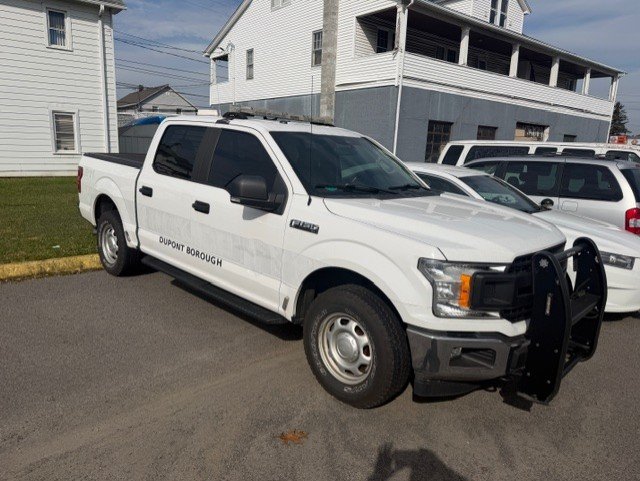
The 2019 Ford F-150 single-cab short-bed configuration represents a specialized niche in the light-duty pickup market, combining the classic utility of a work-focused chassis with the maneuverability of a shorter wheelbase. This specific configuration, primarily found in the XL and XLT trims, offers a high power-to-weight ratio and a tighter turning radius, making it ideal for fleet use, urban delivery, or a foundation for performance-oriented street truck builds.
Understanding the 2019 F-150 Configuration
When discussing the 2019 Ford F-150, the "single cab" (officially termed the Regular Cab by Ford) features two doors and a single row of seating. The "short bed" refers to the 6.5-foot box, which contrasts with the longer 8-foot bed often found on work-spec trucks. This combination—a Regular Cab with a 122.4-inch wheelbase—provides a distinct physical footprint compared to the more common SuperCrew or SuperCab models.
For owners and prospective buyers in 2026, understanding this configuration requires recognizing that it was designed with specific trade-offs in mind. While it lacks the interior storage and passenger capacity of its larger counterparts, it gains significant advantages in curb weight, agility, and aesthetic profile. This configuration is widely considered the "sport truck" archetype of the 2019 model year.
Performance and Powertrain Options
The 2019 F-150 lineup offered a versatile range of engines. In the Regular Cab/Short Bed configuration, the powertrain choices were tailored to the vehicle's lighter weight, which directly translates to improved acceleration and handling dynamics.
Engine Specifications
- 3.3L Ti-VCT V6: The standard engine for the XL trim. It provides 290 horsepower and 265 lb-ft of torque. It is a reliable, naturally aspirated choice for light-duty tasks.
- 2.7L EcoBoost V6: This twin-turbocharged engine is arguably the most popular choice for the short-bed configuration. With 325 horsepower and a massive 400 lb-ft of torque, it transforms the lighter chassis into a surprisingly quick vehicle.
- 5.0L Ti-VCT V8: For those prioritizing traditional power and the exhaust note of a V8, the 5.0L "Coyote" engine delivers 395 horsepower and 400 lb-ft of torque.
The 2019 model year featured the 10-speed automatic transmission across most configurations, which assists in keeping the engine in the optimal power band. For a truck with a short wheelbase, the pairing of the 10-speed transmission with the 2.7L EcoBoost creates a powertrain that is both efficient during highway cruising and responsive in stop-and-go city traffic.
Practicality and Daily Utility
The primary appeal of the single-cab short-bed F-150 is its functional minimalism. Without the rear seating area, the cabin is strictly utilitarian. However, Ford provided a surprising amount of interior space for a single-row vehicle, including storage bins behind the seats.
For contractors, the 6.5-foot bed length is the "Goldilocks" zone—it is long enough to haul standard construction materials like plywood or drywall with the tailgate down, yet short enough that the vehicle can fit into standard-sized residential garages, a common limitation for the 8-foot-bed regular cabs.
Comparison of Bed Lengths and Configurations
| Feature | Regular Cab (Short Bed) | Regular Cab (Long Bed) | SuperCrew (Short Bed) |
|---|---|---|---|
| Wheelbase | 122.4 inches | 141.1 inches | 145.0 inches |
| Bed Length | 6.5 feet | 8.0 feet | 5.5 feet |
| Turning Radius | Tight/Sporty | Wide/Commercial | Wide/Comfort |
| Primary Use | Utility/Street Performance | Fleet/Heavy Cargo | Family/Daily Driver |
Maintenance and Reliability Considerations
As of 2026, the 2019 F-150 is a mature vehicle, making it a frequent subject for secondary market buyers. Because the Regular Cab short-bed models were often used as fleet vehicles or base-level work trucks, buyers should pay close attention to the service history.
- Transmission Performance: The 10R80 10-speed automatic transmission was utilized in the 2019 model year. While generally robust, some owners have reported harsh shifting. Ensure that the transmission fluid has been serviced at recommended intervals.
- EcoBoost Maintenance: If the truck is equipped with the 2.7L EcoBoost, check for signs of turbocharger wear and ensure the cooling system is free of leaks. Direct-injection engines benefit significantly from consistent, high-quality oil changes to prevent carbon buildup on the intake valves.
- Rust and Body Integrity: Being a steel-bodied truck, the 2019 model is generally resistant to the corrosion issues seen in older steel trucks, provided the frame is inspected for surface rust, especially in regions with heavy road salt usage.
Performance Modifications and Styling
Because the Regular Cab Short Bed (RCSB) is the lightest iteration of the F-150 platform, it is highly favored by enthusiasts who want to build a performance truck. The weight savings allow for better handling and faster quarter-mile times compared to the heavier crew-cab models.
Common modifications for this configuration include:
- Lowering Kits: Dropping the center of gravity improves both the look and the road-holding capability of the truck.
- Cold Air Intakes and Tuning: Unlocking the hidden potential of the 2.7L or 5.0L engines can provide significant gains in torque.
- Tire and Wheel Packages: Moving to a wider, lower-profile tire setup maximizes the traction available, which is necessary when applying the 400 lb-ft of torque generated by the EcoBoost or V8 engines.
Frequently Asked Questions
Is the 2019 F-150 Regular Cab Short Bed hard to find? Yes, this configuration is relatively rare compared to the SuperCrew models. Ford significantly shifted production toward four-door configurations to meet consumer demand, making the Regular Cab a niche product found primarily in fleet sales or special-order inventory.
Can I tow with the 2019 Regular Cab Short Bed? Absolutely. The truck is fully capable of towing, often benefiting from a higher payload capacity due to the lower curb weight of the smaller cab. Always check the specific GVWR (Gross Vehicle Weight Rating) on the door jamb sticker, as towing capacity varies significantly based on engine, axle ratio, and tow package options.
What is the main drawback of this configuration? The lack of interior space is the most significant limitation. There is no space for passengers or secure storage inside the cab, which makes it less than ideal for family use or for those who need to keep equipment climate-controlled and locked.
Does this truck come with 4WD? Yes, the Regular Cab Short Bed was available with an optional 4x4 system. When equipped with 4WD, this truck becomes an extremely capable off-roader due to the shorter wheelbase, which improves break-over angles compared to longer trucks.
How does the 2019 fuel economy compare to other models? Generally, the 2.7L EcoBoost in the Regular Cab configuration offers the best fuel economy in the F-150 lineup due to the superior power-to-weight ratio. Drivers can expect improved figures compared to the heavier, more aerodynamic-limited crew cab models.
Expert Recommendation
If you are currently evaluating a 2019 Ford F-150 single-cab short-bed for purchase in 2026, prioritize finding a unit with the 2.7L EcoBoost engine and a documented maintenance history. This specific pairing offers the best balance of modern efficiency, surprising performance, and long-term reliability. Before finalizing any purchase, perform a cold-start check of the engine and a thorough test of the 10-speed transmission through all gears to ensure smooth engagement. For those looking for a dual-purpose vehicle—capable of light work during the day and providing a responsive, engaging driving experience on the weekends—this model remains one of the best value propositions in the used truck market.