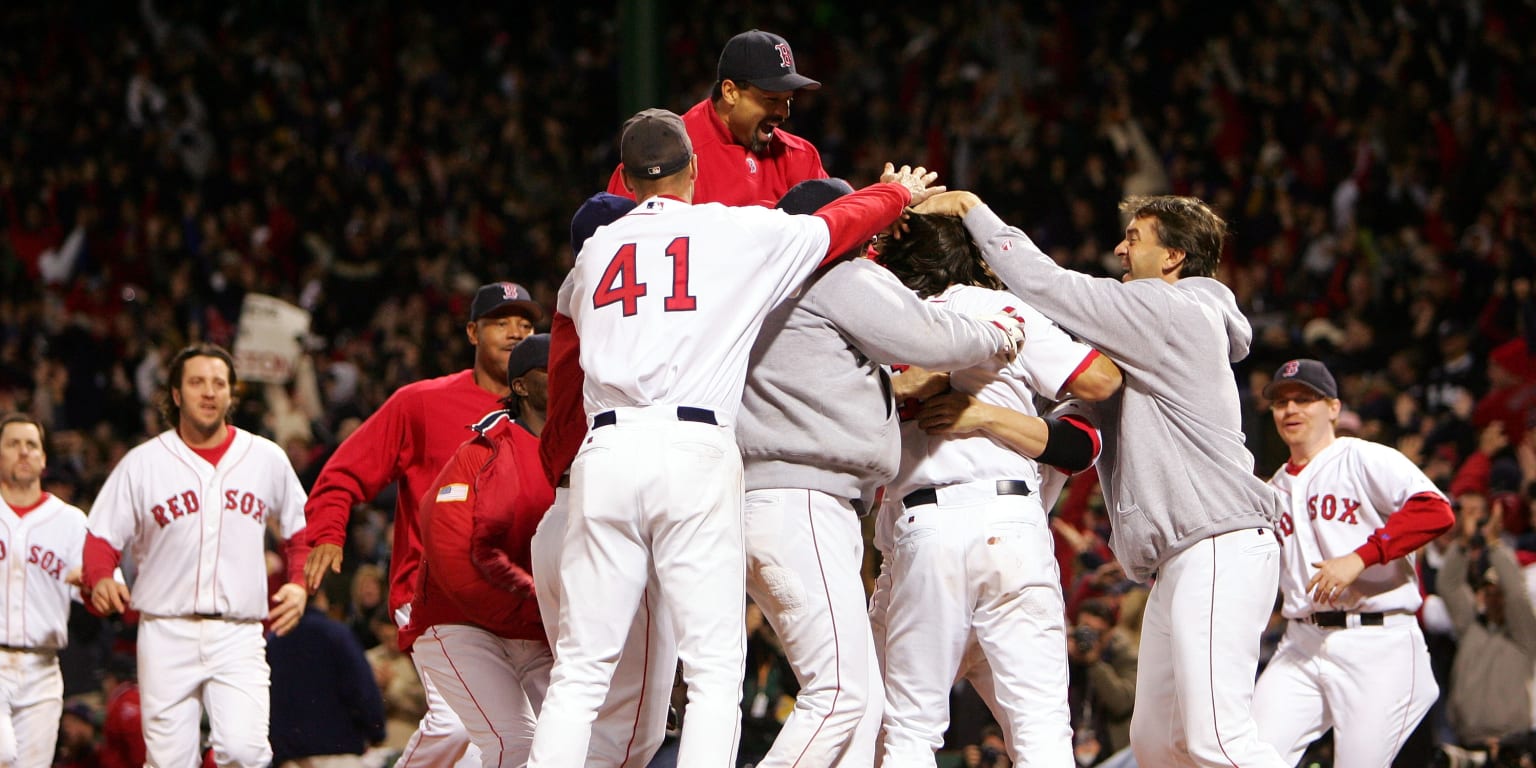
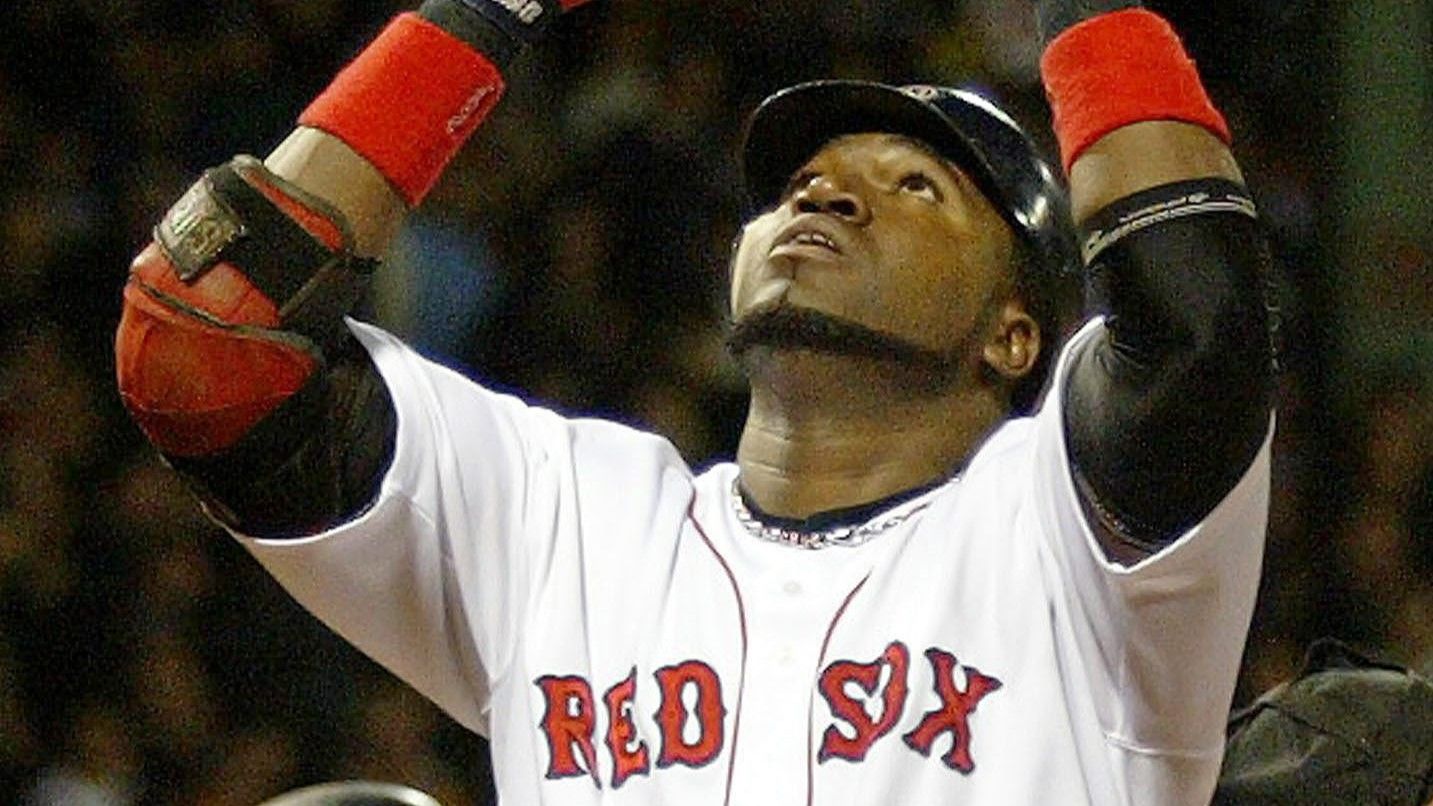
The manager of the 2004 Boston Red Sox was Terry Francona, who guided the franchise to its first World Series title in 86 years by orchestrating an unprecedented postseason comeback from a three-to-none deficit against the New York Yankees and sweeping the St. Louis Cardinals.
Introduction to the 2004 Boston Red Sox Leadership Landscape
The year 2004 remains a watershed moment in the storied history of Major League Baseball, and at the center of the Boston Red Sox dugout stood first-year manager Terry Francona. Taking over a team that had suffered a heartbreaking, extra-inning loss in the 2003 American League Championship Series (ALCS) under manager Grady Little, Francona faced enormous media scrutiny, passionate fan expectations, and a front office undergoing a radical analytical evolution.
To understand the magnitude of Francona's role in 2004, one must examine the intersection of clubhouse chemistry, managerial strategy, and organizational philosophy. The Red Sox were built by general manager Theo Epstein using a pioneering blend of traditional scouting and burgeoning sabermetric principles. Francona, hired in December 2003 after serving as a bench coach for the Oakland Athletics and a former manager of the Philadelphia Phillies, provided a steady, communicative counterweight to the intense pressure cooker of the Boston media market. His calm demeanor and player-centric approach transformed a volatile roster into a cohesive unit capable of achieving the impossible.
Terry Francona: Background and Hiring
Before taking the reins in Boston, Terry Francona had experienced baseball from multiple vantage points. As a former major league outfielder, son of major leaguer Tito Francona, and a managerial apprentice under Tony La Russa in Oakland, Francona possessed a deep understanding of clubhouse dynamics. His four-year managerial stint with the Philadelphia Phillies from 1997 to 2000 yielded a 285–363 record, but those formative years taught him how to navigate the psychological demands of managing a major league club through high-stress environments.
When the Red Sox parted ways with Grady Little following the 2003 postseason—famously punctuated by leaving starting pitcher Pedro Martínez in too long during Game 7 of the ALCS—the front office sought a leader who could balance data-driven decision-making with instinctive player management. Francona emerged as the ideal candidate. His ability to build genuine relationships with star players like David Ortiz, Manny Ramirez, and Curt Schilling, while simultaneously collaborating with Epstein’s front office, established a new template for modern major league leadership.
| Attribute / Detail | 2004 Red Sox Managerial Context |
|---|---|
| Manager Name | Terry Francona |
| Hired | December 1, 2003 |
| Previous Position | Bench Coach, Oakland Athletics (2003) |
| Coaching Staff Highlights | Brad Mills (Bench Coach), Rick Peterson/Dave Wallace (Pitching Coaches) |
| Regular Season Record | 98–64 (.605) |
| Postseason Result | World Series Champions (Sweep over St. Louis Cardinals) |
Regular Season Adversity and Team Chemistry
Managing the 2004 Red Sox required navigating unique internal and external pressures. Dubbed "The Idiots" by first baseman Kevin Millar, the clubhouse featured a vibrant, loose atmosphere populated by big personalities who openly flouted traditional baseball decorum. Francona embraced this culture rather than trying to suppress it. He recognized that players like Pedro Martínez, Johnny Damon, and Kevin Youkilis performed best when allowed to express their individuality, provided they maintained accountability on the field.
The regular season was not without turbulence. The team dealt with significant injuries, inconsistent pitching performances, and the midseason trade of star shortstop Nomar Garciaparra on July 31, 2004. This blockbuster four-team deal brought in Orlando Cabrera, Doug Mientkiewicz, and-via a separate trade finalized earlier—solidified defensive stability up the middle. Francona played a pivotal role in managing the emotional fallout of trading a beloved local icon while integrating new pieces seamlessly into the starting lineup. The Red Sox finished the regular season with a 98–64 record, securing the American League Wild Card and setting the stage for an unforgettable October.
The Historic 2004 Postseason Run
The defining test of Francona's managerial tenure occurred during the 2004 postseason. After defeating the Anaheim Angels three games to none in the American League Division Series (ALDS), the Red Sox advanced to face their archrivals, the New York Yankees, in the ALCS.
The series began disastrously. The Red Sox dropped the first three games, culminating in a humiliating 19–8 defeat at Fenway Park in Game 3. Historically, no major league team had ever overcome a 3-0 deficit in a best-of-seven postseason series. Facing elimination in Game 4, Francona made key lineup adjustments and managed his bullpen with calculated aggression.
Key Managerial Decisions in the ALCS Comeback
- Pinch-Running and Defensive Substitutions: Francona aggressively utilized late-game defensive replacements and pinch runners, such as Dave Roberts, whose historic stolen base in the ninth inning of Game 4 ignited the initial comeback.
- Bullpen Utilization: With starting pitching strained, Francona leaned heavily on relievers like Keith Foulke, Alan Embree, and Mike Timlin, while also calling on starting pitchers Curt Schilling and Pedro Martínez in unconventional relief roles.
- Calm Decompression: Amid mounting media panic, Francona maintained a lighthearted, steady presence in the clubhouse, defusing tension and keeping players focused on winning one inning at a time.
The Red Sox won Game 4 in 12 innings, secured extra-inning victories in Games 5 and 6, and routed the Yankees in Game 7 to complete the historic sweep. They carried this momentum into the World Series, sweeping the St. Louis Cardinals in four straight games to capture the franchise's first title since 1918.
Strategic Philosophy and Relationship with the Front Office
Beyond his clubhouse management, Francona’s tenure in 2004 marked a pivotal shift in how traditional field managers interacted with analytical front offices. In the early 2000s, tension often existed between old-school managers and analytically minded executives. Francona, however, maintained an open, collaborative dialogue with Theo Epstein and baseball operations.
He integrated defensive positioning sheets, platoon splits, and workload management into his daily lineup construction without sacrificing the psychological intuition required to read a player's physical and mental state. This partnership created a modern blueprint for organizational alignment. Francona trusted the data provided by the front office, and the front office respected Francona’s on-field instincts, creating a unified leadership front that directly contributed to the team's historic success.
Legacy and Impact on Boston Sports History
Terry Francona’s leadership of the 2004 Boston Red Sox permanently altered the sports landscape of New England. By breaking the 86-year championship curse, he secured an enduring place in baseball lore. Francona managed the Red Sox through 2011, winning another World Series title in 2007, before moving on to successful managerial stints with the Cleveland Indians.
However, the 2004 season remains the crown jewel of his managerial career. It demonstrated that modern baseball management requires more than tactical proficiency; it demands emotional intelligence, resilience under extreme pressure, and the ability to foster belief when statistical probability dictates defeat.
Frequently Asked Questions
Who was the manager of the Boston Red Sox in 2004?
Terry Francona served as the manager of the Boston Red Sox during the 2004 season. He was hired in December 2003 to replace Grady Little and led the team to its first World Series title in 86 years during his debut season.
How did Terry Francona help the Red Sox overcome a 3-0 deficit against the Yankees?
Francona maintained clubhouse morale, made timely pitching changes, utilized strategic pinch runners like Dave Roberts, and kept the team focused on single-game execution rather than the historic nature of the deficit during the 2004 American League Championship Series.
What was the regular season record of the 2004 Boston Red Sox under Francona?
The 2004 Boston Red Sox finished the regular season with a 98–64 record, securing the American League Wild Card berth and advancing to the postseason.
Did Terry Francona win Manager of the Year in 2004?
No, despite leading the Red Sox to 98 wins and a historic championship run, the 2004 American League Manager of the Year award was won by Buck Showalter of the Texas Rangers, who guided his team to a significant turnaround.
How did the front office influence Francona's management style in 2004?
Francona worked closely with general manager Theo Epstein, blending traditional managerial instincts with sabermetric insights, defensive positioning data, and workload tracking to optimize player performance throughout the season.
Conclusion and Next Actions
For sports historians, analysts, and fans studying the 2004 Boston Red Sox, examining Terry Francona's managerial approach offers invaluable lessons in crisis management and organizational synergy. To deepen your understanding of this historic era, review original game logs, read firsthand accounts from the 2004 clubhouse, or explore literature on the integration of analytics in modern baseball management.