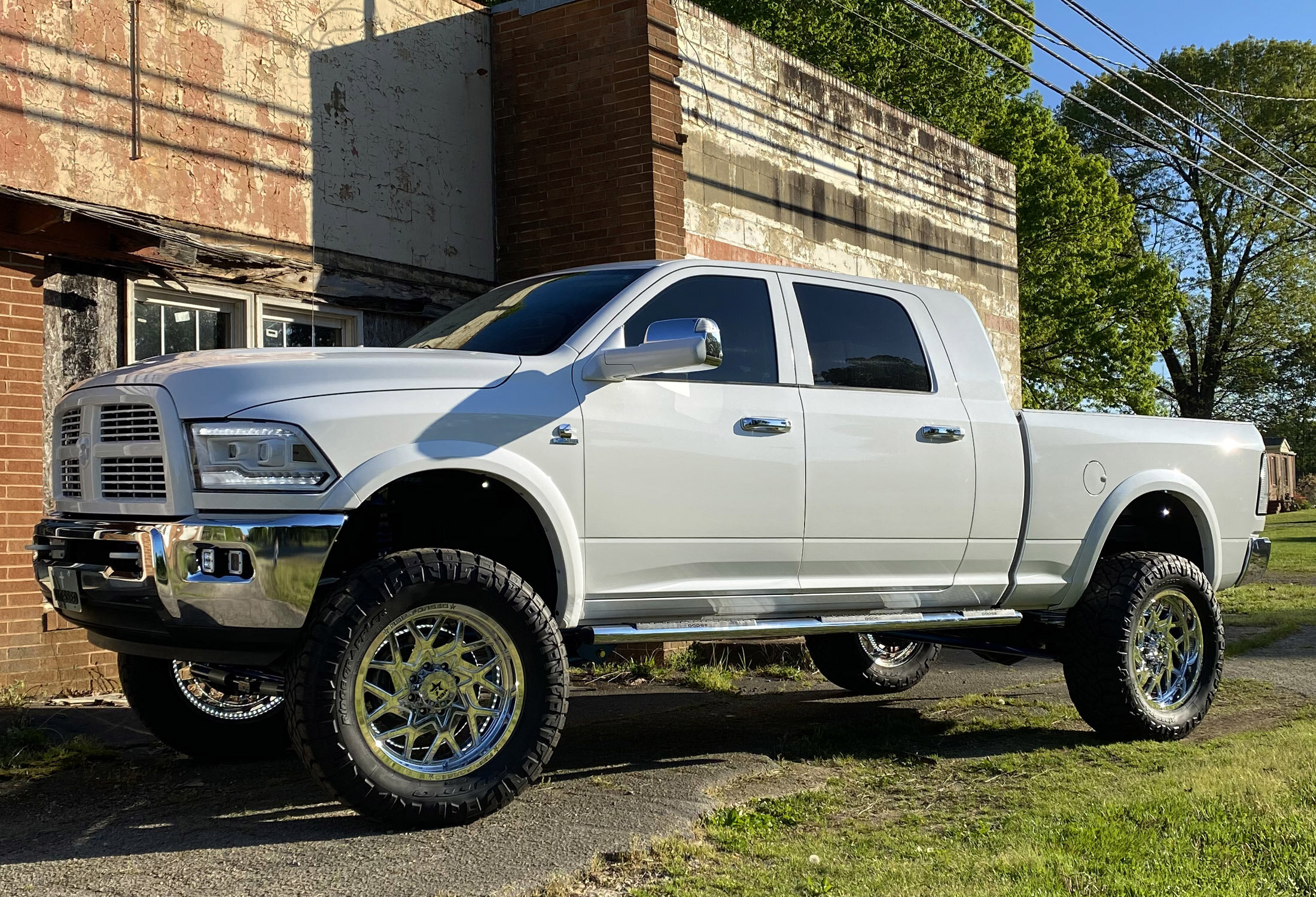
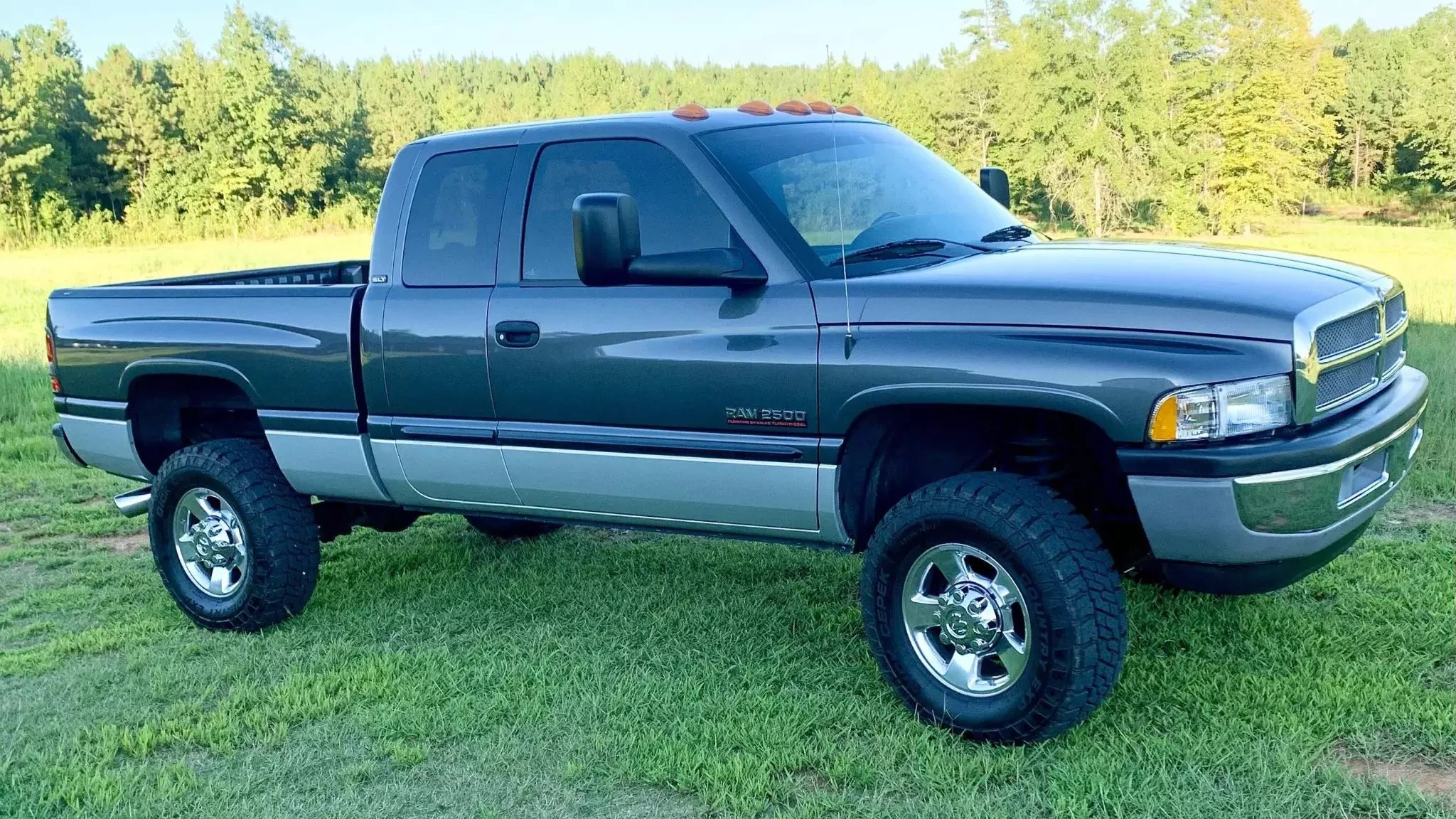
The 2000 Dodge Ram 2500 with the 5.9L Cummins 24-valve turbo diesel remains one of the most sought-after heavy-duty pickups in the secondary market as of 2026. Valued for its mechanical simplicity, lack of modern emissions hardware, and legendary "million-mile" engine durability, it serves as a premier choice for towing, hauling, and diesel enthusiasts.
A member of the "Second Generation" (1994–2002) Ram family, the 2000 model year represents a pivotal moment in diesel history. It sits in the sweet spot of the 24-valve ISB (Interact System B) era, offering more electronic control than the earlier 12-valve models while predating the highly complex common-rail systems and Diesel Particulate Filters (DPF) that define modern trucks. For owners in 2026, maintaining a 2000 Ram 2500 is an exercise in managing a "modern classic" that bridges the gap between old-school grit and digital diagnostics.
The Heart of the Truck: The 5.9L 24-Valve Cummins ISB
The defining feature of this pickup is the 5.9L Inline-6 Cummins Turbo Diesel. In 1998.5, Cummins moved from the purely mechanical P7100 "P-pump" to the electronically controlled Bosch VP44 rotary injection pump. By the 2000 model year, this technology was well-established.
The 24-valve configuration allowed for better airflow and improved combustion efficiency compared to the 12-valve predecessor. In the 2000 Ram 2500, this engine produced 235 horsepower and 460 lb-ft of torque when paired with a manual transmission, or 215 horsepower and 420 lb-ft when mated to the automatic. While these numbers seem modest compared to the 1,000+ lb-ft figures of 2026 trucks, the 2000 Cummins delivers its peak torque at a low 1,600 RPM, providing the "grunt" necessary for heavy-duty work.
The Bosch VP44 Injection Pump
The VP44 is both the 2000 Cummins' greatest strength and its most discussed vulnerability. This pump relies on fuel for both lubrication and cooling. If the lift pump (the pump that pulls fuel from the tank to the engine) fails or provides insufficient pressure, the VP44 will overheat and eventually seize or suffer electronic failure. In 2026, most surviving 2000 Rams have been retrofitted with high-volume aftermarket fuel systems to mitigate this risk.
Drivetrain and Transmission Options
Selecting the right transmission for a 2000 Dodge Ram 2500 is critical for long-term satisfaction. During this year, Dodge offered three primary gearboxes, each with distinct characteristics and durability profiles.
47RE 4-Speed Automatic
The 47RE was the standard automatic offering. While convenient for daily driving, it is often cited as the weak link in the 2nd Gen Ram drivetrain. It was designed to handle stock power levels, but the massive torque of the Cummins engine can cause torque converter slippage and heat buildup, especially if the truck is used for heavy towing or has been "tuned" for more power. Owners in 2026 typically invest in reinforced valve bodies and heavy-duty torque converters to bulletproof these units.
NV4500 5-Speed Manual
The NV4500 is a legendary manual transmission known for its robustness. However, it is famous for the "5th gear nut" issue, where the nut securing the fifth gear on the main shaft can back off, leading to a loss of that gear. Fortunately, by 2026, the permanent fix—a redesigned shaft or a specialized retainer—is a standard procedure for most specialized diesel shops.
NV5600 6-Speed Manual
The 2000 model year was one of the first to offer the NV5600 6-speed manual as an option. This transmission features a cast-iron case and is significantly heavier and stronger than the NV4500. It offers closer gear ratios, which is a major advantage for keeping the Cummins in its power band while towing up steep grades. Parts for the NV5600 can be more difficult to source in 2026, but its desirability remains high.
Technical Specifications and Capacities
Understanding the raw data of the 2000 Dodge Ram 2500 is essential for verifying its suitability for specific tasks. The 2500 was available in Regular Cab, Club Cab, and the popular Quad Cab with its rear-opening suicide doors.
| Feature | Specification (2000 Model Year) |
|---|---|
| Engine Type | 5.9L I6 24V Cummins Turbo Diesel |
| Bore x Stroke | 4.02 in. x 4.72 in. |
| Compression Ratio | 16.3:1 |
| Aspiration | Holset HX35W Turbocharger |
| Standard Payload | Approx. 2,300 – 3,700 lbs (varies by config) |
| Max Towing Capacity | Approx. 13,000 lbs (with 4.10 gears) |
| Fuel Tank Capacity | 34 or 35 Gallons |
| Front Axle | Dana 60 (Rigid Beam) |
| Rear Axle | Dana 70 or Dana 80 (Manual models) |
| Braking System | 4-Wheel Disc (Standard for 2000) |
Common Issues and the "53 Block" Controversy
No vintage truck is without its quirks. For the 2000 Dodge Ram 2500, specific areas require inspection before purchase or as part of a rigorous maintenance schedule.
The "53" Casting Block
Between 1998 and 2001, a number of Cummins blocks were cast by the TUPY foundry in Brazil. These are identified by a large "53" stamped on the lower driver-side of the block. Some of these blocks have thinner water jacket walls, which can develop hairline cracks under heavy load or extreme temperature cycles, leading to coolant leaks. While not every 53 block fails, it is a significant factor in the truck's valuation. By 2026, most 53 blocks that were prone to cracking have likely already failed or been repaired/replaced, but a visual inspection is still mandatory.
Steering and the "Death Wobble"
The 2nd Gen Ram is notorious for front-end wandering and the "Death Wobble"—a violent shaking of the front wheels after hitting a bump at speed. This is typically caused by wear in the track bar, ball joints, or steering box. Upgrading to a "T-style" steering linkage from later models or installing a steering box stabilizer are the most effective 2026-era solutions.
Dashboard and Interior
Chrysler’s interior plastics from the late 90s and early 2000s are famously brittle. It is rare to find a 2000 Ram 2500 with an original, uncracked dashboard. Owners often use molded plastic dash covers or full replacements from companies like LMC Truck.
Why the 2000 Cummins is Coveted in 2026
The year 2026 marks a period where internal combustion engines, particularly diesels, face increasing regulatory pressure and complexity. The 2000 Ram 2500 stands as a "mechanical survivor" for several reasons:
- No Emissions Hardware: This truck predates Diesel Particulate Filters (DPF), Exhaust Gas Recirculation (EGR) in its most intrusive forms, and Selective Catalytic Reduction (SCR) which requires Diesel Exhaust Fluid (DEF). This means better fuel economy, higher reliability, and lower maintenance costs.
- Ease of Repair: The engine bay of a 2000 Ram 2500 is spacious. Most components are accessible to a home mechanic with a standard set of tools. Diagnostic tools are inexpensive, as the truck uses the standard OBD-II protocol.
- The "Million Mile" Reputation: With proper fuel filtration and cooling, the bottom end of the 5.9L Cummins is overbuilt to an extreme degree. It is not uncommon to see these trucks with 400,000 or 500,000 miles still performing daily work.
- Tuning Potential: While not as simple as the 12-valve mechanical pump, the 24-valve ISB can be easily tuned using plug-and-play programmers (like Edge or Smarty) to add 50–100 horsepower without compromising the engine's integrity.
Maintenance Requirements for Longevity
To keep a 2000 Dodge Ram 2500 on the road in 2026, owners must adhere to a strict maintenance protocol that goes beyond modern "oil life monitors."
- Fuel Pressure Monitoring: A fuel pressure gauge is the most important addition to the dashboard. You must ensure the VP44 always sees at least 10–15 psi of fuel pressure.
- Oil Changes: Use a high-quality 15W-40 heavy-duty diesel oil. While modern synthetics allow for longer intervals, many owners stick to a 5,000 to 7,500-mile schedule to protect the turbocharger bearings.
- Cooling System: The Cummins engine is heavy and generates significant heat. Flushing the coolant every two years and inspecting the radiator for debris is essential, especially for trucks used for towing.
- Valve Adjustments: Unlike many modern engines with hydraulic lifters, the 24-valve Cummins requires periodic overhead valve adjustments (typically every 100,000 miles) to maintain optimal performance and fuel economy.
Market Valuation and Buying Advice
In 2026, the market for these trucks has bifurcated. "Work trucks" with high miles and rust can be found at lower price points, but clean, rust-free Quad Cab 4x4 models with the manual transmission have become collector's items. Prices for pristine examples often exceed $25,000, reflecting their utility and status as a "forever truck."
When inspecting a potential purchase, prioritize the following:
- Rust Check: Look at the cab corners, rocker panels, and the frame near the fuel tank. Mechanical issues are easy to fix; frame rot is not.
- Blow-by Test: With the engine running and warm, loosen the oil fill cap. It should sit in place. If it is blown off by pressure from the crankcase, the piston rings may be worn.
- Transmission Fluid: If it’s an automatic, the fluid should be bright red and not smell burnt. Check the service history for recent bands adjustments.
Frequently Asked Questions
Is the 2000 Dodge Ram 2500 a good daily driver?
It depends on your tolerance for a "truck-like" experience. The 2000 Ram 2500 has a stiff suspension designed for heavy loads, and the 5.9L Cummins is quite loud by modern standards. However, its reliability and excellent fuel economy for a heavy-duty vehicle (often 17-20 MPG on the highway) make it a viable daily driver for those who need a truck.
Can I run Biodiesel or SVO in a 2000 Cummins?
The 24-valve VP44 pump is more sensitive than the older 12-valve P-pump. While it can run on high-quality biodiesel blends (B20), running Straight Vegetable Oil (SVO) is generally discouraged without significant modifications to the fuel heating and filtration system, as the VP44 relies on fuel viscosity for proper timing.
How does the 2000 model compare to the 2003 common-rail?
The 2003 model introduced the 3rd Generation Ram and the common-rail fuel system. The 2003+ trucks are much quieter and more powerful out of the box, but their fuel systems (injectors) are significantly more expensive to replace and more sensitive to fuel contamination than the 2000 model's system.
What is the maximum tire size for a stock 2000 Ram 2500?
On a stock 4x4 model, you can typically fit 285/75R16 (approximately 33-inch) tires without significant rubbing. Installing a 2-inch leveling kit in the front is a common modification that allows for 35-inch tires, though this may require minor trimming and can accelerate wear on steering components.
Does the 2000 Dodge Ram 2500 have an OBD-II port?
Yes, all 2000 Dodge Rams are equipped with an OBD-II (On-Board Diagnostics) port located under the driver’s side dashboard. This allows for easy scanning of engine codes and real-time monitoring of engine parameters through various digital monitors.
Final Recommendation
The 2000 Dodge Ram 2500 with the 5.9L Cummins engine is a premier choice for those who value mechanical longevity over modern cabin luxuries. To maximize your investment in 2026, your first action after purchase should be to verify fuel lift pump pressure and install an aftermarket filtration system (such as a FASS or AirDog unit). Addressing the fuel delivery and the front-end steering components will transform this 26-year-old pickup into a reliable, high-performance tool capable of another decade of heavy service.