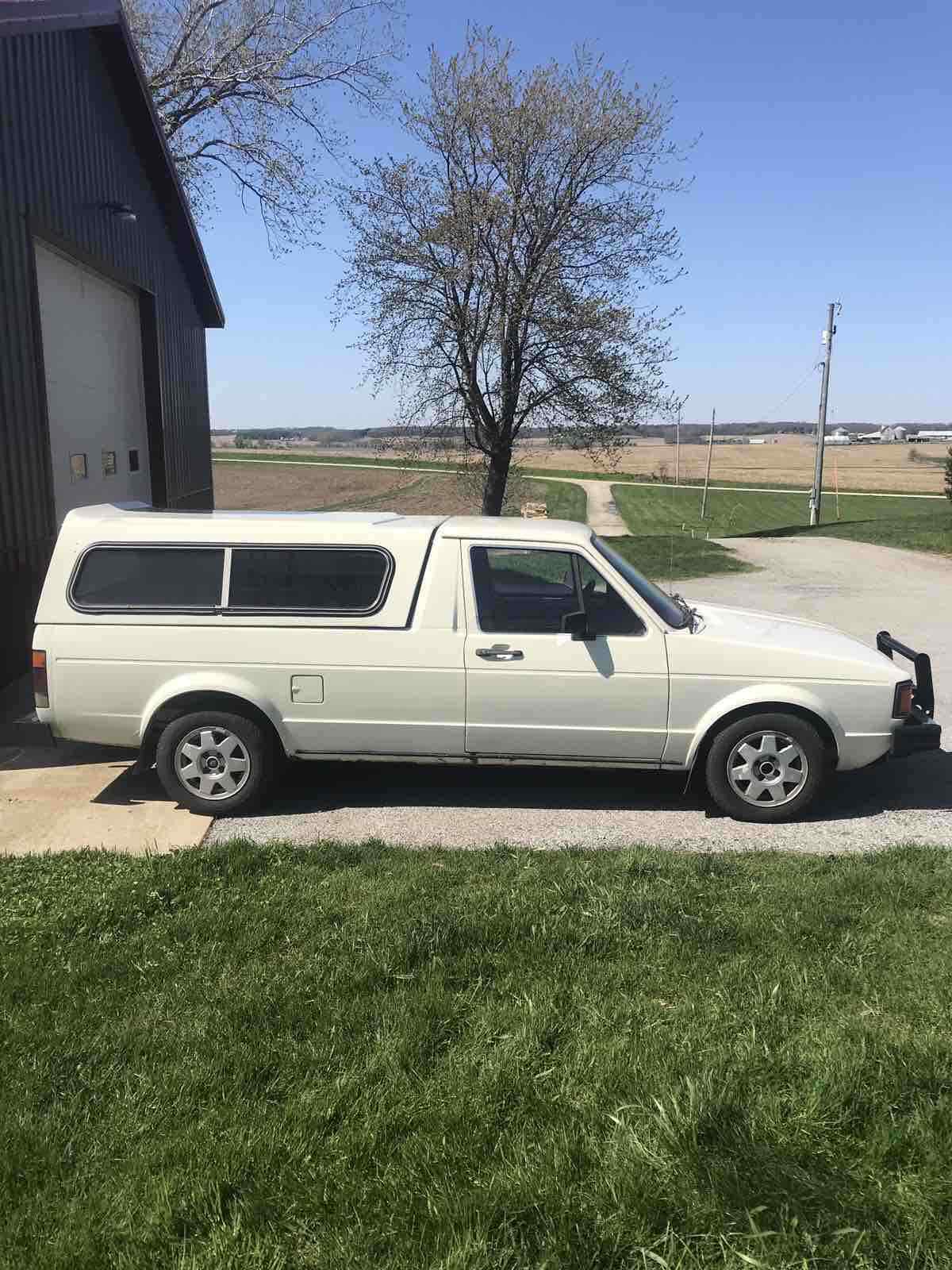
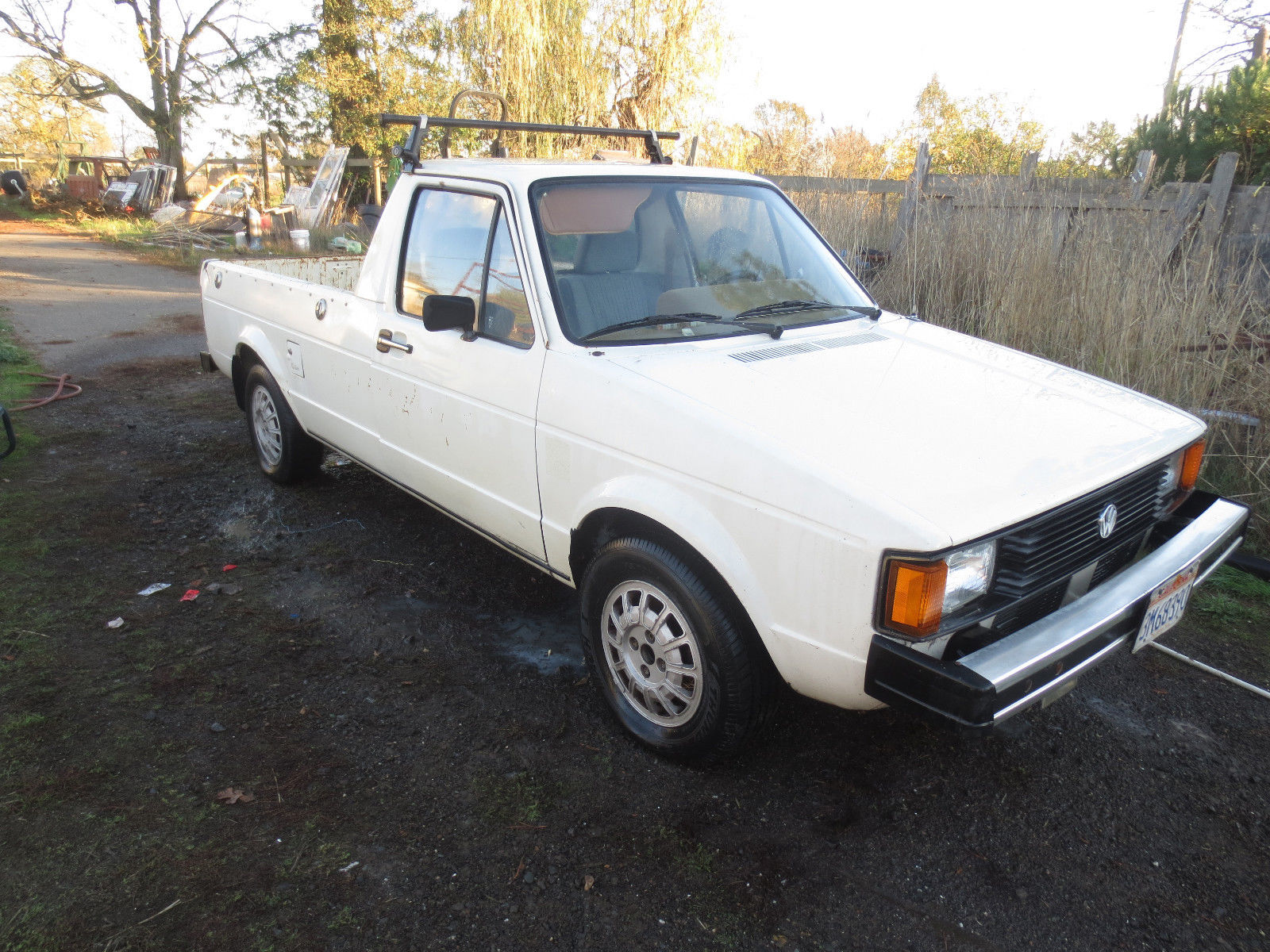
In 2026, the market for 1981 VW truck sales—officially known as the Volkswagen Rabbit Pickup in North America—remains robust due to its status as a cult classic. Current prices for these vintage compact pickups range from $6,000 for project vehicles to over $28,000 for professionally restored, diesel-powered examples.
The 1981 Volkswagen Pickup represents a unique era in automotive history. Built in Westmoreland, Pennsylvania, this vehicle was VW’s answer to the growing demand for fuel-efficient, compact utility vehicles during the late 70s and early 80s. While it was marketed as a "Rabbit Pickup" in the United States and Canada, it laid the foundation for what the rest of the world knows as the Volkswagen Caddy. Today, as we navigate 2026, the 1981 model is particularly prized for its mechanical simplicity and the "Radwood" era aesthetic that continues to dominate the collector market.
The Historical Context of the 1981 Volkswagen Rabbit Pickup
To understand the current sales environment for the 1981 VW truck, one must look at its origins. By 1981, Volkswagen had been producing the Rabbit Pickup for two years in the United States. Unlike its competitors from Toyota or Datsun (Nissan) at the time, which featured body-on-frame construction and rear-wheel drive, the VW truck was a unibody, front-wheel-drive vehicle based on the Golf/Rabbit Mk1 platform.
This design choice was revolutionary. By utilizing the front half of the Rabbit sedan and mating it to a custom truck bed with a tubular axle and leaf springs in the rear, VW created a vehicle that handled more like a nimble hatchback than a traditional work truck. In 1981, this was a major selling point for urban dwellers who needed utility without the bulk of a domestic half-ton pickup.
The 1981 model year was significant because it represented the "sweet spot" of production. The Westmoreland plant had resolved early manufacturing hiccups, and the interior options had been refined. This year also saw the continued popularity of the 1.6-liter naturally aspirated diesel engine, which remains the most sought-after powertrain in the 2026 resale market.
Technical Specifications and Performance
When evaluating 1981 VW truck sales, potential buyers often focus on the powertrain. For the 1981 model year, Volkswagen offered two primary engine choices in North America. Understanding these is vital for determining the value of a specific listing.
The 1.6L Diesel Engine (CR/JK Codes)
The 1.6-liter diesel is the "holy grail" for many VW enthusiasts. Producing a modest 52 horsepower and approximately 71.5 lb-ft of torque, it was never designed for speed. However, its efficiency was—and is—legendary. In optimal conditions, these trucks can achieve upwards of 40–45 miles per gallon. In 2026, with the ongoing emphasis on sustainable classic car ownership, the ability to run these engines on processed biodiesel adds a layer of modern relevance.
The 1.7L Gasoline Engine (EN Code)
The gasoline-powered 1981 models featured a 1.7-liter inline-four engine equipped with Bosch K-Jetronic (CIS) fuel injection. This engine produced roughly 74 horsepower. While it offers a more "spirited" driving experience compared to the diesel, the CIS fuel injection system can be temperamental if the vehicle has sat idle for long periods. Buyers in 2026 often weigh the higher maintenance requirements of the CIS system against the better cold-start performance and cabin heat (a known weakness in diesel models).
Chassis and Payload
Despite its small stature, the 1981 VW truck was surprisingly capable. It featured a 1,100-pound payload capacity. The wheelbase was stretched to 103.3 inches—nearly 9 inches longer than the Rabbit hatchback—to accommodate the 6-foot cargo bed. This bed was double-walled, a feature that helped prevent dents on the exterior panels when hauling heavy loads.
Current Market Valuation and Sales Data in 2026
The market for the 1981 VW truck has seen a steady 5% to 8% year-over-year appreciation since 2020. As of 2026, the "entry-level" price point has shifted upward as fewer rust-free examples remain.
Valuation Tiers
- Project Condition ($4,500 – $8,500): These are typically trucks with high mileage (200k+), significant interior wear, and "patina" (surface rust). They are mechanically sound but require immediate aesthetic or minor mechanical attention.
- Driver Quality ($10,000 – $16,000): These vehicles are well-maintained, often featuring refreshed paint and updated interiors. They are reliable enough for daily commuting and usually have the 1.6L diesel engine.
- Collector Grade ($18,000 – $30,000+): These are either "survivor" trucks with original paint and under 50,000 miles or high-end "restomods" featuring modern TDI engine swaps, high-quality upholstery, and upgraded suspension systems.
1981 VW Truck Sales Comparison Table
| Feature | 1.6L Diesel (Stock) | 1.7L Gas (Stock) | TDI Swap (Restomod) |
|---|---|---|---|
| Horsepower | 52 hp | 74 hp | 90–140 hp |
| Fuel Economy | 40–50 MPG | 25–30 MPG | 35–45 MPG |
| Market Rarity | High Demand | Moderate | Very High |
| Maintenance | Simple / Mechanical | CIS Injection Specialized | Complex / Electronic |
| 2026 Value (Avg) | $14,500 | $11,000 | $22,000+ |
Critical Areas to Inspect Before Buying
If you are browsing 1981 VW truck sales listings in 2026, you must look beyond the photos. These trucks have a few "Achilles' heels" that can turn a bargain into a financial burden.
Structural Rust (The "Strut Tower" Issue)
Because the Rabbit Pickup is a unibody vehicle, the front strut towers carry the weight of the engine and the force of the suspension. Water often gets trapped in the rain tray (the area below the windshield), leading to corrosion. If the strut towers are "mushroomed" or show signs of structural rot, the vehicle may be unsafe or require expensive fabrication work.
Rear Suspension and Tailgate
The rear leaf spring hangers are another common rust point. Furthermore, the tailgate on the 1981 model is unique to the truck. Unlike the fenders or doors, which can be sourced from any Mk1 Rabbit or Golf, the tailgate is notoriously difficult to find in good condition. A missing or badly damaged tailgate can decrease the vehicle's value by $1,000 to $2,000.
The "Death" of the 1.6L Head Gasket
On diesel models, the cylinder head bolts in 1981 were 11mm in diameter. These were prone to stretching, leading to head gasket failures. Many owners have since upgraded to 12mm bolts or ARP studs. When reviewing sales records, check if the head has been planed or if the gasket has been replaced with a modern multi-layer steel (MLS) version.
Where to Find 1981 VW Trucks for Sale
In 2026, the best sources for these vehicles have shifted away from traditional classifieds toward specialized enthusiast platforms.
- Bring a Trailer & Cars & Bids: These auction sites are the primary venues for high-end, collector-grade 1981 VW trucks. Expect to pay a premium here, but the listings usually include comprehensive photo galleries and mechanical videos.
- VWVortex & The Samba: These legacy forums remain the heartbeat of the VW community. Listings here are often "by enthusiasts, for enthusiasts," and you may find better deals on projects or well-loved daily drivers.
- Facebook Marketplace (Regional): For "barn find" opportunities, local listings are still viable. However, be prepared to act quickly, as these trucks often sell within hours of being posted if priced under $7,000.
The Restomod Trend: Impact on Sales
A significant portion of the 1981 VW truck sales market in 2026 involves "restomodded" vehicles. Because the Mk1 platform is so modular, it is common to find 1981 trucks with engines from later Volkswagen models.
The most popular conversion is the 1.9L ALH TDI engine from the late 90s/early 2000s. This swap triples the horsepower of the original diesel while maintaining similar fuel economy. In the current market, a clean 1981 truck with a professional TDI swap often commands a higher price than a stock original, as it makes the vehicle significantly more usable in modern highway traffic.
Another trend is the "Euro-spec" conversion. While the 1981 US-built trucks featured square headlights and heavy plastic bumpers, many sellers now "backdate" the trucks with the round headlights and small chrome bumpers found on early European Golfs. This aesthetic modification significantly increases the visual appeal and resale value.
Legal and Registration Considerations
When purchasing a 1981 vehicle in 2026, there are distinct advantages regarding regulations. In many U.S. states, a vehicle over 25 or 45 years old qualifies for Antique or Classic plates. This often exempts the owner from modern emissions testing—a crucial benefit for diesel owners or those with modified engines.
However, always verify the VIN (Vehicle Identification Number). 1981 was the first year of the standardized 17-digit VIN. For VW trucks built in Pennsylvania, the VIN should start with "1VW." If the VIN indicates it was imported (starting with "WVW"), it may have been a later-model Caddy brought over from Europe, which carries different valuation and parts-sourcing implications.
Frequently Asked Questions
Is the 1981 VW truck a good daily driver in 2026?
Yes, with caveats. Its fuel economy is excellent, and its small footprint makes it easy to park. However, it lacks modern safety features like airbags, ABS, and crumple zones. The 1981 model also has limited cabin space, which may be uncomfortable for taller drivers on long trips.
How hard is it to find replacement parts?
Mechanical parts are surprisingly easy to find. Because the 1981 truck shares its engine and front suspension with the Rabbit/Golf Mk1, most components are still manufactured by Bosch, Mahle, and various aftermarket companies. Interior trim and body panels for the rear bed, however, are becoming increasingly scarce.
Why is the 1981 model year preferred over others?
The 1981 year is often favored because it dodged some of the early "Westy" quality control issues of 1979-1980 while retaining the lighter weight and simpler electrical systems compared to the final 1984 models. It also represents the peak era of the "LX" trim package, which included a more comfortable interior.
What is the towing capacity of a 1981 VW truck?
The official towing capacity is quite low, generally not recommended to exceed 800–1,000 pounds. The unibody construction and light rear end mean that heavy trailers can compromise the vehicle’s handling and braking performance significantly.
Does the 1981 VW truck hold its value?
Historically, yes. Since the early 2010s, these trucks have transitioned from "cheap work vehicles" to "collectible classics." As long as the body remains rust-free, the 1981 VW truck is considered a safe automotive investment in 2026.
Next Steps for Prospective Buyers
If you are serious about entering the market for a 1981 VW truck, your first action should be to join a dedicated community like VWVortex or The Samba. These communities offer "pre-purchase inspection" (PPI) checklists specifically tailored to the Mk1 platform.
Furthermore, you should set up specialized alerts on auction aggregators. In 2026, the highest-quality 1981 VW truck sales happen quickly. Having your financing or cash ready is essential, as the competition for "clean" (non-rusted) examples remains at an all-time high. If you find a truck with a solid "rain tray" and strut towers, you have found a winner—the rest of the mechanicals can almost always be fixed.