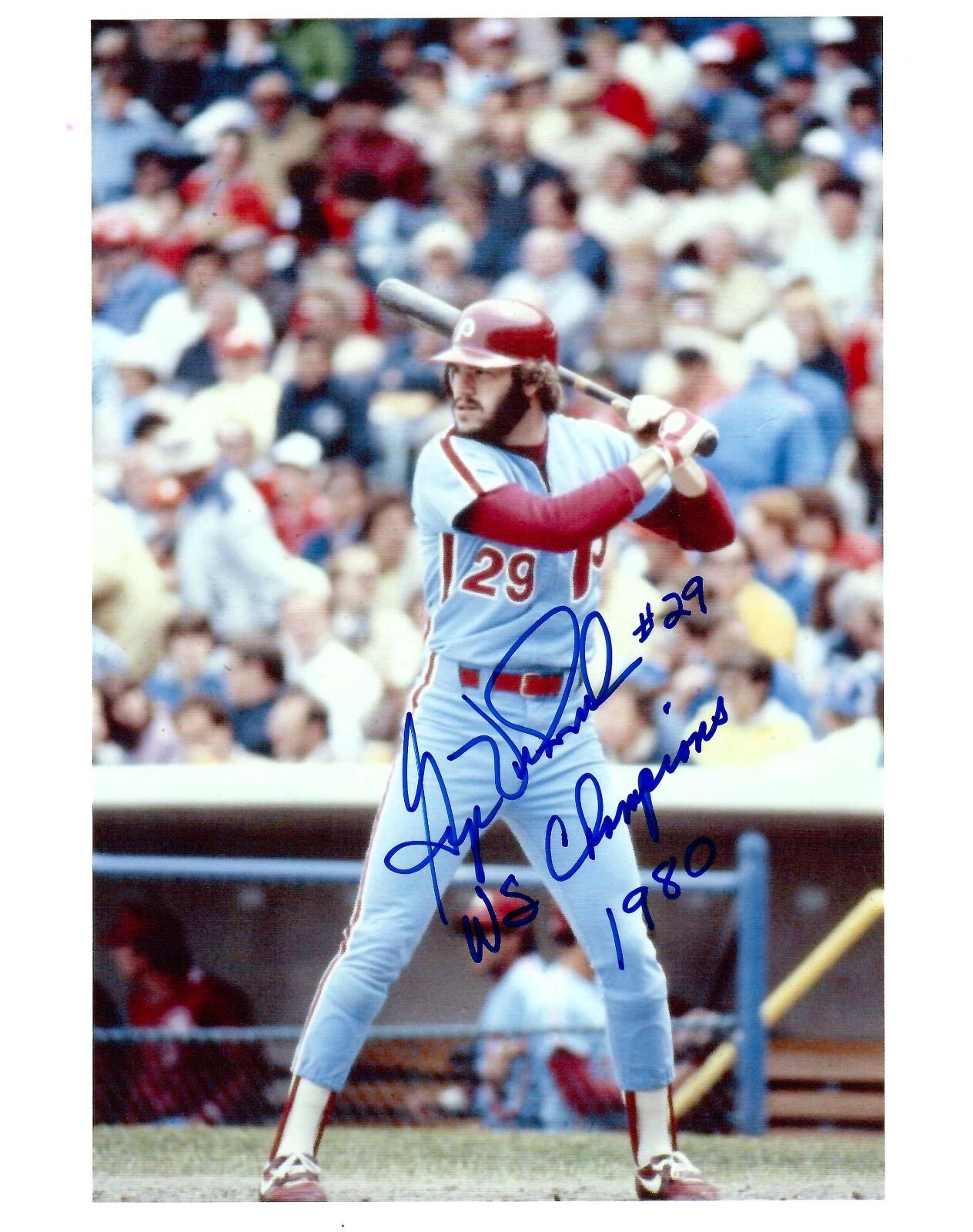
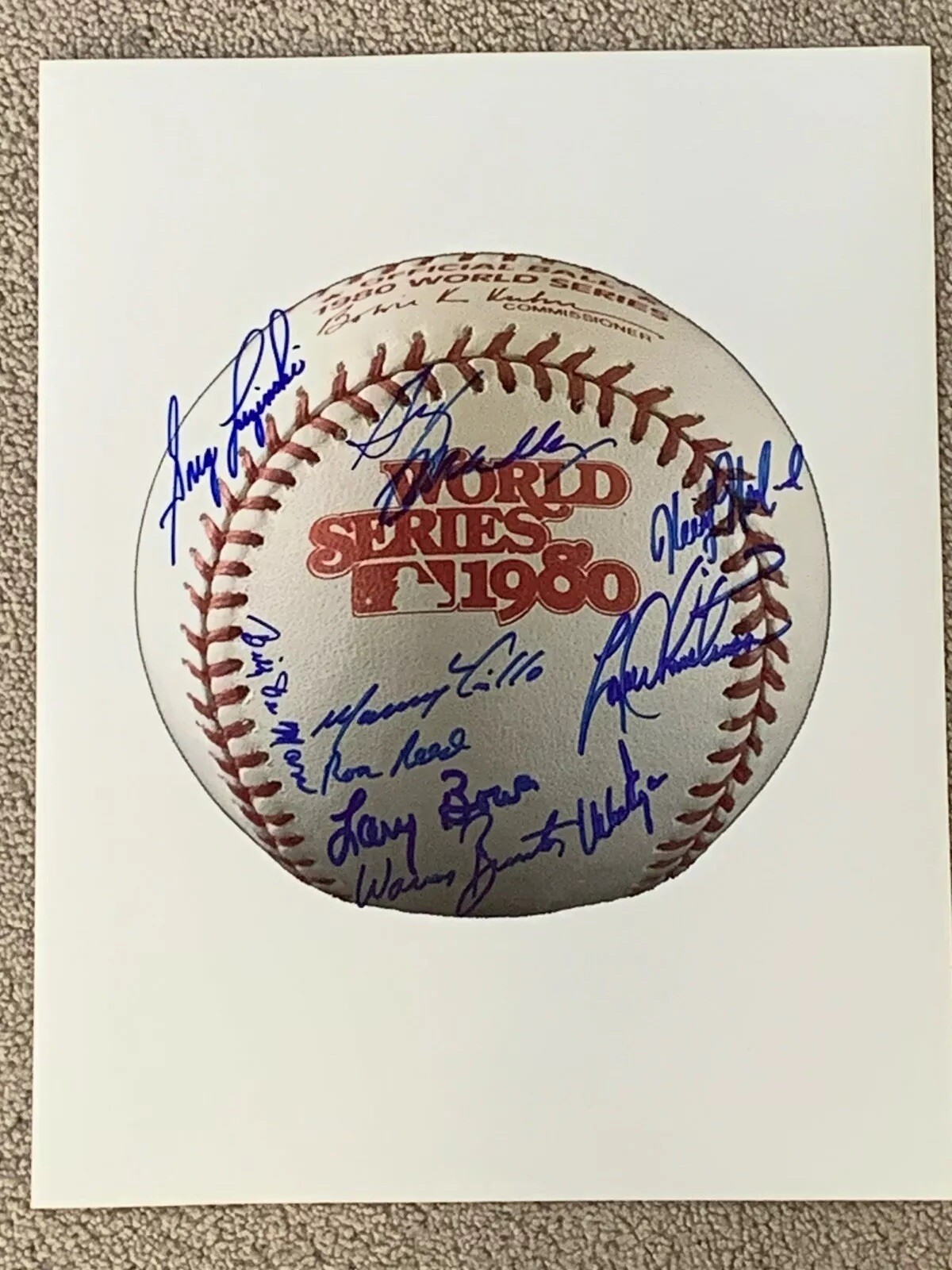
The year 1980 remains a watershed moment in Philadelphia sports history, characterized by an unprecedented level of success across all four major professional franchises. During this calendar year, the Philadelphia Phillies won their first World Series, while the Eagles, Flyers, and 76ers all reached their respective league championship rounds, cementing a unique era of regional dominance that tested the resilience and passion of the city's fanbase.
The Philosophical Weight of 1980
To understand Philadelphia sports in 1980 is to understand the social fabric of the city at the time. Philadelphia was undergoing significant industrial shifts, and the collective success of its athletic teams served as a vital cultural anchor. While many cities experience years where one team excels, the simultaneous deep postseason runs of the Phillies, Eagles, 76ers, and Flyers created a singular narrative of excellence.
This period was not merely defined by box scores; it was defined by the transition of legendary rosters. Icons like Mike Schmidt, Julius Erving, Bobby Clarke, and Ron Jaworski were all operating at or near their peak, creating a high-performance environment that demanded constant attention from the local media and the dedicated supporters in the stands.
The Philadelphia Phillies: Breaking the Curse
For the Phillies, 1980 was the year they finally shed the label of "lovable losers." After decades of frustration and several near-misses in the late 1970s, the 1980 squad, managed by Dallas Green, finally reached the pinnacle of Major League Baseball.
The path to the 1980 World Series was grueling. The team faced a dramatic National League Championship Series against the Houston Astros, defined by extra-inning contests and legendary pitching performances by Steve Carlton. The World Series against the Kansas City Royals was equally intense, culminating in a six-game victory that brought the first championship in the franchise's nearly century-long history to that point. The final out, a strikeout by Tug McGraw, remains one of the most televised and replayed moments in Philadelphia sports culture, signaling a permanent shift in the team's identity.
The Philadelphia Eagles: The Run to Super Bowl XV
The 1980 Philadelphia Eagles, led by head coach Dick Vermeil, were the embodiment of the blue-collar work ethic often associated with the city. Building on the foundation of previous seasons, the 1980 team finished with a 12-4 record, demonstrating a physical style of play that intimidated opponents throughout the NFC.
The path to Super Bowl XV was paved by a dominant defense and an efficient, disciplined offense under quarterback Ron Jaworski. The NFC Championship Game victory over the rival Dallas Cowboys at a frozen Veterans Stadium remains a touchstone of franchise history. While the team ultimately fell to the Oakland Raiders in the Super Bowl, the 1980 season proved that the Eagles were a legitimate championship contender, sparking a period of consistent competitiveness that redefined the expectations of the fanbase for the decade to follow.
The Philadelphia Flyers: The Broad Street Bullies Evolve
By 1980, the Philadelphia Flyers had moved slightly away from the pure, aggressive "Broad Street Bullies" identity of the mid-70s toward a more polished, skilled approach under coach Pat Quinn. However, the team remained a formidable presence in the NHL.
The 1979-80 season saw the Flyers achieve an incredible 35-game unbeaten streak, a record that still stands as a testament to the team's consistency and depth. Their journey in the 1980 Stanley Cup Playoffs led them back to the Final against the New York Islanders. Although they fell short in a hard-fought six-game series, the team's performance throughout the year solidified their status as a perennial powerhouse of the NHL's Patrick Division.
The Philadelphia 76ers: Pursuing the Title
The 1979-80 NBA season represented the maturation of the Julius "Dr. J" Erving era. The 76ers were a constant fixture at the top of the Eastern Conference, known for an exciting, high-flying brand of basketball that captivated local audiences.
In 1980, the Sixers pushed through to the NBA Finals against the Los Angeles Lakers. This series was historic, featuring the legendary performance of Magic Johnson playing center in Game 6 to clinch the title for the Lakers. For Philadelphia fans, it was another "almost" moment in a year filled with them, yet it highlighted the 76ers' role as a central pillar of the city’s sports excellence.
Comparative Analysis of the 1980 Philadelphia Teams
| Team | Sport | Achievement | Key Figure |
|---|---|---|---|
| Phillies | MLB | World Series Champion | Mike Schmidt |
| Eagles | NFL | Super Bowl XV Participant | Dick Vermeil |
| Flyers | NHL | Stanley Cup Finalist | Bobby Clarke |
| 76ers | NBA | NBA Finals Participant | Julius Erving |
The Impact of "The Vet" and The Spectrum
The geography of Philadelphia sports in 1980 was concentrated largely in the South Philadelphia Sports Complex. The proximity of Veterans Stadium (home to the Phillies and Eagles) and The Spectrum (home to the Flyers and 76ers) created a unique fan experience.
The "stadium culture" of 1980 was distinct. Access to these venues involved navigating massive parking lots, dealing with aging infrastructure, and experiencing a raw, unvarnished atmosphere that became the hallmark of the Philadelphia spectator. The intensity within these buildings was palpable, fueled by a fan base that demanded high effort and absolute loyalty from their teams. This era of shared geography arguably helped foster the intense, cross-sport passion that continues to define the city's sports culture today.
Common Questions Regarding the 1980 Era
Was 1980 the most successful year in Philadelphia sports history? Yes, in terms of simultaneous deep runs. It is the only year in North American professional sports history where all four major teams from a single city reached their respective league championship series or finals in the same calendar year.
Which Philadelphia team had the most dominant regular season in 1980? The Philadelphia Flyers' 35-game unbeaten streak (spanning October 1979 to January 1980) is widely cited as the most statistically impressive regular-season feat of that specific timeframe, demonstrating sustained dominance over nearly half an NHL season.
Did the 1980 season change how the city perceived its teams? The 1980 season fundamentally altered the city's psychology. Before 1980, there was a prevailing narrative of chronic underperformance, particularly for the Phillies. The 1980 World Series win acted as a catharsis that helped remove the perceived "curse" over the city’s major franchises.
How did the media influence the sports culture in 1980? Philadelphia sports media in 1980 was characterized by a high degree of accountability and critical analysis. Journalists like those at the Philadelphia Inquirer and the Philadelphia Bulletin provided intense coverage that reflected the high stakes of the era, pushing athletes and coaches to meet the extreme demands of the local fan base.
Are there remnants of the 1980 sports era still visible today? While the physical structures of Veterans Stadium and The Spectrum have been demolished, the legacy of the 1980 teams lives on through the continued presence of team legends in the local community and the annual celebrations of these anniversaries by current front offices and media outlets.
Challenges and Lessons Learned
While 1980 is celebrated, it also serves as a study in the difficulties of sustaining excellence. The pressure to repeat these performances led to significant roster changes and coaching turnover in the years that followed. For fans and analysts, the lesson of 1980 is that deep runs are often the result of a specific, narrow alignment of health, talent, and coaching—an alignment that is notoriously difficult to replicate.
The year remains a benchmark. Whenever a Philadelphia team experiences a successful season, it is almost reflexively compared to the standard set in 1980. This highlights a persistent, albeit sometimes heavy, legacy. It is a year that defines the expectations of the city, placing a premium on not just making the playoffs, but on the capacity to play—and win—on the biggest stage.
Conclusion and Historical Perspective
To look back at 1980 in Philadelphia is to look at a rare collision of timing and talent. The city was a focal point for the entire sporting world for twelve consecutive months. While the Phillies brought home the hardware, the collective endurance of the Eagles, Flyers, and 76ers turned a single year into a permanent historical marker. As we look at the modern sports landscape in 2026, the 1980 era remains the gold standard, a testament to what is possible when a city’s four major franchises align in their pursuit of excellence.
For those interested in exploring this period further, the archives of local newspapers from 1980 provide the most vivid, firsthand accounts of the tension and triumph that defined this incredible year in the history of American sports.