The 1522 SIC Code for residential general contractors designates establishments primarily engaged in the construction, remodeling, and repair of single-family and multi-family residential structures. Utilizing this Standard Industrial Classification code correctly ensures proper categorization for business licensing, commercial insurance underwriting, workers' compensation rates, and federal or state tax reporting.
What Is a Standard Industrial Classification (SIC) Code?
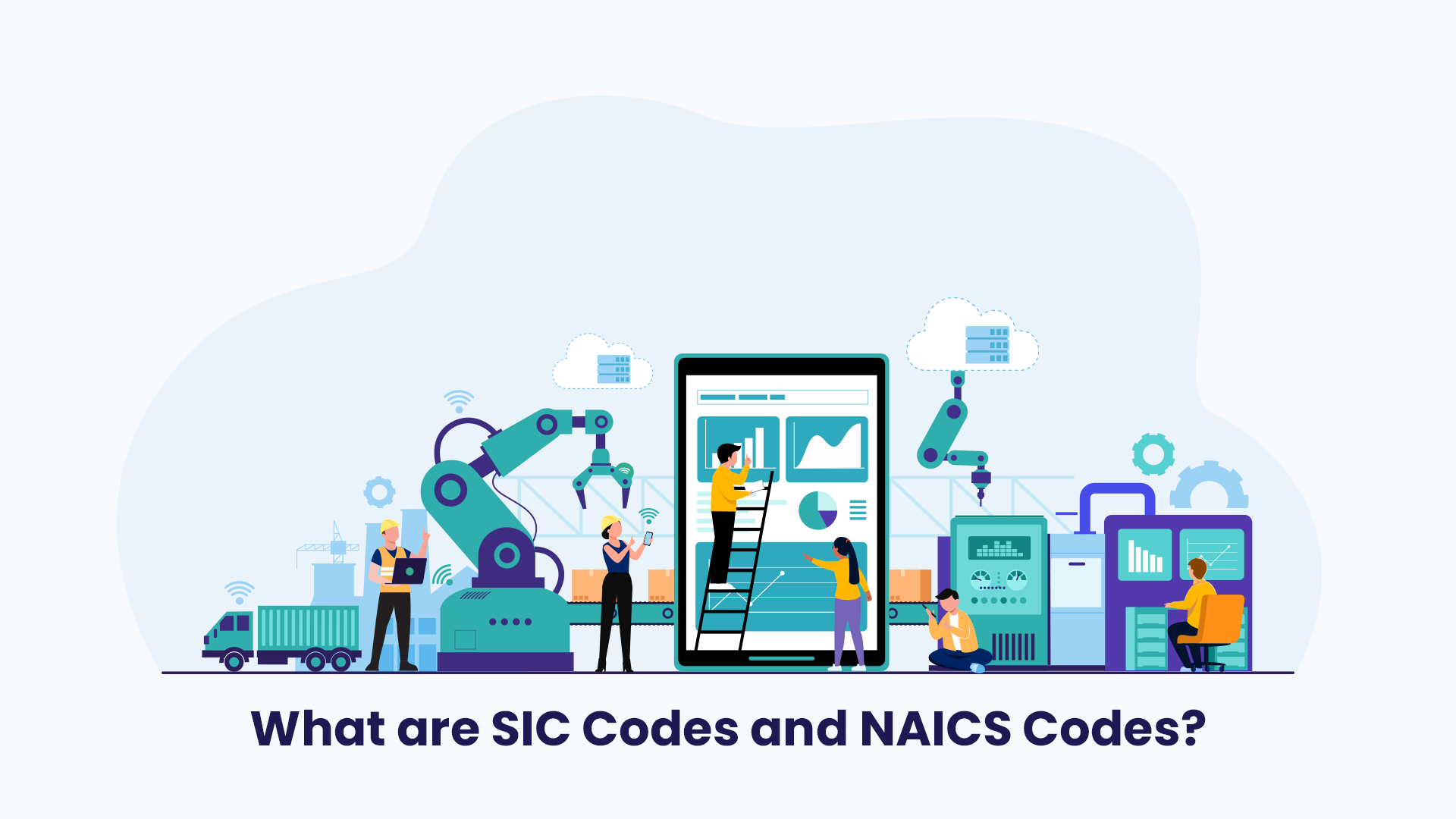
The Standard Industrial Classification system is a legacy numerical categorization method established by the United States government to classify industries by their primary business activities. While many federal agencies and financial institutions have transitioned to the newer North American Industry Classification System (NAICS), the SIC system remains deeply embedded in commercial lending, business insurance underwriting, and legacy state regulatory registries.
For contractors and trade professionals, these four-digit codes dictate how commercial entities are perceived by external stakeholders. They communicate the precise operational scope of a business at a glance. Insurance carriers, in particular, rely heavily on SIC codes to assess risk profiles. A contractor operating in structural residential construction faces a distinct statistical risk profile compared to a specialty trade contractor or a heavy civil engineering firm, making accurate code assignment crucial.
Defining SIC Code 1522: Residential Construction
SIC Code 1522 falls under Division C (Construction), within Major Group 15 (Building Construction General Contractors and Operative Builders). The specific four-digit designation 1522 is titled Residential Construction, Other Than Single-Family.
Despite the literal translation of "other than single-family," understanding how economic regulators and data compilers interpret this code requires a closer look at the broader division. In traditional SIC taxonomy, Major Group 15 encompasses two primary classifications:
- SIC Code 1531: Operative Builders (builders who build on their own account for sale).
- SIC Code 1521: General Contractors—Single-Family Houses.
- SIC Code 1522: General Contractors—Residential Buildings, Other Than Single-Family.
Businesses classified under SIC 1522 are primarily engaged in the construction of residential structures such as apartment buildings, condominiums, townhome complexes, cooperative housing developments, and multi-story residential housing units. However, general contractors who handle major residential remodeling, additions, and multi-family oversight frequently find themselves mapped to or associated with this code depending on the state or the underwriting guidelines of their commercial insurance carrier.
Scope of Activities Covered Under SIC 1522
To determine if the 1522 code applies to a specific construction enterprise, business owners must examine their primary revenue-generating activities. General contractors falling under this classification typically manage projects from inception to completion, even if they subcontract out specialized trades.
Included Operations
- General construction of multi-family residential housing (apartments, condominiums, dormitories).
- Construction of residential housing complexes and housing developments featuring attached structures.
- Remodeling, rehabilitation, and major additions to multi-family residential buildings.
- Design-build services specifically geared toward residential buildings other than single-family homes.
- Project management and site supervision for multi-unit residential structural projects.
Excluded Operations
- Single-family home construction (classified under SIC 1521).
- Operative builders who construct buildings on their own land for immediate or speculative sale (classified under SIC 1531).
- Specialty trade contractors such as plumbing, electrical, HVAC, masonry, or roofing, who work as subcontractors rather than general contractors (classified under Major Group 17).
- Non-residential building construction, such as commercial offices, warehouses, and industrial plants (classified under Major Group 15 subcodes like SIC 1541 and 1542).
SIC 1522 vs. NAICS 236116: Navigating Modern Classifications
While SIC codes remain vital for insurance and state-level historical reporting, modern tax authorities, lenders, and federal statistical agencies utilize the North American Industry Classification System. Understanding the crosswalk between SIC 1522 and its modern counterpart ensures seamless compliance across different administrative platforms.
| Classification System | Code | Title | Scope and Focus |
|---|---|---|---|
| SIC Code | 1522 | Residential Construction, Other Than Single-Family | General contractors focusing on multi-unit residential buildings, apartments, and townhomes. |
| NAICS Code | 236116 | New Multifamily Housing Construction (except Operative Builders) | General contractors responsible for the construction of new multi-family residential housing units. |
| NAICS Code | 236118 | Residential Remodelers | Remodeling, renovation, and additions to existing residential structures (single and multi-family). |
When filing corporate tax returns or registering with agencies like the Census Bureau, contractors must often provide their NAICS equivalent. Misaligning these codes can lead to processing delays or incorrect benchmarking by industry analysts.
Why Accurate Code Selection Matters for Contractors
Selecting and maintaining the correct SIC code carries direct financial and operational consequences. Insurance underwriters, state licensing boards, and financial institutions rely on these classifications to evaluate risk and compliance.
Commercial Liability and Workers' Compensation Insurance
Insurance providers use SIC codes to calculate baseline premiums. The risk profile for a multi-family residential general contractor involves elevated exposure to liability, worksite safety hazards, and multi-story scaffolding operations. If a contractor misclassifies their business under a lower-risk code (such as a clerical or low-impact commercial maintenance code), the insurer may deny coverage in the event of a catastrophic claim, adjust premiums retroactively, or drop the policy for misrepresentation.
Licensing and Regulatory Compliance
State and local licensing boards often reference business classification codes to determine whether a contractor holds the appropriate credentials for the scale of work they perform. Multi-family and commercial residential projects frequently demand stricter bonding, higher insurance minimums, and specialized trade licensures compared to light single-family remodeling.
Financial Credibility and Lending
When applying for commercial lines of credit, equipment financing, or surety bonds, underwriters examine the applicant's industry classification. A clear, verified history under SIC 1522 establishes transparency regarding the contractor's experience in managing large-scale residential projects.
Common Mistakes When Assigning Contractor SIC Codes
Contractors frequently encounter classification errors due to the overlapping nature of construction work. Avoiding these pitfalls prevents administrative penalties and insurance disputes.
- Confusing Single-Family and Multi-Family Codes: Registering a business that primarily builds single-family homes under SIC 1522, or vice versa, skews risk data and can trigger underwriting audits.
- Failing to Update Codes After Expansion: A contractor who starts out performing small residential interior renovations may initially register under specialty trade or maintenance codes. If the business transitions to acting as a general contractor for multi-story townhomes, failing to update the SIC code creates discrepancies with insurance carriers.
- Conflating General Contractors with Operative Builders: General contractors build on contract for an owner, whereas operative builders construct on their own account for sale. Misidentifying this distinction leads to incorrect code selection between SIC 1522 and SIC 1531.
Frequently Asked Questions
Is SIC Code 1522 still used by federal agencies?
No, federal statistical agencies transitioned to the NAICS system. However, SIC 1522 is still widely requested and utilized by commercial insurance carriers, private lenders, and specific state regulatory bodies for legacy compliance and risk assessment.
Can a single-family general contractor use SIC 1522?
No. Single-family general contractors should use SIC 1521 (General Contractors—Single-Family Houses). Using the wrong code can result in inaccurate insurance rate calculations and potential claims disputes.
How do I find my current SIC code?
You can find your business's assigned SIC code on your state business registration filings, commercial insurance policies, or tax documentation. If you need to assign or update a code, consult your insurance broker or corporate accountant to ensure alignment with your primary revenue source.
Does SIC 1522 cover specialty subcontractors like electricians or plumbers?
No. Specialty trade contractors have their own distinct classifications under Major Group 17 (e.g., SIC 1711 for plumbing and electrical work). SIC 1522 is reserved specifically for general contractors and builders overseeing overall residential building construction.
What is the modern equivalent of SIC 1522 in the NAICS system?
The primary modern equivalent for new multi-family construction is NAICS 236116 (New Multifamily Housing Construction). Depending on the exact nature of remodeling work, NAICS 236118 may also apply.
Next Steps for Business Owners
If you operate a residential general contracting business, review your current insurance policies, state licenses, and corporate filings to verify that SIC 1522 accurately reflects your primary operations. If your business model has evolved to include large-scale multi-family construction or commercial projects, consult with a licensed insurance professional or corporate compliance advisor to update your classifications and ensure continuous protection against underwriting discrepancies.