Modern heroes do not always wear capes or possess superhuman abilities; instead, they are everyday individuals, scientists, activists, community leaders, and innovators who address complex systemic challenges, champion human rights, and drive meaningful technological or social progress. Examining these figures reveals the diverse ways courage, empathy, and persistence manifest in the twenty-first century, offering practical blueprints for personal inspiration and civic engagement.
Defining the Modern Hero in the Twenty-First Century
The concept of heroism has undergone a profound transformation. Historically, heroic archetypes were defined by martial prowess, physical dominance, or mythic conquests. In contrast, the modern hero is largely defined by resilience in the face of systemic adversity, intellectual courage, and a commitment to collective well-being. Today’s heroes operate within interconnected global networks, utilizing modern communication, scientific research, and grassroots organization to tackle issues such as climate change, systemic inequality, public health crises, and technological ethics.
Understanding these figures requires looking past sensationalized media portrayals and examining the mechanics of their contributions. Modern heroes often labor for decades in relative obscurity before their efforts catalyze broader movements. They demonstrate that heroism is not an immutable genetic trait, but a series of deliberate choices made under pressure. By exploring 12 modern heroes and their distinct spheres of influence, readers can identify actionable pathways for making positive impacts in their own communities and professional fields.
1. Environmental Guardians and Climate Advocates
Climate change and ecological degradation represent some of the most critical threats facing global stability. Modern heroes in this domain combine scientific literacy with fierce public advocacy, challenging entrenched corporate and political interests to protect fragile ecosystems.
Greta Thunberg
Greta Thunberg catalyzed a global youth climate movement starting with a solitary school strike outside the Swedish parliament in 2018. Her approach emphasizes uncompromising adherence to scientific consensus, famously admonishing world leaders to "act as if the house is on fire." Thunberg's advocacy demonstrates the power of moral clarity and persistence, proving that individual voices can mobilize millions across international borders through movements like Fridays for Future.
Wangari Maathai (Legacy and the Green Belt Movement)
Though her work began in the late twentieth century, the structural impacts of Wangari Maathai’s Green Belt Movement continue to define modern ecological heroism. As the first African woman to win the Nobel Peace Prize, Maathai connected environmental conservation with grassroots democracy and women's rights in Kenya. Her model of community-based tree planting established a vital framework for sustainable development that modern environmentalists continue to replicate globally.
2. Pioneers of Public Health and Medical Innovation
The complexity of modern global health demands extraordinary dedication from researchers, clinicians, and public health administrators who risk their safety to combat disease and expand medical access.
Dr. Denis Mukwege
Dr. Denis Mukwege is a Congolese gynecologist and human rights activist who has dedicated his life to treating survivors of sexual violence in the Democratic Republic of Congo. Operating the Panzi Hospital in Bukavu, Mukwege has treated tens of thousands of women while advocating tirelessly on the international stage to hold perpetrators accountable. His work exemplifies physical and moral courage in a conflict zone, earning him the Nobel Peace Prize in 2018.
Katalin Karikó
The lifesaving impact of messenger RNA (mRNA) vaccine technology during global health crises rests largely on the decades of persistent, underfunded research conducted by biochemist Katalin Karikó. Despite facing institutional skepticism, demotions, and a lack of grant funding for years, Karikó maintained her focus on synthetic mRNA applications. Her unwavering dedication ultimately laid the scientific foundation for the vaccines that saved millions of lives during the COVID-19 pandemic.
3. Champions of Free Speech and Digital Rights
In an era dominated by digital communication, data surveillance, and algorithmic control, modern heroes are emerging to defend civil liberties, journalistic integrity, and open access to information.
Malala Yousafzai
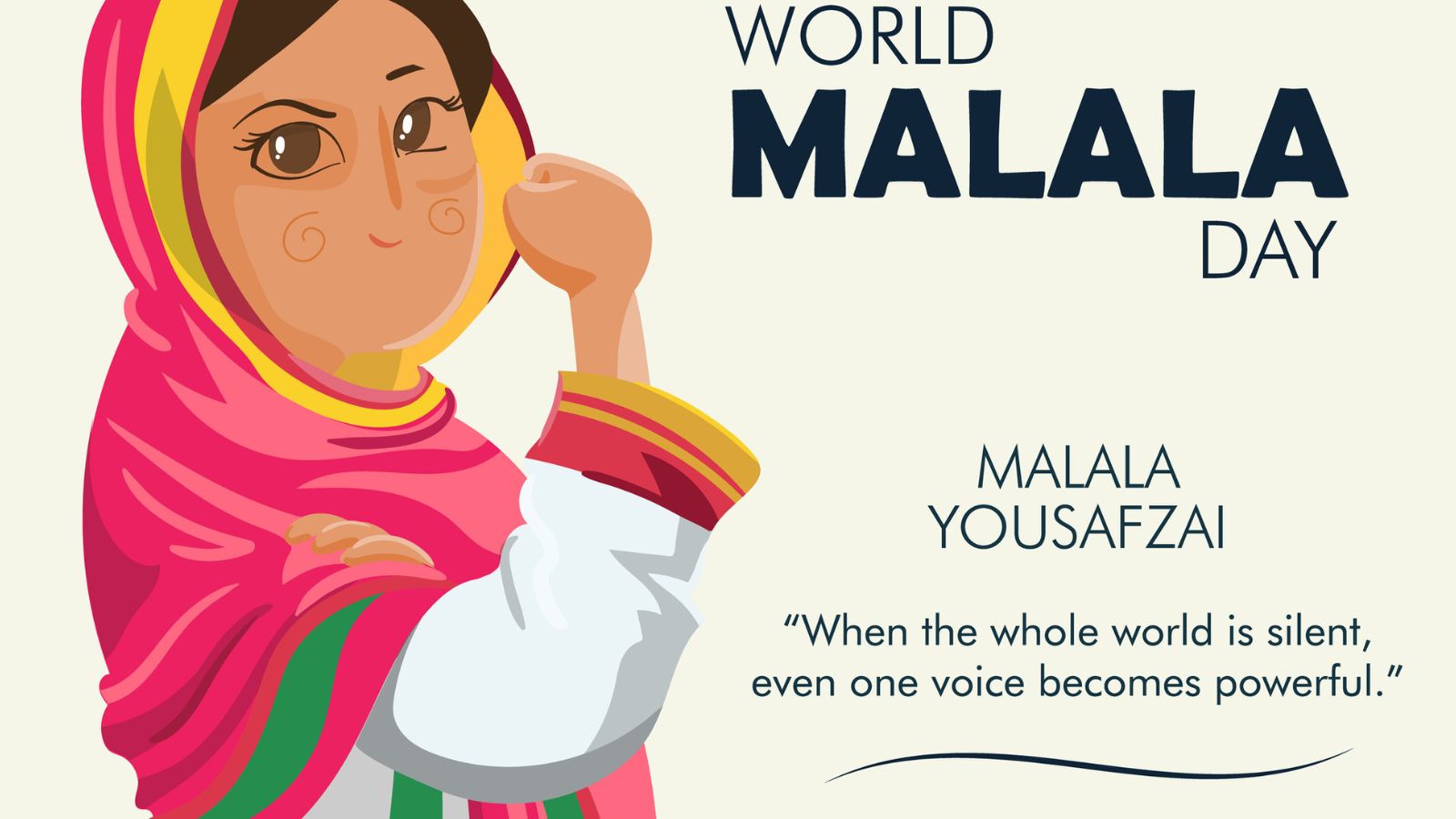
Shot by the Taliban in 2012 for advocating girls' education in Pakistan’s Swat Valley, Malala Yousafzai survived a targeted assassination attempt to become the youngest-ever Nobel Prize laureate. Through the Malala Fund, she continues to advocate globally for twelve years of free, safe, and quality education for every child. Yousafzai’s journey highlights how youthful resilience can transform personal tragedy into an enduring institutional force for global education rights.
Alexei Navalny
Alexei Navalny demonstrated extraordinary political courage by returning to Russia in 2021 knowing he faced immediate arrest and imprisonment, following an attempted poisoning. Through meticulous anti-corruption investigations published online, Navalny exposed state-level kleptocracy and mobilized domestic political opposition. His steadfast resistance against authoritarian overreach serves as a stark reminder of the personal costs associated with defending democratic freedoms.
4. Innovators in Humanitarian Aid and Poverty Alleviation
Addressing structural poverty and displacement requires innovative logistical frameworks and compassionate leadership that challenges traditional charity models in favor of sustainable empowerment.
Chef José Andrés
Chef José Andrés redefined disaster relief by founding World Central Kitchen (WCK) in 2010. Rather than relying on traditional, slow-moving bureaucratic food distribution models, WCK mobilizes local culinary networks to serve fresh, dignified meals to communities affected by natural disasters, geopolitical conflicts, and humanitarian crises within hours of an event. Andrés exemplifies operational agility and human-centric service in emergency management.
Paul Farmer (Legacy and Partners In Health)
The late Dr. Paul Farmer revolutionized global health delivery in impoverished regions, beginning in rural Haiti through the organization Partners In Health. Farmer insisted that high-quality healthcare is a fundamental human right, not a commodity. By integrating community health worker models with advanced clinical treatment for diseases like tuberculosis and HIV, Farmer shifted the paradigm of international aid from paternalistic charity to structural solidarity.
5. Social Justice Reformers and Civil Rights Advocates
Systemic inequalities require sustained legal, social, and cultural interventions led by individuals who challenge discriminatory structures and demand equity.
Bryan Stevenson
Bryan Stevenson is a public interest lawyer, founder of the Equal Justice Initiative, and author who has dedicated his career to fighting systemic bias in the United States criminal justice system. Stevenson has successfully argued cases before the United States Supreme Court, winning relief for condemned prisoners, juveniles sentenced to life without parole, and the wrongly convicted. His work combines rigorous legal advocacy with historical remembrance, notably through the National Memorial for Peace and Justice.
Tarana Burke
Tarana Burke originally coined the phrase "Me Too" in 2006 to empower vulnerable women and girls of color who survived sexual trauma through empathy and shared community strength. When the phrase resurfaced as a viral digital movement in 2017, Burke ensured the focus remained on grassroots healing, survivor support, and systemic accountability. Her leadership illustrates the profound impact of long-term community organizing in shifting global cultural norms.
6. Technological and Scientific Visionaries
Modern technological progress relies on individuals who look past commercial monetization to solve fundamental logistical, energy, and space exploration challenges.
Tim Berners-Lee
By inventing the World Wide Web in 1989 and deliberately refusing to patent his creation or charge royalties, Sir Tim Berners-Lee ensured that the internet remained an open, decentralized platform for humanity. His commitment to an open web catalyzed modern global commerce, education, and communication. Berners-Lee's choice represents a rare fusion of technical genius and ethical altruism.
Jane Goodall
Dr. Jane Goodall transformed our understanding of animal behavior and human evolution through her groundbreaking field research on wild chimpanzees in Gombe Stream National Park, Tanzania. Transitioning from field scientist to global conservationist, Goodall established the Jane Goodall Institute and the Roots & Shoots youth program. Her lifelong dedication underscores the importance of empathy in scientific observation and environmental stewardship.
Comparison of Modern Hero Archetypes
| Hero Archetype | Core Focus Area | Primary Methods | Representative Example |
|---|---|---|---|
| Environmental Guardian | Climate and conservation | Grassroots mobilization, policy advocacy | Greta Thunberg |
| Public Health Pioneer | Medical science and care | Laboratory research, clinical treatment | Katalin Karikó |
| Digital Rights Defender | Free speech and democracy | Investigative journalism, public dissent | Alexei Navalny |
| Humanitarian Innovator | Disaster relief and aid | Rapid logistical deployment, community food networks | José Andrés |
| Social Justice Reformer | Civil rights and equity | Legal advocacy, systemic reform litigation | Bryan Stevenson |
How to Apply Modern Hero Principles in Daily Life
Drawing inspiration from these twelve figures does not require launching a global foundation or facing systemic persecution. Everyday heroism is practiced through consistent, intentional actions within local spheres of influence.
- Identify Local Needs: Examine your immediate workplace, neighborhood, or school to identify overlooked systemic issues, such as food insecurity, lack of educational resources, or environmental waste.
- Commit to Long-Term Persistence: True impact rarely happens overnight. Expect setbacks, institutional resistance, and slow progress, maintaining focus on your core objective over years rather than months.
- Collaborate Across Networks: Modern challenges are too complex for isolated individuals. Partner with existing community organizations, leverage digital communication tools, and build coalitions with diverse stakeholders.
- Prioritize Ethical Integrity: Ensure that your methods align with your ultimate goals. Transparency, empathy, and respect for human dignity must govern your approach to advocacy and problem-solving.
Frequently Asked Questions
What defines a modern hero compared to a historical hero?
Modern heroes are typically defined by their engagement with systemic, globalized challenges—such as climate change, digital privacy, and structural inequality—often utilizing collaborative networks, scientific research, and grassroots organization rather than physical combat or solitary conquest.
Can ordinary people become modern heroes?
Yes. Modern heroism is primarily rooted in daily choices, civic participation, and sustained commitment to community well-being. Many modern heroes started as ordinary individuals who refused to ignore injustice or human suffering in their immediate environments.
How do modern heroes balance personal safety with activism?
Many modern heroes operate in high-risk environments, such as authoritarian states or conflict zones. They frequently rely on international coalitions, digital encryption, legal protections, and media visibility to mitigate personal risks while continuing their advocacy.
Why is scientific research often highlighted in modern heroism?
Scientific and technological advancements provide the foundational tools necessary to address complex global crises, from public health pandemics to renewable energy transitions. Researchers who persist through systemic underfunding and skepticism play a critical role in safeguarding human futures.