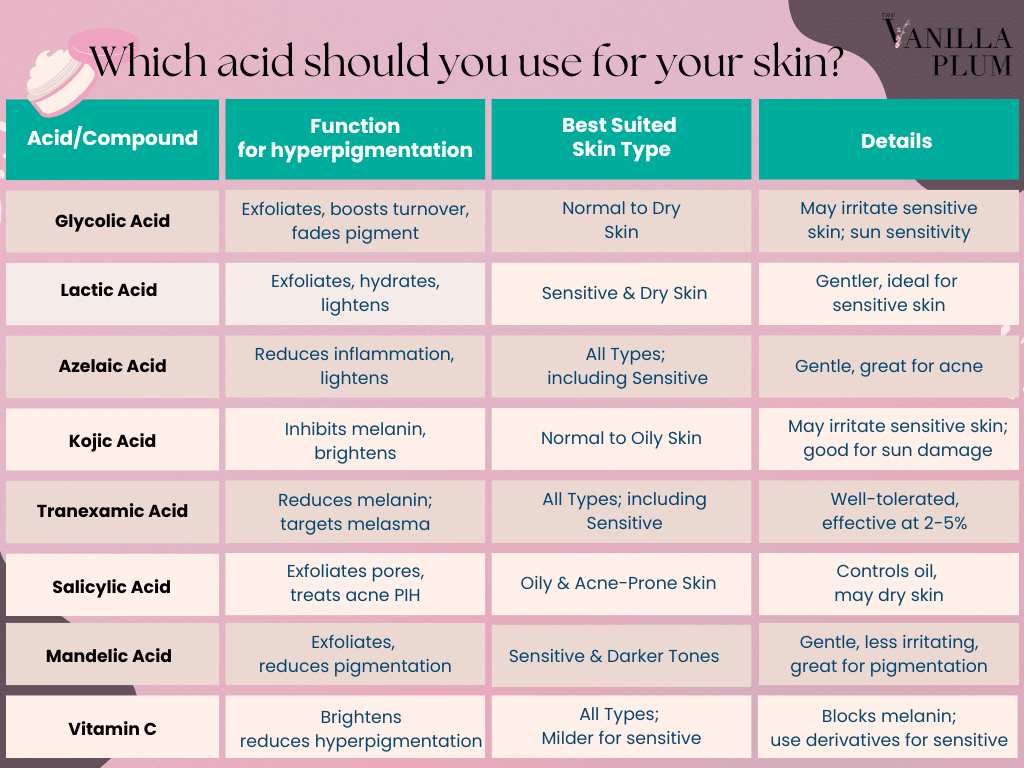
When searching for the single most effective product to fade and eliminate hyperpigmentation caused by UV exposure, dermatological consensus frequently points to targeted treatments combining tyrosinase inhibitors with gentle cellular turnover accelerators. Among topical serums, SkinCeuticals Discoloration Defense stands out as the premier, clinically backed formulation for systematically addressing stubborn sunspots and melasma.
Sunspots—medically known as solar lentigines—are flat, darkened patches of skin that develop after years of ultraviolet (UV) exposure. Unlike freckles, which often fade in the winter months, sunspots are more permanent deposits of melanin triggered by localized overproduction from melanocytes. Successfully treating these spots requires more than a standard brightening moisturizer; it demands active ingredients that disrupt melanin synthesis at a cellular level without compromising the skin's moisture barrier.
Navigating the crowded skincare market to find a remedy that delivers measurable results can be overwhelming. Understanding how active ingredients function, evaluating clinical data, and managing expectations regarding timelines are critical steps toward achieving an even, radiant complexion.
Understanding Sunspots: Causes and Identification
Before investing in topical treatments, it is essential to correctly identify the spots on your skin and understand their origin. Sunspots develop when ultraviolet radiation stimulates melanocytes—the pigment-producing cells in the epidermis—to overproduce melanin. This excess pigment clusters in specific areas exposed to high amounts of sunlight, such as the face, hands, shoulders, and forearms.
Characteristics of Solar Lentigines
- Appearance: Well-defined, flat, tan, brown, or dark spots that differ significantly from the surrounding skin tone.
- Location: Predominantly found on sun-exposed areas like the face, neck, chest, and dorsal hands.
- Behavior: Unlike cancerous lesions, sunspots are uniform in color and texture and do not change rapidly, bleed, or itch. However, any new or evolving spot should always be evaluated by a board-certified dermatologist to rule out malignancy.
Recognizing that these spots originate deep within the epidermal-dermal junction helps clarify why surface-level physical exfoliation alone is rarely sufficient. Effective fading requires biochemical intervention to interrupt the melanin production pathway.
Key Active Ingredients for Sunspot Erasure
The efficacy of any hyperpigmentation treatment depends entirely on its formulation chemistry. Dermatologists look for specific gold-standard active ingredients when recommending products to patients struggling with sun damage.
1. Tranexamic Acid
Tranexamic acid is a synthetic derivative of the amino acid lysine. Originally used in medicine to control bleeding, dermatologists discovered its profound ability to inhibit melanin synthesis. It works by blocking the interaction between keratinocytes and melanocytes, preventing the pigment transfer that darkens the surface of the skin. It is particularly effective for stubborn discoloration and is well-tolerated by sensitive skin types.
2. Kojic Acid and Niacinamide
Kojic acid, a byproduct of fungi fermentation during the production of sake, acts as a natural tyrosinase inhibitor. Tyrosinase is the crucial enzyme responsible for converting the amino acid tyrosine into melanin. By starving the pathway of this enzyme, kojic acid stops new dark spots from forming. Niacinamide (Vitamin B3) complements this process by preventing the transfer of melanosomes to skin cells while strengthening the skin barrier and reducing inflammation.
3. Exfoliating Acids (AHAs and BHAs)
Alpha-hydroxy acids (like glycolic and lactic acid) and beta-hydroxy acids (like salicylic acid) dissolve the intercellular glue holding dead, pigmented skin cells to the surface. This accelerates cellular turnover, pushing pigmented cells up and off the skin faster while allowing deeper-penetrating brightening agents to work more efficiently.
In-Depth Review: SkinCeuticals Discoloration Defense
SkinCeuticals Discoloration Defense has earned its reputation among dermatologists as an industry benchmark for treating stubborn sunspots and post-inflammatory hyperpigmentation.
Formulation and Active Profile
Unlike single-ingredient serums, this multi-phase formulation combines a synergistic blend of heavy-hitting correctors:
- 3% Tranexamic Acid: Targets the pathways responsible for localized skin discoloration.
- 1% Kojic Acid: Enhances overall brightness by inhibiting tyrosinase activity.
- 5% Niacinamide: Soothes the skin and prevents new pigment transfer.
- 5% Hepes: A synthetic sulfonic acid that stimulates enzymatic activity to gently exfoliate dead surface cells.
Texture, Application, and Sensory Experience
The serum features a lightweight, fluid texture that absorbs almost instantly without leaving a sticky or greasy residue. It is fragrance-free, reducing the risk of irritation or contact dermatitis. Users typically apply three to five drops to a clean face twice daily, making it easy to layer under heavy moisturizers and daily sunscreens without pilling.
Clinical Performance and Timeline
Clinical evaluations demonstrate visible improvements in the appearance of stubborn brown spots and overall skin tone clarity within two weeks, with progressive enhancement continuing through week twelve. Because skin cell renewal follows a roughly 28-to-40-day cycle, patience is mandatory. Users must commit to consistent application over several months to observe maximum clearance.
Cost and Value Considerations
Positioned at a luxury price point (typically retailing around $105 for a 1-ounce bottle), this product is an investment. However, its targeted dropper design minimizes product waste, ensuring a single bottle lasts approximately two to three months with twice-daily use.
| Feature / Metric | SkinCeuticals Discoloration Defense | Standard Over-the-Counter Brightening Serum |
|---|---|---|
| Primary Active Ingredients | 3% Tranexamic Acid, 1% Kojic Acid, 5% Niacinamide, 5% Hepes | Single-agent Vitamin C or generic botanical extracts |
| Target Mechanism | Multi-pathway inhibition (tyrosinase blocking, pigment transfer prevention, cellular turnover) | Primarily antioxidant protection with mild exfoliation |
| Average Price Point | Premium (~$105.00 / 1 oz) | Budget to Moderate ($15.00 – $40.00 / 1 oz) |
| Fragrance Status | Fragrance-free | Frequently contains synthetic fragrances or essential oils |
| Average Timeline to Visible Results | 2 to 4 weeks (clinical studies) | 8 to 12 weeks or negligible results |
Comprehensive Comparison: Topical Serums vs. Professional Interventions
While high-potency topical serums like SkinCeuticals Discoloration Defense offer a convenient at-home solution, they exist within a broader ecosystem of sunspot treatments. Understanding how topicals compare to in-office dermatological procedures helps set realistic expectations.
Topical Serums
- Pros: Non-invasive, affordable relative to procedures, easy to integrate into daily routines, progressive results without downtime.
- Cons: Require strict daily consistency, take weeks or months to show dramatic changes, and may not fully eliminate deep dermal pigmentation.
Laser Therapy (e.g., Q-Switched, Pico, or Intense Pulsed Light - IPL)
- Pros: Rapid results often achieved in one to three sessions; targets stubborn, deeply rooted pigment effectively.
- Cons: High cost per session, potential for temporary downtime or bruising, and risk of post-inflammatory hyperpigmentation if performed improperly or on darker skin tones without adequate preparation.
Chemical Peels (Medical Grade)
- Pros: Excellent for resurfacing texture while lifting surface pigment.
- Cons: Controlled skin trauma requiring recovery time, peeling, and strict post-peel sun avoidance.
For most individuals, a high-performance topical serum serves as both a standalone maintenance tool and a vital post-procedure protector to prevent treated spots from returning.
Common Mistakes When Treating Sunspots
Even with the best products on the market, users often sabotage their progress through simple oversight. Avoiding these common pitfalls will dramatically improve treatment outcomes.
1. Neglecting Daily Broad-Spectrum Sunscreen
The single most destructive mistake is failing to wear broad-spectrum sunscreen daily. UV rays stimulate melanocytes instantly. If you apply advanced brightening serums during the day without shielding your skin with SPF 30 or higher, the sun will continuously recreate the pigment faster than the product can break it down. Mineral sunscreens containing zinc oxide offer superior immediate physical defense.
2. Over-Exfoliating the Skin
Panic-driven users often layer harsh scrubs, high-strength retinoids, and multiple acid toners simultaneously to fast-track results. This compromises the skin barrier, leading to chronic inflammation, irritation, and ironically, worse hyperpigmentation (post-inflammatory hyperpigmentation). Introduce actives slowly and maintain a nourishing, hydrating baseline routine.
3. Expecting Instant Miracles
Melanin is deeply embedded in the skin layers. Skin regeneration takes time. Abandoning a clinically proven formula after ten days because a spot has not vanished guarantees frustration. True fading requires a minimum of eight to twelve weeks of uninterrupted use.
Frequently Asked Questions
Can sunspots disappear completely with topical products?
Topical treatments can significantly fade sunspots until they become virtually invisible against the surrounding skin. However, because the underlying melanocytes have memory and underlying UV damage remains in the skin, those same spots can darken again if exposed to sunlight without strict protection.
Is SkinCeuticals Discoloration Defense safe for sensitive skin?
Yes. Unlike hydroquinone or high-percentage retinoids which frequently cause flaking and redness, this formula is fragrance-free and utilizes gentle exfoliating acids paired with soothing niacinamide. Individuals with reactive skin should patch-test the product on their inner forearm for 24 hours prior to facial application.
Can I use this product alongside vitamin C or retinol?
Yes, but timing matters to prevent irritation. Many users apply a Vitamin C antioxidant serum in the morning for environmental defense and reserve the Discoloration Defense serum for the evening routine. If using a retinoid at night, alternate nights or apply the brightening serum in the morning and retinol at night, monitoring your skin's tolerance closely.
Do sunspots turn into skin cancer?
Benign sunspots (solar lentigines) are non-cancerous and do not transform directly into melanoma. However, heavy sun damage that creates sunspots also increases your cumulative risk for skin cancer. Always monitor spots for the ABCDEs of melanoma (Asymmetry, Border irregularity, Color variation, Diameter larger than 6mm, and Evolving shape) and consult a dermatologist annually.
Are these products safe during pregnancy?
While many botanical and niacinamide-based brighteners are safe, formulations containing high percentages of specific acids or prescription-strength retinoids should be avoided during pregnancy. Always consult an obstetrician before introducing new active skincare ingredients during pregnancy or lactation.
Conclusion and Next Actions
Achieving an even, luminous complexion requires patience, dedication, and the right biochemical tools. SkinCeuticals Discoloration Defense represents the pinnacle of modern topical formulation, targeting stubborn sunspots through multi-pathway inhibition without harsh irritation.
To maximize your results, commit to a simple three-step action plan: integrate a targeted brightening serum into your daily routine, apply a broad-spectrum mineral sunscreen every single morning regardless of the weather, and schedule an annual skin check with a board-certified dermatologist to ensure your skin remains healthy and protected.