Most accredited zoos do not accept unwanted domestic or exotic pets due to strict biosecurity protocols, genetic management programs, and regulatory limits. While a few specialized wildlife sanctuaries and select European zoos accept specific animals for conservation or natural feeding programs, standard zoos cannot take household pets. Responsible options include specialized exotic rescues and humane societies.
The Truth About Zoos and Unwanted Pets
Many pet owners facing sudden life changes, financial hardship, or the unexpected burden of caring for an exotic animal assume that a local zoo is the ideal place to surrender their pet. The logic seems straightforward: zoos have animal care experts, spacious enclosures, and veterinary staff qualified to handle non-traditional species. However, modern zoological institutions almost universally enforce strict policies prohibiting public pet surrenders.
Understanding why public zoos reject unwanted pets requires looking at how modern zoological facilities operate. accredited zoos function as conservation centers, research institutions, and educational facilities rather than animal shelters or rescue facilities.
1. Biosecurity and Disease Prevention
The primary barrier to accepting surrendered pets is biosecurity. Household pets and captive-bred exotic animals kept in private homes can carry hidden pathogens, parasites, viruses, or bacterial infections that are not present in managed zoo populations. Introducing an unscreened animal into a zoo environment poses a catastrophic risk to endangered or highly sensitive species.
For example, domestic reptiles often carry strains of Salmonella or fungal pathogens like Ophidiomyces ophiodiicola (snake fungal disease) that can quickly decimate valuable collection animals. Quarantining, blood testing, and evaluating a single surrendered animal requires substantial financial and veterinary resources that zoos allocate toward endangered species conservation.
2. Species Survival Plans (SSP) and Pedigree Management
Accredited zoological facilities—such as those certified by the Association of Zoos and Aquariums—manage their animal populations through rigorous scientific programs known as Species Survival Plans (SSPs). These plans maintain genetically diverse, demographically stable populations of threatened and endangered species across global partner networks.
Every animal in an accredited zoo's breeding program has a documented lineage, known genetic background, and studbook record. Pets purchased from pet stores, private breeders, or online marketplaces lack verified genetic documentation. Introducing an animal of unknown lineage into a managed breeding program can cause genetic bottlenecks or introduce undesirable traits, rendering the animal unsuitable for conservation goals.
3. Space, Budget, and Capacity Constraints
Zoos operate under rigid operational budgets and exhibit master plans. Every enclosure is designed for specific species dynamics, social groupings, and environmental enrichment needs. Holding facilities behind the scenes are designated for veterinary isolation, quarantine, or temporary housing during habitat maintenance.
Taking in surrendered animals from the public creates severe overcrowding and consumes resources intended for sanctuary-born animals or wild species undergoing rehabilitation.
4. Regulatory and Licensing Restrictions
Maintaining wild and exotic animals requires licenses from state wildlife agencies, federal authorities, and international bodies. In the United States, facilities are regulated under the Animal Welfare Act by the United States Department of Agriculture (USDA) and the U.S. Fish and Wildlife Service.
Licensing limits specify the exact number, acquisition source, and housing parameters for captive wildlife. Accepting unauthorized surrenders from private citizens can jeopardize a facility's legal standing and accreditation status.
The Exception: Zoos Accepting Animals for Feed or Specific Sanctuaries
While standard accredited zoos in North America do not take unwanted pets for display, there are notable exceptions globally and within specialized sectors of the animal care industry.
- Unwanted Pet / Animal
- Domestic Pet
- Humane Society / Local Shelter
- Exotic / Farm Animal
- Specialized Sanctuary / Species Rescue / Feed Donation
- Domestic Pet
The European Carnivore Feeding Programs
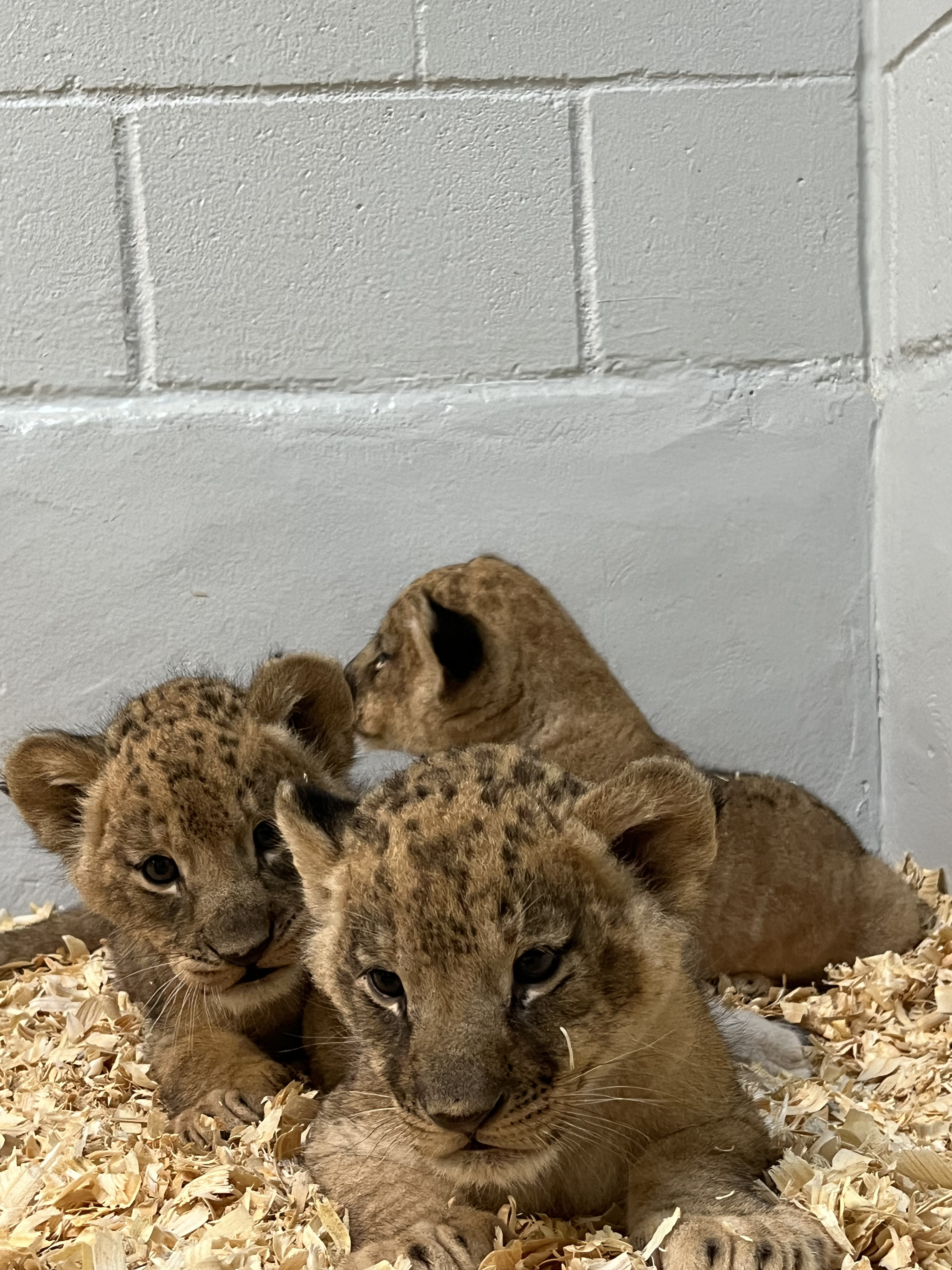
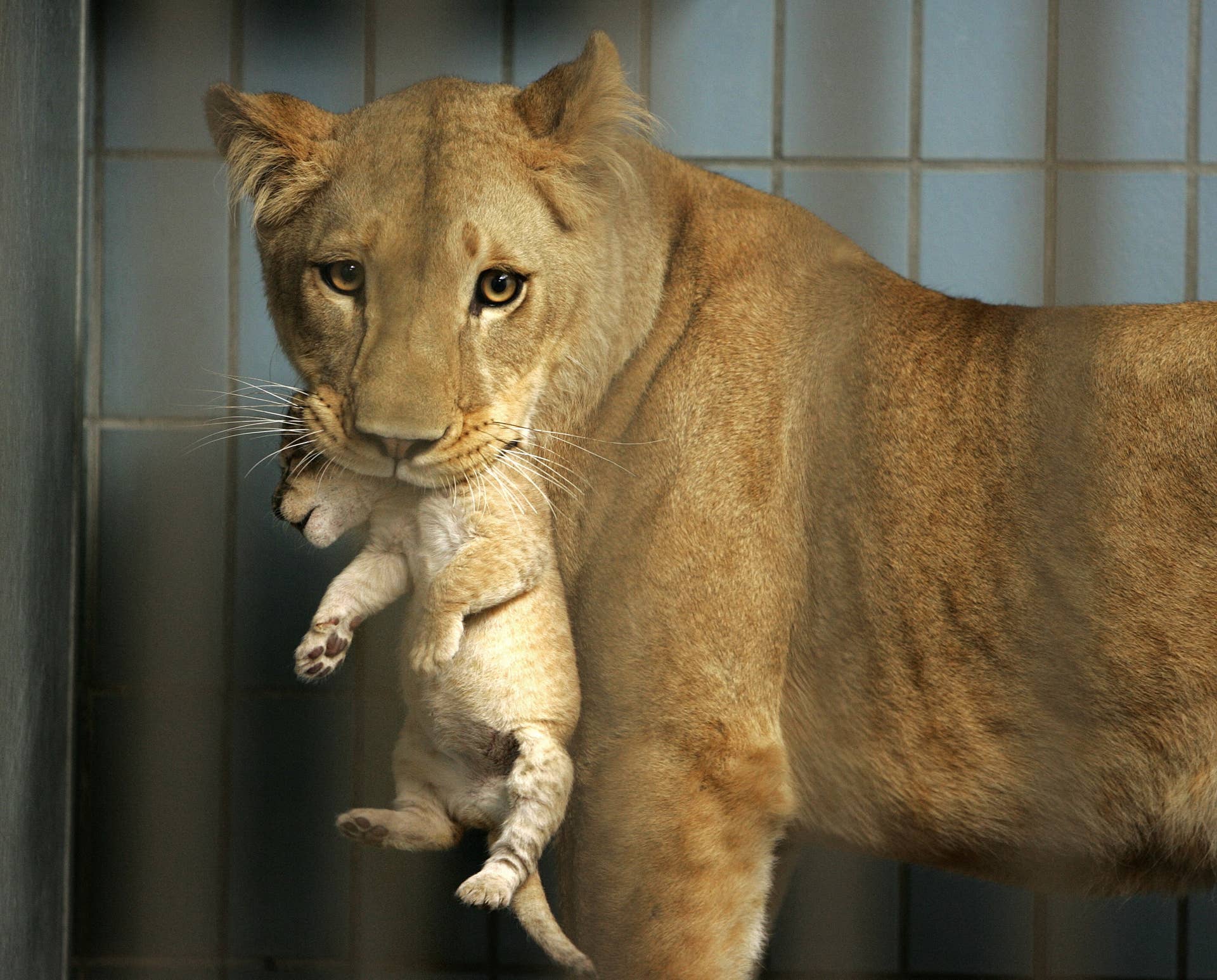
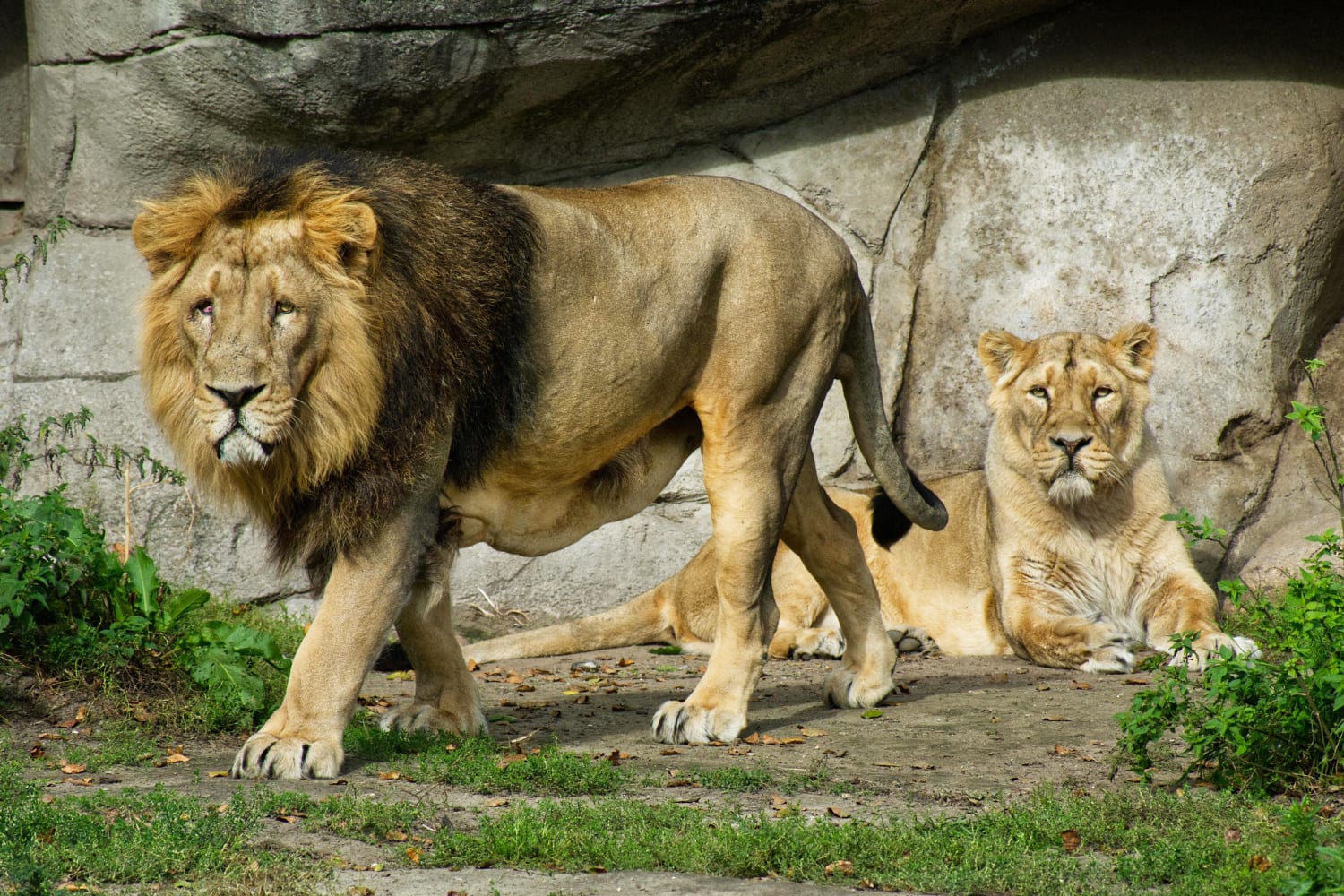
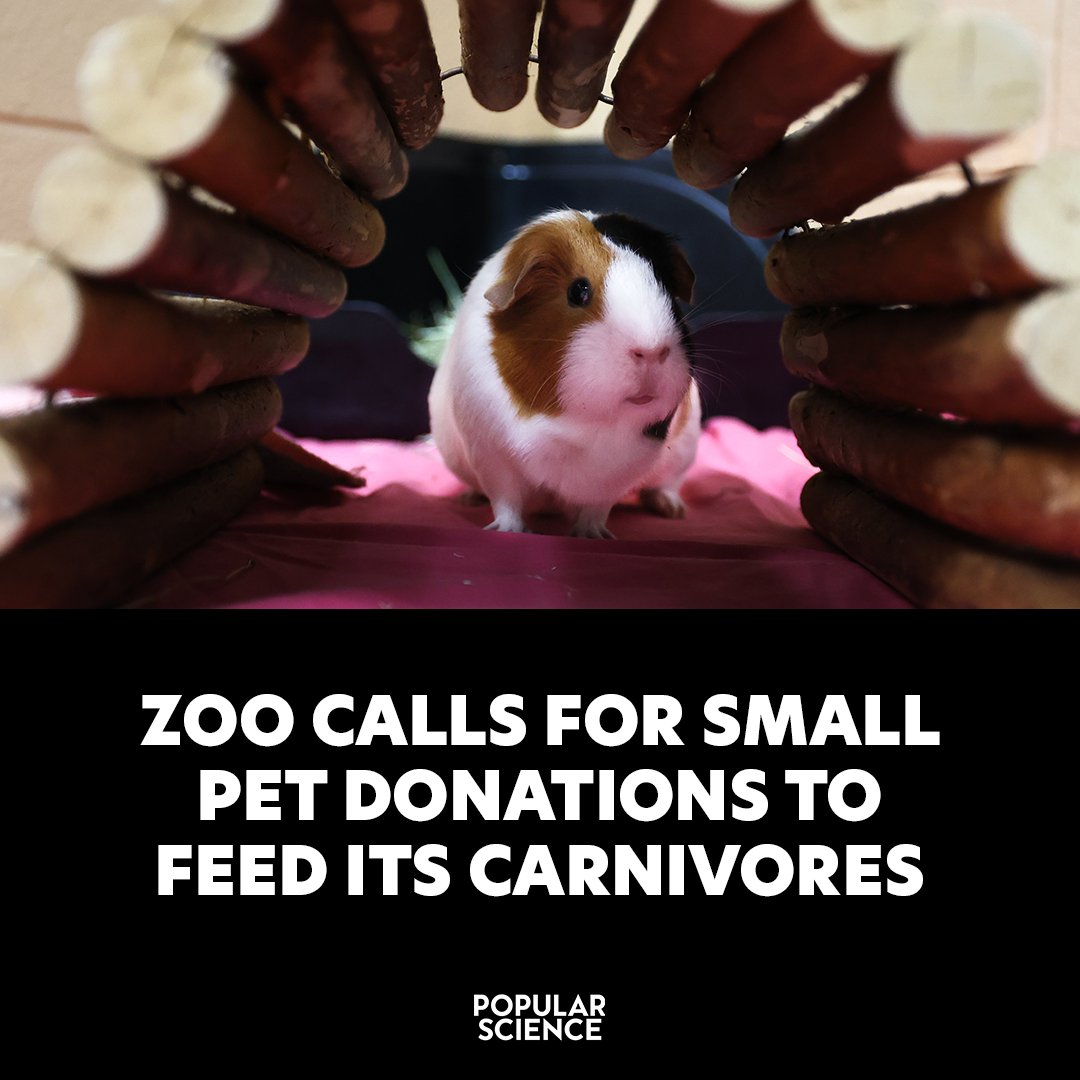
In parts of Europe and Scandinavia, select zoos have periodically gained international attention for accepting certain unwanted domestic animals or livestock. Institutions such as the Copenhagen Zoo and Aalborg Zoo in Denmark established donation policies allowing private owners to surrender small domestic animals—primarily rabbits, guinea pigs, chickens, and occasionally unwanted horses—to be humanely euthanized and fed to carnivores like lions, tigers, and wolves.
The rationale behind these programs centers on natural behavior and welfare biology:
- Enrichment and Natural Feeding: Feeding whole prey items with fur, skin, and intact skeletal structures provides essential mental enrichment, dental health benefits, and digestive stimulation for large predators that commercial processed diets cannot replicate.
- Ethical Transparency: These institutions view utilizing unwanted domestic animals as a pragmatic, sustainable alternative to commercial livestock slaughter, promoting open public dialogue about predator-prey dynamics and life cycles.
These feed donation programs are subject to strict health screenings to ensure the donor animal has not received chemical treatments, medications, or euthanasia drugs that could poison predators. This model remains rare in North American zoos due to cultural differences and regulatory restrictions.
Specialized Exotic Animal Sanctuaries
Some facilities that open their doors to the public operate primarily as rescues rather than traditional conservation zoos. Known as exotic animal sanctuaries, these organizations specifically target the surrender and rehabilitation of unwanted, neglected, or illegal exotic pets.
Unlike traditional zoos that select animals based on breeding programs, exotic sanctuaries prioritize lifetime care for individuals displaced by the exotic pet trade.
Surrender Pathways for Exotic Pets vs. Standard Domestic Pets
When an owner can no longer care for an animal, identifying the proper facility depends entirely on the animal's species, legal status, and health background.
1. Exotic Reptiles, Amphibians, and Fish
Reptiles—such as red-eared sliders, green iguanas, sulcata tortoises, and ball pythons—are among the most frequently surrendered exotic pets. Because they outgrow their enclosures, live for decades, or require expensive heat and lighting setups, owners often seek to rehome them.
- Species-Specific Rescues: Search for regional herpetological societies or non-profit reptile rescues. These organizations possess the specialized equipment (hothouses, UV lighting, aquatic filtration) required to house reptiles safely.
- Aquarium Societies: For large exotic fish like pacus, cichlids, or Oscars, local tropical fish clubs often maintain network registries for rehoming oversized aquatic species.
2. Exotic Birds and Parrots
Large avian species like macaws, cockatoos, and African greys present significant rehoming challenges due to life spans exceeding 50 to 80 years and complex emotional needs.
- Parrot Sanctuaries: Dedicated avian rescues specialize in behavior modification, feather-plucking rehabilitation, and flock housing for abandoned birds. Organizations accredited by the Global Federation of Animal Sanctuaries adhere to rigorous non-breeding and lifetime-care standards.
3. Small Mammals and Pocket Pets
Ferrets, sugar gliders, hedgehogs, and chinchillas require distinct care parameters that traditional municipal shelters may lack.
- Small Mammal Rescues: Specialized shelters exist for ferrets and rabbits, focusing on social grouping and specialized veterinary care.
- Humane Societies: Many modern municipal shelters now maintain dedicated small-animal wings equipped with appropriate caging and diet supplies.
4. Domestic Cats and Dogs
Domestic pets should never be brought to a zoo or exotic wildlife sanctuary. Traditional municipal animal control agencies, open-admission shelters, and private humane societies are designed specifically to handle domestic species, offering vaccination, spay/neuter services, and adoption matching.
Zoos vs. Exotic Sanctuaries vs. Humane Shelters
Understanding the functional differences between animal facilities helps owners target the correct resource immediately.
| Facility Type | Accepts Domestic Pets? | Accepts Exotic Pets? | Primary Mission | Funding & Oversight |
|---|---|---|---|---|
| Accredited Zoos (AZA) | No | No (Exceptions for confiscations) | Conservation, research, public education | Municipal, non-profit, revenue-funded; USDA/AZA regulated |
| Exotic Sanctuaries (GFAS) | Rare (Species specific) | Yes | Lifetime care for rescued/unwanted exotics | Non-profit donations, grants; USDA/GFAS accredited |
| Municipal Shelters | Yes | Limited (Varies by local infrastructure) | Stray management, public safety, rehoming | Taxpayer funded, city/county governed |
| Private Humane Rescues | Yes | Rarely | Adoption, welfare advocacy, spay/neuter | Donor funded, non-profit status |
| Species-Specific Rescues | No | Yes (Targeted species only) | Rescue, rehabilitation, specialized adoption | Donor funded, volunteer managed |
Step-by-Step Guide to Safely Rehoming an Unwanted Pet
If you can no longer manage an exotic or non-traditional pet, follow this structured process to secure a safe outcome without endangering local ecosystems or animal welfare.
- Assess Pet Species & Health
- Research Regional Rescues
- Check GFAS / Herpetological Societies
- Contact Facility & Submit
- Provide Medical & Diet Records
- Complete Legal Transfer
- Sign Surrender Agreement / Pay Fee
Step 1: Gather Documentation and Health History
Before reaching out to rescues, assemble a complete record of your pet’s background:
- Medical history, including veterinary visits, diagnostic tests, and treatments.
- Detailed records of diet, enclosure setup, lighting schedules, and behavioral traits.
- Proof of legal ownership, permits, or registration papers (if required by your state or municipality).
Step 2: Search Accredited Rescue Registries
Avoid posting animals on unvetted classified websites or social media marketplaces, where pets risk ending up in the hands of unqualified buyers or animal dealers. Instead, use established directories:
- Search the Global Federation of Animal Sanctuaries (GFAS) database for verified facilities.
- Contact local university veterinary hospitals or exotic animal veterinarians, who frequently maintain lists of trusted rescue organizations.
- Consult the Humane Society of the United States for local shelter networks and rehoming toolkits.
Step 3: Initiate the Surrender Application Process
Contact the selected facility to inquire about their intake capacity and surrender requirements:
- Be honest about any health or behavioral challenges your pet exhibits. Transparency ensures the sanctuary can prepare adequate housing and veterinary care.
- Inquire about surrender fees. Non-profit rescues often ask for a nominal donation to help cover immediate health screenings, food, and housing costs for incoming animals.
Step 4: Explore Direct Owner-to-Owner Rehoming Options
If sanctuaries and specialized rescues are at full capacity, consider owner-to-owner rehoming services supported by national animal welfare organizations (such as Home To Home or Rehome by Adopt-a-Pet):
- Interview prospective adopters thoroughly regarding their experience, enclosure setup, and financial ability to provide exotic veterinary care.
- Conduct an in-person or video inspection of the prospective owner’s care setup before transferring custody.
Legal Considerations and Consequences of Illegal Release
When pet owners find that zoos and local rescues cannot accept their animals, some resort to releasing exotic pets into local parks, waterways, or forests. Releasing captive animals into the wild is illegal, environmentally destructive, and inhumane.
- Illegal Pet Release
- Animal Suffering
- Starvation
- Predation
- Exposure
- Ecosystem Collapse
- Invasiveness
- Pathogen Spread
- Native Displacement
- Animal Suffering
1. Inhumane Outcomes for Captive-Bred Animals
Captive-bred pets lack the survival instincts, foraging skills, and physical conditioning required to survive in the wild. Released pets quickly succumb to exposure, starvation, dehydration, or predation by native wildlife.
2. Environmental Destruction and Invasive Species
Animals that survive can establish invasive populations that disrupt local ecosystems.
- Red-Eared Slider Turtles: Releasing pet sliders into ponds across North America and Europe has severely depleted native turtle populations through competition for basking sites and food sources.
- Burmese Pythons: Abandoned exotic reptiles in southern Florida have caused dramatic declines in native mammal populations across the Everglades ecosystem.
3. Legal Penalties and Criminal Liability
Abandoning an animal is a punishable crime under state and federal law:
- Animal cruelty and abandonment statutes classify releasing domestic or exotic animals as misdemeanors or felonies, resulting in heavy fines, criminal charges, and bans on animal ownership.
- Releasing non-native species can violate federal statutes, such as the Lacey Act, resulting in severe federal penalties.
Frequently Asked Questions
Do any zoos in the United States take unwanted pets?
Generally, no. Accredited zoos in the United States do not accept unwanted pets from the public due to strict biosecurity protocols, space limits, and population management guidelines governed by the Association of Zoos and Aquariums (AZA). Owners must turn to specialized non-profit rescues, sanctuaries, or municipal animal shelters.
Can I donate my turtle or tortoise to a local zoo?
Zoos rarely accept pet turtles or tortoises because these species are widely available and can carry diseases like Salmonella or upper respiratory pathogens. Unless the animal represents an endangered species with a documented genetic lineage relevant to an active Species Survival Plan (SSP), zoos will decline the donation. Contact a local herpetological society or reptile rescue instead.
Why won't a zoo take my exotic parrot or macaw?
Parrots live for several decades and require extensive space, socialization, and veterinary care. Zoos maintain curated exhibit collections and cannot absorb the high volume of unwanted parrots generated by the pet trade. Avian rescues accredited by the Global Federation of Animal Sanctuaries (GFAS) specialize in long-term parrot care.
What should I do if all local exotic rescues are full?
If local rescues are at capacity, contact exotic veterinary clinics, regional herpetological or avian clubs, or reputable direct-rehoming platforms (such as Home To Home). You can also ask to be placed on a waiting list at an accredited sanctuary while continuing to house the animal safely. Never release an exotic pet into the wild.
Are there legal surrender events for unwanted exotic pets?
Yes. Many state wildlife agencies host designated surrender events, such as the Exotic Pet Amnesty Program organized by the Florida Fish and Wildlife Conservation Commission. These events allow exotic pet owners to surrender non-native animals without penalty, legal liability, or surrender fees, regardless of whether the pet is kept legally or illegally.
Next Steps for Responsible Rehoming
If you own an animal you can no longer care for, take these immediate actions:
- Do not attempt to drop off the animal at a zoo. Unannounced surrenders force facilities to turn owners away or place the animal in temporary impoundment.
- Contact certified rescues and sanctuaries. Look up regional rescues through the Global Federation of Animal Sanctuaries directory or local humane organizations.
- Check state wildlife amnesty options. Search your state or national wildlife agency's website for exotic pet amnesty programs that accept non-native species legally and safely.
- Prepare complete health and diet records. Providing complete care documentation significantly increases the likelihood that a rescue or private adopter will accept your animal.