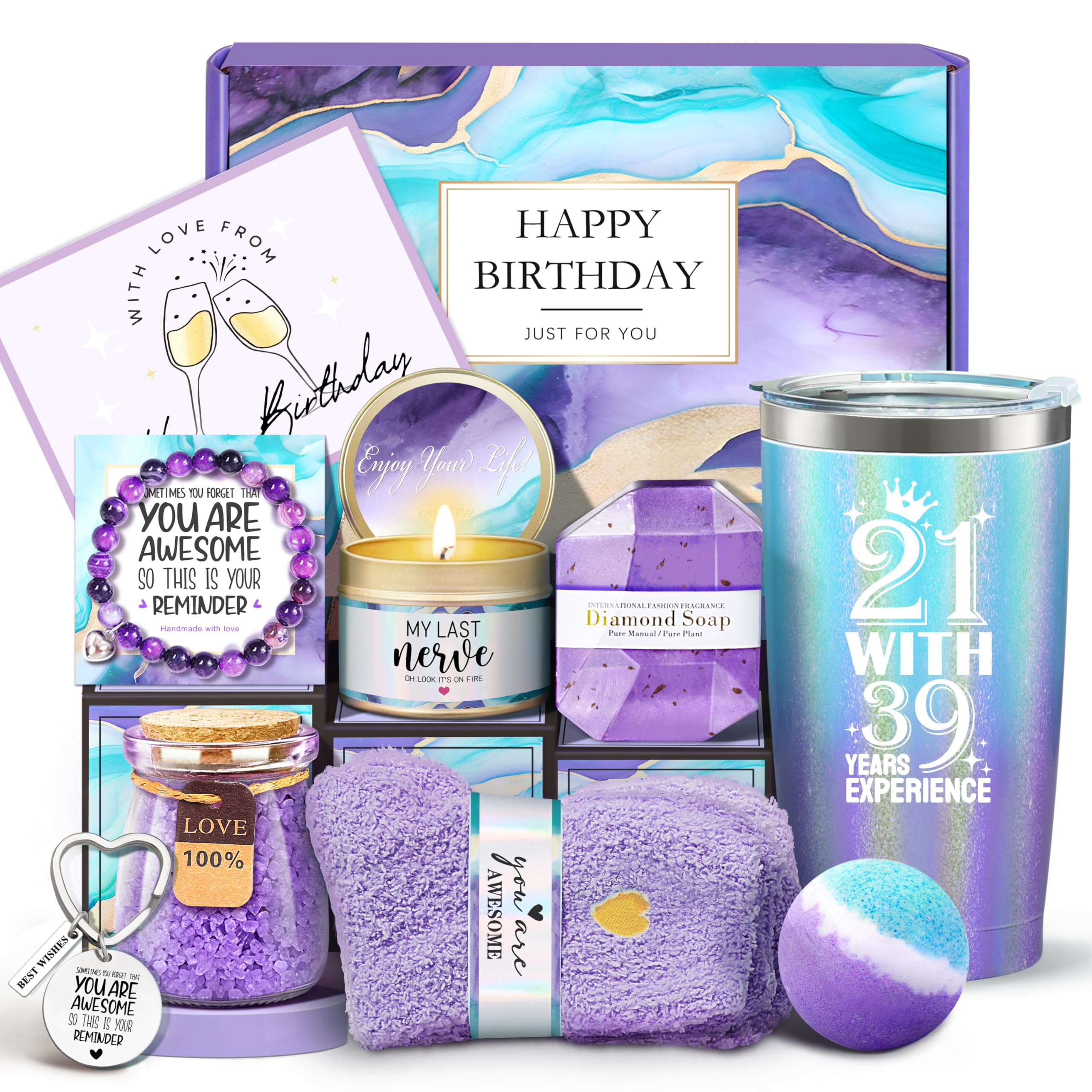
Finding a unique birthday gift idea requires shifting the focus from the retail value of an object to the emotional resonance of the experience or utility it provides. By prioritizing the recipient’s specific interests, current life circumstances, and preferred methods of engagement, you can move beyond generic consumerism to select a gift that demonstrates deep, thoughtful consideration.
The Psychology of Meaningful Gifting
At its core, a "unique" gift is not defined by its rarity or its price tag, but by its alignment with the recipient’s identity. Psychologists studying interpersonal relationships emphasize the "signal value" of a gift—the message it sends about how well the giver knows the recipient. When a gift reflects an inside joke, a long-held ambition, or a solution to a specific daily friction point, it strengthens social bonds.
To identify this, start by categorizing the recipient. Are they an "experientialist" who values memories over material accumulation, or a "pragmatist" who finds joy in high-quality tools that improve their daily workflow? Identifying this preference early in your search prevents the common mistake of buying a clutter-inducing object for a minimalist or an impersonal voucher for someone who values physical touchpoints.
Assessing the Recipient's "Gift Profile"
Before browsing marketplaces or artisanal platforms, conduct a brief assessment of the individual. This process effectively narrows the infinite sea of options into a manageable list of high-impact candidates.
- The Passion Project: Does the person have a hobby they have expressed a desire to upgrade? For instance, an amateur photographer might find a unique gift in an analog film development kit, whereas a home cook might value a bespoke knife-sharpening workshop.
- The Friction Point: Observe the minor, recurring annoyances in their life. Is their workspace disorganized? Do they travel frequently and struggle with cable management? Solving a persistent, low-level problem is often more appreciated than a grand, ornamental gesture.
- The Nostalgia Factor: Items that evoke a shared history or a specific milestone—such as a restored piece of media from a significant year or a personalized map of a meaningful location—carry high emotional weight.
Categories of Unique Gifts
When you have a clear profile, you can explore specific domains that offer higher distinctiveness than mass-market retailers.
Experiential Gifts
Experiences create "anticipatory joy," a psychological benefit that occurs while waiting for the event to happen. Unlike physical items that eventually lose their novelty, memories associated with experiences tend to grow more positive over time.
- Skill-Based Workshops: Look for local or online masterclasses in specific, finite skills like woodworking, pottery, or specialized culinary techniques.
- Curated Access: Memberships to niche archives, botanical gardens, or private observatory tours provide ongoing value rather than a singular event.
Bespoke and Artisanal Physical Goods
If you choose a physical object, focus on craftsmanship. Artisanal items—goods created by independent makers—often come with a narrative of production that mass-manufactured products lack.
- Customization: Personalization goes beyond simple engraving. Look for items that can be tailored to the recipient's measurements, preferred materials, or specific aesthetic requirements.
- Restored Antiques: A vintage watch from the year of their birth or a refurbished fountain pen offers a tactile connection to history that is inherently unique.
Decision Matrix: Evaluating Your Options
Use this table to evaluate potential ideas against the recipient's core needs.
| Gift Type | Primary Value | Effort/Cost Ratio | Best For |
|---|---|---|---|
| Skill-Based Workshop | Knowledge/Connection | Moderate/Mid-High | Lifelong learners |
| Bespoke Artisan Item | Aesthetic/Utility | High/High | Collectors & Minimalists |
| Curated Experience | Memory Creation | Moderate/Variable | Experientialists |
| Problem-Solving Tool | Efficiency/Comfort | Low/Moderate | The Pragmatic Professional |
The Role of Presentation and Context
Even a highly unique item can fall flat if the delivery lacks context. The "unboxing" experience—or the way the gift is introduced—serves as a transition from a standard day to a celebratory moment. When presenting a gift, provide a brief explanation of why you chose it. This narrative bridges the gap between the object and the relationship, ensuring the recipient understands the thought process behind the selection.
If the gift requires a prerequisite action—such as scheduling an appointment or assembling a piece of hardware—include a "Gift Roadmap." This might be a physical card outlining the steps they need to take to maximize the gift’s potential. This turns the gift into a process rather than a static object.
Common Pitfalls to Avoid
- The Over-Personalization Trap: Do not assume that adding a name or photo to a standard product makes it "unique." True uniqueness comes from utility or relevance, not just customization.
- Ignoring Physical Constraints: Before purchasing large items, such as furniture or bulky hobby equipment, ensure the recipient has the storage space. A unique gift that becomes a spatial burden creates stress rather than joy.
- Ignoring Timing: Ensure that any dated experiences (like a theater ticket or a seasonal reservation) do not conflict with known professional or personal deadlines the recipient faces in 2026.
Frequently Asked Questions
How can I make a gift feel unique if I have a limited budget? Focus on labor-intensive gifts rather than capital-intensive ones. A hand-compiled scrapbook of shared correspondence or a carefully curated digital library of media relevant to their interests requires significant time and curation, which is often valued more highly than store-bought luxury goods.
Is it appropriate to give a gift that requires the recipient to do work? It depends on the recipient. If the gift is a workshop or a high-end tool, the "work" is part of the growth process. However, avoid "chore gifts" like kitchen appliances that serve the giver more than the recipient, unless explicitly requested.
What if the recipient has everything they need? When someone has sufficient material possessions, shift your focus entirely to "consumables" or "access." High-quality, artisanal food items that are not available in local supermarkets, or a subscription to a service that provides access to specialized data or entertainment, are excellent solutions.
How do I handle shipping and logistics for unique, handmade items? Many independent makers operate on lead times. If you are sourcing an item from an artisanal platform, verify the shipping deadline at least 30 days in advance. Factor in potential logistics delays and always opt for insured shipping if the item is one-of-a-kind.
Should I include a gift receipt with a unique, custom-made item? For truly custom or bespoke items, a return is often impossible. If you choose this route, ensure your research is thorough. If the item is high-value but potentially subjective (like jewelry or art), consider providing a "gift card" to a specific artisan's shop, allowing them to participate in the design process.
Final Recommendation
To move forward, start by writing down three specific traits or recent interests of the recipient. Use these as your search parameters on specialized platforms rather than general retail sites. Your goal is to secure an item or experience that solves a problem or enhances a passion, thereby reinforcing the personal connection between you and the recipient. If you find yourself gravitating toward generic "gift guides," return to your list of three traits and refine your search to be more specific to those individual identifiers.