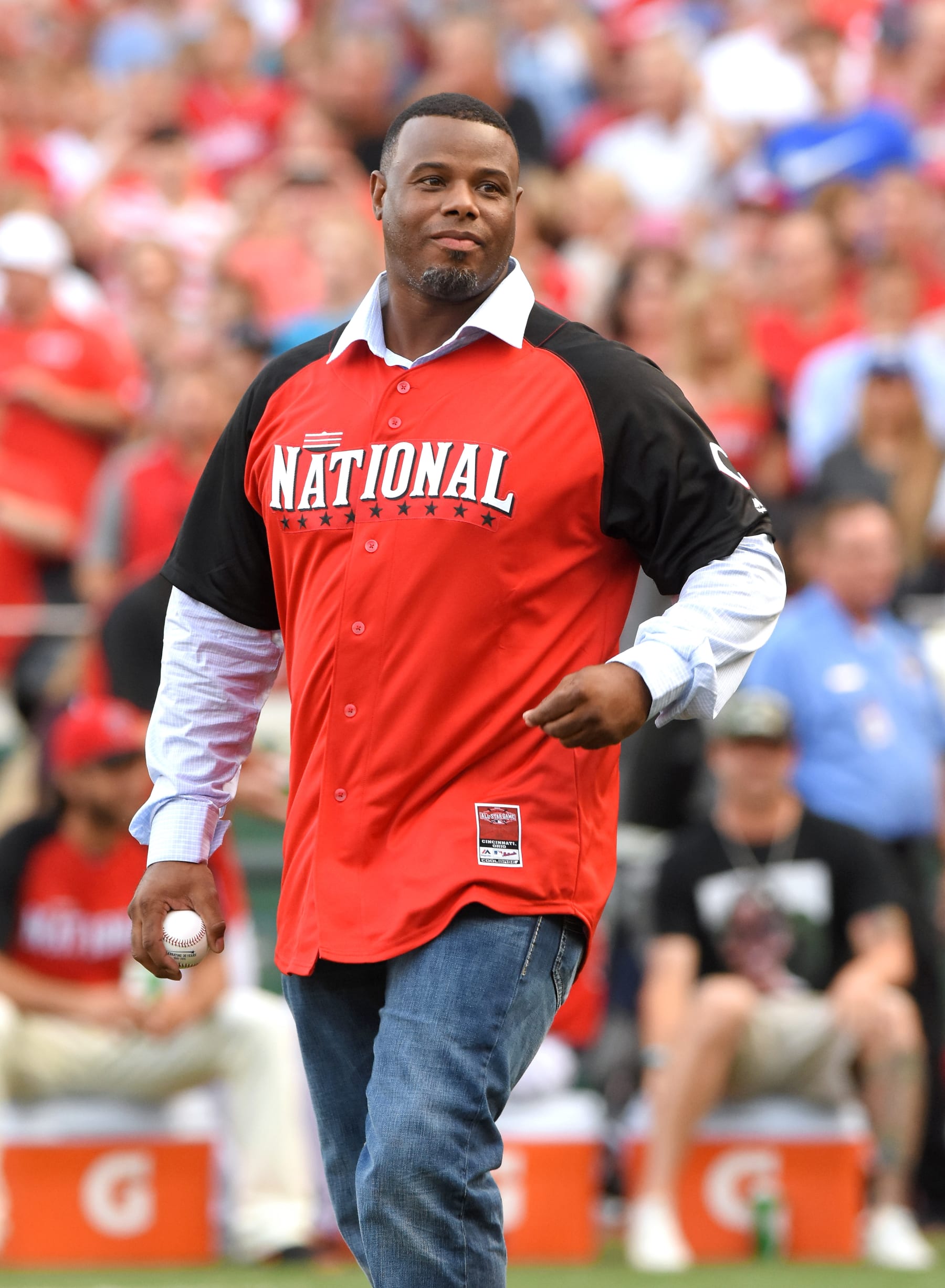
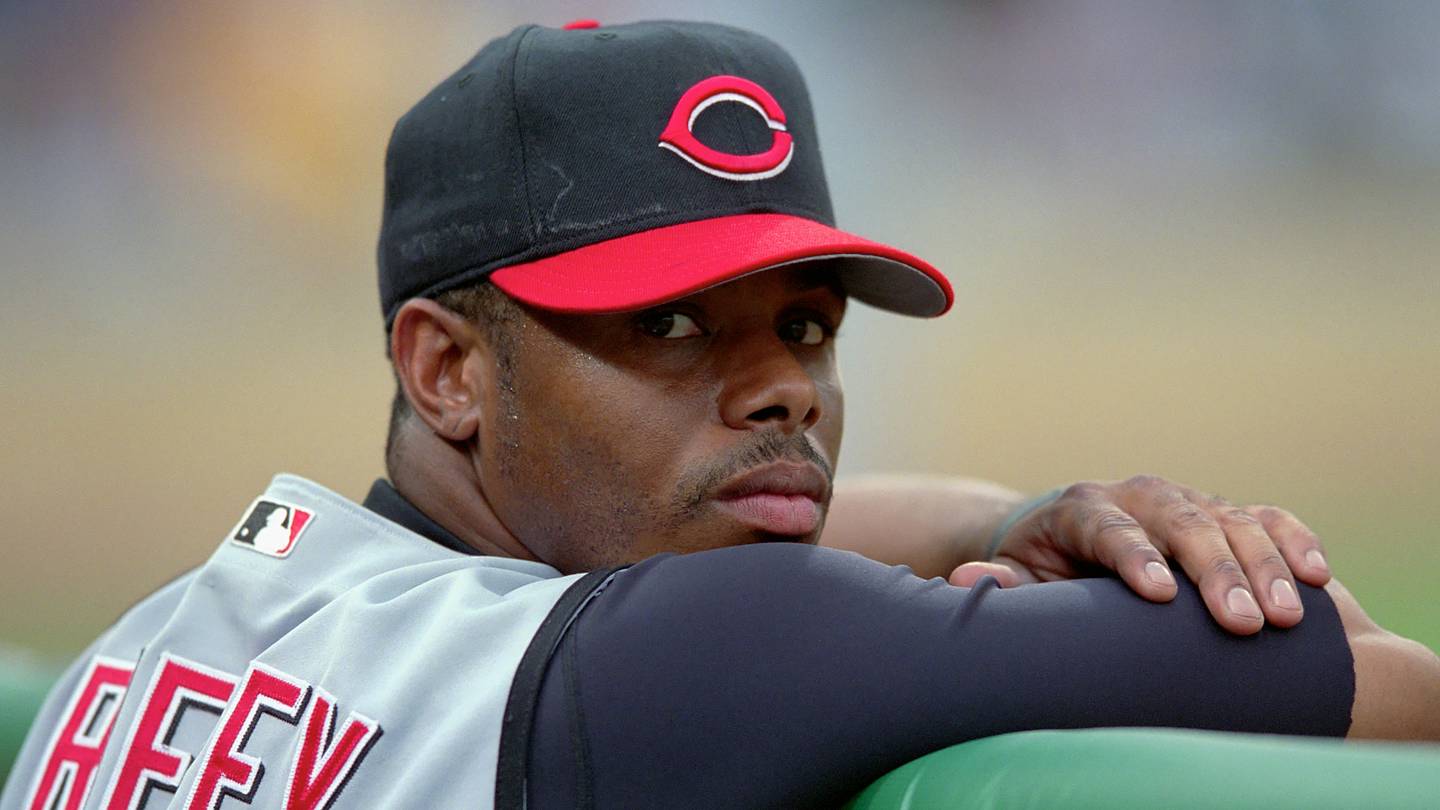
As of 2026, the Cincinnati Reds are no longer paying Ken Griffey Jr. His historic deferred compensation agreement, which saw him remain on the team’s payroll long after his retirement, officially concluded at the end of the 2024 fiscal year. After sixteen years of annual payments totaling approximately $3.59 million per season, the financial obligation stemming from his 2000 contract has been fully satisfied.
The saga of Ken Griffey Jr.’s contract remains one of the most significant case studies in Major League Baseball (MLB) finance. While the "Kid" is a Hall of Famer and a Cincinnati icon, his contract lived on as a recurring line item in the Reds’ accounting ledgers for nearly two decades after his final game in a Reds uniform. To understand how a deal signed at the turn of the millennium lasted until 2024, one must look at the specific architecture of the agreement and the broader economic trends of professional baseball.
The Architecture of the 2000 Mega-Deal
In February 2000, the baseball world was shaken when Ken Griffey Jr. was traded from the Seattle Mariners to the Cincinnati Reds. Seeking to play in his hometown and follow in the footsteps of his father, Griffey signed a nine-year, $116.5 million contract. At the time, this was a massive commitment for a mid-market team like Cincinnati, and the structure of the deal reflected the financial maneuvering required to make it happen.
The Trade and Initial Terms
The trade itself involved the Reds sending Mike Cameron, Brett Tomko, Antonio Perez, and Jake Meyer to Seattle. Once the trade was finalized, the Reds and Griffey’s representation agreed to a deal that would pay him an average of $12.9 million per year. However, the Reds did not have the immediate cash flow to pay the full value of the contract during the nine-year playing term (2000–2008).
To bridge the gap, the parties agreed to defer a staggering $57.5 million of the $116.5 million total. By pushing nearly half of the contract’s value into the future, the Reds were able to lower their immediate annual payroll obligations, allowing them to theoretically remain competitive in the free-agent market during Griffey’s prime years.
Why Both Sides Agreed to Deferrals
From the perspective of the Reds' ownership at the time, led by Carl Lindner Jr., deferring money was an exercise in liquidity management. The "time value of money" suggests that a dollar today is worth more than a dollar tomorrow. By delaying the payments, the Reds could invest their current capital or use it to cover operational costs, paying Griffey back in "cheaper" future dollars, even with interest factored in.
For Griffey, the deferral offered long-term financial security. Professional athletes often face "sudden wealth" challenges, where their earnings are concentrated in a very short window. By structuring his contract to pay out until he was in his mid-50s, Griffey ensured a steady, multi-million dollar income stream that would last long after his physical ability to play center field had faded.
Breaking Down the Numbers: $116.5 Million Over Decades
The mechanics of the Griffey deferral were relatively straightforward but substantial. The $57.5 million that was deferred carried an interest rate of 4% annually. This interest was crucial, as it compensated the player for the delay in receiving his earnings.
The Yearly Payment Structure (2009–2024)
Once Griffey’s active contract ended in 2008, the "payout phase" began. Starting in 2009, the Reds were scheduled to pay Griffey approximately $3,593,750 annually. These payments occurred every year, without fail, through the 2024 season.
| Period | Financial Status | Annual Amount (Approx.) |
|---|---|---|
| 2000–2008 | Active Playing Years | $7–$8 Million (Current Salary) |
| 2009–2024 | Deferred Payout Phase | $3.59 Million (Deferred + Interest) |
| 2025–Present | Contract Satisfied | $0 (Obligation Complete) |
By the time the final check was cut in late 2024, Griffey had been retired from Major League Baseball for 14 years. In the final years of the payout, he was often one of the highest-paid individuals on the Reds' payroll despite being in his mid-50s and spending his time as a special assistant to the Commissioner or enjoying his hobby of professional photography.
The Impact of Interest and Inflation
While $3.6 million sounded like a king’s ransom in 2000, its impact on the Reds' team-building capabilities diminished over time. In 2000, the average MLB salary was roughly $1.9 million. By 2024, that figure had climbed significantly, and top-tier stars were commanding $40 million to $50 million annually. Consequently, while the Griffey payment was a "dead money" hit to the budget, it represented a much smaller percentage of the total payroll in 2024 than it would have in 2009.
The Impact on Cincinnati Reds Payroll and Team Building
Managing "dead money"—salary paid to players no longer on the active roster—is a constant challenge for MLB front offices. For the Cincinnati Reds, the Griffey payment was a permanent fixture in their budgeting process for over a decade and a half.
Managing the "Dead Money" Era
During the 2010s, the Reds fluctuated between periods of contention and rebuilding. During rebuilding years, the $3.6 million payment was largely irrelevant. However, during years when the Reds were close to the postseason, critics often pointed to the Griffey deferral as money that could have been spent on a middle-relief pitcher or a veteran bench bat.
Front offices typically view these payments as "sunk costs." Because the obligation was legally mandated by a contract signed years prior, it was treated similarly to a stadium lease or administrative overhead. The Reds' financial department would account for the Griffey payment long before the baseball operations department was given their seasonal budget.
Comparing Griffey’s Deferrals to Bobby Bonilla and Shohei Ohtani
The Griffey deal is often compared to the infamous Bobby Bonilla contract with the New York Mets. While Bonilla’s "Bobby Bonilla Day" (July 1st) receives more media attention, the Griffey deal was actually for a much larger total sum.
- Bobby Bonilla: Receives roughly $1.19 million annually from 2011 to 2035.
- Ken Griffey Jr.: Received roughly $3.59 million annually from 2009 to 2024.
- Shohei Ohtani: In 2023, Ohtani signed a record-breaking $700 million deal with the Dodgers, deferring $680 million of it to be paid between 2034 and 2043.
The Griffey contract served as a precursor to the modern era of extreme deferrals. It proved that a team could successfully navigate long-term debt to secure a superstar, a lesson the Los Angeles Dodgers took to its logical extreme with Ohtani.
Historical Context: Ken Griffey Jr.’s Legacy in Cincinnati
To answer whether the contract was "worth it," one must look at what Griffey provided the Reds on and off the field. When he arrived in 2000, he was arguably the most popular athlete in America. His presence sold tickets, merchandise, and television subscriptions at a rate the Reds had not seen since the Big Red Machine era of the 1970s.
Performance vs. Pay
Griffey’s tenure in Cincinnati was hampered by injuries. Hamstring tears, knee issues, and a displaced tendon in his foot limited his playing time. Despite these setbacks, he reached significant milestones in a Reds uniform, including his 500th and 600th career home runs. He made three All-Star teams as a Red and maintained an OPS+ (Adjusted On-base Plus Slugging) above league average for most of his stay.
From a purely statistical standpoint, the back half of the 2000–2008 contract was an overpayment due to his time on the injured list. However, from a brand perspective, Griffey remained the face of the franchise until his trade to the Chicago White Sox in 2008.
The Narrative of the "Hometown Hero"
The emotional value of Griffey's return to Cincinnati cannot be overstated. He grew up in the Reds' clubhouse while his father, Ken Griffey Sr., was winning World Series titles. By choosing Cincinnati over larger markets like New York or Los Angeles, he provided a sense of validation for the city. This goodwill allowed the fan base to be more patient with the deferred payments than they might have been for a player with no local ties.
MLB Financial Trends: Why Deferred Contracts Are Rising
The end of Griffey’s payments in 2024 coincided with a massive shift in how MLB teams use deferred compensation. Under the current Collective Bargaining Agreement (CBA), teams use deferrals primarily to manage their Competitive Balance Tax (CBT), often referred to as the luxury tax.
The Luxury Tax and CBT Implications
When a team defers money, the MLB calculates the "present value" of that money for luxury tax purposes. Because $1 million paid ten years from now is worth less than $1 million today, deferrals allow teams to lower their official "tax hit." This technicality has led to a surge in deferred contracts, as wealthy teams seek to stack their rosters with stars while staying under the tax thresholds.
The Time Value of Money in Professional Sports
For a team like the Reds, the decision to pay Griffey through 2024 was a bet on inflation. The $3.6 million they paid him in 2024 was worth significantly less in purchasing power than $3.6 million was in 2000. By delaying the payment, the Reds effectively paid him in "discounted" currency. This is a standard financial strategy used by corporations worldwide, and its application in sports has only become more sophisticated since Griffey’s deal was signed.
Frequently Asked Questions
When was the last payment made to Ken Griffey Jr.?
The final installment of Ken Griffey Jr.’s deferred salary was paid in late 2024. As of the current 2026 season, the Reds have no further financial obligations to him regarding his 2000 playing contract.
How much did the Reds pay Griffey every year after he retired?
From 2009 through 2024, the Reds paid Griffey approximately $3,593,750 per year. This was the result of deferring $57.5 million of his original contract at a 4% interest rate.
Is Ken Griffey Jr. the only player still being paid by a former team?
No. Many players have deferred compensation. Most notably, the New York Mets will continue to pay Bobby Bonilla until 2035, and the Los Angeles Dodgers will begin paying Shohei Ohtani $68 million a year starting in 2034.
Did the deferred payments prevent the Reds from signing other players?
While the $3.6 million annual payment was a factor in the team's budget, it was rarely the primary reason the Reds failed to sign a specific free agent. In the context of modern MLB payrolls, which for the Reds typically range between $90 million and $130 million, the Griffey payment represented only about 3-4% of their annual spending.
What is Ken Griffey Jr.'s current role with the Reds?
While he is no longer on the payroll as a player, Griffey has maintained a relationship with the organization as a franchise ambassador and occasionally participates in special events at Great American Ball Park. He is also a member of the Reds Hall of Fame.
Final Status and Moving Forward
The conclusion of the Ken Griffey Jr. contract marks the end of an era for the Cincinnati Reds. For twenty-four years, the 2000 deal influenced the team’s financial planning, first as an active salary and then as a long-term debt. As of 2026, the Reds' books are officially clear of this historic obligation.
For fans and analysts, the Griffey deal serves as a reminder of the complexities of sports finance. It was a deal born of a desire to bring a legend home, sustained by the mathematical realities of interest and deferral, and finally concluded as the sport moved into a new age of even larger financial maneuvers. The "Kid" will always be a part of Cincinnati history, but as of today, he is no longer a line item on their balance sheet.