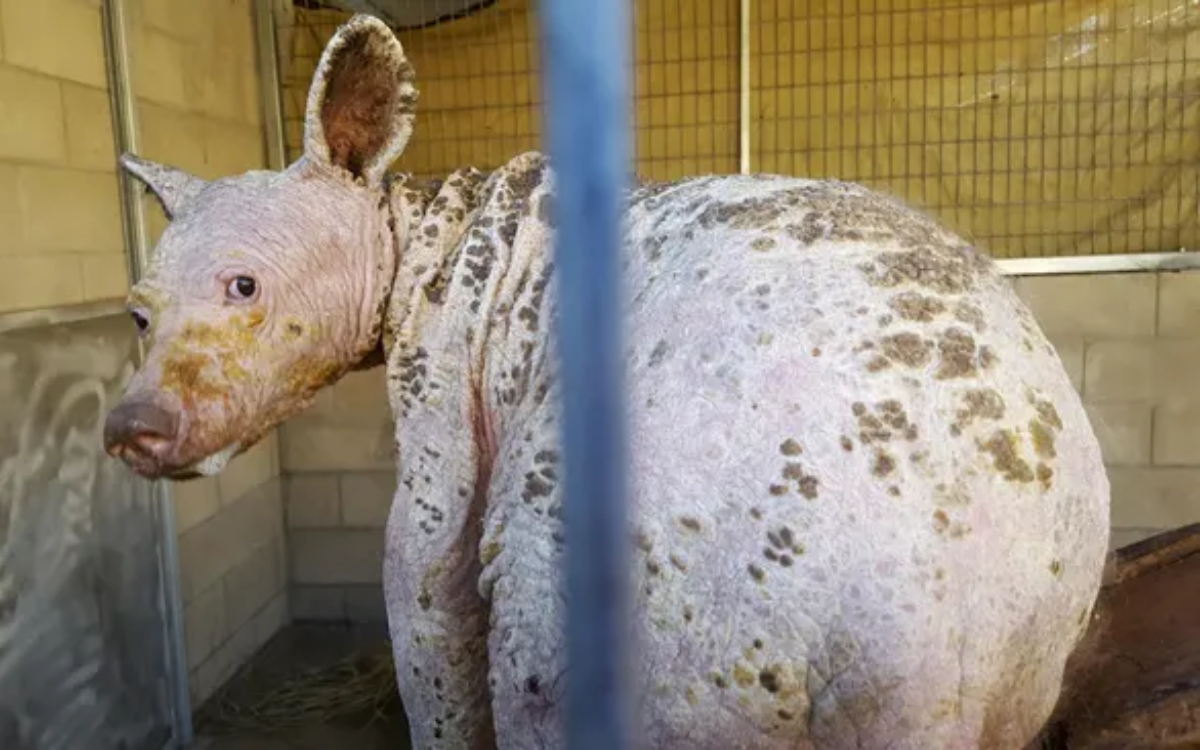
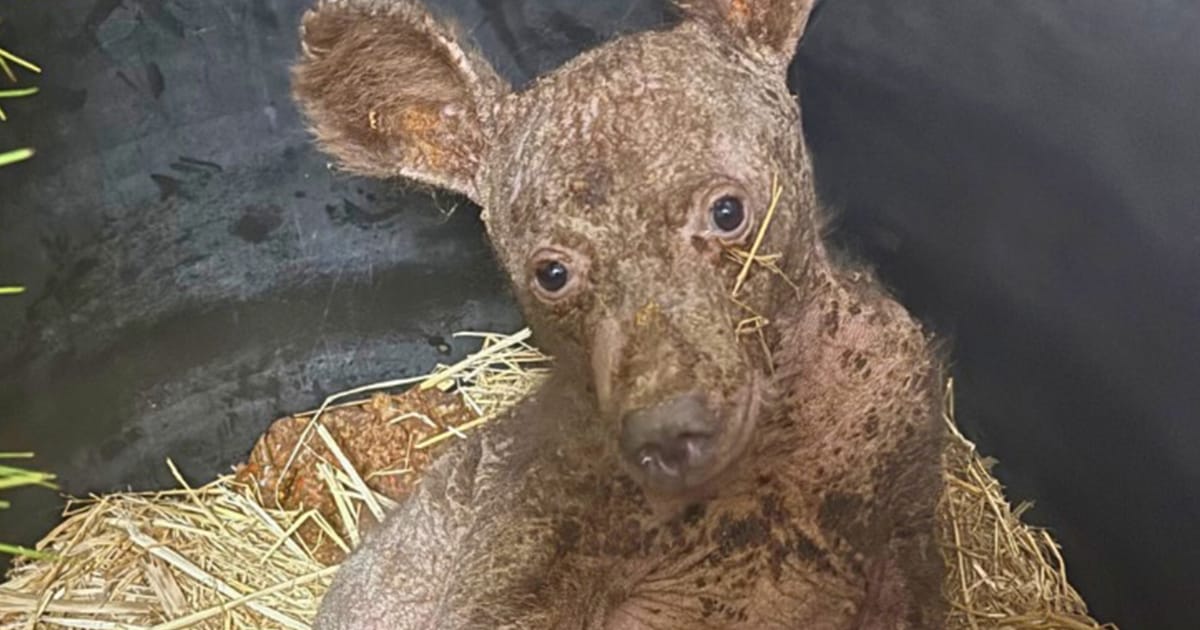
A hairless bear is typically an individual animal suffering from severe medical conditions such as genetic alopecia or parasitic mange, rather than a separate species. This total or partial loss of fur exposes the bear's dark, wrinkled skin and prominent musculature, often requiring intensive veterinary intervention or wildlife management to address the underlying health issues and secondary complications like hypothermia.
The sight of a hairless bear often sparks a mixture of fascination, pity, and even fear. Stripped of their iconic thick coats, these apex predators appear remarkably different—sometimes described as looking more like large dogs or even mythical creatures. However, behind the startling aesthetic lies a complex biological struggle. As of 2026, wildlife biologists and zoo veterinarians continue to study these cases to understand why certain bear populations are more susceptible to fur loss and how environmental factors might be accelerating these conditions in the wild.
The Biological Function of Bear Fur
To understand the impact of hairlessness, one must first appreciate the evolutionary necessity of a bear’s coat. Bear fur is not merely a decorative feature; it is a sophisticated biological tool designed for survival in diverse and often harsh environments.
Thermoregulation and Insulation
Bears possess a "double coat" consisting of two distinct layers. The dense, soft underfur traps a layer of warm air close to the skin, providing critical insulation against freezing temperatures during winter and throughout hibernation. The longer, coarser guard hairs act as a protective shield, shedding water and preventing the undercoat from becoming saturated. Without this dual-layer system, a bear loses its ability to regulate its body temperature. A hairless bear is constantly at risk of hypothermia in cold climates and heatstroke or sunburn in direct summer sun.
Physical Protection and Camouflage
Beyond temperature control, fur provides a physical barrier. Bears frequently move through dense brush, thorny thickets, and rocky terrain. Their thick hides and fur protect them from abrasions, insect bites, and minor injuries during social interactions or territorial disputes. Furthermore, the color of the fur provides essential camouflage, allowing bears to blend into their forest or mountain habitats to avoid detection by competitors or to facilitate hunting.
Primary Causes of Hair Loss in Bears
Hair loss in bears, scientifically referred to as alopecia, is rarely a primary condition. It is almost always a symptom of a deeper physiological or environmental problem. These causes generally fall into three categories: parasitic, genetic, and environmental.
1. Sarcoptic Mange
Sarcoptic mange is perhaps the most common cause of hair loss in wild bear populations, particularly among North American Black Bears. This condition is caused by the Sarcoptes scabiei mite, which burrows into the skin to lay eggs.
- Pathology: The burrowing mites trigger an intense allergic reaction. The bear’s immune response causes severe itching, leading the animal to scratch or bite at its skin incessantly. This self-trauma leads to the physical removal of fur and the development of thick, crusty scabs.
- Hyperkeratosis: In chronic cases, the skin undergoes hyperkeratosis—a thickening of the outer layer of the skin (the stratum corneum). This results in the "elephant-like" skin texture often seen in hairless bears.
- Secondary Infections: Open wounds from scratching often become infected with bacteria or fungi, further taxing the bear’s immune system and, in many cases, leading to death if not treated.
2. Genetic and Autoimmune Alopecia
In captive environments, such as zoos, hair loss is frequently attributed to genetic factors or autoimmune disorders. The most famous cases of hairless bears have occurred in European zoos among Spectacled bears (Andean bears).
- The Genetic Component: Some researchers suggest that a narrow gene pool in captive populations may lead to hereditary alopecia. Unlike mange, this type of hair loss is often symmetrical and may not be accompanied by the same level of inflammation or irritation initially.
- Autoimmune Response: In these cases, the bear’s immune system mistakenly attacks the hair follicles, causing the fur to fall out in patches or entirely. This is similar to alopecia areata seen in humans.
3. Nutritional Deficiencies and Stress
Bears require a complex balance of vitamins and minerals, specifically zinc, vitamin A, and omega fatty acids, to maintain skin health and fur integrity.
- Dietary Impact: A bear with a poor diet—often seen in animals that have become habituated to human trash or those in substandard captive conditions—may suffer from brittle fur and patches of baldness.
- Cortisol Levels: Chronic stress, whether from environmental encroachment or poor captive management, leads to elevated cortisol levels. High cortisol can disrupt the hair growth cycle, causing the follicles to enter a resting phase (telogen effluvium) where hair falls out and does not regrow.
Case Study: Dolores and the Leipzig Zoo Mystery
One of the most documented instances of hairless bears occurred at the Leipzig Zoo in Germany starting around 2009. Several female Spectacled bears, most notably a bear named Dolores, lost almost all of their fur over a relatively short period.
| Feature | Details of the Leipzig Case |
|---|---|
| Species Affected | Spectacled Bear (Tremarctos ornatus) |
| Primary Symptom | Near-total alopecia, starting from the head and moving backward |
| Initial Hypothesis | Genetic defect or unknown viral infection |
| Veterinary Findings | No evidence of parasites (mange) or fungal infections |
| Outcome | Bears remained otherwise healthy but required climate-controlled indoor enclosures |
Dolores became a global sensation, drawing attention to the plight of Andean bears. Despite extensive testing by world-class veterinarians, a definitive "cure" remained elusive. The case highlighted the fact that while hairlessness is aesthetically shocking, the bears can survive and maintain a high quality of life if their environmental needs—specifically protection from the elements—are met by human caretakers.
Comparison of Mange vs. Genetic Alopecia
Understanding the difference between these two primary causes is essential for wildlife managers and veterinarians to determine the correct course of action.
| Characteristic | Sarcoptic Mange | Genetic/Autoimmune Alopecia |
|---|---|---|
| Cause | Microscopic mites (Sarcoptes scabiei) | Genetics or immune dysfunction |
| Skin Appearance | Crusty, red, inflamed, and oozing | Smooth, gray, or darkened (hyperpigmentation) |
| Behavioral Signs | Intense, obsessive scratching and lethargy | Normal activity levels, no excessive scratching |
| Contagion | Highly contagious to other animals and humans | Non-contagious |
| Reversibility | Treatable with anti-parasitic medication | Often permanent or difficult to treat |
| Prevalence | Common in wild populations | Mostly observed in captive settings |
Wildlife Management and Treatment Protocols
In 2026, the approach to treating hairless bears depends heavily on whether the animal is wild or captive. For wild bears, the priority is often the health of the entire population, whereas captive care focuses on the individual's long-term comfort.
Medical Interventions
For bears suffering from mange, veterinarians often use Ivermectin or Fluralaner (a more recent development in long-acting parasiticides). In wild settings, the Pennsylvania Game Commission has been a leader in researching "trap-treat-release" programs, where afflicted bears are given medication and a GPS collar to monitor their recovery.
Captive Care Adjustments
For bears with permanent genetic alopecia, zoos must modify their husbandry practices:
- UV Protection: Since bear skin is sensitive to ultraviolet radiation, "sunscreen" in the form of specialized mud baths or shade structures is provided.
- Topical Treatments: Application of oils or skin conditioners helps prevent the skin from cracking and becoming infected.
- Climate Control: During winter months, hairless bears are often kept in heated indoor facilities to prevent hypothermia, as they lack the natural insulation required for hibernation or cold-weather activity.
Public Perception and the "Monster" Myth
The appearance of a hairless bear is so far removed from the public’s mental image of the animal that it frequently leads to misinformation. Throughout history, sightings of hairless bears in the wild have been misidentified as cryptids, such as the "Chupacabra" or "Shee."
In reality, the "alien" appearance of these animals is a testament to the powerful musculature and skeletal structure of the bear that is usually hidden beneath 4 to 6 inches of fur. Seeing a hairless bear serves as a stark reminder of the animal’s raw physical power, but also its vulnerability to environmental and biological stressors. Educational programs in 2026 emphasize that these animals deserve compassion and scientific intervention rather than fear.
Frequently Asked Questions
Can a hairless bear survive a winter in the wild?
It is highly unlikely. Without fur, a bear cannot maintain the body heat necessary to survive sub-zero temperatures, especially during the metabolic slowdown of hibernation. Most wild bears with total hair loss succumb to exposure or secondary infections before the winter concludes unless they find a uniquely sheltered, warm environment or receive human intervention.
Is hair loss in bears contagious to humans?
If the hair loss is caused by Sarcoptic mange, it is technically zoonotic, meaning the mites can transfer to humans and cause a temporary skin rash (scabies). However, these mites typically prefer their specific animal host and cannot complete their life cycle on human skin. Genetic or autoimmune alopecia is not contagious.
Do hairless bears grow their fur back?
If the cause is parasitic (mange) or nutritional, the fur can grow back once the underlying issue is treated. In fact, many bears treated for mange show a full recovery within a single season. However, if the hair loss is caused by advanced genetic alopecia or permanent follicle damage from scarring, the loss is usually permanent.
Why do Spectacled bears seem more prone to this?
There is no definitive answer yet, but researchers believe the Spectacled bear (Tremarctos ornatus) may have a genetic predisposition toward certain autoimmune conditions that affect the skin. This species is the only bear native to South America, and their unique evolutionary path may play a role in how their immune systems respond to stress or captive environments.
What should I do if I see a hairless bear in the wild?
Do not approach the animal. A hairless bear is likely in significant pain and may be more irritable or unpredictable than a healthy bear. Contact your local wildlife management agency or Department of Natural Resources (DNR). Provide them with the exact location and, if possible, a photograph from a safe distance to help them assess whether a trap-and-treat intervention is necessary.
Practical Recommendation for Wildlife Support
If you wish to contribute to the well-being of bears prone to these conditions, the most effective action is to support habitat conservation and wildlife veterinary research. Organizations like the Wildlife Conservation Society (WCS) and state-level game commissions fund the research necessary to develop long-acting medications for mange and to study the genetic health of bear populations. Furthermore, ensuring that your own property is "bear-aware"—by securing trash and removing bird feeders—prevents the nutritional stress and disease transmission that occurs when bears congregate in human-populated areas.