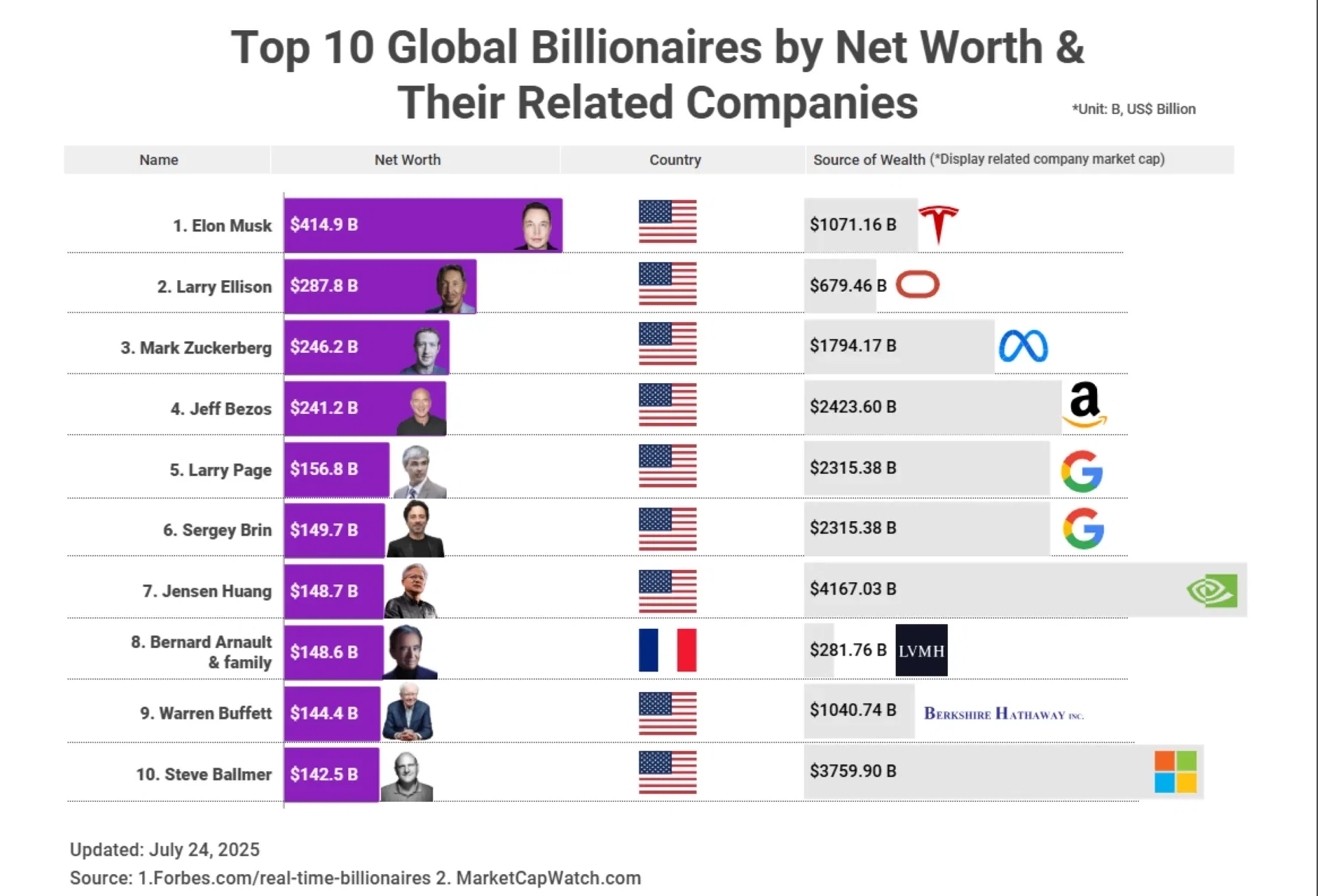
A global roll of all billionaires is a comprehensive directory, such as the Forbes World’s Billionaires list or the Bloomberg Billionaires Index, that tracks individuals with a net worth exceeding $1 billion. These lists use real-time market data and asset valuations to rank the world’s wealthiest people across various economic sectors and geographic regions.
The Definitive Authorities on Global Wealth Tracking
As of 2026, the tracking of global wealth has reached an unprecedented level of sophistication. While many organizations attempt to estimate the net worth of the ultra-wealthy, three primary entities maintain what are considered the "official" global rolls. These institutions utilize different methodologies, leading to slight variations in rankings, yet they remain the gold standard for financial researchers, journalists, and economists.
The Forbes World’s Billionaires List remains the most historically significant. Published annually with real-time updates on its digital platform, Forbes focuses heavily on identifying new entrants and verifying the source of wealth through a massive network of investigative reporters. Their list is often seen as the most conservative, requiring high levels of documentation for private assets.
The Bloomberg Billionaires Index offers a more dynamic, daily-updated view of the world's 500 wealthiest individuals. Bloomberg’s strength lies in its integration with the Bloomberg Terminal, allowing for minute-by-minute adjustments based on fluctuations in public stock markets. This roll is preferred by finance professionals who require immediate data on liquidity and market-cap shifts.
The Hurun Global Rich List, based primarily out of China, provides a crucial perspective on wealth in the Eastern Hemisphere. As the center of gravity for new billionaire creation has shifted toward Asia over the last decade, Hurun often captures emerging tech and manufacturing moguls in markets that Western outlets may overlook. Together, these three rolls provide a 360-degree view of the pinnacle of global capitalism.
Methodology: How the Roll is Calculated
Creating a global roll of all billionaires is not a simple task of checking bank balances. It involves complex financial forensic work. The primary challenge is that most billionaires do not have their wealth sitting in cash; instead, it is tied up in a labyrinth of public equities, private holdings, real estate, and luxury assets.
Public Equity Valuation
For individuals whose wealth comes from publicly traded companies (like Elon Musk or Jeff Bezos), the calculation is relatively straightforward but highly volatile. Researchers multiply the number of shares held by the individual by the current market price. However, they must also account for pledged shares—stock used as collateral for loans—which can significantly reduce an individual's actual net worth.
Private Company Assessment
Valuing private entities, such as ByteDance or SpaceX, is the most difficult aspect of maintaining the roll. Analysts typically look at the most recent funding rounds or compare the private company to similar publicly traded peers. A "liquidity discount" is often applied, usually between 10% and 30%, because private shares cannot be sold as easily as public stock.
Asset Verification and Liabilities
A true roll of billionaires must be a "net" worth list. This means all disclosed debts, such as mortgages, margin loans, and personal liabilities, are subtracted from the total asset value. Analysts also track "lifestyle assets," including art collections, private jets, yachts, and high-end real estate, often using public records and specialized registries to confirm ownership.
The 2026 Landscape: Regional and Sector Shifts
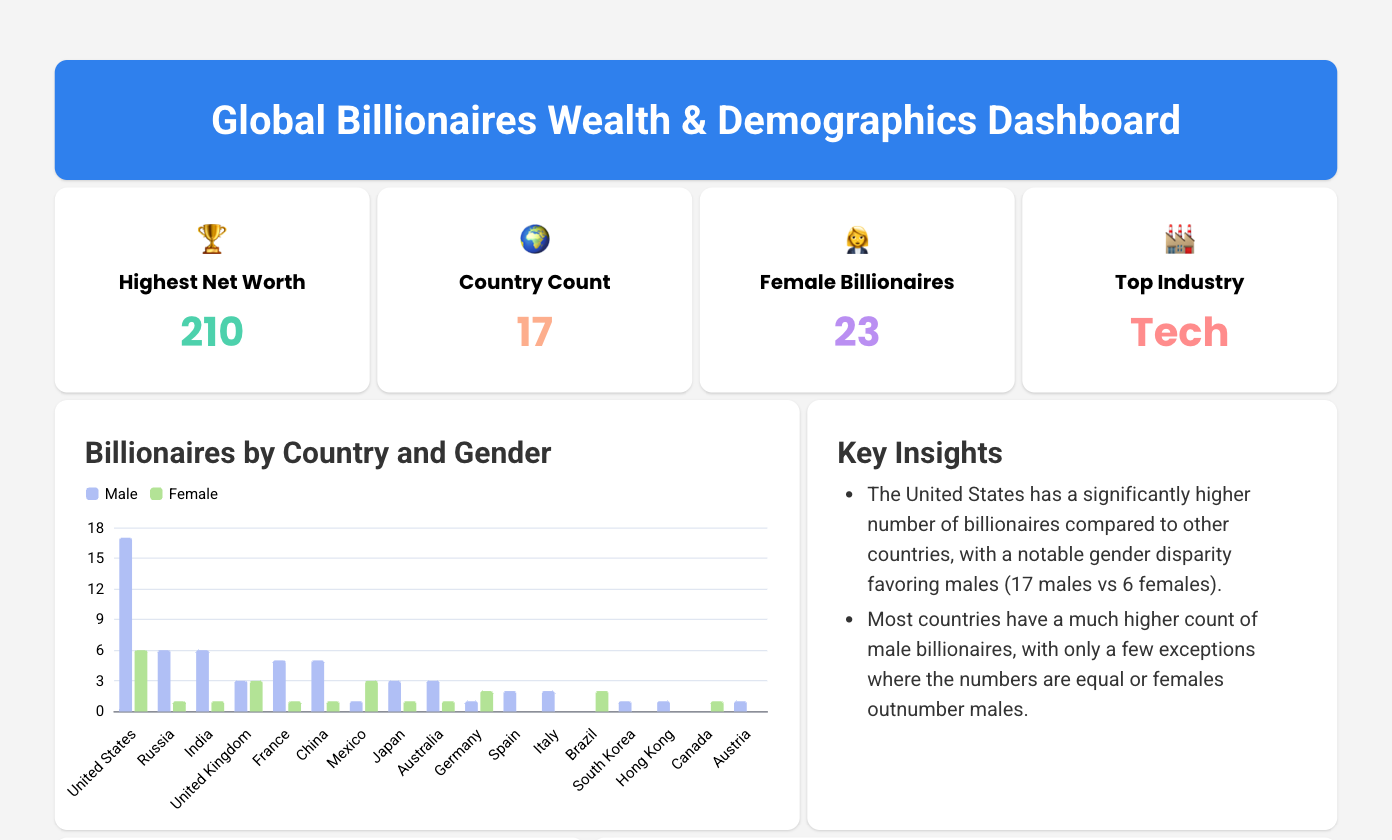
The global roll of billionaires in 2026 reflects a world in transition. While the United States continues to host the highest concentration of wealth, particularly in the technology and finance sectors, the demographics of the list are diversifying.
The Rise of Green Technology: A significant portion of the 2026 roll is comprised of individuals who have capitalized on the global energy transition. Wealth that was once concentrated in fossil fuels has migrated toward battery technology, smart-grid infrastructure, and sustainable agriculture.
The Resilience of the Centibillionaire: The "Centibillionaire" club—those with a net worth over $100 billion—has expanded. In 2026, this elite tier is no longer limited to a handful of American tech founders. It now includes luxury goods magnates from Europe and infrastructure titans from India.
Geographic Dispersion: While the US and China remain the dominant forces, the 2026 rolls show a surge in billionaires from Southeast Asia and parts of Africa. This shift is driven by the maturation of local digital economies and the massive scaling of fintech platforms in regions that were previously underserved by traditional banking.
Comprehensive Comparison of Major Billionaire Indices
The following table compares the three most prominent rolls of billionaires to help readers understand which resource best fits their research needs.
| Feature | Forbes World's Billionaires | Bloomberg Billionaires Index | Hurun Global Rich List |
|---|---|---|---|
| Update Frequency | Daily (Online) / Annual (Print) | Daily (Real-time) | Annual |
| Top Coverage | 2,500+ Individuals | Top 500 Individuals | 3,000+ Individuals |
| Primary Focus | Global / Investigative | Public Markets / Data-Driven | Asia / Emerging Markets |
| Private Asset Depth | High (Field Reporting) | Moderate (Market Multiples) | High (Regional Insight) |
| Methodology | Net Worth (Assets - Debt) | Net Worth (Daily Adjusted) | Net Worth (Market Value) |
| Historical Data | Since 1987 | Since 2012 | Since 1999 |
The Role of Family Offices and "Shadow Wealth"
It is a common misconception that the published global rolls include every billionaire on the planet. In reality, there is a significant "shadow wealth" category consisting of individuals who purposefully stay off the radar. Many of these individuals manage their fortunes through Family Offices, which are private wealth management firms that serve a single ultra-high-net-worth family.
Family offices are not required to disclose their total assets under management (AUM) in the same way public mutual funds are. Consequently, some of the world's wealthiest people—particularly those in the Middle East and Europe with multi-generational, diversified holdings—are often absent from the popular rolls. Furthermore, members of royal families are typically excluded from these lists unless their wealth can be clearly separated from the state's treasury.
As we move through 2026, the pressure for financial transparency is increasing. Global tax authorities and non-governmental organizations (NGOs) are pushing for more robust "beneficial ownership" registries. These registries aim to pull the "shadow wealthy" into the light, potentially expanding the official global roll of billionaires by hundreds of names in the coming years.
The Economic Impact of the Billionaire Class
The existence of a global roll is not just about curiosity; it serves as a critical economic indicator. The concentration of wealth at the top provides insights into capital flow and investment trends. In 2026, the "Billionaire Effect" is seen in how these individuals deploy their capital.
Philanthropy and The Giving Pledge
A growing segment of the global roll is committed to The Giving Pledge, a campaign started by Bill Gates and Warren Buffett. This commitment to donate the majority of their wealth to philanthropic causes has created massive private foundations that rival the spending of small nations. Tracking the roll allows researchers to see how much of this wealth is actually being deployed into healthcare, education, and climate change initiatives.
Market Influence
Because billionaires often hold controlling stakes in the world's largest companies, their personal financial health can impact entire stock indices. When a billionaire on the roll sells a significant portion of their shares to diversify or fund a new venture, it can trigger market-wide volatility. Thus, the global roll is a vital tool for risk management and institutional investment strategy.
Challenges to Accuracy: Crypto and Hidden Assets
In 2026, the accuracy of any global roll is constantly challenged by the proliferation of decentralized finance (DeFi) and privacy-focused assets. While public stock is easy to track, a billionaire's holdings in Bitcoin, Ethereum, or private digital ventures are significantly harder to verify.
Wealth tracking organizations now employ blockchain analysts to trace "whale" wallets that might belong to known billionaires. However, unless the individual self-reports or moves these assets into a regulated bank, they often remain estimated or entirely uncounted. This has led to a "margin of error" in wealth lists that was not present twenty years ago. The 2026 rolls are increasingly incorporating "Digital Asset Estimations" to address this gap, though these remain the most debated figures in the industry.
FAQs About Global Billionaire Rolls
How do I get my name on a global roll of billionaires?
To be included, an individual must typically have a verified net worth of at least $1 billion USD. This is determined through a combination of public filings (SEC documents), real estate records, and interviews. Most organizations do not accept self-nominations without third-party audit verification from reputable financial institutions or law firms.
Are royal families included in the global billionaire rolls?
Generally, no. Forbes and Bloomberg usually exclude members of royalty and dictators whose wealth is derived from their positions of power or held in state trusts. These lists focus on "business wealth"—money made through entrepreneurial ventures, investments, or inheritance of private estates.
Why do different lists show different net worths for the same person?
The discrepancy usually stems from differing "multiples" used to value private companies and different dates of valuation. One list might use a 20x earnings multiple while another uses 15x. Additionally, real-time lists like Bloomberg's will reflect today's stock market close, while an annual list like Forbes' print edition reflects a "snapshot" taken months earlier.
How often are the global rolls updated?
Most major digital indices are updated daily at the close of the New York Stock Exchange. However, deep-dive investigations into private assets and newly discovered billionaires usually occur on an annual cycle, culminating in a major release once per year (typically in the spring).
Can a billionaire request to be removed from the list?
While some individuals lobby to be removed for privacy or security reasons, tracking organizations generally do not comply if the individual is a public figure with verifiable wealth. These rolls are considered a form of financial journalism, and the organizations maintain their right to report on significant concentrations of wealth as a matter of public interest.
Practical Recommendations for Using Wealth Data
For those utilizing a global roll of billionaires for professional or academic purposes, it is essential to look beyond the top-line number.
- Cross-Reference Multiple Sources: Never rely on a single index. Compare Bloomberg’s market-driven data with Forbes’ investigative reporting to get a range of the individual's likely net worth.
- Analyze Wealth Source: Look at whether the wealth is "self-made" or "inherited." In 2026, the rolls provide specific tags for this, which can offer insights into social mobility and economic trends within specific countries.
- Monitor Liquidity: A net worth of $10 billion is very different if it is $9 billion in illiquid private stock versus $9 billion in cash and government bonds. Pay attention to "Cash/Liquidity" estimates provided by indices like Bloomberg to understand an individual's actual "spending power."
- Stay Updated on Regulations: Wealth reporting is increasingly tied to international transparency laws. Stay informed on G20 updates regarding global wealth registries, as these will likely expand the accuracy and size of the global roll in the near future.
By understanding the methodology and limitations of these rolls, researchers and the public can better interpret the significance of extreme wealth in the global economy.