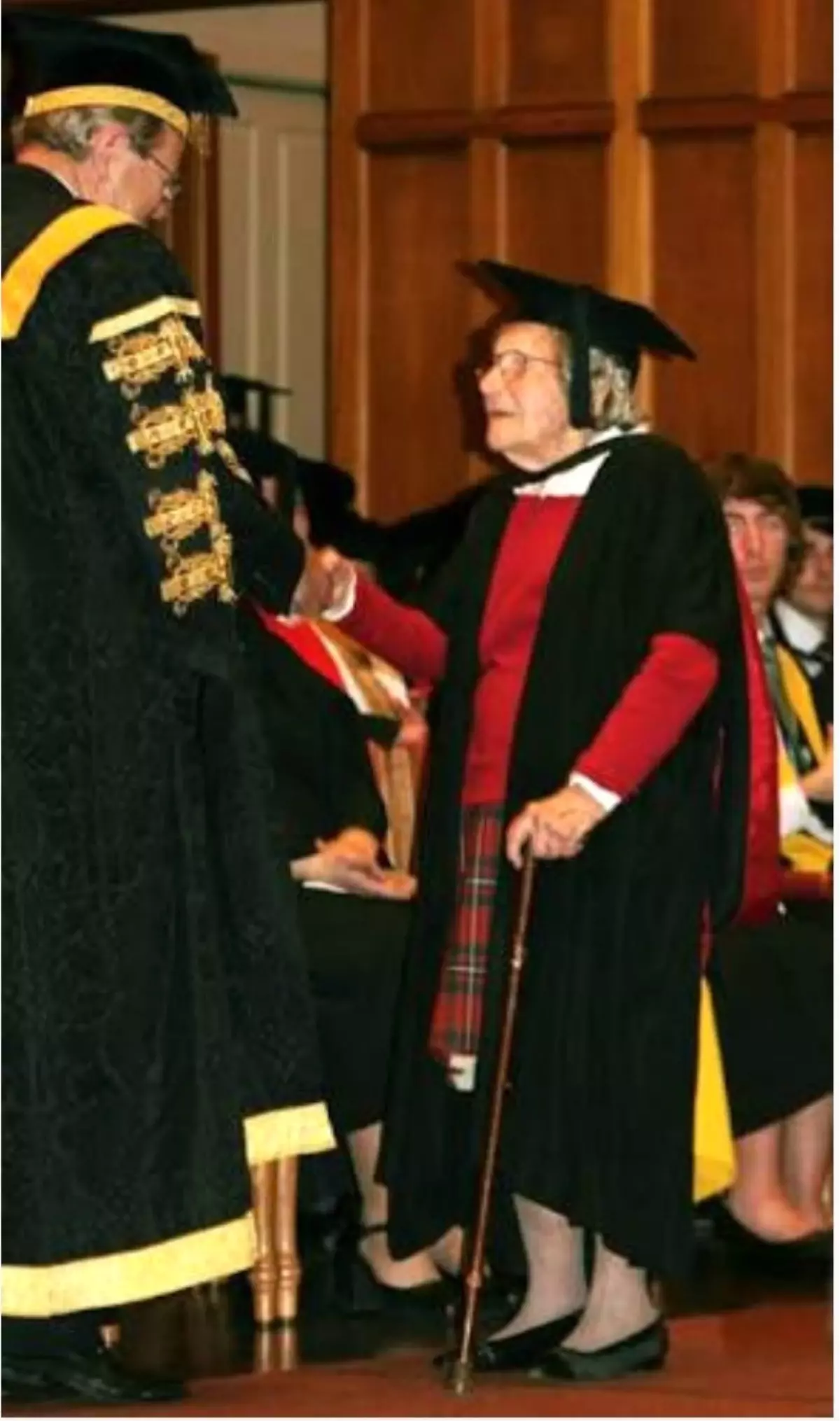
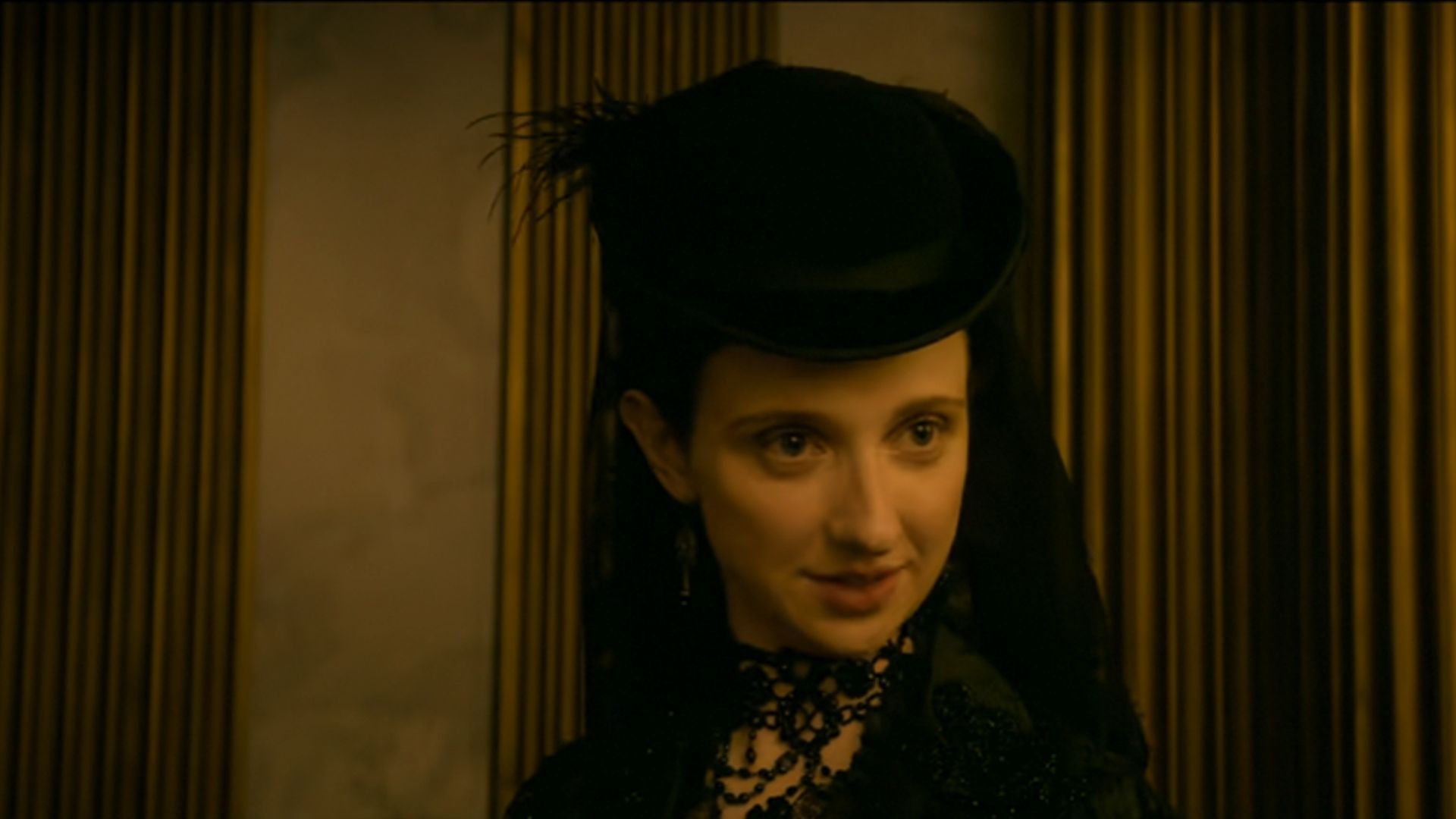
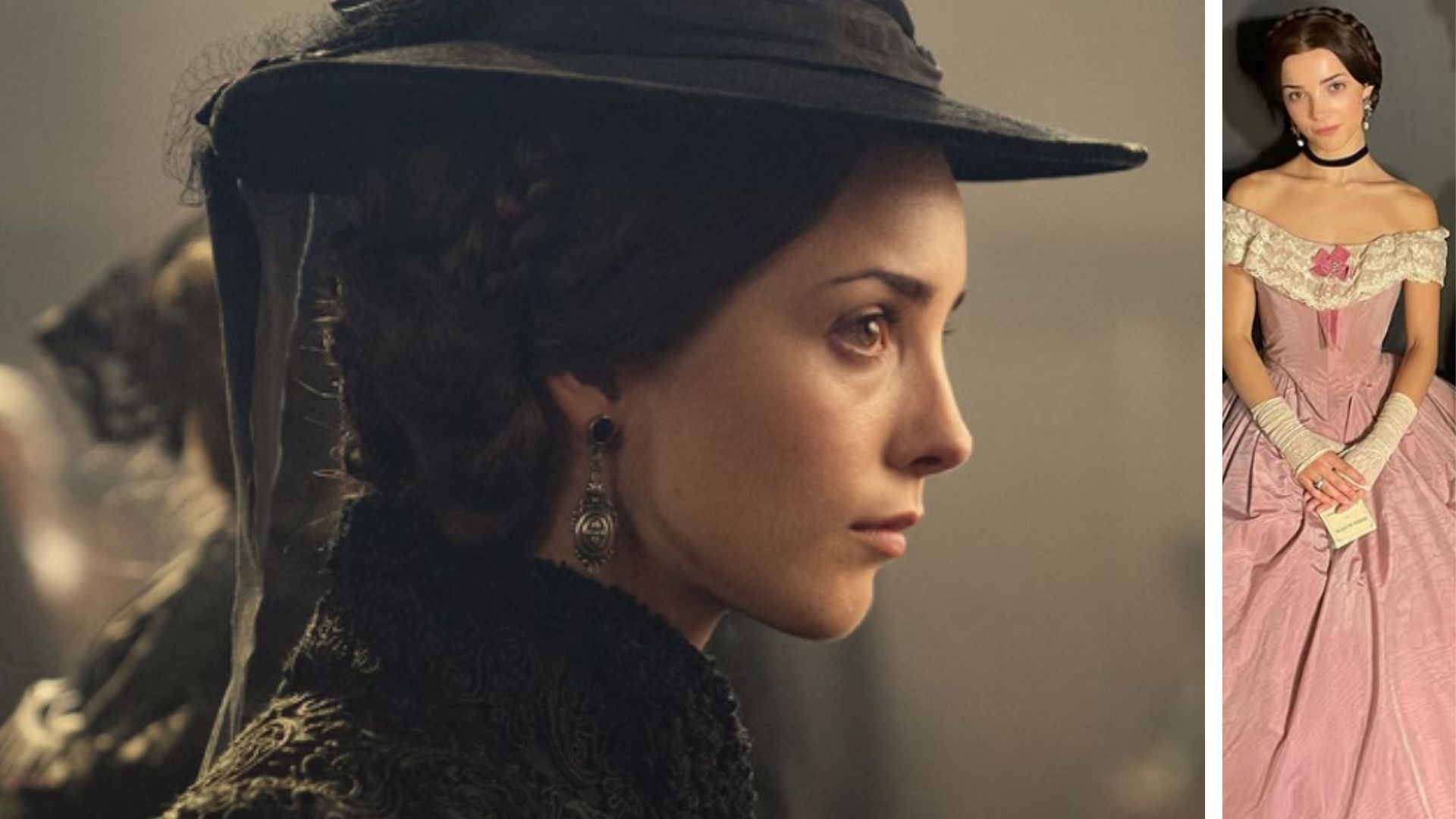
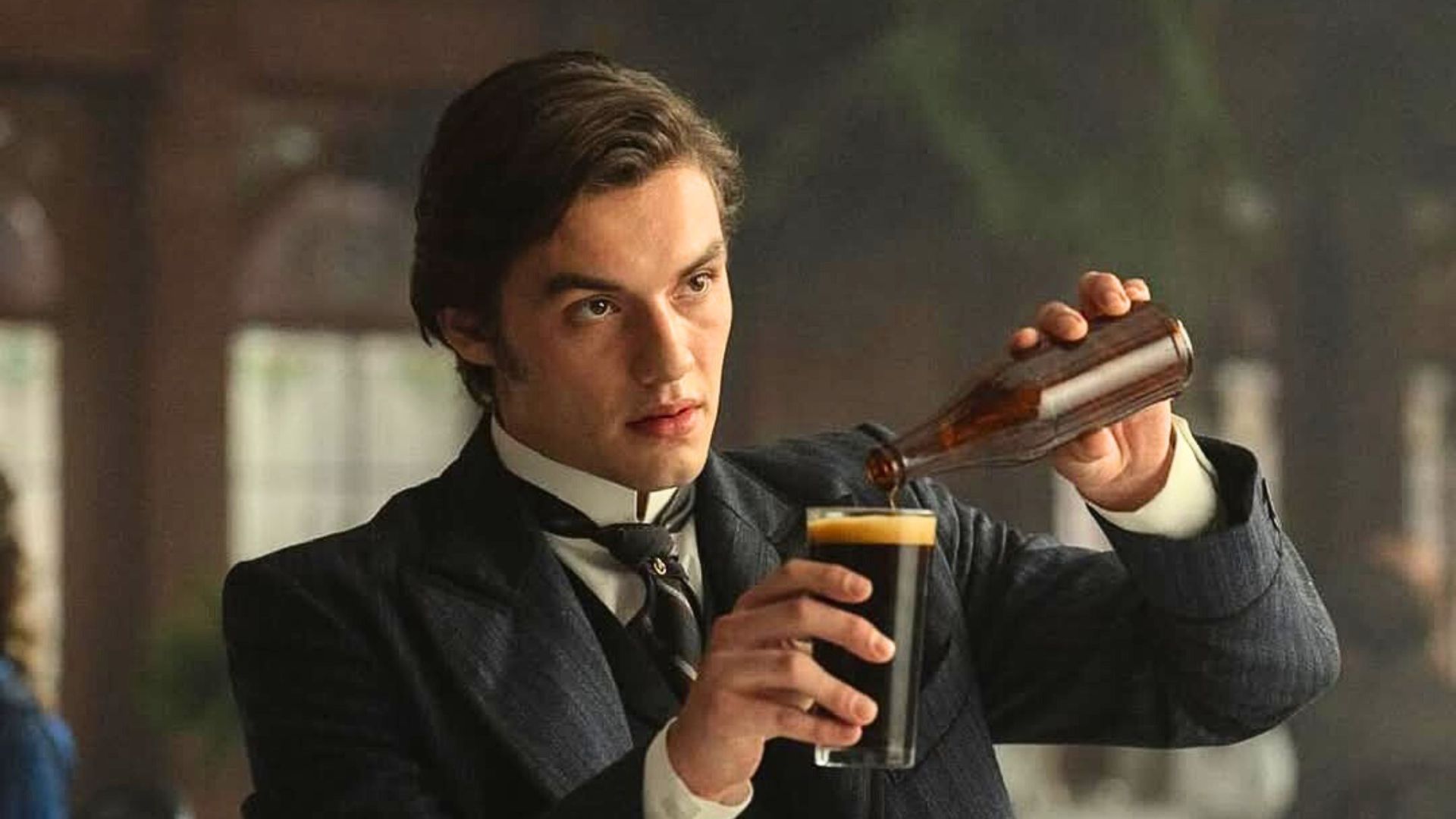
Anne Guinness was a British actress active during the 1970s, best known for her roles in cult cinema and gritty social dramas like The 14 and The Mutations. A member of the aristocratic Guinness brewing family, she balanced her professional acting pursuits with a high-profile heritage before transitioning into a private life.
The name Guinness is synonymous with one of the world’s most famous stouts and a sprawling dynasty of aristocrats, politicians, and socialites. However, in the early 1970s, Anne Guinness (born Anne Geraldine Mary Guinness) carved out a distinct niche for herself in the burgeoning world of British independent and genre cinema. While her career was relatively brief, her filmography includes titles that remain significant to historians of British film and aficionados of horror and social realism.
As of 2026, retrospective interest in the "Guinness girls" and their contributions to the arts has seen a resurgence. Anne Guinness stands out not just for her lineage, but for her participation in films that challenged the social norms and cinematic boundaries of her time. This biography explores her early life, her pivotal roles on screen, and the intersection of her professional ambitions with the weight of her family’s legacy.
Ancestry and Early Life: The Weight of a Name
Anne Guinness was born on August 15, 1953, into the Moyne branch of the Guinness family. She was the daughter of Anthony Guinness and Susanne Mary Slaney Kenyon-Slaney. To understand Anne’s place in the world, one must look at the lineage she inherited. Her grandfather was Walter Guinness, the 1st Baron Moyne, a prominent politician who was tragically assassinated in Cairo in 1944.
Growing up in such a family meant that Anne was raised in an environment of immense privilege but also one of high public visibility. The Guinness family had long been patrons of the arts, but direct participation in the "ungentlemanly" world of acting was still seen as a somewhat rebellious path for a debutante in the mid-20th century. However, the 1960s and 70s were periods of immense social shift in Britain, and many children of the aristocracy sought to define themselves outside of their titles and inheritance.
Anne’s upbringing was quintessential for a member of the upper class, but she possessed a creative drive that led her toward the London dramatic scene. By the time she reached her late teens, she was already moving in circles that included influential filmmakers and actors, positioning her at the heart of London’s artistic revolution.
Breaking into the Film Industry
Anne Guinness did not rely solely on her name to enter the industry. She entered the professional world at a time when British cinema was moving away from the polished "Old Hollywood" style and toward a more visceral, often darker realism. Her first major credit came in 1973, a year that would define her career with two very different projects.
The acting landscape in 1973 was dominated by two trends: the "Kitchen Sink" realism that evolved into social commentary films, and the decline of the classic Hammer Horror era in favor of more grotesque, experimental horror. Guinness found herself working in both spheres, showcasing a versatility that suggested a long career was ahead of her.
The 14 (1973): A Study in Social Realism
One of Anne Guinness's most significant roles was in the film The 14, also released under the title The Wild Little Bunch. Directed by David Hemmings (the star of Blow-Up), the film is a poignant, often heartbreaking look at a large family of fourteen children living in a London slum. When their mother dies, the siblings fight to stay together despite the intervention of social services.
In The 14, Guinness played a pivotal character within the ensemble, contributing to the film's gritty, documentary-like feel. The production was notable for its use of many non-professional actors and young talent to achieve authenticity. For Guinness, this was an opportunity to shed the "aristocrat" label and engage with the harsh social realities that many in Britain faced. The film won the Silver Bear at the 23rd Berlin International Film Festival, marking a high point in Guinness's early career.
The Mutations (1974): A Cult Horror Classic
In sharp contrast to the grounded realism of The 14, Anne Guinness's next major role was in The Mutations (1974), directed by Jack Cardiff. This film, often retitled The Freakmaker, is a blend of science fiction and body horror. It stars Donald Pleasence as a mad scientist attempting to cross-breed humans with plants.
In The Mutations, Guinness played the role of Jill, one of the students caught in the professor’s web of experiments. The film is remembered today for its use of real circus performers with physical deformities, a controversial choice that has led to much debate over the decades regarding exploitation versus representation in horror. Guinness’s performance provided a necessary grounded element to a plot that was otherwise fantastical and grotesque. Working alongside veteran actors like Pleasence and Tom Baker (just before his Doctor Who fame) solidified her position in the industry.
Filmography and Artistic Credits
The following table outlines the primary screen appearances of Anne Guinness during her peak active years.
| Year | Title | Role | Director | Genre |
|---|---|---|---|---|
| 1973 | The 14 (The Wild Little Bunch) | Character Role | David Hemmings | Social Drama |
| 1973 | The Hireling | Guest/Extra | Alan Bridges | Period Drama |
| 1974 | The Mutations (The Freakmaker) | Jill | Jack Cardiff | Horror/Sci-Fi |
| 1975 | Diagnosis: Murder | Character Role | Sidney Hayers | Mystery/Thriller |
While this list is modest, the projects themselves are frequent subjects of study in the context of British New Wave and 1970s genre cinema.
The Guinness Family and the Alec Guinness Disambiguation
A common point of confusion in the biography of Anne Guinness is her relationship to the legendary actor Sir Alec Guinness. Despite sharing one of the most famous surnames in the world and both being prominent in the British film industry during the same era, they were not related.
Sir Alec Guinness was born Alec Guinness de Cuffe; his surname "Guinness" was taken from his mother’s maiden name, and his paternal lineage remains a subject of historical speculation. In contrast, Anne Guinness was a direct descendant of the brewing family—the Anglo-Irish Guinnesses who held the Moyne barony. This distinction is crucial for researchers, as the two often appear in the same historical archives of British film without a shared genealogical link.
Personal Life and Marriage to Christopher Neame
The trajectory of Anne Guinness’s life changed significantly in the mid-1970s. In 1974, she married Christopher Neame, a talented screenwriter and producer whose family was also deeply embedded in the British film industry (his father was the director Ronald Neame).
Christopher Neame was a prolific figure, working on major productions such as The Flame Trees of Thika and various iterations of the James Bond franchise in a production capacity. Their marriage represented a union of two "film families," though one brought social pedigree and the other brought industry craftsmanship. Following her marriage and the birth of her children, Guinness began to step away from the limelight.
The couple eventually moved toward a more private life, though they remained connected to the arts. Anne’s transition from actress to a more supportive role within her family and her husband’s career was typical of many women in the industry during that era, but it left fans of her early work wondering "what if" regarding her potential as a leading lady.
The Cultural Impact of the 1970s British Starlet
Anne Guinness’s career, though brief, offers a snapshot of a specific archetype: the aristocratic rebel. In the 1970s, the "Guinness" name carried a heavy social burden, yet Anne used her platform to participate in films that were often at odds with the conservative expectations of her class.
- Genre Diversity: By moving from social realism (The 14) to science-fiction horror (The Mutations), she demonstrated a lack of pretension.
- The Jack Cardiff Connection: Working with Jack Cardiff, one of the greatest cinematographers in history (the man behind the look of The Red Shoes and Black Narcissus), was a significant achievement for a young actress.
- Independent Spirit: Her choice of roles suggests a preference for independent, auteur-driven projects over mainstream commercial blockbusters.
Later Years and Legacy
In her later life, Anne Guinness remained a figure of interest in genealogical circles and among collectors of 1970s cinema memorabilia. She was part of a generation of Guinnesses that saw the family's influence shift from industrial dominance to cultural and philanthropic contributions.
Anne Guinness passed away in August 2021. In the years following her death, and leading into 2026, film historians have increasingly looked back at the "lost" stars of the 1970s. While she did not achieve the international stardom of some of her contemporaries, her presence in cult classics ensures that her name remains in the credits of British film history.
Her legacy is one of quiet independence—a woman who navigated the complexities of a famous name while contributing to a vibrant, often difficult era of filmmaking.
Frequently Asked Questions
Was Anne Guinness related to Sir Alec Guinness?
No, Anne Guinness and Sir Alec Guinness were not related. Anne was a member of the Guinness brewing and banking family (the Moyne branch). Sir Alec Guinness took his name from his mother, and there is no proven biological link between the two.
What is Anne Guinness’s most famous role?
Her most famous role is arguably Jill in the 1974 horror film The Mutations (also known as The Freakmaker). She is also highly regarded for her appearance in the award-winning social drama The 14 (1973).
Who was Anne Guinness married to?
She was married to Christopher Neame, a noted British screenwriter and film producer. The couple married in 1974 and had children together, remaining a prominent couple within the creative industry circles of London.
Did Anne Guinness continue acting after the 1970s?
Anne Guinness largely retired from professional screen acting by the late 1970s to focus on her family and private life. Her career is most closely associated with the unique cinematic output of the early to mid-70s.
Where can I watch Anne Guinness's films in 2026?
Many of her films, particularly The Mutations and The 14, have been remastered and are available through specialty labels such as Powerhouse Films (Indicator) or BFI Flipside. They are also occasionally available on niche streaming platforms dedicated to classic and cult cinema.
Practical Recommendation for Researchers
For those looking to explore the life of Anne Guinness further, it is recommended to consult the British Film Institute's (BFI) National Archive. Given the niche nature of her filmography, original production stills and casting notes from The 14 and The Mutations provide the most authentic insight into her professional conduct and the creative environments she inhabited. Additionally, genealogical records in the Burke’s Peerage can provide the broader familial context of the Guinness dynasty during the 20th century.