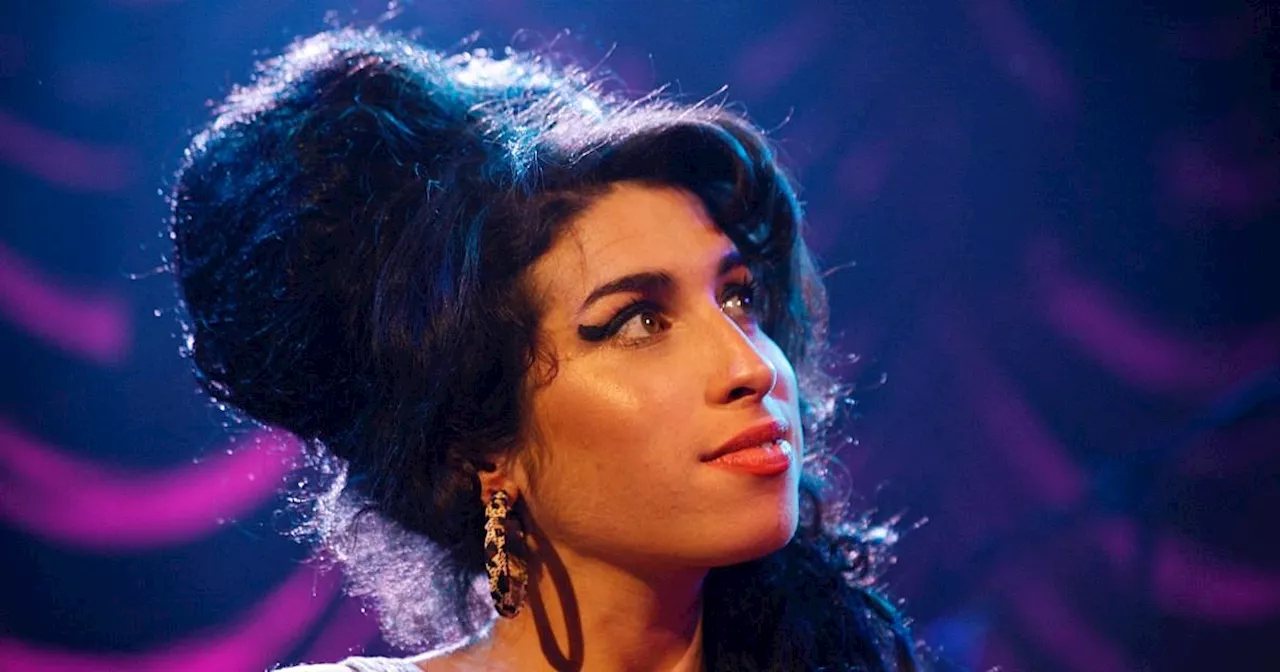
The 2024 biographical film Back to Black provides a stylized and intimate look at the life of Amy Winehouse, focusing on her rise to fame and the tumultuous relationship that inspired her most iconic album. Directed by Sam Taylor-Johnson and starring Marisa Abela, the movie navigates the complex intersection of Winehouse’s immense musical talent, her deep-seated vulnerabilities, and the invasive glare of the paparazzi that defined her final years.
Amy Winehouse remains one of the most significant cultural icons of the 21st century. Her story, marked by a meteoric rise to global superstardom and a tragic decline fueled by addiction and public scrutiny, has been the subject of numerous retrospective works. However, the release of the feature film Back to Black marked a shift from the investigative tone of previous documentaries to a more narrative-driven, subjective exploration of her inner world. As of 2026, the film is often cited as a pivotal, albeit controversial, entry in the canon of musical biopics, offering a perspective that prioritizes Winehouse’s own voice and artistic motivations over the external critiques that once dominated her headlines.
The Narrative Focus: From Camden to Global Icon
Unlike a traditional cradle-to-grave biography, the movie "Back to Black" focuses heavily on the formative years of Amy’s career in North London. The setting of Camden Town is not merely a backdrop; it is treated as a primary character. The film illustrates how the local jazz clubs and the gritty, bohemian atmosphere of the area shaped her identity. By grounding the story in her local roots, the movie reveals her story as one deeply connected to a specific time and place.
The narrative arc centers on the creation of the 2006 album Back to Black. The film meticulously recreates the emotional distress and the creative sparks that led to songs like "Rehab," "Love Is a Losing Game," and the title track. By dramatizing these moments, the movie provides a window into her songwriting process, showing that her lyrics were not just catchy hooks but literal transcriptions of her life’s most painful chapters. For viewers seeking to understand the "why" behind her music, the film offers a chronological mapping of her heartbreak.
Marisa Abela’s Transformation and the Musical Performance
One of the most significant ways the movie reveals Amy Winehouse’s story is through the performance of Marisa Abela. In a bold creative choice, Abela performed the vocals herself rather than lip-syncing to Winehouse’s original recordings. This decision was designed to show the evolution of Amy’s voice—from a raw, unrefined jazz singer to the polished, soulful powerhouse the world came to know.
To prepare for the role, Abela underwent extensive training:
- Vocal Coaching: She worked for months to mimic Winehouse’s unique phrasing, which was heavily influenced by Sarah Vaughan and Dinah Washington.
- Guitar Training: Abela learned to play the guitar to authentically replicate Amy’s stage presence, particularly during her early "Frank" era performances.
- Physicality: The film tracks the physical changes Amy underwent, including the development of her signature beehive hairstyle and the increasing number of tattoos, which served as a visual diary of her life.
This immersion helps the audience see the person behind the "Amy Winehouse" persona. It moves past the caricature created by the media and attempts to capture her wit, her intelligence, and her fierce loyalty to her family and her craft.
The Central Relationship: Amy and Blake Fielder-Civil
At the heart of the movie's revelation of her story is her relationship with Blake Fielder-Civil, played by Jack O’Connell. The film has been both praised and criticized for its portrayal of this romance. While media accounts at the time often vilified Fielder-Civil as the primary catalyst for her downfall, the movie chooses to depict their connection as a genuine, albeit highly toxic, love affair.
The film reveals how their meeting in a Camden pub sparked an obsession that fueled Winehouse's creativity but also accelerated her self-destruction. By showing their shared moments of vulnerability and humor, the movie humanizes a relationship that was previously only seen through the lens of grainy paparazzi photos and court appearances. This nuanced portrayal asks the audience to consider the agency Winehouse had in her own life, rather than viewing her purely as a passive victim of external influences.
The Role of the Family: Mitch and Janis Winehouse
Another layer of the story revealed in the film is the dynamic between Amy and her parents, particularly her father, Mitch Winehouse (played by Eddie Marsan). The movie depicts a close, supportive relationship, which stands in stark contrast to the 2015 documentary Amy, which suggested a more complicated and at times opportunistic dynamic.
The film focuses on Mitch as a protective figure who shared Amy’s love for jazz and the Great American Songbook. This portrayal has been a point of significant discussion among critics and fans. By presenting Mitch’s perspective, the movie provides a counter-narrative to the idea that her family failed to intervene in her decline. Instead, it portrays the helplessness of a family watching a loved one struggle with addiction in the public eye. Whether this is an accurate reflection or a sanitized version remains a topic of debate, but it is undeniably a core part of how the movie seeks to tell its version of the story.
Comparing the Biopic to Documentaries and Books
To understand the full scope of what the movie reveals, it is helpful to compare it to other media that have documented her life. Each medium offers a different "truth" based on its perspective and the evidence available.
| Feature | Back to Black (2024 Movie) | Amy (2015 Documentary) | My Amy (2021 Memoir) |
|---|---|---|---|
| Primary Format | Narrative Dramatization | Archival Footage & Interviews | First-person written account |
| Perspective | Subjective / Artistic | Investigative / Critical | Personal / Friendship-based |
| Vocal Source | Marisa Abela (Actress) | Amy Winehouse (Original) | N/A |
| Focus Area | Emotional truth and romance | Systemic failure and fame | Everyday life and intimacy |
| Legacy Impact | Humanizes her choices | Highlights media cruelty | Details the person, not the star |
The movie "Back to Black" serves as a companion to these works, filling in the gaps of her emotional internal life that archival footage cannot always reach. While the documentary Amy won an Academy Award for its unflinching look at her tragedy, the movie focuses more on her artistry and the joy she found in music before it became a burden.
Technical Specifications of the Production
The filmmaking process itself contributed to how the story was told. Director Sam Taylor-Johnson utilized a specific visual palette to differentiate the phases of Amy’s life.
- Cinematography: The early scenes in Camden utilize warmer, more saturated colors to represent Amy's optimism and the "homey" feel of her neighborhood. As the fame intensifies and her health declines, the color palette shifts to cooler, harsher tones, mimicking the cold flash of camera bulbs.
- Sound Design: The film uses "diegetic" music (music the characters can hear) to emphasize Amy’s constant immersion in sound. Whether it’s a record playing in the background or a busker on the street, the movie suggests that Amy’s world was entirely defined by rhythm and melody.
- Costume Design: Costume designer PC Williams meticulously recreated many of Amy’s real-life outfits. By wearing the exact styles Amy wore to the Grammy Awards or during her Glastonbury performance, the film anchors its dramatized narrative in historical reality.
The Ethics of the "Paparazzi" Portrayal
One of the most harrowing aspects of the movie is its depiction of the press. The film reveals her story as a cautionary tale about the ethics of celebrity journalism in the mid-2000s. It recreates the "paparazzi scrums" that followed her every move, showing how the constant harassment contributed to her anxiety and isolation.
The movie does not shy away from the fact that the media played a significant role in her deterioration. By putting the audience in Amy’s shoes—literally using camera angles that mimic being surrounded by lenses—the film forces the viewer to confront the voyeurism that surrounded her life. This aspect of the movie serves as a reflection on how society consumes celebrity tragedy and the lasting damage it causes to the individuals involved.
Critical Reception and Accuracy
Since its release, the accuracy of Back to Black has been a subject of intense scrutiny. Critics have pointed out that some events were condensed or chronologically shifted for dramatic effect. However, the filmmakers have maintained that their goal was "emotional truth" rather than a clinical timeline.
Common points of discussion regarding accuracy include:
- The Timeline of Addiction: The film portrays the onset of her heavy substance use as being inextricably linked to her time with Blake, which aligns with most biographical accounts.
- The Grammy Awards Scene: The film accurately captures the bittersweet nature of her 2008 Grammy sweep, which she had to celebrate via satellite from London due to visa issues.
- The Influence of Her Grandmother: The film places heavy emphasis on the role of Cynthia Winehouse, Amy's grandmother, as her primary stylistic and emotional anchor. This is a detail often overlooked in shorter biographies but vital to understanding Amy's aesthetic.
Accessing the Movie and Supporting Material
For those looking to explore the story further, Back to Black is widely available on major streaming platforms and physical media. As of 2026, it is frequently packaged with behind-the-scenes features that explain the research and development that went into the production.
- Streaming Services: Check platforms like Netflix, Amazon Prime Video, or Max (availability varies by region).
- Official Soundtrack: The soundtrack features a mix of the original Amy Winehouse recordings and the versions performed by Marisa Abela, providing a unique comparison of the two.
- Further Reading: Biographies such as Amy, My Daughter by Mitch Winehouse and Saving Amy by Daphne Barak provide additional context that the movie touches upon.
FAQ: Common Questions About the Amy Winehouse Movie
Who plays Amy Winehouse in the movie? Marisa Abela plays Amy Winehouse. She is a British actress known for her role in the TV series Industry. To prepare for the role, she spent months training her voice and learning Amy's mannerisms.
Did Marisa Abela really sing in the film? Yes, Marisa Abela performed all the vocals herself in the movie. While some biopics use the original artist's voice, the director wanted a more raw, live feel to show the progression of Amy's talent and the wear and tear on her voice over time.
Is the movie based on a true story? Yes, Back to Black is a biographical film based on the life of Amy Winehouse. However, like most biopics, it takes some creative liberties with the timeline and the portrayal of certain events to create a cohesive narrative for the screen.
Does the movie cover Amy Winehouse's death? The film concludes before her death in 2011, focusing instead on the peaks of her career and her personal struggles. It serves more as a tribute to her life and artistry rather than a detailed account of her passing.
How does the movie compare to the documentary 'Amy'? The 2015 documentary Amy is an investigative look using real-life footage and interviews, often focusing on the failings of those around her. The 2024 movie Back to Black is a dramatized narrative that focuses more on her internal emotional state and her love story.
What was the family's involvement in the movie? The Amy Winehouse Estate, led by her father Mitch Winehouse, gave their approval and support to the production. This has led to some debate about the objectivity of the film, as it presents a relatively sympathetic view of the family.
Final Recommendations for Viewers
To get the most out of the movie "Back to Black" and the story it reveals, viewers should approach it as one perspective among many. It is a powerful exploration of her creative spirit and a reminder of the human being behind the headlines. After watching the film, it is highly recommended to revisit her original music—specifically the Frank and Back to Black albums—to appreciate the genius that the film strives to honor. Additionally, watching the 2015 documentary Amy can provide a helpful, more critical balance to the narrative presented in the biopic.