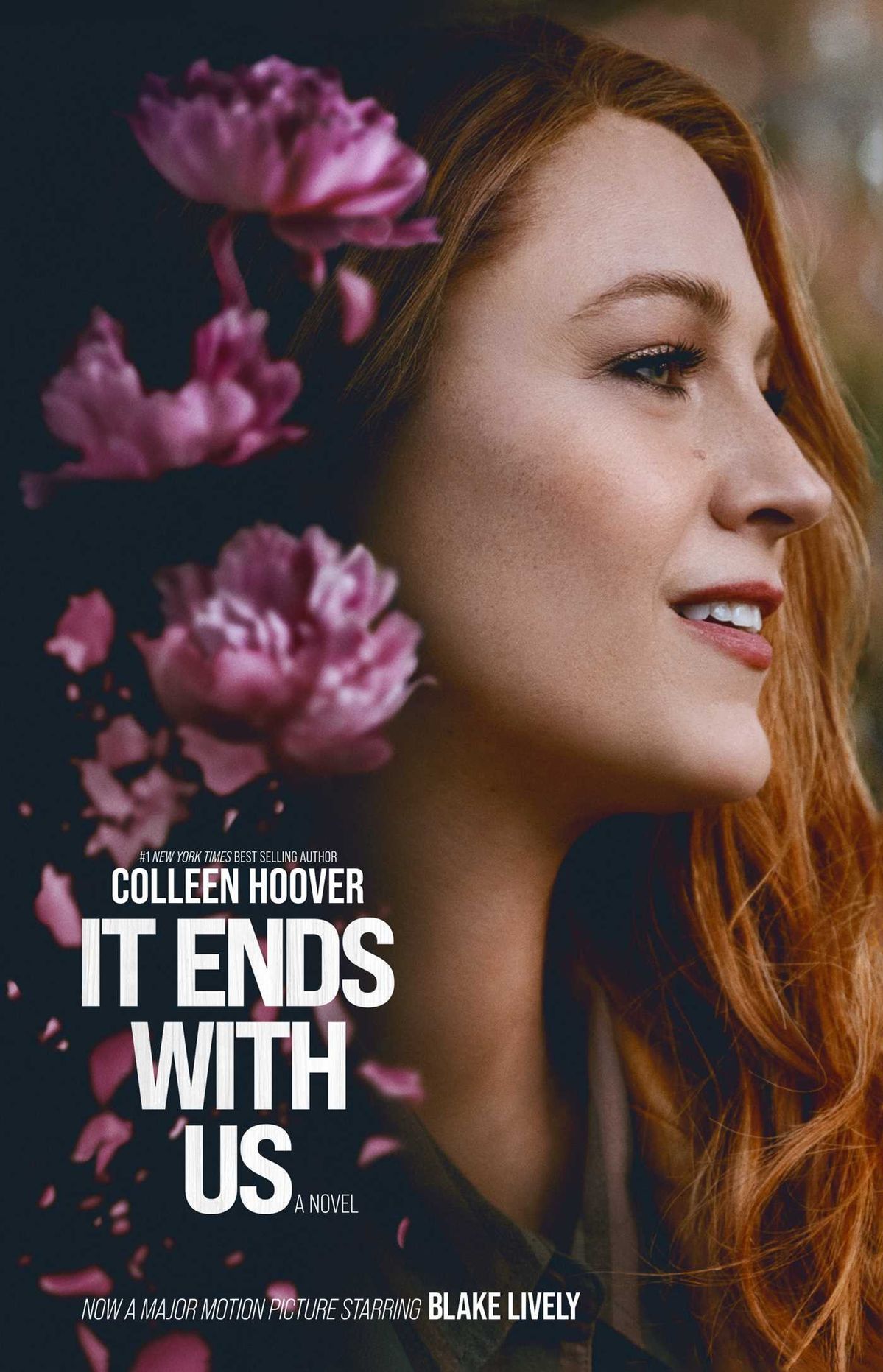
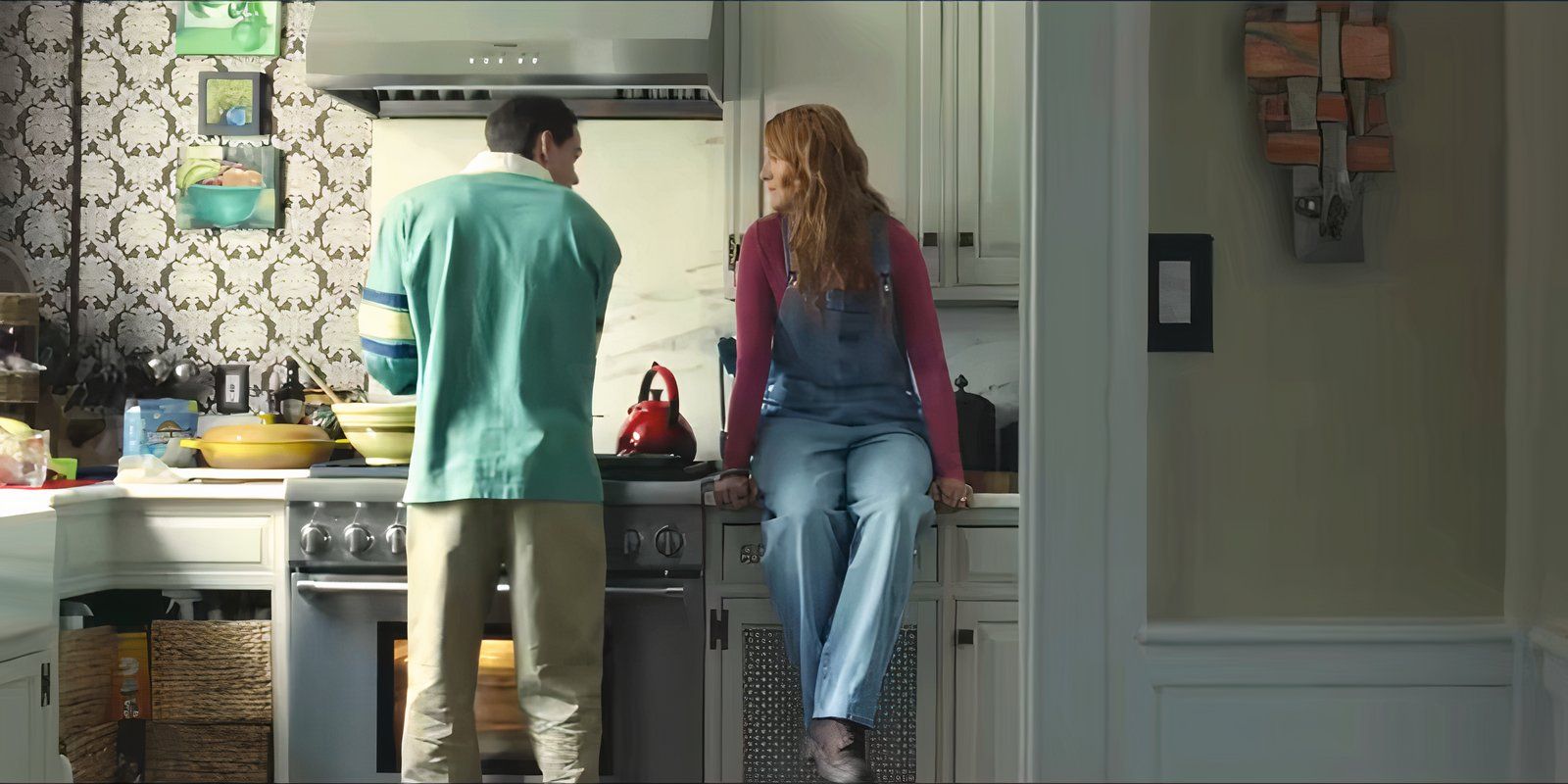
In the feature film adaptation of Colleen Hoover’s bestseller It Ends With Us, acclaimed theater and television actress Amy Morton plays Jenny Bloom, the mother of protagonist Lily Bloom (portrayed by Blake Lively). Morton’s grounded performance provides an essential emotional anchor for the story, depicting a survivor of long-term domestic abuse whose life experience deeply influences her daughter's pivotal choices.
Amy Morton’s Character in It Ends With Us: Jenny Bloom
In It Ends With Us, directed by Justin Baldoni and released in theaters in August 2024, Amy Morton takes on the role of Jenny Bloom. Jenny is the mother of the lead character, Lily Bloom. Throughout Lily’s childhood, Jenny was subjected to severe physical and emotional abuse at the hands of her husband, Andrew Bloom (played by Kevin McKidd), a respected mayor in their local Maine hometown.
Jenny’s narrative function is pivotal to understanding Lily’s internal psychology. Growing up in a household where violence was hidden behind a facade of civic respectability, Lily witnessed her mother suffer in silence. Jenny chose to endure the abuse, remaining in the marriage to protect the family’s public standing and attempt to maintain stability for her daughter. This decision creates a complex emotional burden for Lily, who grows up determined never to find herself in a similar situation.
When Lily moves to Boston to open her floral shop and subsequently enters a turbulent relationship with neurosurgeon Ryle Kincaid (Justin Baldoni), the lingering trauma of her parents' marriage resurfaces. Morton’s portrayal of Jenny presents a woman who has endured deep psychological scarring, offering a realistic depiction of how long-term trauma shapes parental dynamics and familial communication.
Generational Trauma and Breaking the Cycle
The primary thematic core of It Ends With Us revolves around recognizing domestic violence, processing trauma, and breaking generational cycles of abuse. Amy Morton’s performance as Jenny Bloom serves as the historical baseline against which Lily’s character arc is measured.
GENERATIONAL TRAUMA CYCLE
FIRST GENERATION (Jenny Bloom)
- Endures domestic abuse in silence.
- Prioritizes family stability and societal expectations.
- Remains in the relationship due to fear and obligation.
THE INTERMEDIARY TRAUMA (Young Lily Bloom)
- Witnesses abuse and internalizes emotional damage.
- Vows never to repeat her mother's path.
REPETITION & CONFRONTATION (Adult Lily Bloom)
- Encounters abusive behavior in her own marriage.
- Recognizes familiar patterns of rationalization.
BREAKING THE CYCLE ("It Ends With Us")
- Receives maternal validation from Jenny Bloom.
- Chooses self-protection and protects the next generation.
The Dynamics of Silence and Realization
In both the novel and the cinematic adaptation, Jenny’s relationship with Lily is marked by unsaid words and shared history. In the early acts of the story, following Andrew Bloom's death, Lily struggles to deliver a eulogy for her father because she cannot reconcile his public praise with his private cruelty. Jenny’s silent presence at the funeral underscores the compromise she made throughout her adult life.
As Lily’s own marriage to Ryle deteriorates due to increasing violent outbursts, the parallel between her life and her mother's becomes unavoidable. Jenny’s role shifts from a silent victim of the past to a supportive figure in the present. When Lily confides in her mother about the reality of her marriage, Jenny provides vital validation. Unlike the past generation, which minimized or hid domestic violence, Jenny encourages Lily to seek safety and independence, explicitly wishing a different life for her daughter than the one she endured.
This shift underscores the central message of the title: the realization that ending a pattern of abuse requires active intervention, self-worth, and painful boundary-setting.
Key Cast and Character Dynamics in It Ends With Us
The film adaptation brings together a ensemble cast to portray the interconnected relationships across Lily Bloom's past and present. The following table details the primary cast members, their respective roles, and how their characters relate to Jenny Bloom and the broader story arc:
| Actor | Character Name | Role in the Narrative | Relationship to Jenny Bloom |
|---|---|---|---|
| Blake Lively | Lily Bloom | Protagonist; florist navigating past trauma and a toxic relationship | Daughter; breaks the cycle of abuse that defined Jenny’s life |
| Amy Morton | Jenny Bloom | Mother of Lily; survivor of domestic violence | Core focal subject; mother to Lily and widow of Andrew |
| Justin Baldoni | Ryle Kincaid | Charming neurosurgeon whose violent temper mirrors Andrew Bloom | Son-in-law; repeats the abusive dynamics present in Jenny’s past |
| Brandon Sklenar | Atlas Corrigan | Lily’s childhood first love who witnessed her upbringing | Childhood confidant of Lily who observed the abuse in Jenny's home |
| Kevin McKidd | Andrew Bloom | Deceased father of Lily; former mayor with a violent private life | Late husband; perpetrator of long-term abuse against Jenny |
| Jenny Slate | Allysa | Lily’s best friend and Ryle’s supportive sister | Sister-in-law to Lily; secondary support system |
| Isabela Ferrer | Young Lily Bloom | Teenage Lily portrayed in flashback sequences | Young version of Jenny’s daughter witnessing domestic conflicts |
| Alex Neustaedter | Young Atlas Corrigan | Teenage Atlas shown during Lily’s formative years | Teenager helped by Young Lily outside the Bloom family home |
Amy Morton’s Career Background and Legacy
Amy Morton’s role in It Ends With Us adds to a long career spanning stage, film, and television. Known for her authority, emotional clarity, and dramatic range, Morton is one of Chicago's most celebrated theatrical exports and a prominent screen actor.
Stage and Theater Leadership
Amy Morton has been a ensemble member of Chicago’s prestigious Steppenwolf Theatre Company since 1997. Over her decades with Steppenwolf, she has directed and starred in dozens of productions, earning a reputation as a major figure in American regional and Broadway theater.
- August: Osage County (2007–2009): Morton originated the role of Barbara Fordham in Tracy Letts’s Pulitzer Prize-winning play. Her performance on Broadway earned her a Tony Award nomination for Best Actress in a Play.
- Who’s Afraid of Virginia Woolf? (2012–2013): Morton starred as Martha in the revival directed by Pam MacKinnon, earning her second Tony Award nomination for Best Actress in a Play.
Television and Film Roles
While theater remains a core part of her career, Morton is widely recognized by television audiences for her long-running roles in high-profile series:
- Chicago P.D. (NBC): Morton is best known to television viewers as Desk Sergeant Trudy Platt, a role she has played since 2014 across the One Chicago franchise (Chicago P.D., Chicago Fire, and Chicago Med). Her portrayal of the tough, sharp-witted sergeant has made her a fan favorite across more than ten seasons.
- Up in the Air (2009): Morton played Kara Bingham, the sister of George Clooney’s character Ryan Bingham, in Jason Reitman's Academy Award-nominated comedy-drama.
- Rookie of the Year (1993): Early in her film career, Morton starred as Mary Rowengartner, the supportive mother of young baseball pitcher Henry Rowengartner (Thomas Ian Nicholas).
- Blue Bloods & Homeland: Morton has appeared in guest and recurring roles across major dramatic series, showcasing her versatility in procedural and serialization television.
AMY MORTON CAREER HIGHLIGHTS
THEATER
- Steppenwolf Theatre Company Ensemble Member (1997–Present)
- Tony Award Nominee: Best Actress in a Play (August: Osage County)
- Tony Award Nominee: Best Actress in a Play (Virginia Woolf)
- Director of numerous regional and Off-Broadway productions
TELEVISION
- Sergeant Trudy Platt in Chicago P.D. (2014–Present)
- Recurring appearances across Chicago Fire and Chicago Med
- Guest roles in Blue Bloods, Homeland, and ER
FILM
- Jenny Bloom in It Ends With Us (2024)
- Kara Bingham in Up in the Air (2009)
- Mary Rowengartner in Rookie of the Year (1993)
Critical Analysis of Morton’s Performance in the Film
In adapting Colleen Hoover’s novel for the screen, screenwriters and directors faced the challenge of translating internal monologues into visual narrative. Jenny Bloom does not have extensive screen time compared to the primary romantic trio (Blake Lively, Justin Baldoni, and Brandon Sklenar), but her scenes carry significant thematic weight.
Emotional Economy and Subtext
Morton brings a practical restraint to the character of Jenny Bloom. Rather than playing the character as purely broken, she portrays Jenny as a woman who survived the only way she knew how during an era with fewer public resources and higher social stigma surrounding domestic violence.
- The Funeral Scene: Morton’s body language in the opening act conveys the unspoken strain of attending a public memorial for a partner who was secretly abusive. Her quiet reactions to Lily’s hesitation at the podium set the emotional tone for the family history.
- The Mother-Daughter Reconnection: In scenes where Lily confronts the truth of her own relationship, Morton plays Jenny not with judgment, but with empathetic clarity. This conversation provides Lily with the maternal permission and validation she needs to break away from Ryle, reinforcing that leaving an abusive situation is an act of strength rather than failure.
By casting a seasoned stage actress like Morton, the production ensured that key dramatic scenes regarding domestic abuse were grounded in emotional reality rather than melodramatic tropes.
Contextual Background: Adaptation of It Ends With Us
Published in 2016, Colleen Hoover’s novel It Ends With Us became a commercial hit, propelled years after its initial publication by vibrant discussions across reading communities on platforms like TikTok (BookTok). The novel was inspired by Hoover’s own childhood experiences witnessing her mother navigate an abusive relationship, making the character of Jenny Bloom directly linked to the author’s real-life inspiration.
When Wayfarer Studios and Sony Pictures optioned the film rights, maintaining the authenticity of the mother-daughter dynamic was essential. Filming took place across New Jersey and New York between 2023 and 2024. Upon its theatrical release in August 2024, the film achieved significant box-office success, generating over $340 million worldwide against a modest production budget. Critics praised the performances of the core ensemble, noting that Morton and McKidd provided essential weight to the narrative's tragic backstories.
Frequently Asked Questions
What role does Amy Morton play in It Ends With Us?
Amy Morton plays Jenny Bloom, the mother of the main character, Lily Bloom (Blake Lively). Jenny is a survivor of domestic abuse whose past experiences with her late husband, Andrew Bloom, shape Lily’s understanding of relationships and generational trauma.
Is Amy Morton’s character present in Colleen Hoover's original novel?
Yes. Jenny Bloom is a character in Colleen Hoover’s 2016 novel It Ends With Us. In the book, as in the film adaptation, she represents the previous generation of women who suffered domestic violence in silence, serving as a contrast to Lily’s choice to break the cycle.
Where else have I seen actress Amy Morton?
Amy Morton is widely recognized for her starring role as Desk Sergeant Trudy Platt on NBC’s Chicago P.D. She has also appeared in prominent films such as Up in the Air (2009) alongside George Clooney and Rookie of the Year (1993). Additionally, she is a two-time Tony Award-nominated theater actress for her work in August: Osage County and Who’s Afraid of Virginia Woolf?.
Who plays Lily Bloom's father alongside Amy Morton?
Actor Kevin McKidd (best known for his role as Dr. Owen Hunt on Grey’s Anatomy) plays Andrew Bloom, Jenny’s husband and Lily’s father, who appears in flashback sequences and early narrative references.
What is the central message behind Jenny and Lily's story in the film?
The core message behind their dynamic is the breaking of generational cycles of domestic abuse. While Jenny felt trapped by societal expectations and her era's limitations, her support helps empower Lily to make the choice to leave an abusive relationship, ensuring her own daughter will grow up free from violence.
Recommended Next Steps for Viewers and Readers
For audiences interested in further exploring the themes, cast work, and source material associated with It Ends With Us:
- Read the Original Source Material: Compare the film adaptation with Colleen Hoover’s 2016 novel It Ends With Us and its 2022 sequel It Starts With Us to explore Jenny Bloom's backstory in greater literary detail.
- Explore Amy Morton’s Stage and Screen Work: Watch Morton’s television work in NBC's Chicago P.D. or her dramatic performance in Jason Reitman's film Up in the Air to see her broader acting catalog.
- Access Support Resources: For individuals seeking information or support regarding domestic violence, resources such as the National Domestic Violence Hotline (1-800-799-SAFE or thehotline.org in the United States) offer confidential assistance, crisis intervention, and referral services.