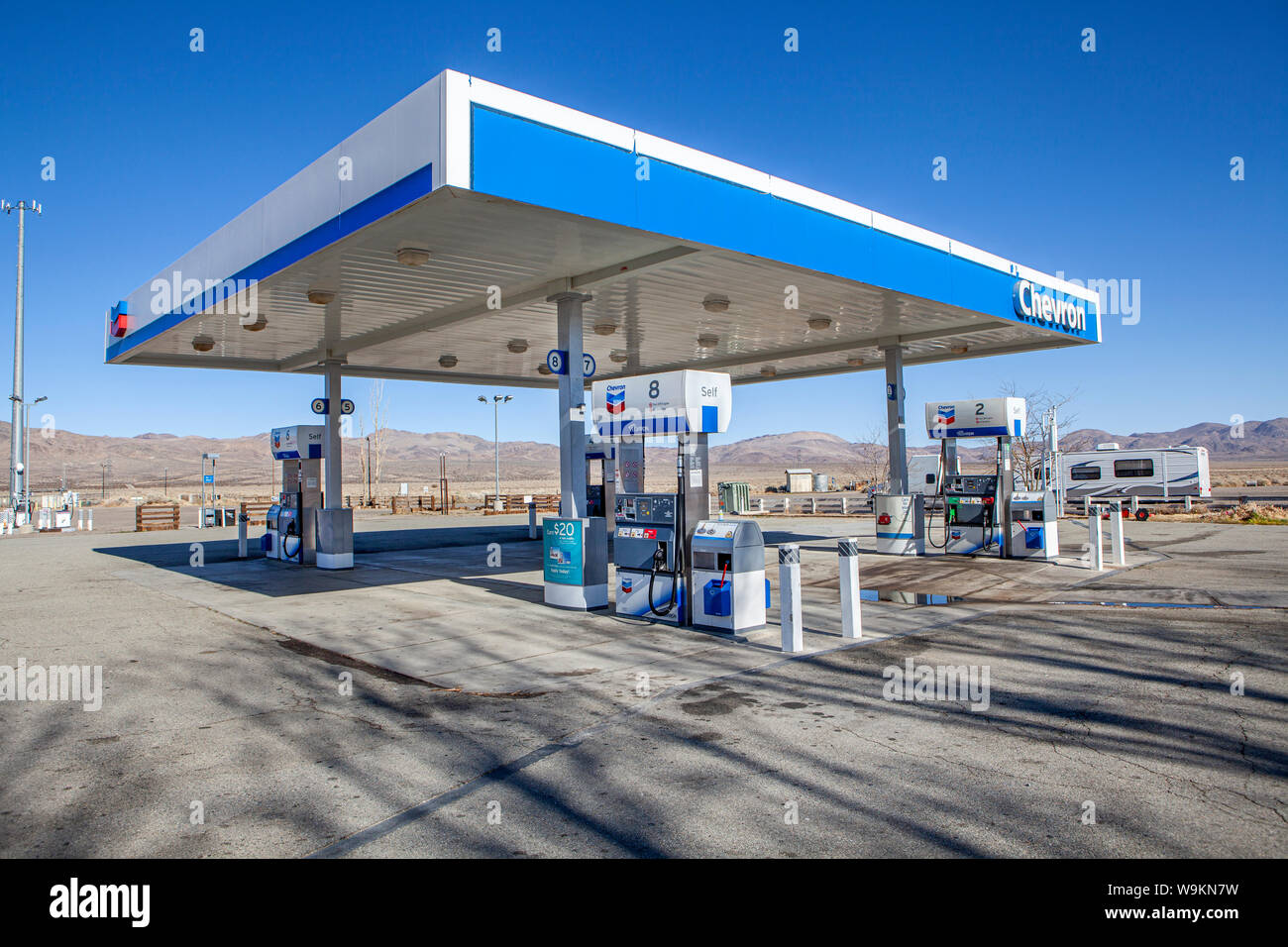
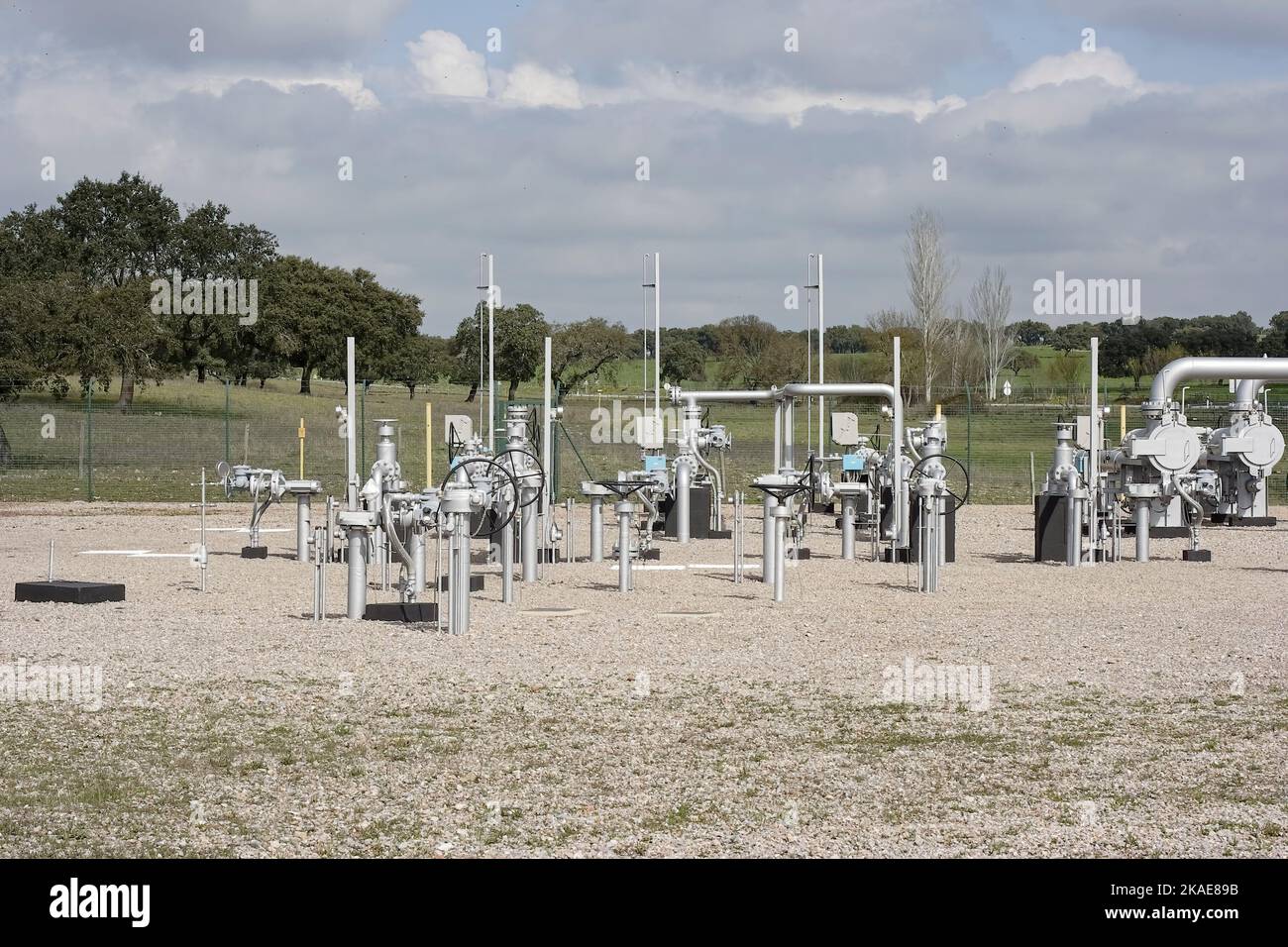
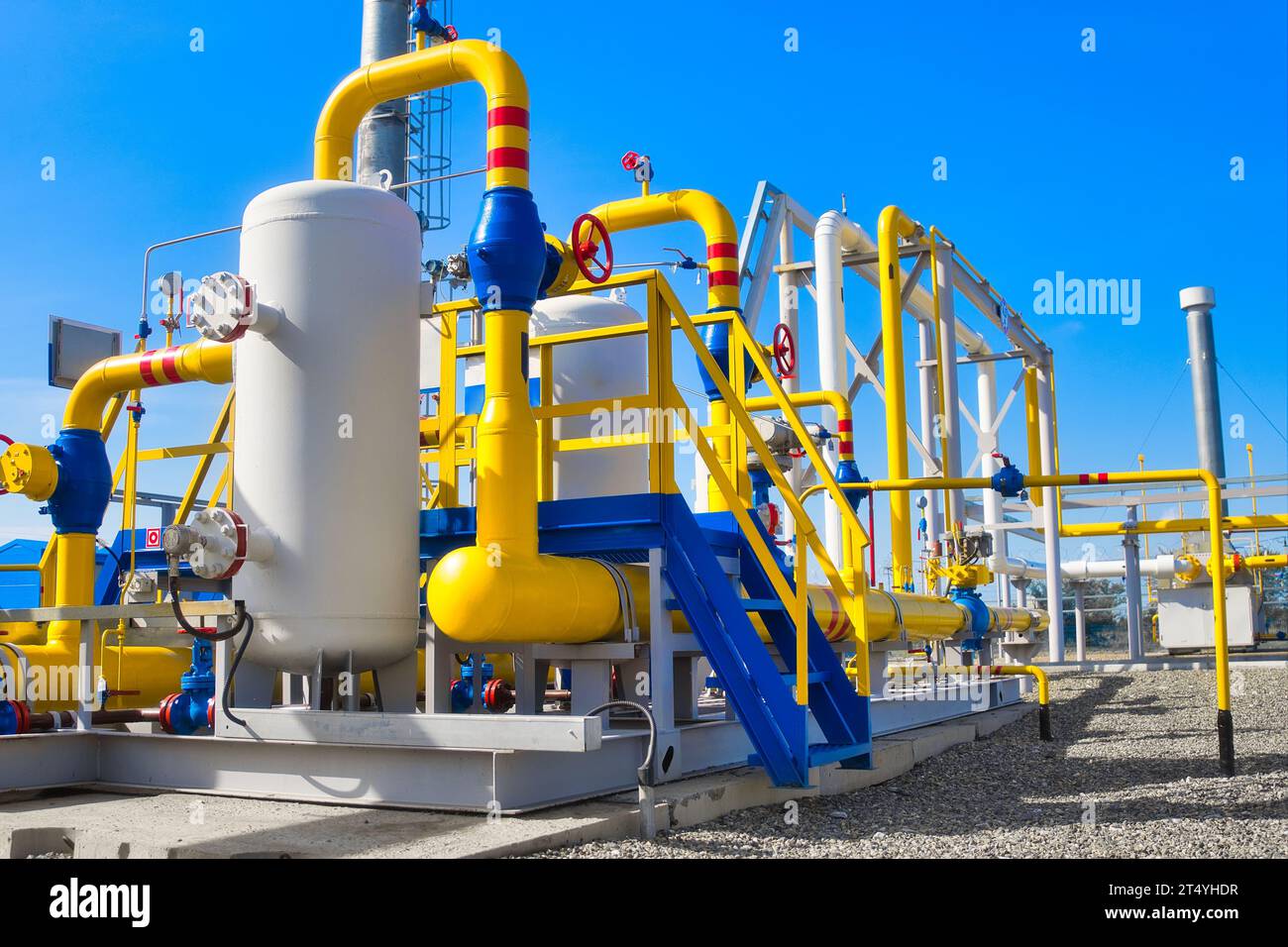
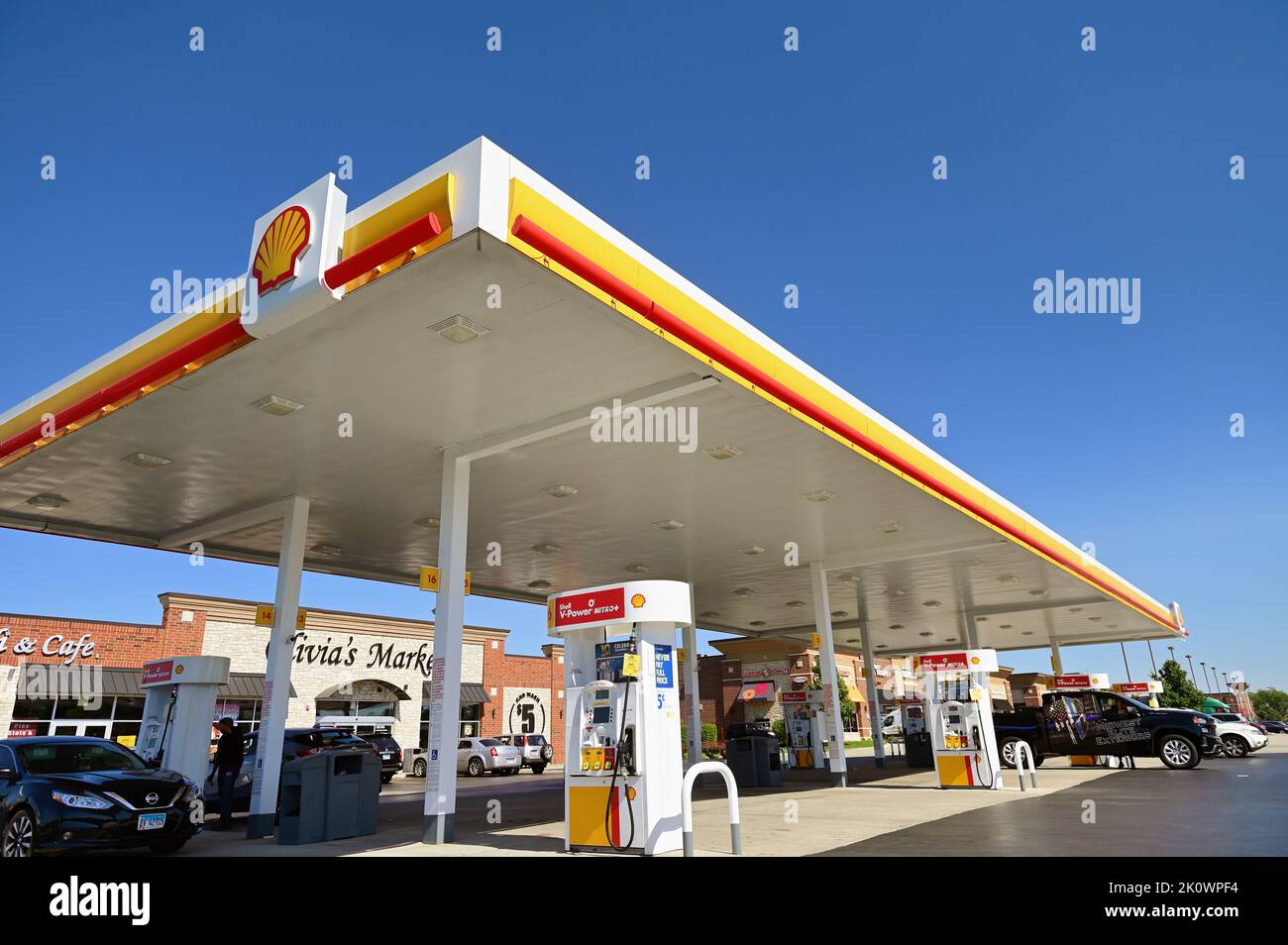
American natural gas stations provide compressed natural gas (CNG) or liquefied natural gas (LNG) for specialized vehicles. In 2026, these facilities are primary hubs for heavy-duty trucking and municipal fleets, offering a cost-effective, lower-emission alternative to diesel through a mix of retail fast-fill dispensers and private time-fill infrastructure across the United States.
American natural gas stations have evolved significantly from niche experimental sites into a robust national network. As of 2026, the infrastructure supports a wide variety of transportation sectors, ranging from local refuse collection and transit buses to long-haul Class 8 trucks. While traditional gasoline stations are ubiquitous, natural gas stations require specialized compression, cooling, and storage equipment to handle methane at high pressures or cryogenic temperatures.
The shift toward decarbonization has also transformed the "product" sold at these stations. Most American natural gas stations now dispense a high percentage of Renewable Natural Gas (RNG), which is captured from organic waste sources like landfills and dairy farms. This transition has allowed the industry to maintain its relevance even as electric vehicle (EV) competition intensifies, particularly in the heavy-duty sector where energy density and refueling speed remain critical.
Understanding Natural Gas Fueling: CNG vs. LNG Stations
To navigate the American natural gas station landscape, one must first distinguish between the two primary forms of the fuel. While both are methane-based, their storage requirements and fueling processes differ fundamentally.
Compressed Natural Gas (CNG) Stations
CNG is the most common form of natural gas found at public and private stations in the U.S. At these locations, gas is taken from a utility pipeline and compressed to pressures of 3,000 to 3,600 pounds per square inch (psi).
CNG stations are typically categorized into two types:
- Fast-Fill: These stations function similarly to traditional gas stations. They use high-pressure storage vessels to deliver fuel quickly, allowing a driver to fill a tank in roughly the same time it takes to pump diesel. These are essential for retail locations and "stop-and-go" fleets.
- Time-Fill: These are primarily found at private fleet yards. Vehicles are plugged into a central compression system overnight. The gas is delivered at a lower flow rate over several hours. This is highly efficient for fleets that return to a central hub every evening, such as school buses or garbage trucks, as it eliminates the need for large on-site storage tanks.
Liquefied Natural Gas (LNG) Stations
LNG is natural gas that has been cooled to approximately -260°F, at which point it turns into a liquid. This process reduces the volume of the gas by about 600 times, making it much denser than CNG.
LNG stations are rarer and are almost exclusively located along major freight corridors. Because LNG must be kept at cryogenic temperatures, the equipment is more complex and expensive to maintain. However, for long-haul trucks, LNG offers a significant advantage: it allows for a much larger amount of energy to be stored in a smaller space, providing a range comparable to diesel-powered vehicles.
The Current State of Infrastructure in 2026
By 2026, the American natural gas station network has reached a state of mature stability. While the rapid expansion seen in the early 2010s has leveled off, the quality and reliability of existing stations have improved. According to data from the U.S. Department of Energy’s Alternative Fuels Data Center (AFDC), there are currently over 1,500 public-access CNG stations and a smaller, strategic network of LNG sites.
Regional Density and "Clean Corridors"
The density of stations varies heavily by region. California remains the leader in infrastructure, driven by strict emissions regulations and the Low Carbon Fuel Standard (LCFS). Texas, Oklahoma, and Pennsylvania also boast high station counts due to their local natural gas production and favorable state-level incentives.
The Federal Highway Administration (FHWA) has designated "Alternative Fuel Corridors" across the Interstate Highway System. In 2026, these corridors ensure that a natural gas vehicle can travel from coast to coast with predictable fueling intervals, usually every 100 to 150 miles along major routes like I-10, I-80, and I-95.
Key Players in the Industry
Several major entities dominate the American natural gas station market:
- Clean Energy Fuels: The largest provider in North America, focusing heavily on the transition to RNG (branded as Redeem).
- Trillium (a Love’s Company): Integrated with major truck stops, Trillium provides a seamless experience for professional drivers who need both fuel and traditional amenities.
- Gain Clean Fuel: A provider focusing on carrier fleets and dedicated station builds.
- Municipalities: Many cities operate their own stations for transit and utility vehicles, some of which allow public access during daylight hours.
Fueling Mechanics: How American Natural Gas Stations Operate
Fueling a vehicle at a natural gas station involves more than just a different nozzle; it requires an understanding of pressure and temperature compensation.
The Compression Process
At a CNG station, the process begins with a "dryer" that removes moisture from the incoming utility gas. The gas then enters a multi-stage compressor. Modern 2026-era compressors are designed for extreme durability and reduced noise. Once compressed, the gas is moved to a "priority panel" which directs it either to the storage "cascades" (large tanks) or directly to the dispenser if a vehicle is currently fueling.
Dispenser Technology and Safety
CNG dispensers look like standard gas pumps but feature a locking nozzle. Because gas expands and contracts based on temperature, stations use "temperature compensation" software. This ensures that the vehicle receives a "full fill" regardless of whether it is a hot afternoon in Arizona or a cold morning in Maine.
Safety is integrated into every component. Breakaway hoses are standard; if a driver accidentally pulls away while the nozzle is still attached, the flow of gas is instantly severed at both ends. Additionally, methane detectors and emergency shut-off (ESO) buttons are prominently located at all American natural gas stations to mitigate risks of leaks or fires.
Cost Analysis: CNG Pricing vs. Traditional Diesel
The primary driver for using American natural gas stations is the "fuel spread"—the difference in price between natural gas and diesel.
The GGE and DGE Metrics
To make pricing comparable, natural gas is sold in Gasoline Gallon Equivalents (GGE) or Diesel Gallon Equivalents (DGE). One GGE of CNG contains the same energy content as one gallon of gasoline.
- CNG (GGE): Generally $1.50 to $2.50 lower than a gallon of gasoline.
- LNG (DGE): Often tracks closer to diesel prices but remains significantly cheaper on a per-mile basis for heavy-duty applications.
Comparison Table: CNG vs. LNG Station Characteristics (2026)
| Feature | CNG Station | LNG Station |
|---|---|---|
| Primary State | High-pressure gas (3,600 psi) | Cryogenic liquid (-260°F) |
| Common Users | Sedans, Vans, Buses, Refuse Trucks | Class 8 Long-haul Trucks |
| Refueling Time | 3-5 minutes (Fast-fill) | 5-10 minutes (Requires PPE) |
| Storage Complexity | High-pressure tanks (Moderate) | Vacuum-insulated tanks (High) |
| Regional Availability | Widespread (Urban and Rural) | Clustered along major Interstates |
| Fuel Density | Lower (Requires more tank space) | Higher (Better for long distances) |
Impact of Federal Tax Credits
In 2026, the federal Alternative Fuel Tax Credit (often referred to as the "30-cent credit") continues to play a role in the economics of natural gas fueling. This credit allows station operators or fleet owners to recoup a portion of their fuel costs, which is often passed down to the consumer at the pump to keep prices competitive against fluctuating petroleum markets.
Environmental Impact and the Rise of Renewable Natural Gas (RNG)
One cannot discuss American natural gas stations in 2026 without highlighting the shift from fossil-based gas to Renewable Natural Gas (RNG). This has been the single most important development in the industry over the last decade.
RNG is chemically identical to conventional natural gas but is derived from the decomposition of organic matter. When used in a near-zero emission engine (like the Cummins X15N), the carbon intensity (CI) score can actually be negative. For example, capturing methane from a dairy farm—which would otherwise escape into the atmosphere as a potent greenhouse gas—and using it to power a truck results in a massive net reduction in carbon emissions.
Most retail natural gas stations in the U.S. now prioritize RNG sourcing. This allows corporate fleets with strict ESG (Environmental, Social, and Governance) goals to achieve immediate carbon reductions without the range or payload sacrifices often associated with current battery-electric heavy trucks.
Planning Your Route: Locating Stations and Network Reliability
For drivers of natural gas vehicles, "range anxiety" is managed through digital tools. Unlike gasoline stations, you cannot assume there is a natural gas station at every exit.
- Mobile Apps: Apps like NGVAmerica’s station map and the AFDC Station Locator provide real-time data on station status, pricing, and nozzle types (e.g., NGV1 for cars or NGV2 for heavy-duty trucks).
- Access Codes: Many stations are located behind "card-lock" gates for security. While they are technically public, they may require a specialized fleet card (like Comdata or WEX) or a pre-obtained gate code.
- Reliability Monitoring: In 2026, many stations utilize IoT (Internet of Things) sensors to report uptime. If a compressor fails, the station's status is updated instantly on mapping software, preventing drivers from arriving at a non-functional pump.
Safety Standards and Regulatory Compliance
American natural gas stations are governed by strict codes to ensure public safety. The primary standard is NFPA 52 (Vehicular Natural Gas Fuel Systems Code), which dictates the installation and operation of fueling facilities.
Key Safety Requirements:
- Pressure Relief Devices (PRDs): Both the station and the vehicle are equipped with PRDs that safely vent gas upward in the event of over-pressurization.
- Methane Detection: Enclosed fueling bays must have active methane sensors that trigger ventilation fans and alarms if a leak is detected.
- Grounding: Stations are designed to prevent static electricity discharge during the fueling process.
- Driver Training: While retail CNG stations are designed for ease of use, LNG stations often require drivers to wear personal protective equipment (PPE), including cryogenic gloves and face shields, due to the risk of "cold burns."
Challenges and the Future Outlook
Despite the benefits, the American natural gas station network faces challenges in 2026. The most significant is the competition from electric charging infrastructure and hydrogen fuel cell development.
Infrastructure Costs
Building a new natural gas station remains expensive. A standard fast-fill CNG station can cost between $1 million and $2 million, depending on the capacity of the compressors. This high barrier to entry means that most new station growth is driven by guaranteed "anchor fleets"—large companies that commit to using a certain volume of fuel before the station is even built.
Maintenance Intensity
Unlike an electric charger, which has few moving parts, a natural gas station is a complex mechanical plant. Compressors require regular oil changes, filter replacements, and seal inspections. Maintaining high uptime is the primary operational challenge for station owners in 2026.
Frequently Asked Questions
Can I fuel a regular gasoline car at a natural gas station?
No. Only vehicles specifically manufactured or converted to run on CNG or LNG can use these stations. Attempting to use a natural gas dispenser on a standard vehicle is impossible anyway, as the nozzle hardware and fuel tank receptacles are completely incompatible.
Are American natural gas stations safe in a collision?
Natural gas stations are designed with extreme safety redundancies. Regarding the fuel itself, natural gas is lighter than air. If a leak occurs at a station, the gas rises and dissipates into the atmosphere, unlike gasoline or diesel, which pools on the ground and creates a persistent fire hazard.
How do I find natural gas stations near me?
The most reliable source is the U.S. Department of Energy’s AFDC Station Locator. It allows you to filter by fuel type (CNG or LNG), access type (public or private), and nozzle pressure (3,000 vs. 3,600 psi).
Is the fuel at these stations "fracked" gas or renewable gas?
In 2026, it is often a blend. However, because of the financial incentives provided by the EPA’s Renewable Fuel Standard (RFS), a significant and growing percentage of fuel sold at American natural gas stations is Renewable Natural Gas (RNG) sourced from organic waste.
Why aren't there more natural gas stations in residential areas?
Natural gas stations require proximity to high-pressure gas mains and industrial-grade electrical service for the compressors. Additionally, the noise from large compressors often makes them more suitable for industrial zones or highway interchanges than quiet residential neighborhoods.
Practical Recommendation for 2026
If you are a fleet manager or an individual considering a transition to natural gas, your first step should be a site-gap analysis. Before purchasing vehicles, plot your primary routes against the current AFDC station map. For most regional haulers, the 2026 network is more than sufficient. However, for those operating in the rural Midwest or Mountain West, you may need to consider a private "on-site" fueling solution, such as a time-fill station, to ensure your operations are not dependent on the public retail network. Engaging with a "Clean Cities" coalition can also provide you with updated information on local grants and upcoming station builds in your specific territory.