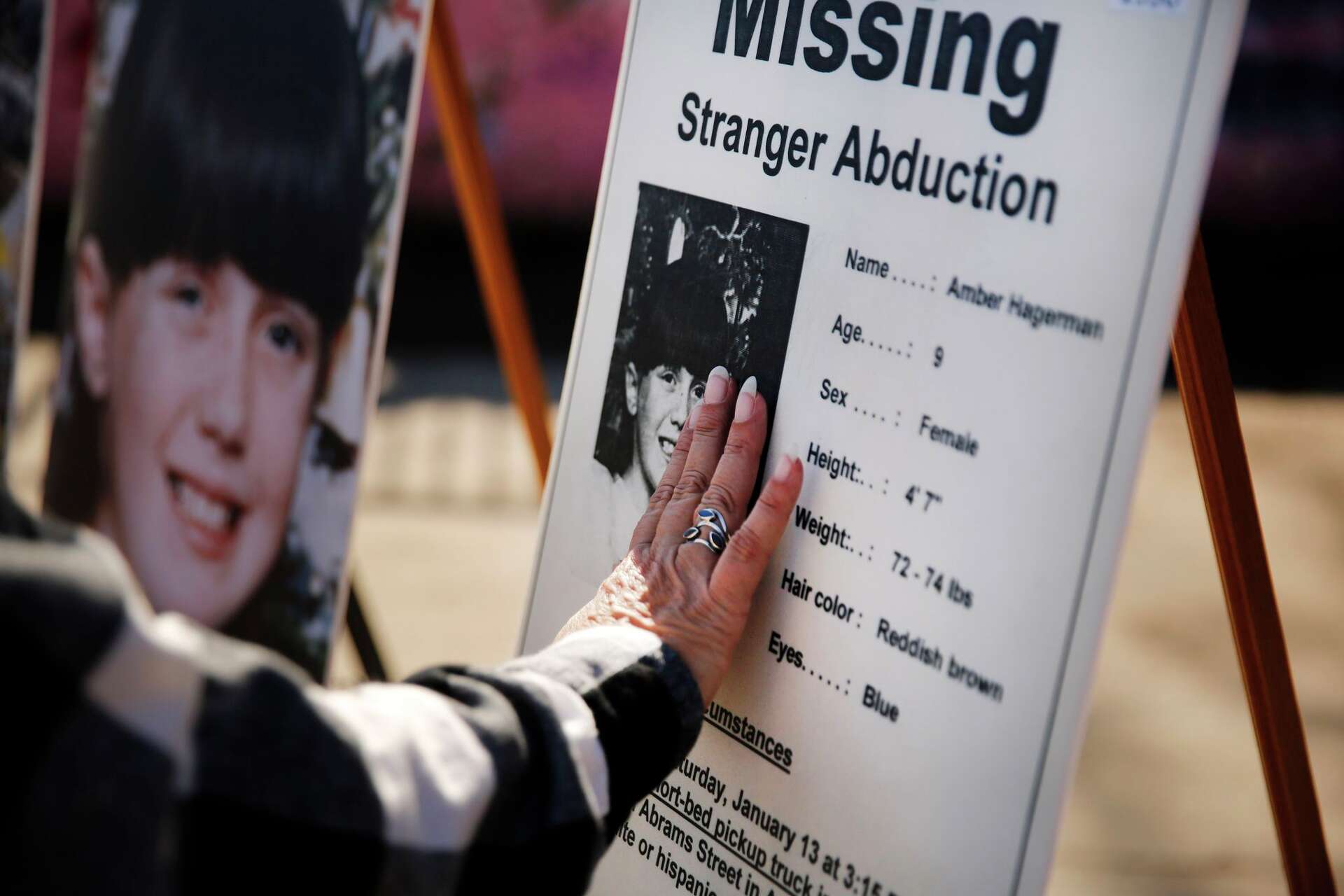
The AMBER Alert system, a critical emergency response tool for child abduction cases, was established in the wake of the 1996 kidnapping and murder of nine-year-old Amber Hagerman in Arlington, Texas. Driven by community grief and local advocacy, the program pioneered a collaborative partnership between law enforcement and the media to ensure rapid, public dissemination of time-sensitive information, eventually becoming a nationwide standard in the United States and beyond.
The Tragedy in Arlington: Context and Catalysts
On January 13, 1996, nine-year-old Amber Hagerman was riding her bicycle in an abandoned grocery store parking lot in Arlington, Texas, when she was abducted. Despite a witness observing the abduction and contacting the police, the lack of a structured, real-time alert system meant that the community was largely unaware of the event until it was too late. Four days later, Amber’s body was discovered in a drainage ditch.
The brutality of the crime sent shockwaves through the Dallas-Fort Worth area and the nation. At the time, law enforcement agencies lacked a formal mechanism to instantly notify the public, media, and other agencies about a child abduction. The tragedy highlighted a critical systemic failure: the "golden hour"—the period immediately following an abduction when the likelihood of a safe recovery is highest—was being lost to bureaucratic delays and a lack of communication infrastructure.
The Conception of the AMBER Plan
Following the tragedy, local citizens and parents reached out to local radio stations, demanding to know why there had been no broadcast warnings about the abduction. In response, Diane Simone, a local resident, contacted a Dallas-area radio station to suggest a system modeled after the Emergency Alert System (EAS), which was traditionally used for weather and civil defense warnings.
The concept was simple yet revolutionary: if a child is abducted, law enforcement agencies should provide immediate, verified details to radio and television stations, which would then interrupt their broadcasts to alert the public. This collaborative framework was officially named the "AMBER Plan," an acronym for America's Missing: Broadcast Emergency Response, which also served as a memorial to Amber Hagerman. By 1997, the Dallas-Fort Worth Association of Radio Managers had fully implemented the protocol in partnership with local police departments, creating the template for what would eventually be adopted globally.
Expanding the Infrastructure: From Local to Federal
The success of the Arlington-based pilot program in the late 1990s demonstrated that real-time public engagement significantly increased the chances of locating abducted children. As other jurisdictions observed the effectiveness of the Texas model, the system began to scale.
In 2002, the White House held the first National Conference on Missing, Exploited and Runaway Children. Following this, the PROTECT Act of 2003 was signed into law, which formally authorized the federal government to coordinate AMBER Alert efforts. This legislation provided the necessary funding for equipment, training, and the integration of the system into national infrastructure, including digital highway signs and, eventually, wireless emergency alerts sent directly to cellular devices.
Comparison of Alert Dissemination Methods
| Method | Primary Strength | Reach and Scope |
|---|---|---|
| Radio/Broadcast | Immediate, broad reach | Local/Regional audience |
| Highway Signs | Targets commuters/travelers | Local/Statewide traffic corridors |
| Wireless Alerts | Real-time, location-based | Massive, precise geographical reach |
| Social Media | Rapid, community sharing | Global/Digital engagement |
Technical Requirements and Operational Criteria
For an AMBER Alert to be issued, specific criteria must be met to ensure the system remains effective and avoids "alert fatigue." Law enforcement agencies maintain strict protocols to prevent the misuse of the system, which would ultimately diminish the public's willingness to respond.
Standard Activation Criteria
- Verification of Abduction: Law enforcement must have reasonable belief that an abduction has occurred.
- Imminent Danger: The child must be at risk of serious bodily injury or death.
- Sufficient Descriptive Data: The police must possess descriptive information about the child, the suspect, or the vehicle to disseminate to the public.
- Age Verification: The child must be 17 years of age or younger.
When these criteria are satisfied, the agency enters the data into the National Crime Information Center (NCIC) system, which then triggers the broadcast notifications through the Integrated Public Alert and Warning System (IPAWS).
The Role of Wireless Technology in 2026
By 2026, the AMBER Alert system has become deeply integrated into the smartphone ecosystem. Unlike traditional media, which requires a user to be actively listening or watching, Wireless Emergency Alerts (WEA) utilize cell broadcast technology. This allows authorities to target specific cell towers in an area, delivering a loud, distinct notification directly to every compatible mobile device within that radius. This technology ensures that even if a user is not actively browsing or watching media, the alert is pushed to their device based on their physical location, significantly increasing the pool of potential witnesses.
Limitations and Ethical Considerations
Despite its success, the system is not without limitations. Over-utilization or imprecise geographic targeting can lead to public desensitization. Furthermore, researchers and civil liberty advocates have historically debated the privacy implications of location-based push notifications, though these concerns are generally balanced against the life-saving potential of the alerts. Another operational challenge is ensuring that rural or underfunded jurisdictions have the technical resources to maintain the same alert response speed as major metropolitan centers.
Frequently Asked Questions
What does AMBER stand for in the alert system? AMBER stands for America's Missing: Broadcast Emergency Response. It was named in memory of Amber Hagerman, the nine-year-old girl whose abduction and murder led to the creation of the program.
Are AMBER Alerts mandatory for all cell phones? Most modern cellular carriers participate in the Wireless Emergency Alert program. While users can often adjust their alert settings, it is generally recommended to keep child abduction alerts enabled, as they are geo-targeted to specific areas where a child is believed to be in immediate danger.
How does an AMBER Alert differ from a missing child report? A standard missing child report is initiated when a child is not where they are expected to be. An AMBER Alert is reserved for cases where law enforcement has evidence that an abduction has occurred and the child is in immediate danger. It is a tool for public assistance, not a general search mechanism.
What should I do if I receive an AMBER Alert? If you receive an alert, pay attention to the description of the child, the suspect, and the vehicle. If you believe you have seen the individuals mentioned, contact the law enforcement agency listed in the alert immediately. Do not attempt to intervene or track the suspect yourself.
How many children have been saved by the AMBER Alert system? Since its inception, the AMBER Alert system has been credited with the safe recovery of over 1,200 children in the United States alone. These figures are maintained by the U.S. Department of Justice and represent successful recoveries directly attributed to the alerts.
Next Steps for Public Awareness
The continued efficacy of the AMBER Alert system relies on the vigilance of the public. Residents are encouraged to ensure their mobile devices are updated to support the latest Wireless Emergency Alert protocols and to remain aware of the alert systems used in their local jurisdictions. For those interested in supporting child safety efforts, resources are available through the National Center for Missing & Exploited Children (NCMEC), which provides training and advocacy information for community members and law enforcement alike. Engaging with local law enforcement outreach programs can further help residents understand how they can best contribute to their community's safety infrastructure.