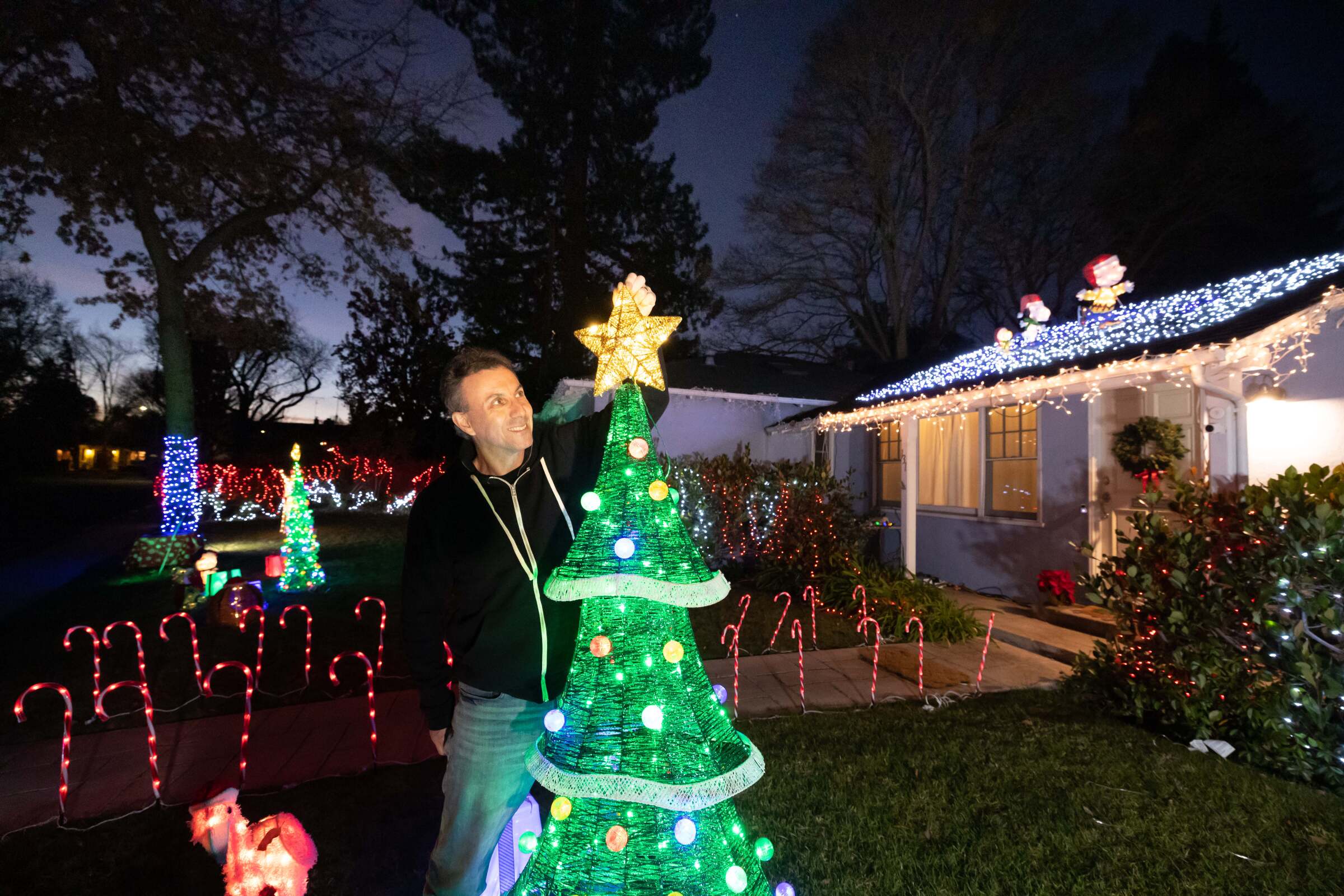
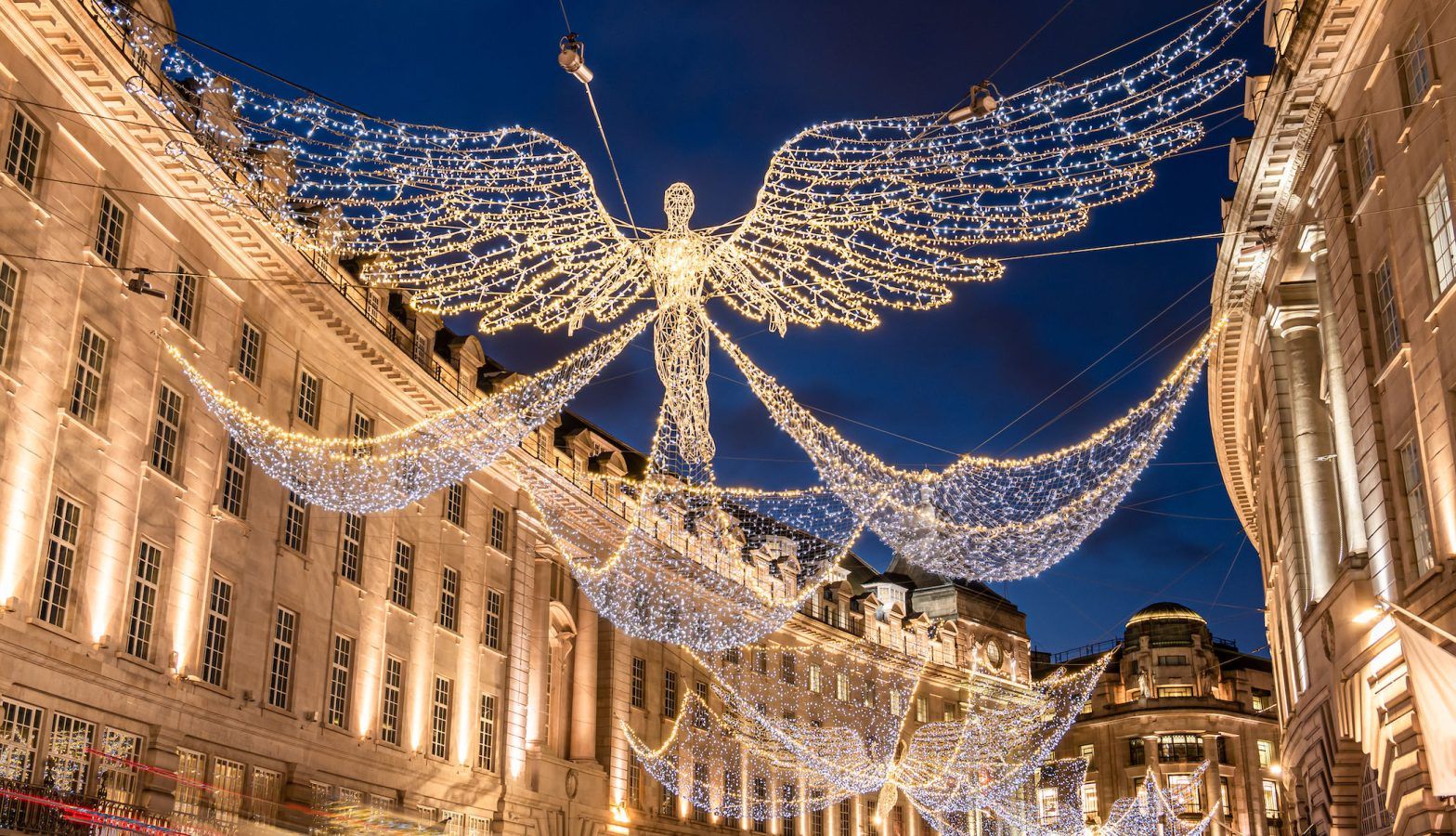
Alvin Copeland, the founder of Popeyes Louisiana Kitchen, was the visionary behind one of the most famous residential holiday light displays in American history. Originally hosted at his Metairie home, the multi-million-bulb spectacle now serves as a public tradition at Lafreniere Park, managed by his foundation to honor his legacy.
The Visionary Behind the Lights: Who Was Alvin Copeland?
To understand the scale and extravagance of the Alvin Copeland light display, one must first understand the man himself. Alvin Charles Copeland (1944–2008) was a quintessential American success story. Born into poverty in New Orleans, he transformed a small donut shop and later a struggling fried chicken stand into a global empire: Popeyes Famous Fried Chicken & Biscuits. Copeland was known for his flamboyant lifestyle, characterized by high-speed boat racing, luxury cars, and an unapologetic love for "living large."
His approach to Christmas was no different. For Copeland, the holiday season was an opportunity to give back to the community in the most visible way possible. What began as a personal tradition of decorating his home on Lakeshore Drive in Metairie, Louisiana, quickly evolved into a cultural phenomenon. He didn’t just want to decorate; he wanted to create an immersive experience that could be seen from miles away. His personality—bold, spicy, and larger-than-life—was reflected in every single bulb.
By the mid-1980s, the display had grown so massive that it attracted hundreds of thousands of visitors annually. It was not merely a house with lights; it was a choreographed production involving animated figures, thousands of feet of wiring, and a power bill that could rival a small industrial plant. Copeland’s dedication to this display was a manifestation of his business philosophy: if you are going to do something, be the best and the brightest at it.
The Evolution of the Lakeshore Drive Display
The original display at Copeland’s home was a masterclass in holiday excess. In its prime, the display featured over one million lights. The centerpiece often included a massive "Merry Christmas from the Copelands" sign, alongside elaborate Nativity scenes, oversized toy soldiers, and even a working carousel at various points.
The logistics of the residential display were staggering. Copeland employed a full-time crew to begin installations as early as October. The technical requirements included:
- Custom Transformers: To handle the immense electrical load without blowing the neighborhood’s power grid.
- Animated Displays: Many of the figures were custom-built animatronics that required constant mechanical maintenance.
- Traffic Management: As the display gained national fame, the local police department had to coordinate one-way traffic patterns to manage the thousands of cars that lined up nightly.
For many New Orleans residents, "going to see the Copeland lights" became a rite of passage. Families would pack into station wagons and later SUVs, waiting for hours in traffic just to catch a glimpse of the neon-bright spectacle. It was a gift to the city, provided entirely at Copeland's expense, reflecting his desire to share his success with his neighbors.
The Legal Battles: The "Grinch" Controversy
The sheer scale of the display eventually led to a historic legal battle that is still cited in property law discussions today. While the public loved the lights, Copeland’s neighbors in the upscale Lakeshore subdivision were less enthused. The primary complaints centered on the massive traffic congestion, noise, and the "carnival-like" atmosphere that descended upon their quiet residential street for six weeks every year.
In the late 1980s, a group of neighbors filed a lawsuit seeking to limit the display. They argued that the lights constituted a public nuisance and violated residential zoning ordinances. The media quickly dubbed the plaintiffs "The Grinches," while Copeland took to the airwaves to defend his right to celebrate Christmas.
The case eventually reached the Louisiana Supreme Court. The court’s decision was a compromise: while they acknowledged Copeland’s right to decorate his property, they also recognized the neighbors' right to the "quiet enjoyment" of their homes. Restrictions were placed on the hours of operation and the duration of the display. This legal friction was one of the catalysts that eventually moved the display from a private residence to a public space, ensuring that the tradition could continue without infringing on residential peace.
The Transition to Lafreniere Park and the Al Copeland Foundation
Following Alvin Copeland’s passing in 2008 due to Merkel cell carcinoma (a rare and aggressive form of skin cancer), his family sought a way to preserve his holiday legacy while also honoring his memory. The solution was a partnership with Jefferson Parish to move the core elements of the display to Lafreniere Park.
Today, the display is known as "Christmas in the Park" and is a centerpiece of the Al Copeland Concert Meadow. This transition allowed the display to grow even further. In 2026, the display remains a sophisticated operation that blends the original nostalgic pieces with modern LED technology.
The Role of the Al Copeland Foundation
The display is now deeply tied to the Al Copeland Foundation (ACF). The foundation was established by his children to fund cancer research, specifically focusing on the disease that took his life. Visitors to the lights are encouraged to donate, and a portion of the proceeds from park entry fees often goes toward the foundation's mission. This has transformed the display from a purely aesthetic celebration into a functional tool for social good, raising millions of dollars for local hospitals and research initiatives.
Technical Specifications and 2026 Operations
Operating a display of this magnitude in 2026 requires a blend of historical preservation and modern engineering. The transition from the old incandescent bulbs of the 1980s to high-efficiency LED systems has allowed the display to expand its footprint while actually reducing total energy consumption.
| Feature | Original Residential Display (1980s/90s) | Lafreniere Park Display (Current 2026) |
|---|---|---|
| Light Count | Approx. 1 Million | Over 2 Million |
| Power Source | Residential Grid/Industrial Transformers | Dedicated Park Infrastructure |
| Technology | Incandescent Bulbs | 95% LED / Smart Lighting Controllers |
| Traffic Control | Residential Streets / Police Detail | Planned Park Pathways / Managed Parking |
| Primary Goal | Personal Celebration / Community Gift | Cancer Research Fundraising / Public Tradition |
| Key Attractions | House-front facade, large signage | 60-foot trees, lighted boat parade, meadow displays |
The setup process now involves heavy machinery, including bucket trucks and cranes, to dress the massive oak trees in the park. The "Al Copeland Concert Meadow" serves as the focal point, featuring synchronized light shows where the bulbs "dance" to festive music—a feature that the original display pioneered in its later years.
Managing the Modern Visitor Experience
For those planning to visit the Al Copeland light display in 2026, the experience has been streamlined to accommodate modern expectations of safety and convenience. Unlike the old days of sitting in traffic on Lakeshore Drive, the park offers a dual experience: a driving tour and a walking tour.
Driving vs. Walking
- The Driving Tour: Ideal for those with limited mobility or those who want to experience the "classic" feel of driving through the lights. It follows a designated loop through the park.
- The Walking Tour: This is the preferred method for many, as it allows visitors to get close to the displays, take photos in front of the massive light tunnels, and visit the concession areas. The walking path is fully paved and accessible.
Cost and Logistics
In 2026, the park typically charges a nominal fee per vehicle or per pedestrian. These funds are used for the upkeep of the park and the maintenance of the lights. It is highly recommended to purchase tickets online in advance to avoid the long queues that still form on weekends in December. The display usually opens on the Friday after Thanksgiving and runs through the end of December.
The Lasting Legacy of a "Spicy" Entrepreneur
Alvin Copeland’s contribution to the holiday season in Louisiana cannot be overstated. He proved that one person's passion could become a collective tradition for an entire region. While he was often a controversial figure due to his aggressive business tactics and flamboyant persona, his holiday display was a point of universal connection.
He treated the light display with the same rigor he treated his fried chicken recipe: it had to be consistent, it had to be high-quality, and it had to leave an impression. By moving the display to a public park and attaching it to a charitable foundation, the Copeland family has ensured that "Al’s lights" will continue to shine long after his passing.
The display serves as a reminder of the "Copeland Way"—the idea that success is only meaningful if it is shared with the community in a way that is bold, bright, and unforgettable. Whether you are a fan of his spicy chicken or his spectacular lights, it is impossible to ignore the impact he had on the landscape of New Orleans and the spirit of Christmas.
Frequently Asked Questions
Where exactly is the Al Copeland light display located now?
The display is currently located in Lafreniere Park in Metairie, Louisiana. It is no longer hosted at a private residence. The park is situated at 3000 Downs Blvd, and the lights are primarily concentrated around the Al Copeland Concert Meadow.
Is the original "Merry Christmas from the Copelands" sign still used?
Yes, several of the iconic pieces from the original Lakeshore Drive home have been refurbished and integrated into the park display. The family and the foundation make a concerted effort to preserve these historical elements to maintain the connection to the original vision.
How does the Al Copeland Foundation benefit from the display?
The display serves as a major awareness and fundraising platform. Throughout the holiday season, the foundation accepts donations and hosts special events within the park. The money raised is used to fund clinical trials and research for Merkel cell carcinoma and other rare cancers through partnerships with LSU Health and other medical institutions.
Can you walk through the light display, or is it drive-thru only?
The Lafreniere Park setup is designed for both. There is a specific vehicle route for those who wish to stay in their cars, and there are extensive walking paths that allow visitors to see the displays up close. Many visitors prefer walking to take advantage of photo opportunities and food vendors.
What are the best times to visit to avoid crowds?
To avoid the largest crowds, it is best to visit on a weekday (Monday through Thursday) during the first two weeks of December. The weekends and the week leading up to Christmas Day are the busiest periods, often resulting in significant wait times for vehicle entry.
Practical Recommendations for Visitors
If you are planning to experience the legacy of Alvin Copeland through this massive light display, keep the following tips in mind:
- Arrive Early: The lights usually turn on at dusk (around 5:30 PM). Arriving 15 to 20 minutes early can save you significant time in the entry line.
- Check the Weather: As a largely outdoor event, rain can lead to partial closures of the walking paths. Check the official Lafreniere Park or Al Copeland Foundation social media pages for real-time updates.
- Support the Cause: Consider making a donation to the Al Copeland Foundation while on-site. It is a direct way to honor the man who started the tradition and help fight the disease that he battled.
- Bring a Camera: The 2026 display features several "selfie stations" and light tunnels specifically designed for high-quality holiday photography.