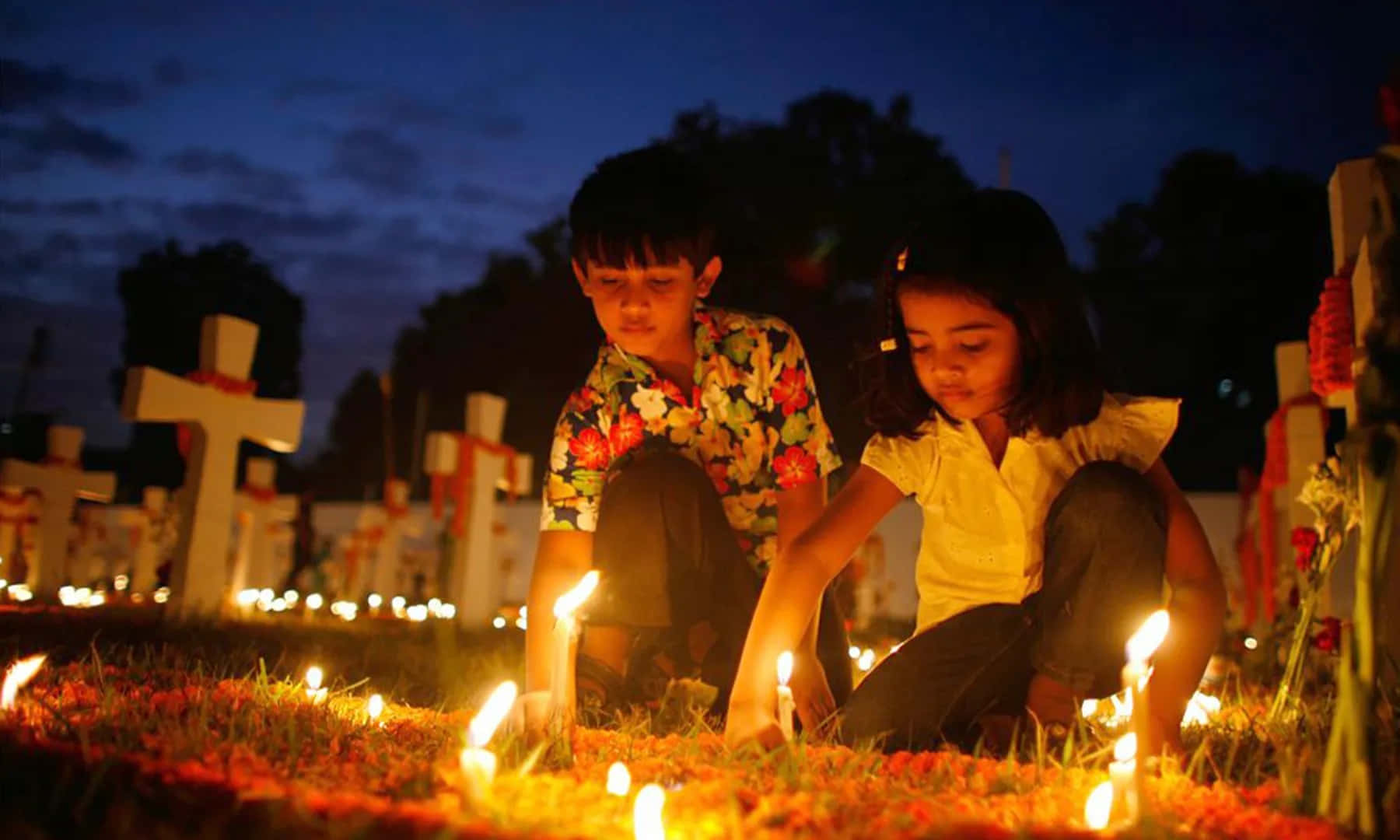
All Souls Day and Día de los Muertos (Day of the Dead) are distinct cultural and religious observances that occur consecutively in early November, often overlapping in practice and intent. While All Souls Day is a formal liturgical commemoration within the Catholic Church dedicated to the faithful departed, Día de los Muertos is a vibrant, syncretic tradition rooted in pre-Hispanic Mesoamerican beliefs merged with Catholic influence, centered on welcoming the souls of loved ones back to the domestic sphere.
The Liturgical Significance of All Souls Day
All Souls Day, formally known as the Commemoration of All the Faithful Departed, is observed by the Roman Catholic Church and several other Christian denominations on November 2nd. It follows All Saints Day, which occurs on November 1st. The theological purpose of this day is to offer prayers, intercessions, and the celebration of the Holy Mass for the souls of the faithful who have died but remain in a state of purification, a concept traditionally referred to as Purgatory.
The practice is grounded in the Catholic doctrine of the communion of saints, which suggests that the living can assist the souls of the deceased through prayer and charity. Unlike the more communal and celebratory nature of Día de los Muertos, the liturgical observance of All Souls Day is marked by a somber, reflective atmosphere. Churches are typically adorned in violet or black vestments, and the focus remains on the efficacy of prayer for the repose of souls. It is a day of reflection on the transitory nature of earthly life and the promise of eternal communion.
Origins and Philosophy of Día de los Muertos
Día de los Muertos is a multifaceted cultural tradition that finds its most profound expression in Mexico and among the Mexican diaspora. Unlike the penitential focus of the European-influenced All Souls Day, Día de los Muertos is characterized by a joyous celebration of life. The tradition posits that death is not the end of existence but rather a continuation of the life cycle—a transition to a different plane of being.
The roots of this observance trace back thousands of years to the indigenous civilizations of Mesoamerica, including the Aztec, Toltec, and Nahua people. For these cultures, mourning the dead was viewed as disrespectful. Instead, the deceased were considered active members of the community who could return to the world of the living during specific times of the year. When Spanish colonizers introduced Catholicism to the region in the 16th century, these indigenous rituals were syncretized with the Catholic calendar, specifically All Saints Day and All Souls Day, resulting in the contemporary observance held on November 1st and 2nd.
Comparing Key Elements and Practices
While both observances occur in early November and share an underlying connection to the memory of the deceased, their manifestations differ significantly in practice, tone, and symbolism.
| Feature | All Souls Day | Día de los Muertos |
|---|---|---|
| Primary Origin | Catholic Liturgy | Mesoamerican Indigenous/Catholic Syncretism |
| Primary Tone | Somber, Reflective, Prayerful | Celebratory, Joyful, Commemorative |
| Central Symbol | The Requiem Mass, Prayer, Candles | Ofrendas (Altars), Marigolds, Sugar Skulls |
| Primary Locale | Church / Cemetery | Domestic Space (Home) / Cemetery |
| Core Belief | Purification of souls (Purgatory) | Reconnection with the spirits of ancestors |
The Role of the Ofrenda
The ofrenda, or altar, is the centerpiece of Día de los Muertos. Unlike the liturgical focus of All Souls Day, the ofrenda is a domestic installation designed to welcome the spirits home. Families carefully curate these altars with items representing the four elements: water (a pitcher for the thirsty soul), wind (often represented by papel picado), earth (food such as pan de muerto), and fire (candles to light the path). Photographs of the departed, personal belongings, and favorite foods are placed on the altar to guide the spirits back to their loved ones.
The Symbolism of Marigolds and Skulls
In Día de los Muertos, the cempasúchil (marigold) is ubiquitous. Its vibrant orange color and strong scent are believed to create a path that leads the spirits of the dead from the burial grounds back to their family homes. Similarly, the calavera (skull) is a ubiquitous motif. Far from being a symbol of morbidity, the calavera—often rendered as La Catrina—is a whimsical, satirical representation of death, serving as a reminder that death is the great equalizer that touches everyone regardless of their station in life.
Navigating the Two Observances in 2026
For those seeking to participate in these observances in 2026, it is helpful to understand the practical nuances of each.
Participating in All Souls Day
If you are participating in All Souls Day, you are likely engaging in a religious or community-based event within a church environment.
- Check Local Schedules: Many parishes hold special Requiem Masses. Check with local dioceses or parish websites for service times in late October 2026.
- Book of the Dead: Many churches maintain a "Book of the Dead" where names of deceased loved ones can be inscribed throughout November so they may be included in the intentions of the Mass.
- Cemetery Visits: Visiting the graves of ancestors on November 2nd is a common practice. This typically involves cleaning the headstone, placing fresh flowers, and offering quiet prayer.
Participating in Día de los Muertos
Día de los Muertos is increasingly recognized as a cultural heritage event. Participation should always be approached with respect for the tradition's indigenous roots.
- Creating an Ofrenda: You can create an ofrenda in your home as early as late October. It is a personal act of remembrance.
- Community Events: In 2026, many cultural centers, museums, and cities with high concentrations of Mexican heritage will host public ofrendas and processions. These events are often educational and welcoming to the public.
- Respectful Engagement: Avoid treating the holiday as a costume party. The face painting (often mimicking La Catrina) and the symbols used are deeply tied to ancestral veneration. When attending public events, prioritize observation and learning.
The Intersection of Memory and Identity
The distinction between these two observances lies in their relationship to loss. All Souls Day provides a framework for the religious grief and hope associated with the soul's journey toward the divine. It is an institution-driven practice that looks toward the afterlife. Conversely, Día de los Muertos is a people-driven practice that insists the dead remain part of the present. By setting a table for them, telling their stories, and celebrating their preferences, participants in Día de los Muertos keep the identity of the deceased alive within the family unit.
In 2026, the global interest in these traditions continues to highlight how cultures navigate the inevitable human experience of death. Whether through the quiet candlelit prayers of an All Souls Mass or the colorful, food-laden ofrendas of Día de los Muertos, both traditions serve the essential human need to maintain connection across the threshold of death.
Frequently Asked Questions
Is Día de los Muertos the same as Halloween?
No. While they overlap in time, Halloween is rooted in Celtic and pagan traditions related to warding off spirits. Día de los Muertos is a specific, syncretic tradition that focuses on welcoming the spirits of loved ones back home in a spirit of celebration, not fear.
Can I observe both traditions simultaneously?
Yes. Many families with Catholic backgrounds choose to attend a Requiem Mass on All Souls Day while also maintaining a traditional ofrenda at home throughout the first few days of November. They are not mutually exclusive and can be complementary ways of honoring the deceased.
What is the purpose of the food on an ofrenda?
The food is meant for the spirits to "consume" the essence or the aroma of the meal. After the celebration ends, the physical food is typically consumed by the family, as the belief is that the spirit has already absorbed the nourishment of the offering.
Why are there two days for Día de los Muertos?
Traditional belief states that the spirits of children (often called angelitos) arrive on the night of October 31st or the early morning of November 1st, while the spirits of adults arrive on November 2nd.
Should I wear a skull mask?
While wearing a mask or face paint for a parade or cultural event is common, it is best to understand that these symbols are not merely for entertainment. If you are participating in a private home setting or an intimate community gathering, focus on the commemorative aspects of the altar rather than wearing costumes.
How do I respectfully participate if I am not of Mexican heritage?
Focus on learning about the specific history of the tradition. If you are invited to view or contribute to an ofrenda, approach it with curiosity and respect. The tradition is centered on the act of remembering; participating in the sharing of stories about your own deceased loved ones is the most respectful way to engage with the spirit of the holiday.
Next Steps for Observance
To prepare for November 2026, consider documenting the stories of your ancestors now. Whether you choose to attend a local church service or build a domestic ofrenda, the most effective way to engage with these observances is to begin by identifying the individuals you wish to honor. Gather their photographs, recall their favorite foods, and reflect on the legacy they left behind. By doing so, you move beyond the label of the holiday and engage directly with the practice of remembrance that defines both All Souls Day and Día de los Muertos.