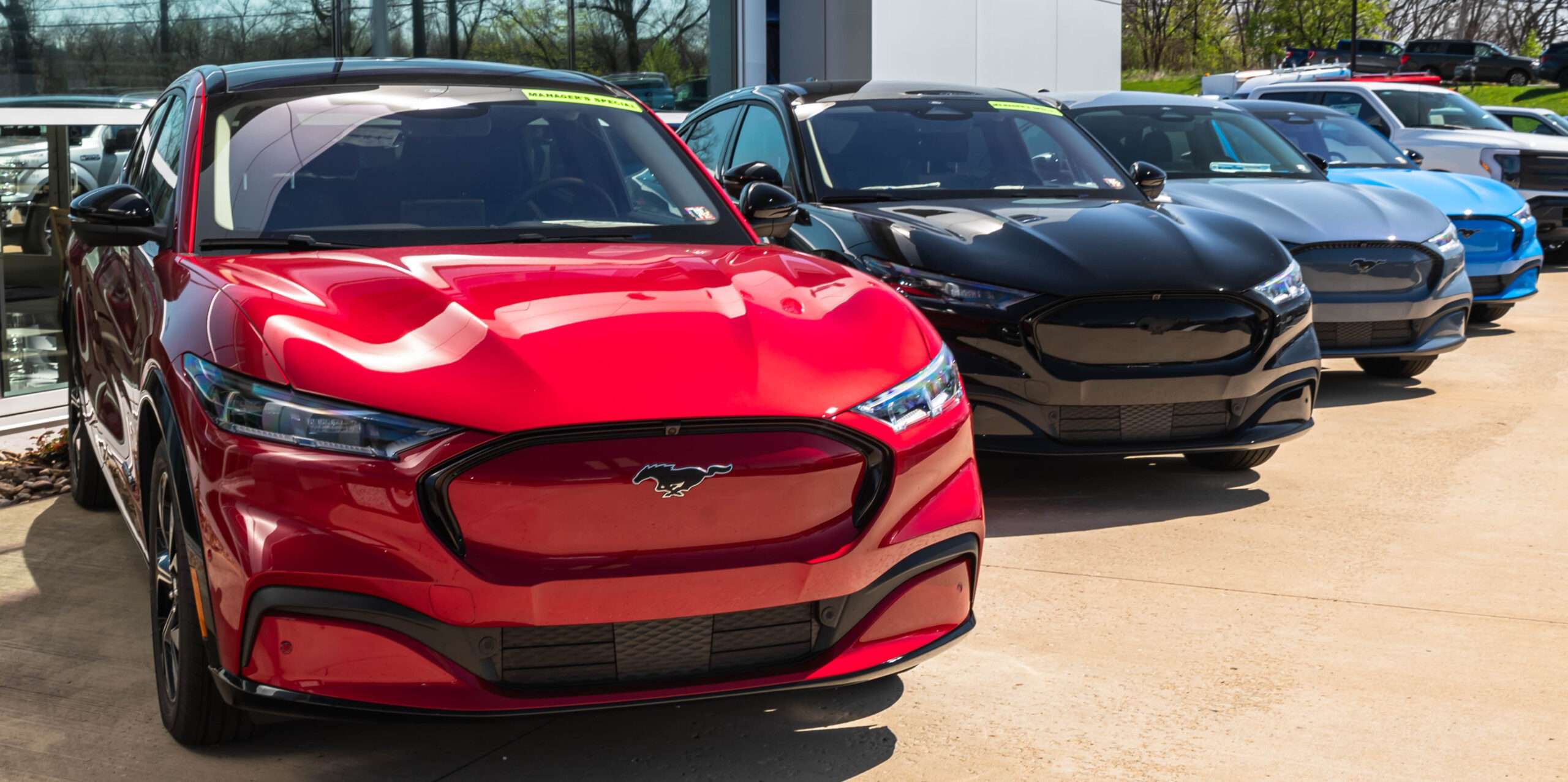
While Ford heavily marketed the Fusion Hybrid and Fusion Energi plug-in models, a large percentage of Ford Fusions manufactured between 2006 and 2020 feature traditional gasoline internal combustion engines. These range from fuel-efficient EcoBoost four-cylinders to the high-performance 2.7L V6 found in the Fusion Sport. Understanding these differences is essential for identification, maintenance, and purchasing.
The Diverse Engine Lineup of the Ford Fusion
The Ford Fusion was a cornerstone of the mid-size sedan market for two generations, spanning from its debut in the 2006 model year until its discontinuation in North America in 2020. Throughout its lifecycle, Ford utilized the Fusion as a platform for various powertrain technologies. In the used car market of 2026, the Fusion remains a popular choice due to this variety, but the assumption that "every Fusion is a hybrid" is a common misconception that can lead to confusion regarding fuel economy, towing capacity, and repair costs.
The Fusion was built with three primary powertrain architectures: traditional Internal Combustion Engines (ICE), Hybrid Electric Vehicles (HEV), and Plug-in Hybrid Electric Vehicles (PHEV), known as the "Energi" models. Because the exterior styling of these vehicles is nearly identical—particularly in the second generation (2013–2020)—it is easy for a casual observer to mistake a standard gasoline model for its electrified counterpart.
Gasoline-Only Ford Fusion Models (Internal Combustion Engines)
For the majority of its production run, the Ford Fusion was sold primarily with gasoline-only engines. These models do not have high-voltage batteries, electric traction motors, or regenerative braking systems. Instead, they rely on either naturally aspirated or turbocharged four-cylinder and six-cylinder engines.
The 2.5L i-VCT Duratec I-4
The 2.5L four-cylinder engine was the base engine for the "S" trim level for many years. It is a naturally aspirated (non-turbocharged) engine known for its simplicity and long-term reliability. While it lacks the punch of the EcoBoost engines or the fuel economy of the hybrids, it served as a budget-friendly entry point into the Fusion lineup. In 2026, these models are often sought after by DIY mechanics because the engine bay is less cluttered than the hybrid versions.
The EcoBoost Family (1.5L, 1.6L, and 2.0L)
Ford’s EcoBoost technology combines turbocharging with direct fuel injection to extract more power from smaller displacements.
- 1.6L EcoBoost: Found in earlier second-generation models (2013–2014), usually paired with a manual or automatic transmission.
- 1.5L EcoBoost: Replaced the 1.6L in later years to meet international tax regulations. It features an integrated exhaust manifold and was the mainstay of the "SE" trim.
- 2.0L EcoBoost: This was the performance engine for the Titanium and Platinum trims (and optional on the SE). It offered significantly higher horsepower and torque, and was frequently paired with All-Wheel Drive (AWD)—a feature never offered on the Fusion Hybrid or Fusion Energi models.
The 2.7L V6 EcoBoost (Fusion Sport)
The "all Fusions are hybrids" myth is most effectively debunked by the Fusion Sport (2017–2019). This model features a 2.7L twin-turbocharged V6 engine producing 325 horsepower and 380 lb-ft of torque. It is a dedicated performance sedan with standard AWD and an adaptive suspension system. It shares almost no powertrain components with the hybrid models and prioritizes acceleration over fuel efficiency.
The Ford Fusion Hybrid (HEV) vs. Fusion Energi (PHEV)
To understand why people assume all Fusions are hybrids, we must look at the success of the electrified variants. Ford introduced the first Fusion Hybrid in 2010, and it quickly became one of the most successful American hybrid sedans.
How the Hybrid (HEV) Works
The standard Fusion Hybrid uses a 2.0L Atkinson-cycle four-cylinder engine paired with an electric motor and a small lithium-ion battery pack (on 2013+ models). It does not plug into a wall. The battery is charged through the engine and through regenerative braking, which captures energy usually lost during deceleration. This model was designed for maximum city fuel economy, often achieving over 40 MPG.
How the Energi (PHEV) Works
The Fusion Energi was Ford’s plug-in hybrid version. It features a much larger 7.6 kWh battery pack (in later versions) that allows for a limited range of all-electric driving (typically 20–25 miles) before the gasoline engine takes over. The easiest way to identify an Energi is the charging port door located on the driver’s side front fender.
Key Differences: Gasoline vs. Hybrid vs. Energi
For a buyer in 2026, distinguishing between these models is vital because they have different cargo capacities, fuel requirements, and driving dynamics.
| Feature | Gasoline-Only (ICE) | Fusion Hybrid (HEV) | Fusion Energi (PHEV) |
|---|---|---|---|
| Powertrain | 2.5L, 1.5L, 2.0L, or 2.7L | 2.0L Atkinson + Motor | 2.0L Atkinson + Motor |
| Transmission | 6-Speed SelectShift Auto | eCVT (Electronic) | eCVT (Electronic) |
| All-Wheel Drive | Available (2.0L/2.7L) | Not Available | Not Available |
| Trunk Space | 16.0 cu. ft. | 12.0 cu. ft. | 8.2 cu. ft. |
| Fuel Source | Gasoline only | Gasoline + Regen | Gasoline + Plug-in |
| External Port | Fuel door only | Fuel door only | Fuel door + Charge port |
How to Identify a Non-Hybrid Ford Fusion
If you are looking at a Ford Fusion and are unsure whether it is a hybrid, there are several definitive ways to verify the powertrain.
1. Exterior Badging
This is the most obvious but least reliable method, as badges can be removed or added.
- Hybrid Models: Will usually have a small "Hybrid" badge on the lower front doors and the trunk lid.
- Energi Models: Will have "Energi" badging on the trunk and the "plug" icon door on the front fender.
- Gasoline Models: These often have an "EcoBoost" badge on the trunk or, in the case of the 2.5L S trim, no engine badge at all. The "Sport" trim has a unique quad-exhaust setup and a "Sport" badge.
2. The Trunk Inspection
The easiest physical way to tell if a Fusion is not a hybrid is to open the trunk.
- Gasoline Fusions have a deep, flat trunk floor that extends all the way to the back of the rear seats.
- Hybrid Fusions have a noticeable "shelf" in the trunk where the lithium-ion battery is housed, significantly reducing vertical space.
- Energi Fusions have a very large battery hump that occupies more than half of the trunk volume, leaving only a small well for groceries near the rear bumper.
3. The Instrument Cluster
When you turn the key (or press the start button), the dashboard provides immediate clues.
- Gasoline Models: Feature a traditional tachometer (showing RPM) and a fuel gauge.
- Hybrid/Energi Models: Feature a "SmartGauge with EcoGuide." Instead of a tachometer, you will see a "Power Split" meter or an "Efficiency Leaf" display that grows or shrinks based on how economically you drive.
4. The VIN (Vehicle Identification Number)
The 8th character of the VIN is the engine code. For the second-generation Fusion, common codes include:
- 7: 2.5L I4 (Gas)
- X: 1.5L EcoBoost (Gas)
- 9: 2.0L EcoBoost (Gas)
- P: 2.7L V6 (Gas)
- U: 2.0L Hybrid (HEV)
- V: 2.0L Energi (PHEV)
You can verify these codes through official sources like the NHTSA VIN Decoder or Ford's fleet identification guides.
Why the Distinction Matters in 2026
As of 2026, many Ford Fusions are entering their second decade of service. The maintenance requirements for a 2016 Fusion EcoBoost are vastly different from a 2016 Fusion Hybrid.
Maintenance and Repair
Non-hybrid Fusions rely on a traditional 6-speed automatic transmission. These require periodic fluid changes. In contrast, the Hybrids use an eCVT (electronic continuously variable transmission) which has fewer moving parts but requires specialized knowledge for repair.
Furthermore, the gasoline-only EcoBoost engines are prone to specific issues, such as carbon buildup on intake valves due to direct injection—a problem that is less pronounced in the Atkinson-cycle engines used in hybrids, which utilize a different combustion cycle and port injection in some configurations.
Braking Systems
Hybrids use regenerative braking. This means the electric motor does much of the work in slowing the car down, which can lead to brake pads lasting over 100,000 miles. A standard gasoline Fusion relies entirely on friction brakes, meaning you will be replacing pads and rotors much more frequently.
Cooling Systems
Non-hybrid Fusions, especially those with the 1.5L and 1.6L EcoBoost engines, have specific cooling system requirements. There were historical recalls regarding "coolant intrusion" into the cylinders for certain model years. It is vital for owners in 2026 to verify if their gasoline Fusion was part of these service actions, as the Hybrid models utilized a different engine block design that was generally not affected by this specific issue.
Performance vs. Efficiency Trade-offs
Choosing a non-hybrid Fusion is often a deliberate choice for performance. The Hybrid and Energi models were designed for efficiency, and as a result, they feel "heavy" due to the battery weight and are generally slower in 0–60 mph sprints.
The 2.0L EcoBoost gasoline model provides a much more spirited driving experience and is the only way to get All-Wheel Drive (AWD) in the standard Fusion lineup. For drivers in northern climates who need extra traction in the snow, a non-hybrid AWD Fusion is often a better tool than a FWD Hybrid, even with the penalty in fuel economy.
Common Mistakes When Buying a Used Fusion
When browsing listings in 2026, buyers often encounter mislabeled vehicles. It is common to see an "SE" trim labeled as a "Hybrid" simply because the seller assumes all later-model Fusions were electrified.
- Don't rely on the "S/SE/Titanium" badge: All three of these trim levels were available as either gasoline-only or hybrids. A "Fusion Titanium" could be a 240-hp turbocharged gas car or a 188-hp hybrid.
- Verify the spare tire: Most gasoline Fusions come with a spare tire (or space for one). Hybrids and Energis often lack a spare tire because the battery occupies the space where it would normally be stored, providing a tire inflator kit instead.
- Check the weight: If you have access to the door jamb sticker, look at the GVWR (Gross Vehicle Weight Rating). Hybrids are significantly heavier than their gasoline counterparts.
Frequently Asked Questions
Did Ford ever make a manual transmission Fusion?
Yes, but only in the non-hybrid models. Specifically, the first-generation Fusion and early versions of the second-generation (with the 1.6L EcoBoost) were available with a 6-speed manual. No hybrid or Energi model ever featured a manual transmission.
Which Ford Fusion engine is the most reliable?
In the 2026 used market, the 2.5L Duratec (gasoline) and the 2.0L Atkinson-cycle (Hybrid) are generally considered the most robust. The 2.5L is a simple engine with few failure points, while the Hybrid engine is under-stressed and benefits from the electric motor's assistance.
Is there a Fusion that is AWD and a Hybrid?
No. For the North American market, Ford never combined the AWD system with the Hybrid or Energi powertrains in the Fusion sedan. If you see a Fusion with an "AWD" badge, it is guaranteed to be a gasoline-only model (usually the 2.0L EcoBoost or the 2.7L V6 Sport).
How do I know if my Fusion is a Plug-in (Energi)?
Check the front driver-side fender, between the wheel well and the door. If there is a circular plastic flap that looks like a fuel door, it is a plug-in hybrid (Energi). If there is no flap on the fender, it is either a standard hybrid or a gasoline-only car.
Why does my "EcoBoost" Fusion get worse gas mileage than a Hybrid?
The "Eco" in EcoBoost stands for "Economical" when not under boost. However, because it is a turbocharged gasoline engine, aggressive driving will cause the turbo to engage frequently, significantly dropping fuel economy compared to the Hybrid's battery-assisted system.
Final Recommendations for Identification
If you are currently evaluating a Ford Fusion or trying to determine the specifications of one you own, start by decoding the VIN. This is the only foolproof method to determine exactly which engine left the factory. In 2026, with many parts having been swapped or badges replaced on older vehicles, physical inspection of the trunk space and the presence of high-voltage orange cables under the hood are the most reliable secondary checks.