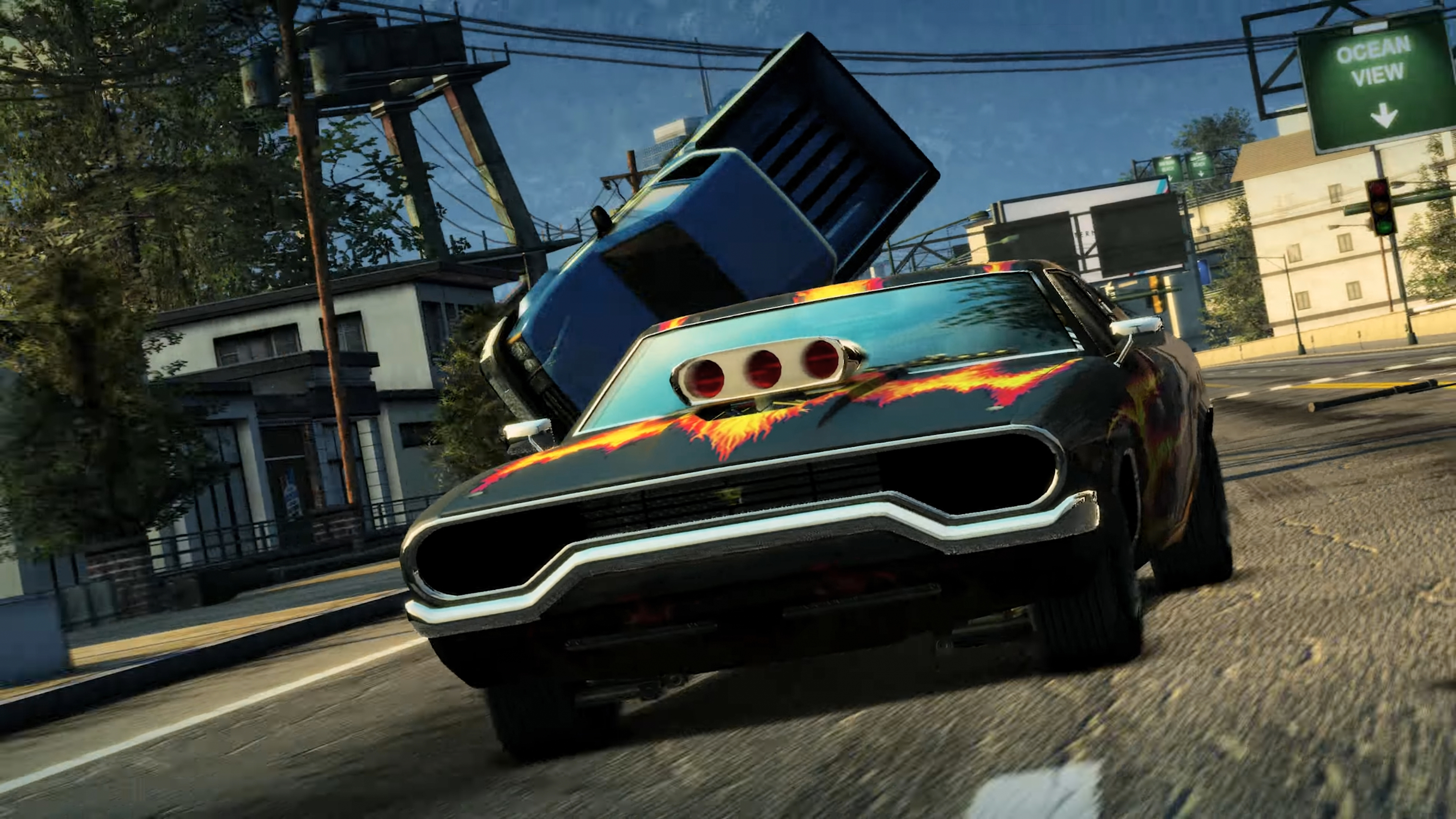
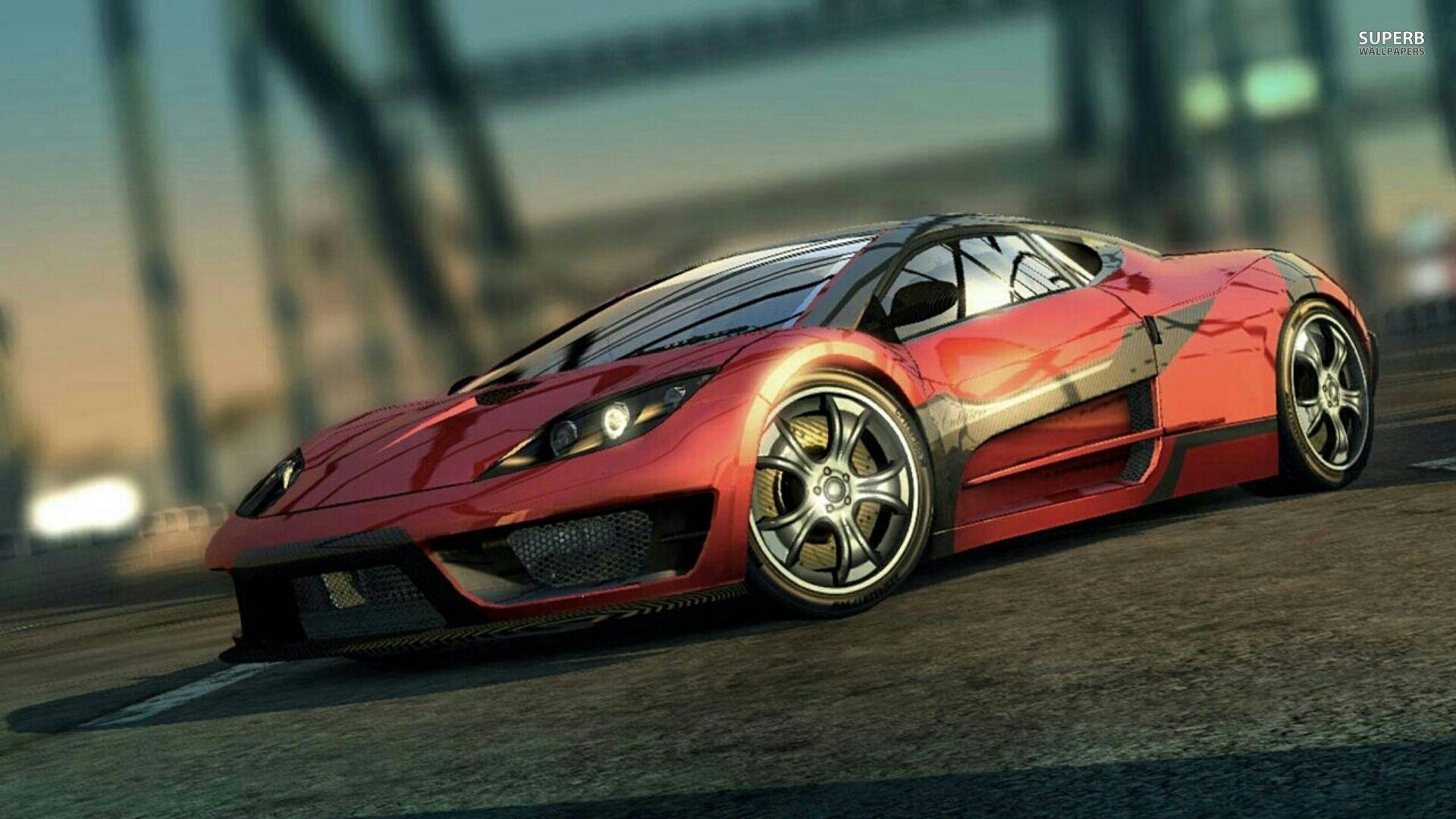
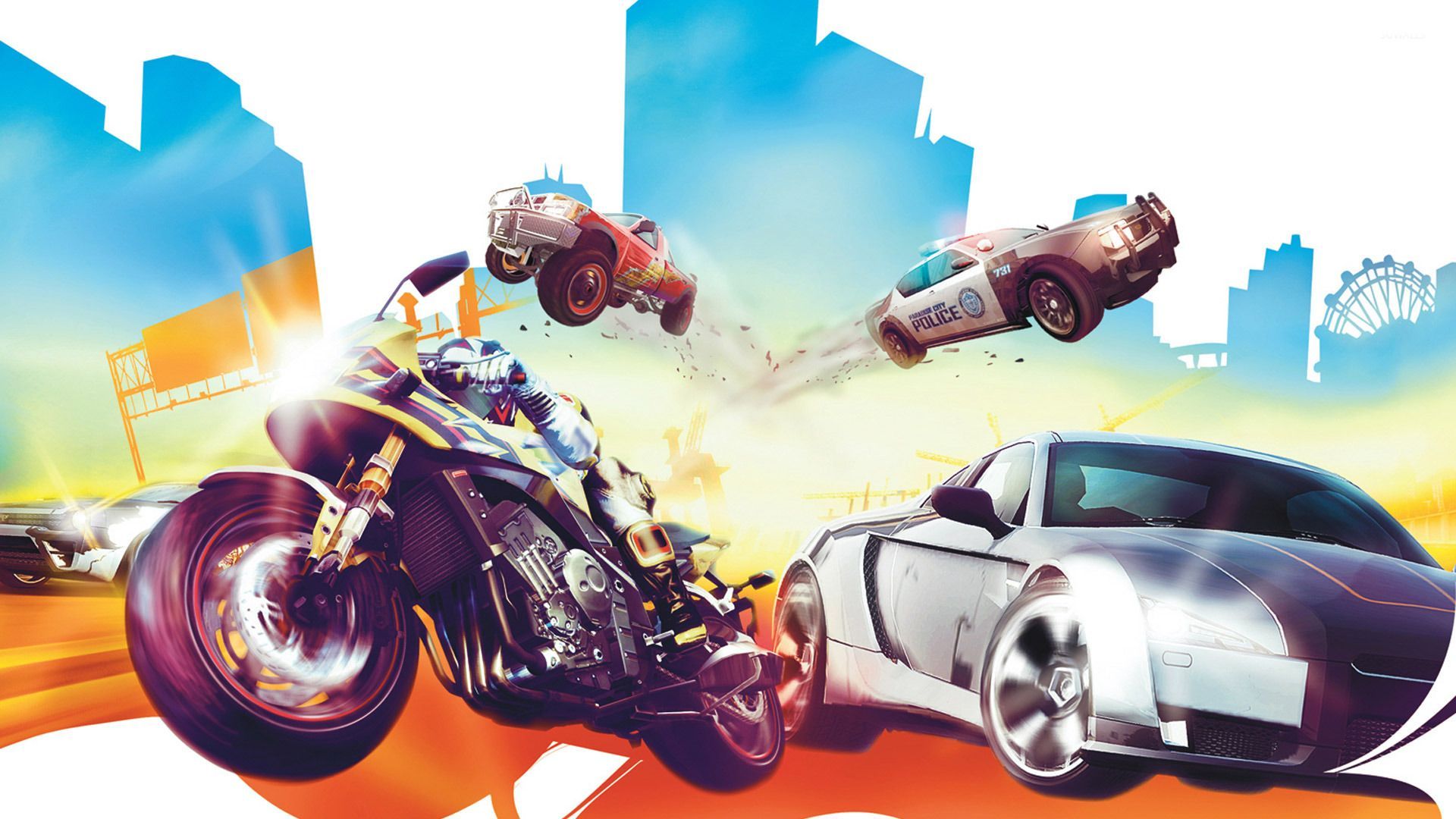
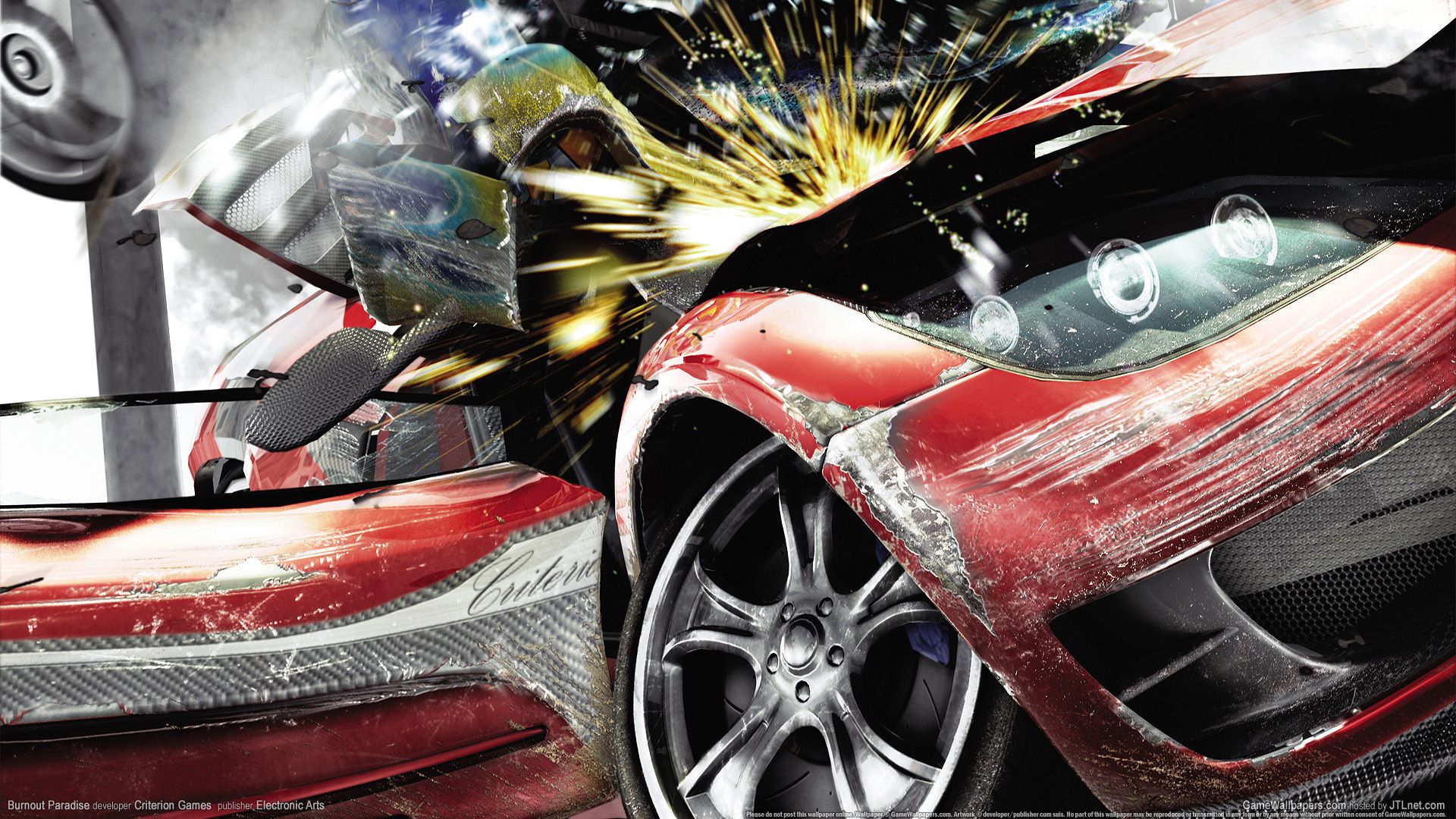
In Burnout Paradise, the vehicle roster consists of over 75 base models in the original release, expanding to approximately 130 vehicles in the Remastered edition when including all DLC packs. Vehicles are categorized into three primary classes—Speed, Stunt, and Aggression—each dictating how the boost meter functions and the car’s physical performance during specific event types.
As of 2026, Burnout Paradise Remastered remains the definitive way to experience the automotive mayhem of Paradise City. Whether you are navigating the tight alleys of Downtown Paradise or catching air in the hills of Silver Lake, understanding the nuances of the car list is essential for achieving the 101% completion mark. This overview examines the mechanics, classes, and standout models that define one of the most celebrated car rosters in arcade racing history.
Understanding the Three Core Vehicle Classes
Unlike traditional racing games where car stats are purely numerical, Burnout Paradise utilizes a class-based system that fundamentally changes how you interact with the game’s "Boost" mechanic. Choosing the right class for a specific event is often more important than the raw speed of the vehicle.
The Speed Class
Speed Class cars are designed for pure velocity. Their boost behavior is "all or nothing." You cannot use the boost until the meter is completely full. Once activated, the meter drains continuously until empty or until you crash. However, if you drive dangerously enough while boosting (near misses, drifting, driving against traffic), you can "chain" Burnouts, instantly refilling the bar as it reaches the end. This makes Speed cars the optimal choice for Race events and Burning Routes, where maintaining top speed over long distances is the goal.
The Stunt Class
Stunt Class vehicles offer the most flexibility. You can use your boost at any time, even if the meter is only partially full. The meter is refilled by performing "stunt" actions, such as barrel rolls, flat spins, long jumps, and drifting. These cars typically have high air control and responsive handling, making them indispensable for Stunt Runs. Because they allow for micro-bursts of speed, they are also excellent for navigating the dense traffic of the city center where constant braking and accelerating are required.
The Aggression Class
Aggression Class vehicles are the heavyweights of Paradise City. Like the Stunt class, they can use boost at any time. However, their meter is primarily refilled by physical combat: shunting rivals, performing Takedowns, and surviving crashes. These cars are often larger, heavier, and significantly more durable. Their boost bar can also expand in segments—the more Takedowns you achieve, the larger your boost capacity becomes (up to three bars). These are the mandatory picks for Road Rage and Marked Man events.
The Base Roster: Iconic Manufacturers and Models
The fictional manufacturers in Burnout Paradise—Hunter, Carson, Krieger, Montgomery, Jansen, and Watson—each represent specific design philosophies. Here is a breakdown of the most influential models found in the base game.
Hunter: The American Muscle and Utility
The Hunter brand focuses on raw power and durability.
- Hunter Cavalry: This is the first car every player receives. It is a balanced Stunt vehicle that introduces the player to the mechanics of drifting and jumping.
- Hunter Takedown 4x4: An Aggression beast. This SUV is one of the most durable vehicles in the game, capable of absorbing massive punishment during Road Rage events.
- Hunter Citizen: Based on a classic interceptor, this Aggression car is a favorite for players who prefer a mix of speed and weight.
Carson: Diversity and Performance
Carson offers the widest variety of vehicle types, ranging from 50s classics to modern supercars.
- Carson Fastback: A staple of the Speed class, modeled after classic American pony cars.
- Carson GT Concept: One of the most balanced cars in the game, often used by players transitioning from the mid-game to the late-game "A" License events.
- Carson Opus: A massive, heavy Aggression vehicle that is essentially a rolling fortress.
Krieger and Montgomery: European Precision
These brands typically handle the high-end Speed and Stunt categories.
- Krieger 616 Sport: A mid-engine Speed car with exceptional grip. It is a go-to for technical races.
- Montgomery Hyperion: A high-end Stunt car that excels in flat spins and barrel rolls due to its weight distribution.
- Krieger Racing WTR: Modeled after an open-wheel racing car, this is one of the fastest vehicles in the game but suffers from extremely low durability.
Legendary Cars and DLC Expansions
In the 2026 gaming landscape, most players engage with the Remastered version, which integrates the DLC cars directly into the progression or makes them available from the start.
The Legendary Cars Collection
This pack introduced four vehicles inspired by famous pop-culture icons:
- Jansen 88 Special: Inspired by the DeLorean from Back to the Future. It features a "hover" mode (triggered by L3/pressing the left stick) and leaves fire trails when boosting.
- Hunter Manhattan Spirit: A heavy Aggression vehicle modeled after the Ghostbusters Ecto-1.
- Hunter Cavalry Bootlegger: A nod to The Dukes of Hazzard, complete with a unique horn.
- Carson GT Nighthawk: Inspired by K.I.T.T. from Knight Rider. This is widely considered one of the most "overpowered" cars in the game due to its incredible Aggression-class strength paired with Speed-class velocity.
Big Surf Island Vehicles
The Big Surf Island expansion added a new district and a unique set of cars, including the Dusty 700, the Hunter Olympus, and the Carson Annihilator Street Rod. The standout is the Carson Dust Storm, a buggy designed specifically for the massive jumps and verticality of the island.
The Boost Specials
These cars pushed the boundaries of the boost mechanic:
- Montgomery Hawker Mech: This car can switch between all three boost types (Speed, Stunt, and Aggression) on the fly.
- Carson Extreme Hot Rod: Features a "Locked" boost. Once you start boosting, you cannot stop until the tank is empty or you crash, offering the highest acceleration in the game.
Unlocking Elite Variants: Carbon and Gold
For completionists, the standard roster is only the beginning. The game features "Carbon" and "Gold" variants of existing cars, which offer improved stats or purely cosmetic prestige.
- Carbon Series: Vehicles like the Carbon Krieger Uberschall or the Carbon Montgomery Hawker are unlocked by completing specific sets of challenges, such as smashing all 400 yellow gates or finding all 120 billboards. These versions are generally lighter and faster than their standard counterparts.
- The Gold Paint: To unlock the gold finish for your vehicles, you must achieve an Elite License (completing every event in the base game).
- The Platinum/Diamond Cars: In the online community, the Diamond P12 is a legendary unlock achieved only by completing all 500 online Freeburn Challenges.
Comprehensive Vehicle Comparison Table
This table highlights a selection of top-tier vehicles available in the game, comparing their core attributes and how they are acquired.
| Vehicle Name | Class | Speed | Strength | Primary Unlock Method |
|---|---|---|---|---|
| Hunter Cavalry | Stunt | 1/10 | 4/10 | Starting Vehicle |
| Carson GT Concept | Speed | 6/10 | 5/10 | Win 12 Events (C License) |
| Hunter Takedown 4x4 | Aggression | 3/10 | 10/10 | Shut down in Paradise City |
| Krieger Racing WTR | Speed | 10/10 | 1/10 | Win 74 Events (A License) |
| Jansen P12 | Stunt | 5/10 | 3/10 | Win 1 Event (D License) |
| Carson GT Nighthawk | Aggression | 9/10 | 9/10 | DLC / Remastered Access |
| Montgomery Hawker Mech | Variable | 8/10 | 6/10 | DLC / Remastered Access |
| Hunter Olympus | Aggression | 4/10 | 11/10 | Complete Island License |
| Carbon Uberschall | Speed | 10/10 | 5/10 | Complete all 14 Island Events |
| Carson Opus | Aggression | 2/10 | 11/10 | Shut down in Paradise City |
The Mechanics of "Shutting Down" New Cars
In Burnout Paradise, you don't simply buy cars with currency. Most vehicles are earned by winning a specific number of events to upgrade your license. Once a new car is "awarded," it begins driving around the streets of Paradise City.
To actually add the car to your Junkyard (garage), you must find it in traffic and perform a Takedown on it. This is known as "shutting down" the vehicle. Once the rival car is wrecked, it becomes permanently available for your use. This mechanic encourages exploration and keeps the world feeling alive, as you never know when a rare vehicle might cross your path while you're heading to an event.
Bikes: A Different Two-Wheeled Experience
The "Bikes" expansion added motorcycles to the game, specifically the FV1100, Firehawk, and their variants. Bikes operate under different rules:
- No Takedowns: You cannot be taken down by cars, and you cannot take cars down. Crashing a bike results in an immediate "Wrecked" screen.
- Unique Events: Bikes have their own specific Burning Rides (daytime) and Midnight Rides (nighttime).
- Boost: Bikes do not have a traditional boost meter in the same way cars do; instead, they rely on high base acceleration and wheelies to maintain speed.
Frequently Asked Questions
What is the fastest car in Burnout Paradise?
The Krieger Racing WTR and the Carson Extreme Hot Rod are generally tied for the highest top speed in the game. The Racing WTR is more stable for long-distance highway racing, while the Extreme Hot Rod has superior acceleration but is much harder to control due to its "always-on" boost mechanic. For most players, the Carbon Krieger Uberschall is the most practical "fastest" car due to its better durability.
How do I unlock the "Carbon" cars?
Each Carbon car has a specific requirement. For example, the Carbon Carson GT Concept is unlocked by finding all 400 Smashes (yellow gates). The Carbon Hunter E-Type requires you to complete all 50 Super Jumps. The Carbon Montgomery Hawker is rewarded for hitting all 120 Billboards. These cars are essentially rewards for players who explore every corner of Paradise City.
Can I use DLC cars from the start of the game?
In the Burnout Paradise Remastered edition, all DLC cars (including the Legendary Cars and Boost Specials) are available in your Junkyard from the moment you start the game. However, using high-end cars like the GT Nighthawk early on can trivialize the difficulty of the "D" and "C" License events, so many players choose to wait until they progress naturally.
What does "Strength" actually do for a car?
Strength determines how much physical impact a car can take before being "Wrecked." A car with 10/10 strength can survive multiple head-on collisions and heavy shunts from rivals, whereas a car with 1/10 strength (like the Racing WTR) will wreck from a single significant clip against a wall or another vehicle. High strength also makes it easier to perform Takedowns on others.
Are there any licensed real-world cars in the game?
No. Burnout Paradise features entirely fictional vehicles designed by Criterion Games. While many cars are clearly inspired by real-world counterparts—such as the Jansen 88 Special being a DeLorean or the Hunter Cavalry resembling a 1967 Pontiac GTO—they are all legally distinct original creations tailored for the game's high-damage physics engine.
Final Recommendations for Vehicle Selection
For players navigating Paradise City in 2026, the best strategy is to maintain a "rotation" of three primary vehicles. Keep a high-tier Aggression car (like the Hunter Takedown 4x4 or the GT Nighthawk) for combat events, a nimble Stunt car (like the Jansen P12 or Montgomery Hyperion) for technical challenges and Stunt Runs, and a reliable Speed car (like the Carson GT Concept or Krieger 616) for the final Burning Routes.
By mastering the boost logic of each class rather than just looking at the speed stats, you will find that even the most difficult events in the "Elite" license tier become manageable. Remember to visit the Auto Shops located throughout the city to keep your car’s paint fresh and your boost meter full.