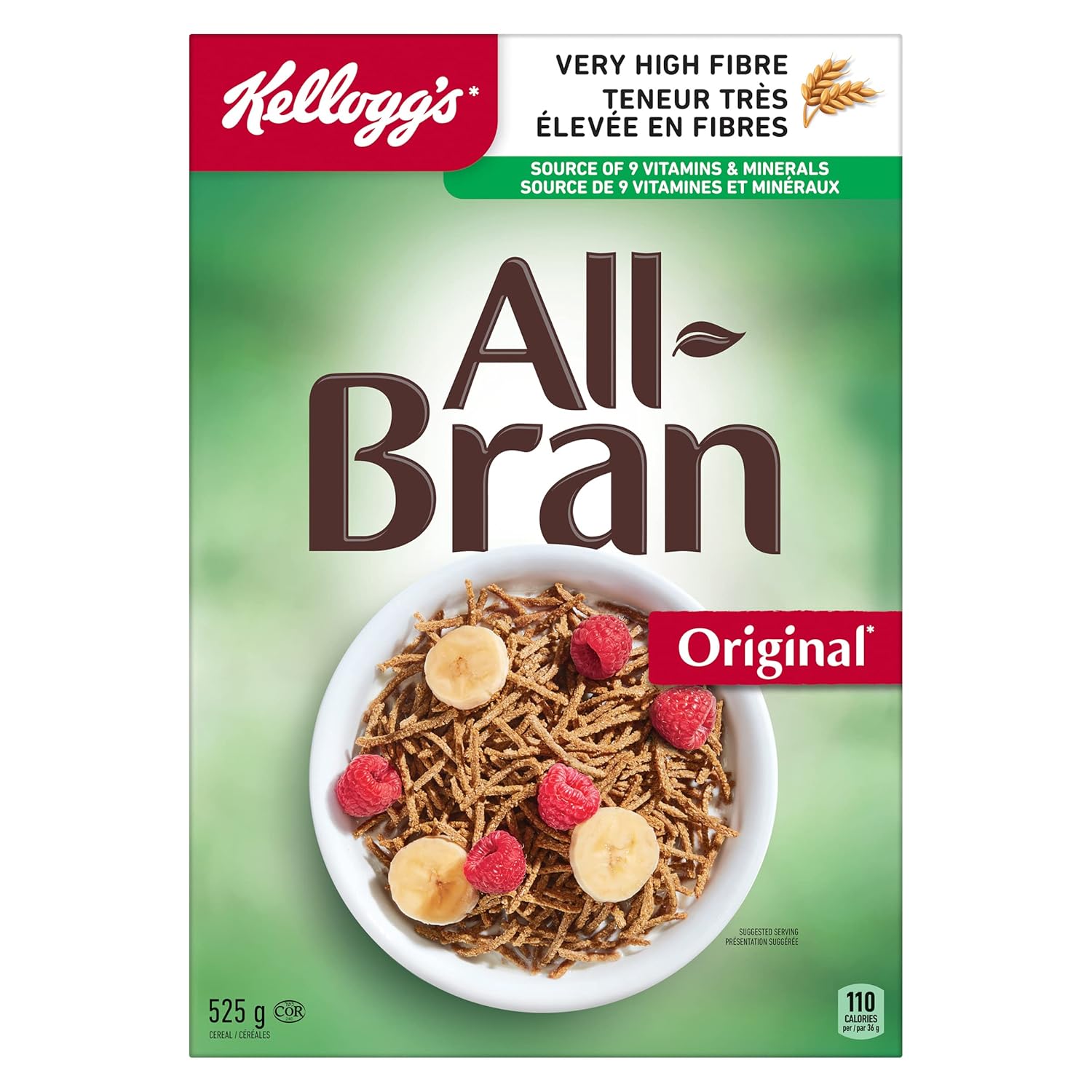
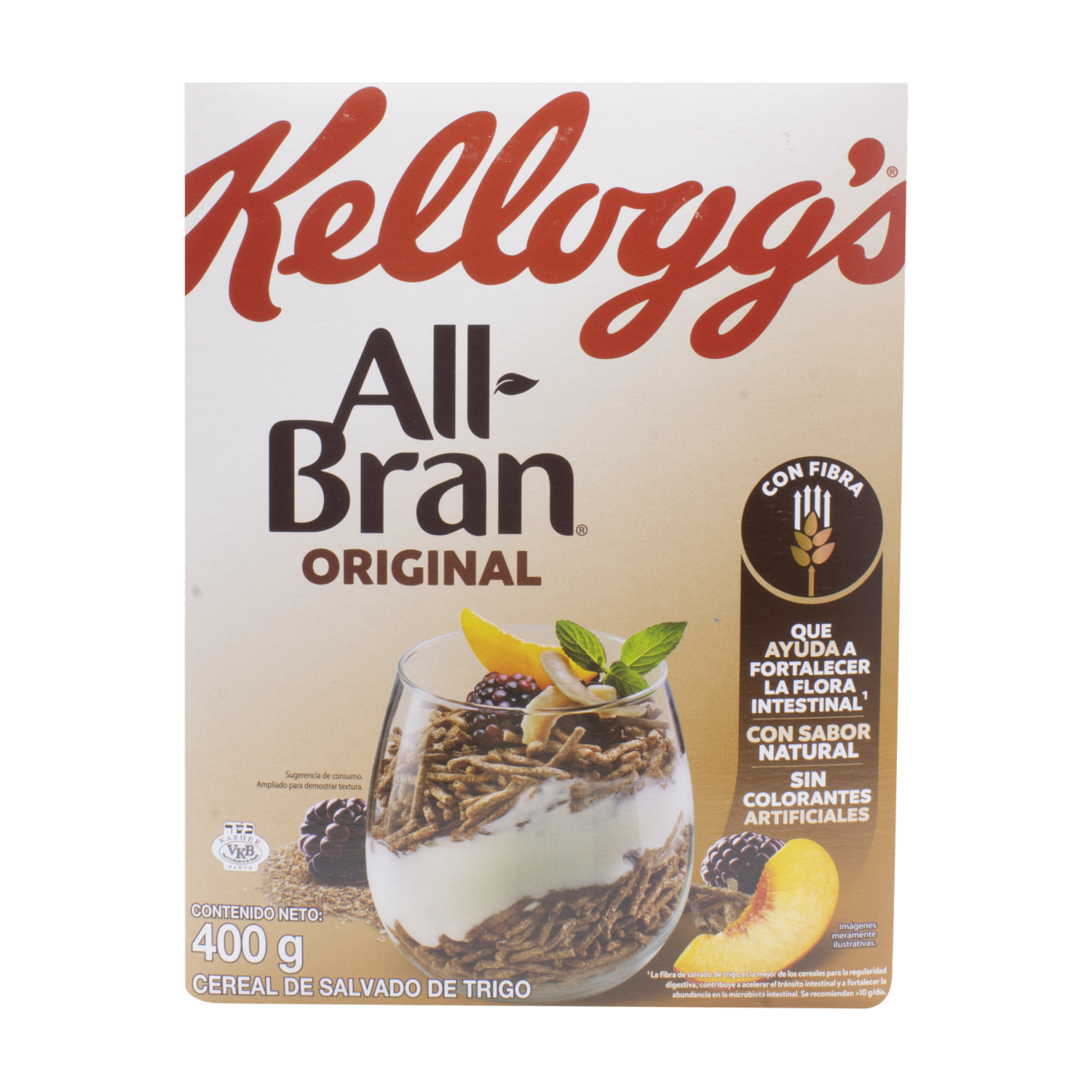
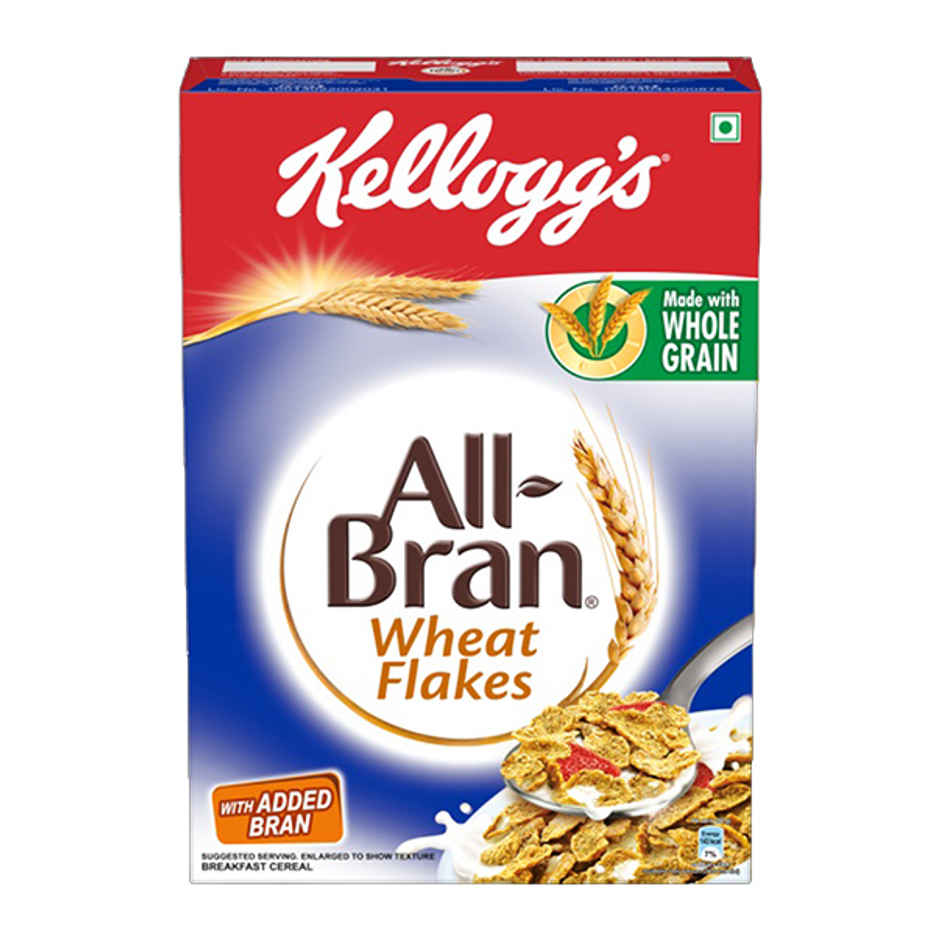
As of 2026, the "net worth" of All-Bran is evaluated through its brand equity and its contribution to the multi-billion dollar valuation of its parent company, Kellanova (now a subsidiary of Mars, Incorporated). While individual product brands do not have a standalone "net worth" in the same way a person or a public corporation does, All-Bran’s brand value is estimated to be in the hundreds of millions of dollars, supported by its dominant position in the global high-fiber cereal market and its integration into a parent company valued at approximately $35.9 billion.
The Corporate Structure of All-Bran in 2026
To understand the financial standing of All-Bran, one must first navigate the complex corporate restructuring that has defined the brand’s recent history. For nearly a century, All-Bran was the flagship high-fiber offering of the Kellogg Company. However, the landscape changed significantly between 2023 and 2025.
In late 2023, the Kellogg Company split into two independent, publicly traded entities: Kellanova and WK Kellogg Co. Kellanova retained the global snacking business, international cereal brands, and the North American frozen breakfast portfolio. WK Kellogg Co took over the traditional North American cereal operations. Because All-Bran is a global brand with massive footprints in markets like the United Kingdom, Australia, and South Africa, it remained under the Kellanova umbrella.
The most pivotal shift occurred in late 2024, when Mars, Incorporated announced a definitive agreement to acquire Kellanova for $83.50 per share in an all-cash transaction, valuing the company at $35.9 billion. By early 2026, this acquisition has been fully integrated. Therefore, the "net worth" of All-Bran today is a component of the massive private equity held by Mars, Inc., one of the largest family-owned businesses in the world.
Brand Equity: The Core of All-Bran's Value
In the consumer packaged goods (CPG) industry, a brand's "worth" is determined by its brand equity. This represents the value premium that a company generates from a product with a recognizable name when compared to a generic equivalent. All-Bran’s equity is built on three pillars: heritage, health positioning, and global distribution.
1. Heritage and Consumer Trust
All-Bran was introduced in 1916. In 2026, it celebrates over 110 years of market presence. This longevity creates a barrier to entry for competitors. Consumers associate the name "All-Bran" with reliability and digestive health, which allows the brand to command a price premium over private-label bran flakes. This "intangible asset" is reflected on the balance sheet as goodwill.
2. High-Fiber Market Dominance
The global digestive health market has seen a resurgence in the mid-2020s. With the rise of GLP-1 medications (such as Ozempic and Wegovy) for weight management, there has been a secondary market boom for high-fiber foods to manage gastrointestinal side effects. All-Bran has capitalized on this trend, positioning itself not just as a breakfast food, but as a functional health tool. This strategic pivot has bolstered its revenue streams and, by extension, its valuation.
3. Global Reach
Unlike many regional cereal brands, All-Bran is a global powerhouse. It maintains significant market share in:
- The United Kingdom: Where high-fiber diets are culturally entrenched.
- Latin America: Particularly in Mexico, where "All-Bran" is often used as a genericized trademark for bran cereal.
- Asia-Pacific: Specifically Australia, where the "Health Star Rating" system favors the brand’s nutritional profile.
Financial Performance and Revenue Streams
While Mars, Inc. does not release itemized revenue for specific cereal brands, we can extrapolate All-Bran's financial impact by looking at the historical performance of Kellanova’s cereal segment.
Before the Mars acquisition, Kellanova’s international cereal business (which includes All-Bran) generated approximately $2.5 billion in annual net sales. Analysts estimate that the "All-Bran" family of products—including Original, Bran Buds, and various flakes—contributes between 8% and 12% of this total. This places All-Bran’s annual revenue in the range of $200 million to $300 million globally.
Valuation Multiples
In the food industry, brand valuation is often calculated using a multiple of revenue. For a stable, "legacy" brand like All-Bran, a revenue multiple of 2.5x to 3.5x is standard. Using this metric, the standalone brand valuation of All-Bran in 2026 is estimated between $600 million and $1 billion.
| Financial Metric | Estimated Value (2026) | Significance |
|---|---|---|
| Annual Global Revenue | $250 Million - $300 Million | Sustained by health-conscious demographics. |
| Parent Company Value | $35.9 Billion (Mars/Kellanova) | Provides massive scale and R&D budget. |
| Brand Equity Multiplier | 3.0x Revenue | Reflects high consumer loyalty and "moat." |
| Market Segment Share | Top 3 (Global High-Fiber) | Competing with Fiber One and Post. |
The Impact of the 2025 Mars Acquisition
The acquisition of Kellanova by Mars, Inc. was a landmark event for the financial health of brands like All-Bran. Mars, known for its long-term investment horizon, has shifted All-Bran’s strategy away from quarterly earnings pressure toward sustainable growth.
By 2026, Mars has integrated All-Bran into its "Health and Wellness" division. This has allowed for:
- Supply Chain Optimization: Leveraging Mars' global sourcing for wheat and bran.
- Marketing Synergy: Bundling All-Bran with other health-focused brands in the Mars portfolio.
- R&D Investment: Developing new All-Bran variants (e.g., probiotic-infused or low-FODMAP certified) that target specific 2026 health trends.
These factors have increased the "intrinsic value" of the brand by ensuring it remains relevant to younger, more health-focused generations (Gen Z and Alpha), who prioritize gut biome health.
Competitive Landscape and Market Positioning
All-Bran does not exist in a vacuum. Its "net worth" is constantly challenged by competitors in the functional food space. To maintain its valuation, the brand must outperform both traditional cereals and modern "bio-hacking" food startups.
Traditional Competitors
Brands like General Mills' Fiber One and Post Consumer Brands offer direct competition. In 2026, Fiber One has moved aggressively into the snack bar space, whereas All-Bran has doubled down on its "original cereal" identity. This differentiation helps All-Bran maintain its specific niche as the "authentic" choice for digestive health.
Modern Disruptors
The 2020s saw the rise of high-protein, low-carb cereals like Magic Spoon. While these brands target a similar health-conscious demographic, All-Bran’s focus on insoluble fiber protects its market share. The medical community continues to recommend wheat bran as the "gold standard" for certain digestive issues, providing a scientific backing that many startup brands lack.
Challenges to Brand Valuation
Despite its strong position, several factors could impact All-Bran's future valuation:
- Commodity Pricing: The cost of wheat and bran is subject to volatility due to climate change and geopolitical instability. As a "single-ingredient" focused brand, All-Bran is more sensitive to these shifts than complex snack foods.
- Sugar Perception: While All-Bran is high in fiber, some variants contain added sugars. In 2026, regulatory environments in Europe and North America have become stricter regarding "front-of-package" labeling. Any "Red Label" for sugar content can negatively affect sales and brand equity.
- Alternative Lifestyles: The continued popularity of keto and grain-free diets poses a permanent, though stabilizing, threat to the bran cereal category.
Technical Specifications: What Makes the Brand Valuable?
The value of All-Bran is literally in its recipe. Unlike "bran flakes," which often contain a lower percentage of actual bran, All-Bran Original is comprised of 87% wheat bran. This high concentration allows the brand to make specific health claims regulated by agencies like the FDA (USA) and EFSA (Europe).
From a financial perspective, these health claims are "intellectual property." They allow the brand to be marketed as a functional food rather than just a breakfast cereal. In 2026, the ability to market a product as "supporting the microbiome" or "improving regularity" is worth millions in advertising efficiency.
Expert Guidance: How to Assess All-Bran's Value Today
If you are an investor or business analyst looking at the "worth" of All-Bran in 2026, consider the following three-step verification process:
- Analyze Segment Reporting: Look at Mars, Inc.'s "Nutritional Health" segment reports. Even if All-Bran isn't listed by name, the growth of the international cereal division is a primary indicator.
- Monitor "Gut Health" Search Trends: Brand value in this category is highly correlated with consumer interest in digestive wellness. Tools like Google Trends or specialized retail data (like IRI or Nielsen) provide real-time proxies for brand strength.
- Assess Shelf-Space Allocation: In the CPG world, "worth" is often visible on the grocery store shelf. A brand that maintains "eye-level" positioning in major retailers like Walmart, Tesco, or Carrefour has high trade equity.
FAQ
Who owns All-Bran in 2026?
All-Bran is owned by Mars, Incorporated. The brand was part of the Kellanova portfolio, which was acquired by Mars in a $35.9 billion deal that finalized in 2025. This move transitioned All-Bran from a public company asset to a private company brand.
Is All-Bran a profitable brand?
Yes. All-Bran maintains high profitability due to its relatively low ingredient costs (wheat bran is a byproduct of flour milling) and its ability to command a premium price based on its health-functional status. Its margins are estimated to be higher than the average "kids' cereal" which requires more expensive flavorings and colorants.
What is the difference between All-Bran's revenue and its net worth?
Revenue is the total amount of money generated by sales (estimated at $250M - $300M annually). "Net worth" or Brand Value is the total estimated value of the brand as an asset (estimated at $600M - $1B). The latter takes into account future earning potential, consumer loyalty, and intellectual property.
How has the GLP-1 (Ozempic) craze affected All-Bran's value?
It has significantly increased it. As millions of people globally use GLP-1 medications for weight loss, fiber intake has become a critical medical recommendation to combat side effects. All-Bran has seen a "health-halo" effect, leading to increased volume sales in 2025 and 2026.
Does All-Bran have different values in different countries?
Absolutely. The brand's value is highest in the UK, Canada, and Australia, where its market penetration is deepest. In the United States, while still a major player, it faces stiffer competition from a wider variety of "lifestyle" health brands.
Final Recommendation
For those tracking the financial trajectory of All-Bran, the brand remains a "Cash Cow" in the classic BCG Matrix. It does not require the massive marketing spend of a new product launch because its brand awareness is nearly universal. As part of the Mars, Inc. ecosystem, All-Bran is well-positioned to maintain its valuation by leaning into the "Food as Medicine" trend of 2026. If you are analyzing this brand for its investment potential or business impact, focus on its ability to adapt to new digestive health science, as this will be the primary driver of its "net worth" over the next decade.