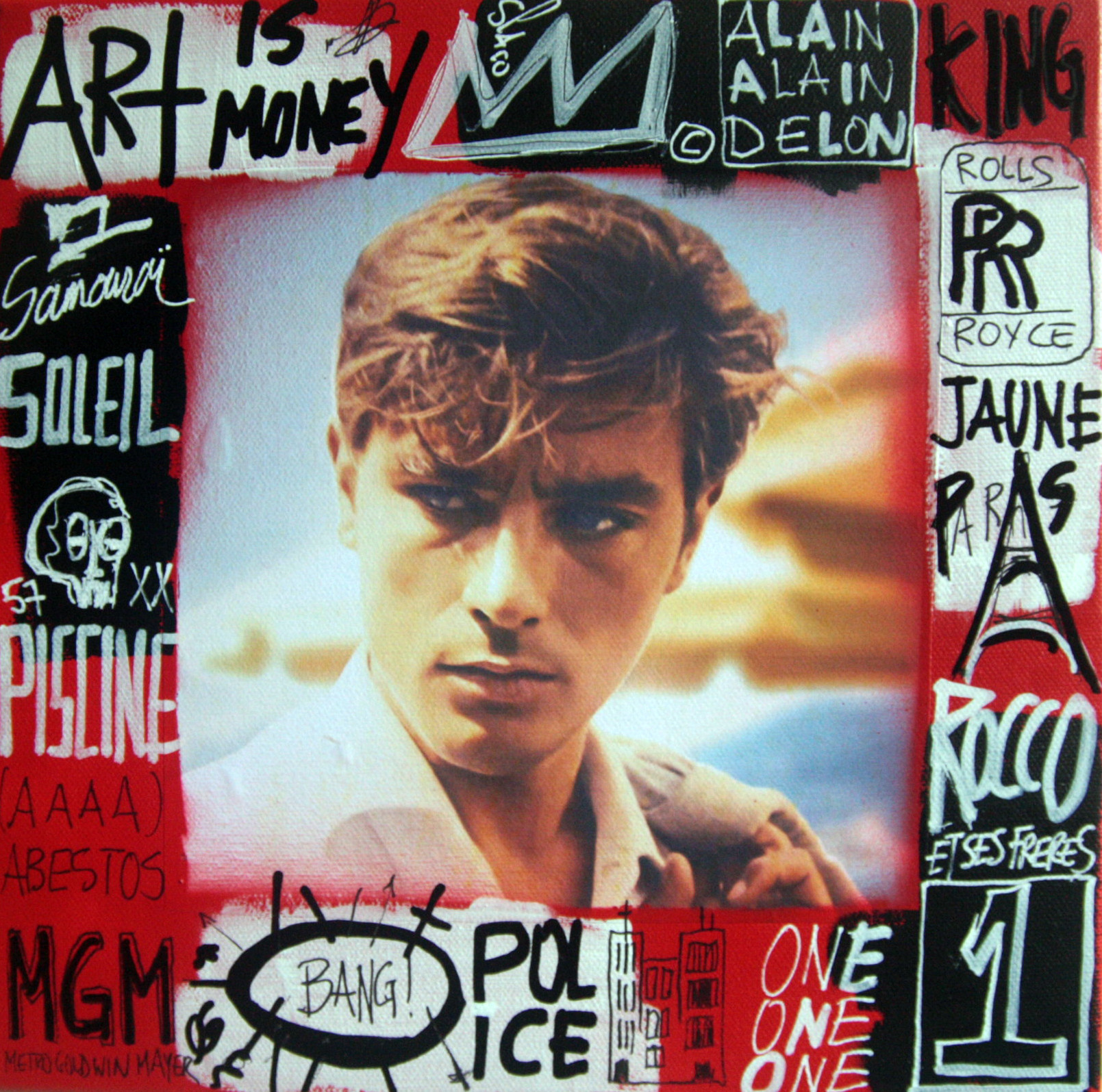
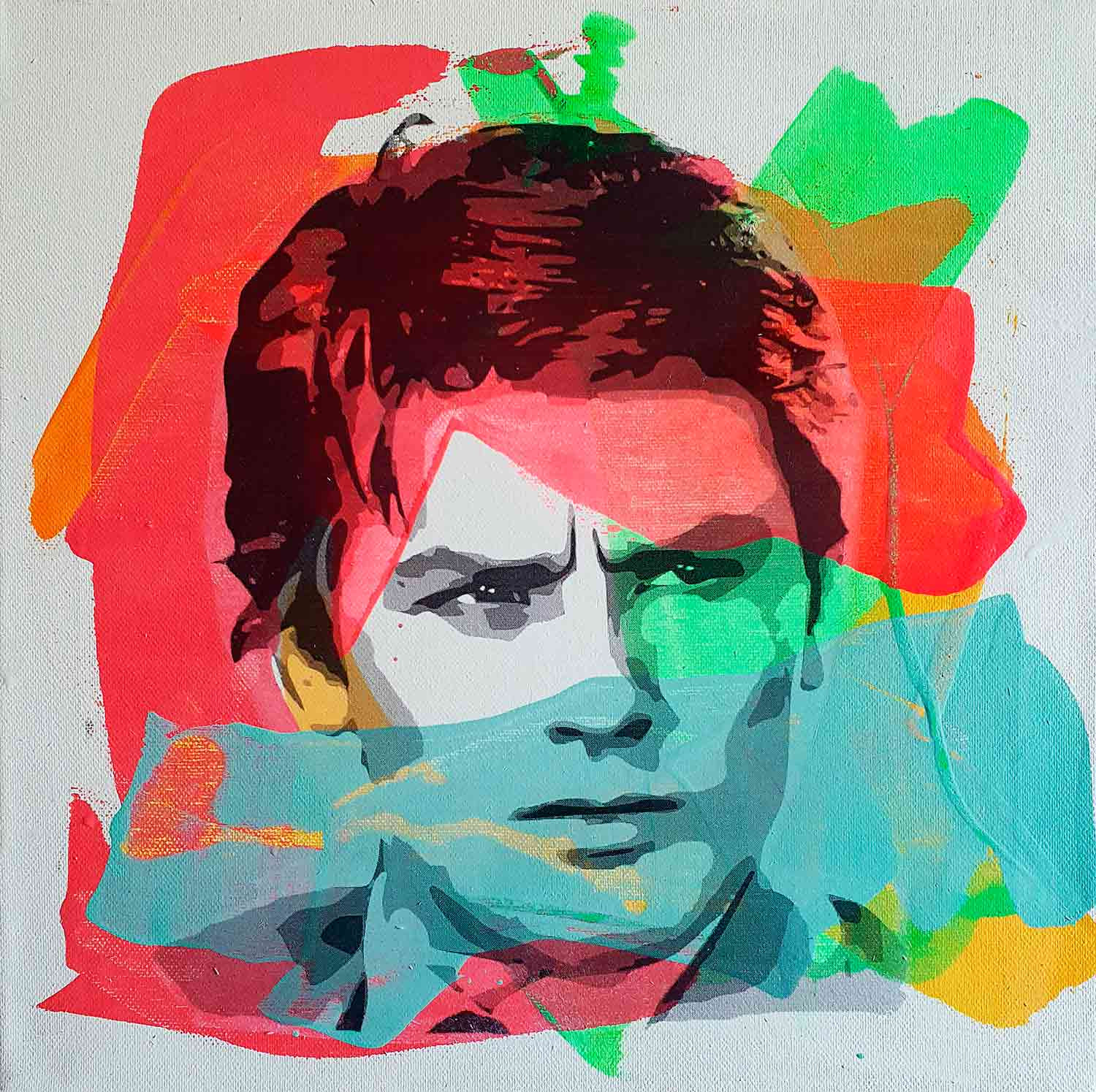
In 2026, Alen Delon has emerged as a pivotal figure in contemporary art, distinguished by his ability to synthesize raw emotional narrative with sophisticated mixed-media techniques. His work addresses the intersection of digital fragmentation and human permanence, making him a sought-after name for major international biennials and private collections focused on "The New Sincerity" movement.
Defining the Artistic Identity of Alen Delon
To understand Alen Delon’s ascent in the 2026 art market, one must first distinguish the artist from the historical shadow of the French cinematic icon Alain Delon. While the latter’s legacy as a collector influenced the 20th-century art market, the contemporary artist Alen Delon represents a modern shift toward tactile, multi-layered conceptualism. His "rising voice" is not merely a matter of popularity but a response to a global craving for art that feels physically present in an increasingly virtual world.
Delon’s work is characterized by a deliberate rejection of "clean" digital aesthetics. Instead, he utilizes heavy impasto, found textiles, and corrosive chemical reactions on canvas to explore themes of memory, urban decay, and the resilience of the human spirit. By 2026, his signature style—often referred to by critics as "Industrial Expressionism"—has become a benchmark for younger artists seeking to bridge the gap between street-influenced grit and high-gallery refinement.
The Evolution of a Contemporary Visionary
Alen Delon’s trajectory into the upper echelons of the art world was not accidental. His early 2020s exhibitions focused on smaller, more intimate explorations of domestic isolation. However, as we move through 2026, his scale has shifted toward the monumental. This evolution reflects a growing confidence in his technical ability to manipulate massive surfaces without losing the "voice" of the individual stroke.
The transition from "emerging" to "rising voice" occurred when Delon began integrating Augmented Reality (AR) layers into his physical canvases. Unlike many artists who use technology as a gimmick, Delon uses AR to reveal "ghost layers" of the painting’s history—showing the viewer the sketches and failed attempts that lie beneath the final surface. This transparency regarding the creative process has struck a chord with a generation of collectors who value authenticity over polished perfection.
Core Philosophies and Thematic Pillars
The resonance of Alen Delon’s work in 2026 stems from three primary thematic pillars that define his portfolio. These themes provide the intellectual framework that supports his aesthetic choices.
1. The Persistence of the Tactile
In a world saturated with AI-generated imagery and flawless digital renders, Delon’s insistence on the "hand of the artist" serves as a form of resistance. He often incorporates biological materials—such as cured pigments mixed with local soil or plant fibers—to anchor his work in a specific geography. This philosophy suggests that art must have a physical "body" to truly communicate with the human soul.
2. Urban Archaeology
Delon frequently describes himself as an "archaeologist of the present." Many of his works incorporate debris collected from construction sites or abandoned urban centers. By elevating these discarded fragments into high-art contexts, he challenges the viewer to reconsider the value of the ephemeral and the overlooked. In 2026, this theme is particularly relevant as cities globally undergo radical transformations in response to climate and economic shifts.
3. Emotional Transparency
Perhaps the most striking aspect of Delon’s "voice" is his refusal to hide behind abstraction. While his work is often non-figurative, the titles and the aggressive energy of the mark-making point toward specific emotional states: grief, ecstasy, or the quiet tension of waiting. This clarity of intent makes his work accessible to a broad audience while maintaining the depth required for academic critique.
Technical Specifications: The Anatomy of a Delon Canvas
Collectors and curators in 2026 value Alen Delon’s work for its technical complexity. His paintings are not merely images; they are engineered objects. Understanding the technical requirements of his work is essential for anyone looking to acquire or display his pieces.
Material Composition
- Substrates: Delon primarily uses heavy-duty Belgian linen or reclaimed industrial aluminum panels. The choice of substrate dictates the "temperature" of the piece—linen for warmer, more human-centric works; aluminum for colder, sociopolitical commentary.
- Mediums: A proprietary blend of traditional oil paints, industrial alkyds, and metallic powders. This mixture creates a varying refractive index across the surface, meaning the painting changes appearance significantly depending on the lighting conditions.
- Fixatives: Due to the experimental nature of his materials (such as oxidation processes), his works require specialized UV-resistant polymer coatings to ensure the "decay" stops at the intended moment.
Installation Requirements
Given the weight and depth of his 2026 series, standard hanging hardware is often insufficient. Most galleries now employ reinforced cleat systems to support the 50–100 kg weight of his larger panels. Furthermore, the integration of AR elements requires specific lighting temperatures (typically 3000K to 3500K) to ensure that the digital sensors in viewers' devices can accurately track the surface markers without glare interference.
The 2026 Market: Valuation and Acquisition
As of 2026, Alen Delon’s market position is characterized by high demand and limited supply. His decision to limit his output to approximately 15 major works per year has created a robust secondary market and long waiting lists at his primary representing galleries in London, Seoul, and New York.
Comparison of Work Series and Market Value (2026 Data)
| Series Name | Primary Medium | Avg. Size (cm) | 2026 Market Entry Point (USD) | Availability Status |
|---|---|---|---|---|
| The Silent Echo | Oil & Sand on Linen | 120 x 120 | $45,000 | Limited (Secondary Only) |
| Fragmented Cities | Mixed Media on Aluminum | 200 x 150 | $85,000 | Waitlist Only |
| Digital Ghosts | Oil & AR Markers on Canvas | 180 x 180 | $110,000 | Museum Commissions |
| Small Studies | Paper & Graphite | 30 x 40 | $8,500 | Open Market |
Note: Prices reflect 2026 gallery estimates and recent auction results at major contemporary houses.
Why Investors are Focusing on Delon
Financial analysts specializing in the art market point to Delon’s "institutional support" as a key indicator of long-term value. In 2026, his work is being acquired not just by "flippers," but by major museums (such as the Tate Modern and the Guggenheim Abu Dhabi) for their permanent collections. This institutional backing provides a floor for his prices and minimizes the risk of a "market bubble."
Comparison with Contemporary Peers
To understand where Alen Delon fits in the 2026 landscape, it is helpful to compare him with other "rising voices" who explore similar territories.
While artists like Elisa Thorne focus on the purely digital/NFT space, Delon remains tethered to the physical. Conversely, while Marcus Vane continues the tradition of neo-expressionism, Delon’s work is more intellectually rigorous, incorporating the AR layers that Thorne’s audience appreciates. Delon occupies a "middle ground" that appeals to both traditionalists who love the smell of oil paint and tech-savvy collectors who want their art to interact with their devices.
His closest peer might be the 2025 breakout star Sanae Ishida, who also uses mixed media to discuss urbanism. However, where Ishida’s work is often colorful and celebratory, Delon’s is more introspective and moody, offering a different psychological profile for the collector.
Common Challenges for Collectors and Curators
Owning a piece by a rising voice like Alen Delon comes with specific responsibilities and potential hurdles. Addressing these proactively is essential for maintaining the work's integrity and value.
1. Conservation of Mixed Media
The use of "non-traditional" materials means that environmental control is non-negotiable. Humidity fluctuations can cause different materials (like metal and canvas) to expand and contract at different rates, leading to cracking. Collectors must maintain a stable environment of 20°C (68°F) and 50% relative humidity.
2. Digital Longevity (The AR Component)
A common concern in 2026 is the longevity of the software used for the AR layers. Delon’s studio has addressed this by using open-source, blockchain-anchored data for his AR markers, ensuring that even if a specific app becomes obsolete, the digital assets can be migrated to new platforms.
3. Verification and Provenance
Because Delon’s "voice" has become so prominent, the market has seen an influx of "style-alike" pieces. Verification is handled through a dual-key system: a physical certificate of authenticity and a matching encrypted digital token (NFT) that serves as the work's "passport," recording every change in ownership.
Practical Guidance for New Collectors
If you are looking to engage with Alen Delon’s work in 2026, the following steps are recommended:
- Register with Primary Galleries: Delon is represented by a small circle of international galleries. Getting on their mailing list is the only way to access new works before they hit the secondary market.
- Focus on the "Mid-Career" Series: The Fragmented Cities series is currently considered the most historically significant. While more expensive, these pieces are expected to hold their value better than the smaller studies.
- Verify the AR Layer: Before purchasing on the secondary market, always ensure the AR components are fully functional and that the digital "passport" has been transferred.
- Consider the Space: Delon’s work requires room to "breathe." His heavy textures create shadows that change throughout the day; placing a piece in a cramped corner can stifle the intended visual narrative.
Frequently Asked Questions
Is Alen Delon related to the French actor Alain Delon? No. While the names are phonetically similar (and frequently confused), the contemporary artist Alen Delon is a separate individual whose career began to rise in the 2020s. He has occasionally used the name confusion as a conceptual jumping-off point for works exploring "Identity and Shadows," but there is no familial link.
What makes Alen Delon a "rising voice" rather than an established master? In 2026, "rising voice" refers to an artist who has achieved critical and commercial success but is still in the process of defining their full legacy. Delon is currently in his most prolific and experimental phase, meaning his work is still evolving rapidly, which is typical of the "rising" designation in the art world.
Can I view Alen Delon's work without the AR component? Absolutely. The physical canvases are designed to stand alone as complete aesthetic experiences. The AR layer is an optional "deep dive" into the work’s history and philosophy. Many collectors prefer the silent, unmediated experience of the physical painting.
How does Alen Delon's work handle sunlight exposure? Delon uses high-grade, archival-quality pigments, but like all contemporary art, his work should not be placed in direct, unfiltered sunlight. The chemical components in his metallic powders are particularly sensitive to UV, which can cause premature "greying" if not protected by museum-grade glass or UV-filtering windows.
Where is Alen Delon's studio based in 2026? He maintains a nomadic studio practice, often moving between Berlin and Manila. This geographic fluidity is reflected in his work, which often blends European industrialism with Southeast Asian textures and materials.
Final Recommendation: Engaging with the Work
For those seeking to truly understand why Alen Delon is a rising voice in contemporary art, the best approach is to experience his work in person. In 2026, his traveling retrospective, The Weight of Memory, is visiting major cities. Seeing the scale of the canvases and the intricate detail of his mixed-media applications provides a perspective that digital catalogs cannot replicate.
Whether you are a seasoned collector or a student of art history, Delon’s work offers a profound look at the tensions of our time. His "voice" is one of resilience, urging us to find beauty in the fragmented and the forgotten. As he moves toward "established" status, now is the optimal time to study his methods and, if possible, secure a piece of his evolving legacy.