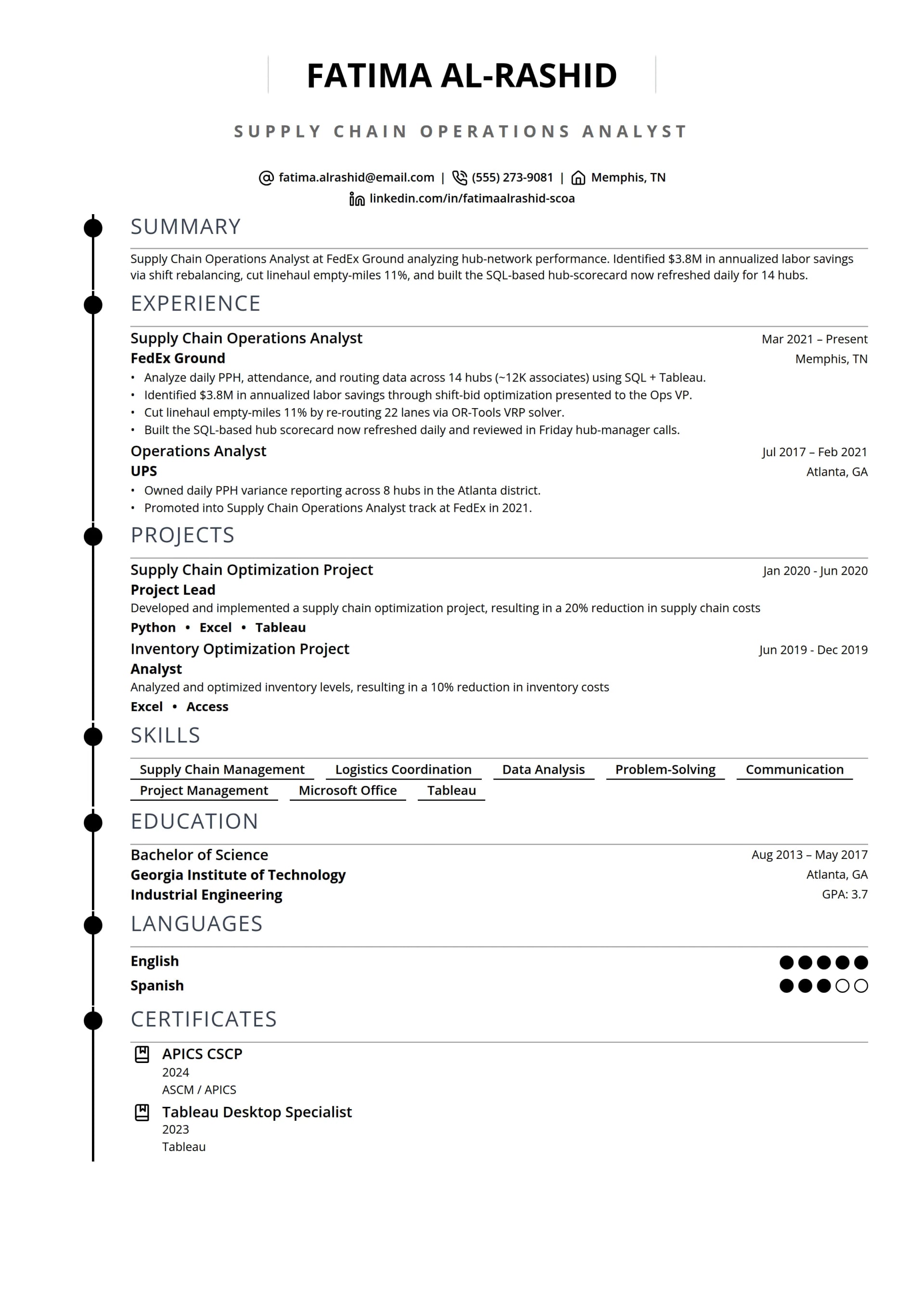
Alecko Eskandarian is a specialized professional within the global supply chain sector, focusing on data analysis, logistics optimization, and operational efficiency. By leveraging advanced analytics and enterprise resource planning (ERP) systems, he helps organizations streamline procurement, minimize inventory waste, and navigate the complexities of modern international trade and distribution networks.
While the name is often associated with high-level athletics, Alecko Eskandarian the supply chain analyst represents a distinct professional path centered on the "backbone" of global commerce. In the current landscape of 2026, the role of a supply chain analyst has transitioned from simple record-keeping to a high-stakes position involving predictive modeling, risk mitigation, and the integration of artificial intelligence into physical distribution. To understand the impact and methods of an analyst like Eskandarian, one must look at the specific technical requirements, the strategic frameworks they employ, and the evolving technological stack that defines the industry today.
The Core Responsibilities of a Supply Chain Analyst
A supply chain analyst acts as the connective tissue between a company’s sales data and its physical inventory. For Alecko Eskandarian, this involves a multi-disciplinary approach to managing the lifecycle of a product from the raw material stage to the final delivery at the customer’s doorstep. The primary objective is always the same: maximize efficiency while minimizing cost.
Demand Forecasting and Planning
The most critical task for any supply chain analyst is demand forecasting. In 2026, this is no longer based solely on historical sales data. Analysts now incorporate external variables such as geopolitical stability, climate patterns affecting shipping routes, and real-time social media trends. By using statistical models, Eskandarian identifies patterns that allow a company to order exactly what is needed, avoiding the "Bullwhip Effect"—a phenomenon where small fluctuations in demand at the retail level cause progressively larger fluctuations at the wholesale, distributor, and manufacturer levels.
Inventory Optimization
Holding inventory is expensive. Between warehousing costs, insurance, and the risk of obsolescence, a supply chain analyst must find the "Goldilocks zone" of stock levels. This involves calculating the Economic Order Quantity (EOQ) and maintaining precise Safety Stock levels. Analysts use sophisticated software to monitor "days on hand" (DOH) for thousands of Stock Keeping Units (SKUs), ensuring that capital is not unnecessarily tied up in stagnant products.
Vendor and Supplier Management
The supply chain is only as strong as its weakest link. Eskandarian’s role involves constant communication and performance auditing of vendors. This includes evaluating Lead Times (the time from order placement to receipt) and the Quality Rate of incoming goods. In a globalized economy, an analyst must also evaluate the financial health and ethical compliance of suppliers to prevent sudden disruptions or reputational damage.
The Technical Stack: Tools of the Trade in 2026
The effectiveness of a supply chain analyst is directly proportional to their mastery of data tools. In 2026, the industry has moved beyond basic spreadsheets into a sophisticated ecosystem of interconnected software.
- Enterprise Resource Planning (ERP) Systems: Systems like SAP S/4HANA and Oracle Cloud SCM are the primary databases where all company information resides. Eskandarian uses these to track orders, production schedules, and financials in real-time.
- Advanced Analytics and Data Visualization: Tools like Tableau, Power BI, and specialized modules in Python or R allow an analyst to turn millions of rows of data into actionable insights. Visualizing a bottleneck in a warehouse through a heat map is far more effective for decision-makers than a standard table.
- Warehouse Management Systems (WMS): These systems provide granular detail on the movement of goods within a facility. An analyst looks at "pick rates" and "put-away accuracy" to identify where labor can be optimized or where automation (like AGVs—Automated Guided Vehicles) should be implemented.
- Transportation Management Systems (TMS): For an analyst focusing on logistics, a TMS is vital for route optimization and carrier selection, directly impacting the "Last Mile" delivery costs which often account for over 50% of total shipping expenses.
Strategic Frameworks and Methodologies
To deliver consistent results, Alecko Eskandarian employs several established methodologies that have been adapted for the 2026 market environment.
Lean Six Sigma in Logistics
Originally developed for manufacturing, Lean Six Sigma is now a staple for supply chain analysts. "Lean" focuses on removing waste—such as unnecessary transportation or excess inventory—while "Six Sigma" focuses on reducing variability and defects. By applying these principles, an analyst can systematically improve the "Perfect Order Rate," which measures the percentage of orders that meet all delivery requirements without error.
Resilient vs. Efficient Supply Chains
Historically, supply chains were built for maximum efficiency (Just-in-Time). However, the disruptions of the early 2020s shifted the focus toward resilience (Just-in-Case). As an analyst, Eskandarian must balance these two competing philosophies. This often involves "dual-sourcing"—having two suppliers for the same critical component located in different geographic regions—to ensure that a regional crisis does not halt production entirely.
Sustainability and the Circular Economy
In 2026, supply chain analysts are also tasked with tracking the carbon footprint of logistics operations. This involves analyzing "Scope 3 emissions," which are the indirect emissions that occur in a company’s value chain. Implementing "Reverse Logistics" programs—efficiently managing the return and recycling of products—has become a key performance indicator (KPI) for modern analysts.
Key Performance Indicators (KPIs) for Evaluation
An analyst’s performance is measured by specific metrics that reflect the health of the entire operation. The following table illustrates the primary KPIs that Alecko Eskandarian and similar professionals monitor daily.
| KPI Category | Metric Name | Definition | Target Goal (General) |
|---|---|---|---|
| Inventory | Inventory Turnover Ratio | How many times a company's inventory is sold and replaced over a period. | Higher ratio indicates efficient sales. |
| Costs | Total Landed Cost | The total price of a product once it has arrived at the buyer's door, including shipping, taxes, and fees. | Lowering cost while maintaining quality. |
| Customer Service | On-Time In-Full (OTIF) | The percentage of orders that are delivered on time and with the full quantity ordered. | 95% or higher. |
| Operations | Cash-to-Cash Cycle Time | The time elapsed between paying for raw materials and receiving payment for the finished product. | Fewer days (ideally under 30-45). |
| Warehouse | Order Cycle Time | The time from when a customer places an order to when it is shipped. | Decreasing time increases satisfaction. |
The Impact of AI and Machine Learning in 2026
The role of Alecko Eskandarian as a supply chain analyst has been profoundly changed by the maturity of Artificial Intelligence (AI). We are no longer in the experimental phase; AI is now a daily operational requirement.
Predictive Maintenance: Analysts use machine learning algorithms to predict when a piece of warehouse machinery or a delivery truck is likely to fail. This allows for maintenance to be scheduled during down-times, preventing costly unplanned outages.
Autonomous Procurement: For non-critical supplies, AI agents can now handle the entire procurement process—identifying the best price, checking vendor reliability, and issuing purchase orders—allowing analysts like Eskandarian to focus on high-value strategic partnerships.
Digital Twins: One of the most advanced tools in an analyst's arsenal in 2026 is the "Digital Twin." This is a virtual replica of the entire physical supply chain. By running "what-if" scenarios on the digital twin, Eskandarian can predict how a potential strike at a major port or a sudden spike in fuel prices will impact the bottom line before the event even occurs.
Navigating Global Disruptions
A primary task for a supply chain analyst is managing risk. In 2026, global markets are characterized by volatility. Whether it is shifting trade agreements or fluctuating energy costs, the analyst must be proactive.
- Geopolitical Mapping: Analysts monitor international relations to anticipate tariffs or trade barriers. This might lead to "near-shoring"—moving production closer to the end consumer to reduce geopolitical risk and shipping times.
- Labor Analysis: Understanding labor trends is crucial. With the increased automation of 2026, Eskandarian must analyze the skill gap in the workforce and provide data that justifies investment in employee upskilling or new robotic systems.
- Climate Risk Assessment: Supply chains are highly vulnerable to weather events. Analysts use climate modeling to identify which warehouses or transit hubs are at high risk for flooding or storm damage, allowing the company to diversify its physical footprint.
Frequently Asked Questions
What education is required to be a supply chain analyst like Alecko Eskandarian?
Typically, a bachelor's degree in Supply Chain Management, Logistics, Industrial Engineering, or Business Analytics is the baseline requirement. Many high-level analysts also hold professional certifications such as the Certified Supply Chain Professional (CSCP) from the Association for Supply Chain Management (ASCM) or the Certified in Planning and Inventory Management (CPIM) designation. In 2026, a strong foundation in data science and SQL is considered non-negotiable.
How does a supply chain analyst differ from a logistics manager?
While the roles overlap, a supply chain analyst is primarily focused on data, modeling, and strategic planning (the "Why" and "What's next"). A logistics manager is more focused on the physical execution of moving goods (the "How" and "Where"). The analyst provides the blueprint, and the logistics manager oversees the daily implementation of that plan.
What is the average salary for a supply chain analyst in 2026?
Salaries vary significantly based on industry and location. However, as of 2026, mid-level supply chain analysts in the United States typically earn between $85,000 and $115,000 annually. Senior analysts with expertise in AI integration and global strategy can earn upwards of $140,000, reflecting the increasing importance of the role in corporate profitability.
Is the name Alecko Eskandarian associated with any other professions?
Yes. It is important to note that Alecko Eskandarian is also a very well-known figure in the world of professional soccer, having played for D.C. United and served in various executive roles for Major League Soccer (MLS). When researching this name in the context of supply chain analysis, ensure you are looking at professional profiles associated with logistics, operations, or data analytics firms rather than the sports industry.
Can a supply chain analyst work remotely?
In 2026, the "hybrid" model is standard. While the physical monitoring of warehouses sometimes requires on-site presence, the vast majority of data analysis, vendor communication, and strategic planning can be performed remotely. However, many analysts prefer occasional site visits to understand the physical constraints that data alone might not capture.
Practical Recommendation for Aspiring Analysts
For those looking to follow a career path similar to Alecko Eskandarian, the key is to develop a "T-shaped" skill set. This means having a broad understanding of the entire business (the top bar of the T) while developing deep, specialized expertise in a specific technical area like data engineering or international trade law (the vertical bar of the T).
Start by mastering SQL and Python for data manipulation, then seek a certification through the Council of Supply Chain Management Professionals (CSCMP). The most successful analysts are those who can not only crunch the numbers but also explain the financial implications of those numbers to a boardroom of executives. In the high-velocity environment of 2026, clarity of communication is just as important as the accuracy of the data.