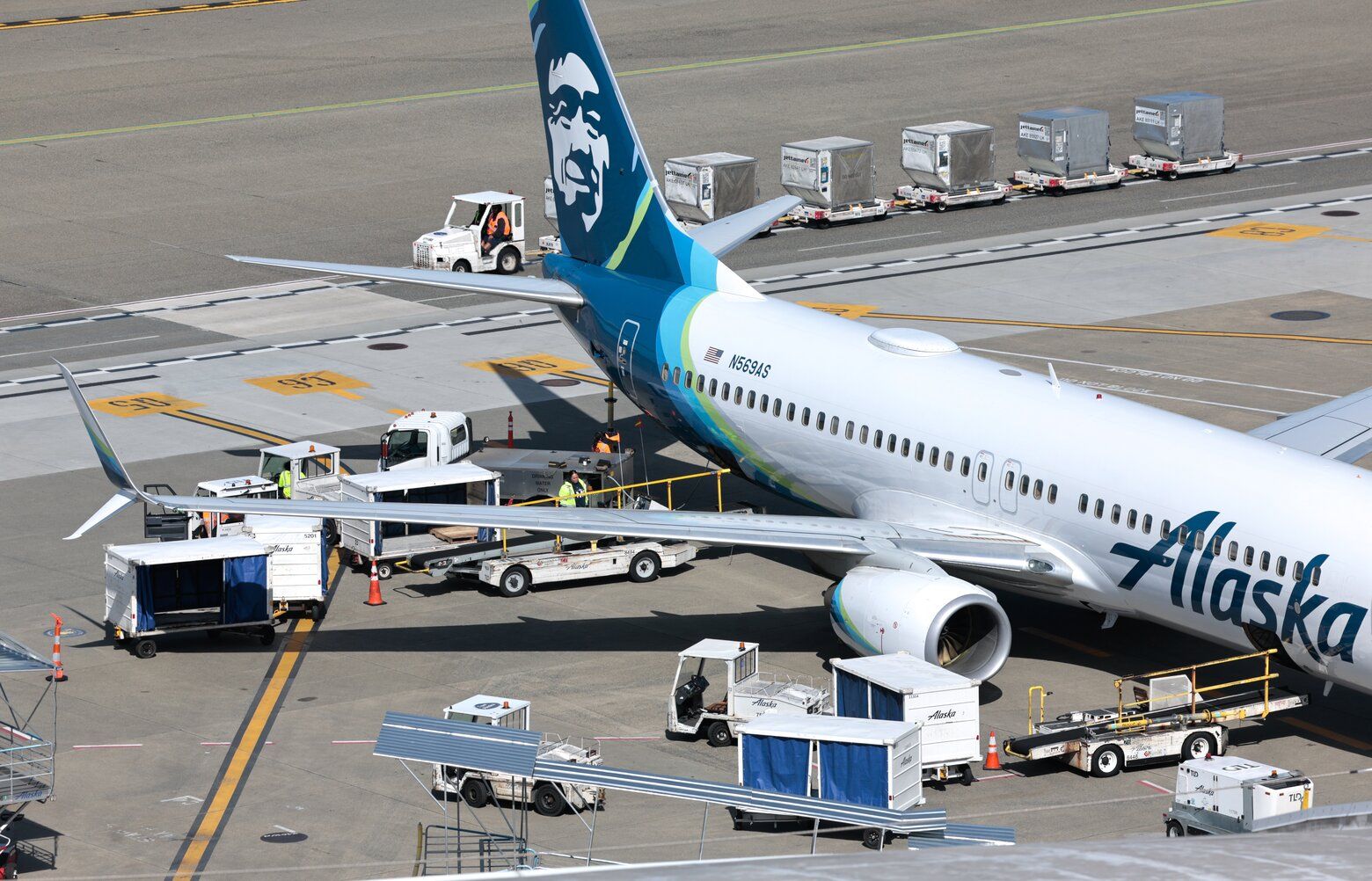
Alaska Airlines operates primarily from the North Satellite (N Gates) and Concourse C at Seattle-Tacoma International Airport (SEA), with some flights using Concourse D. Check-in and ticketing are located at the north end of the Main Terminal. Most passengers access these gates via the airport's automated Satellite Transit System (STS) train.
Seattle-Tacoma International Airport, commonly referred to as SEA, serves as the primary hub and global headquarters for Alaska Airlines. Because Alaska is the dominant carrier in Seattle, its footprint is massive, spanning multiple concourses and a dedicated satellite terminal. Navigating this environment effectively requires an understanding of the airport's unique "hub and spoke" layout, where a central ticketing hall connects to various gate clusters via underground trains.
As of 2026, Alaska Airlines has further solidified its presence in Seattle with modernized facilities, expanded lounge access, and streamlined security protocols. Whether you are a frequent business traveler or a first-time visitor to the Pacific Northwest, understanding the logistics of the Alaska Airlines terminal zones—from the flagship North Satellite to the convenient "SEA Spot Saver" checkpoints—is essential for a stress-free journey.
The Layout of Alaska Airlines Operations at SEA
Unlike many large international airports that utilize separate, disconnected terminal buildings, SEA operates as a single, large "Main Terminal" connected to two satellite terminals (North and South) and four concourses (A, B, C, and D).
Alaska Airlines is the primary occupant of the North Satellite (N Gates) and maintains a significant presence in Concourse C. It also utilizes Concourse D for various domestic routes. This distributed model means that your arrival and departure gates may not be in the same area, but they are all connected behind the security perimeter.
Ticketing and Check-In Zones
The Alaska Airlines check-in experience begins at the north end of the Main Terminal on the Ticketing Level (Level 5). Alaska occupies a massive stretch of counters, typically organized by service level:
- Main Cabin and Self-Service: Numerous kiosks are available for printing boarding passes and bag tags.
- Premium Class and First Class: Dedicated lanes for elite flyers and those in premium cabins.
- MVP Gold/75K/100K: Specialized check-in areas for top-tier members of the Mileage Plan.
In 2026, the bag drop process is highly automated. Passengers are encouraged to tag their own luggage at kiosks before proceeding to the "bag drop" stations, where machines scan the tags and move the luggage into the sorting system. This has significantly reduced wait times compared to traditional counter service.
The North Satellite (N Gates): Alaska’s Flagship Hub
The North Satellite, or the N Gates, is the heart of Alaska Airlines’ operations at SEA. Following a massive multi-year modernization project, the North Satellite is now a state-of-the-art facility designed to reflect the Pacific Northwest's aesthetic.
Getting to the N Gates
The North Satellite is not physically connected to the Main Terminal by a walkway. To reach it, passengers must take the Satellite Transit System (STS). After clearing security, follow the signs for the "N Gates" or "North Loop" train. The train station is located underground, accessible via escalators or elevators near the junction of Concourses C and D. The transit time is less than three minutes, with trains arriving every few minutes.
Facilities and Atmosphere
The N Gates area is known for its soaring ceilings, natural light, and curated local art. It feels less like a traditional airport terminal and more like a modern hall. For Alaska passengers, this is the primary departure point for long-haul domestic flights, including routes to the East Coast, Hawaii, and major West Coast hubs.
- Seating: Almost every seat in the North Satellite is equipped with power outlets and USB ports.
- Dining: The area features local Seattle favorites, including specialized coffee shops and Pacific Northwest-inspired bistros.
- Retail: High-end travel gear and local Washington souvenirs dominate the retail space.
Concourse C and Concourse D
While the North Satellite handles much of the heavy lifting, Concourse C is equally vital to Alaska’s Seattle network. This concourse is often used for shorter regional hops operated by Horizon Air (Alaska’s regional subsidiary) and mid-range domestic flights.
Concourse C Features
Concourse C is a long, linear hall that is directly connected to the Main Terminal. You can walk to Concourse C from the security checkpoints without needing to take a train. However, if your flight is at the far end of the concourse (C15–C20), be prepared for a 10-15 minute walk.
- Gate C2: Often serves as a major hub for regional turboprop or E175 jet operations.
- The "C" Experience: This area is slightly more traditional in layout but has seen significant upgrades in 2026 to include more "grab-and-go" food options, catering to the shorter-duration traveler.
Concourse D Presence
Alaska Airlines also utilizes several gates in Concourse D. This area is convenient because it is the closest concourse to the North security checkpoint. If your boarding pass lists a "D" gate, you are likely departing from a gate that is just a few minutes' walk from the security exit. Concourse D is also where the North Loop train originates, making it the primary transfer point for passengers moving between the Main Terminal and the North Satellite.
Alaska Lounge Locations and Access
For many travelers, the highlight of the Alaska Airlines terminal experience in Seattle is the lounge network. Alaska operates three distinct lounges at SEA, each catering to different needs and gate locations.
| Lounge Location | Best For | Key Features |
|---|---|---|
| North Satellite (N13) | Flagship experience, long layovers | 15,800 sq. ft., bar with local craft beers, fireplace, views of Mt. Rainier. |
| Concourse C (Near C16) | Quick visits, regional travelers | Comfortable seating, standard buffet, pancake machine, barista service. |
| Concourse D (Near D1) | Convenience near security | The original lounge, recently renovated, best for "D" gate departures. |
Access Requirements
In 2026, access to Alaska Lounges is available through:
- Paid Memberships: Annual Alaska Lounge or Lounge+ memberships.
- First Class Passengers: Travelers booked in First Class on Alaska-operated flights (excluding certain upgraded fares).
- Day Passes: Available for purchase at the front desk, subject to capacity.
- Partner Elites: Oneworld Emerald and Sapphire members on qualifying international itineraries.
The North Satellite lounge remains the most popular due to its size and amenities. It features a full-service bar, a wide range of hot and cold food, and the iconic automated pancake machine—a staple of the Alaska lounge experience.
Navigating Security and "SEA Spot Saver"
Seattle-Tacoma International Airport is notorious for long security lines during peak hours (early morning and Thursday/Friday afternoons). To mitigate this, Alaska Airlines passengers have several options.
Security Checkpoints
There are five main checkpoints at SEA. Passengers flying Alaska are generally directed to Checkpoint 5 (North end) or Checkpoint 4 (Central).
- TSA PreCheck: Located primarily at Checkpoints 1 and 4.
- CLEAR: Available at most major checkpoints, often paired with PreCheck lanes for the fastest exit.
SEA Spot Saver
A vital tool for Alaska passengers is SEA Spot Saver. This is a free service that allows travelers without PreCheck or CLEAR to "reserve" a time in the security line. You can book your spot up to five days before your flight via the Port of Seattle website. By showing your reservation QR code at the designated lane, you can bypass the general queue, making the journey to the Alaska gates significantly more predictable.
Ground Transportation and Terminal Access
Getting to the Alaska Airlines terminal area at SEA is facilitated by multiple transport modes. Because Alaska is located at the north end of the terminal, specific drop-off points are more efficient.
Rideshare and Drop-off
If arriving by Uber, Lyft, or a private vehicle, ask to be dropped off at the North end of the Departures drive. This will put you directly in front of the Alaska Airlines ticketing doors. If you are dropped off at the South end (near Delta or international carriers), you will have a long walk across the entire length of the terminal.
Link Light Rail
The Sound Transit Link Light Rail connects downtown Seattle to the airport. The station is connected to the fourth floor of the parking garage. From the station, follow the signs to the Main Terminal. It is roughly a 10-minute walk from the Light Rail platform to the Alaska check-in counters.
Parking
The SEA airport garage is one of the largest single-structure parking garages in the world. For the easiest access to Alaska, park in the Terminal Direct or General Parking areas on the North side (indicated by color-coded zones).
International Arrivals and Connections
While Alaska is primarily a domestic and North American carrier (flying to Canada, Mexico, and Belize), it is a member of the Oneworld Alliance. This means many passengers arrive at SEA on international partner airlines (like British Airways, Japan Airlines, or Qatar Airways) and connect to Alaska flights.
The International Arrivals Facility (IAF)
All international arrivals (except those from airports with U.S. Preclearance) are processed at the International Arrivals Facility near the South Satellite. After clearing Customs and Border Protection (CBP) and re-checking bags, passengers must take the STS train from the South Satellite/A Concourse to the North end of the airport to reach the Alaska gates in Concourse C or the North Satellite.
This transfer can take 20-30 minutes, so a minimum connection time of 90 minutes to 2 hours is highly recommended for international-to-domestic transfers involving Alaska Airlines.
Amenities and Dining in Alaska Zones
The Port of Seattle has focused heavily on "Pacific Northwest sense of place." This is most evident in the dining options near Alaska's gates.
- Beecher’s Handmade Cheese (Concourse C): Famous for their "World’s Best" Mac & Cheese.
- Skillet (North Satellite): Modern diner food that is a staple of the Seattle food scene.
- Caffe Vita and Starbucks: Both have a massive presence, with Starbucks being nearly ubiquitous throughout the concourses.
- Nursing Suites and Pet Relief: SEA offers dedicated nursing rooms and indoor pet relief areas near the junction of Concourses C and D, catering to families and those traveling with service animals or pets.
Troubleshooting Common Issues at the Alaska Terminal
Even with a well-planned itinerary, issues can arise. Here is how to handle the most common hurdles at the Alaska terminal in Seattle:
- Gate Changes: Alaska frequently moves flights between Concourse C and the North Satellite. Always check the Alaska Airlines mobile app or the digital flight boards as soon as you exit the train or security.
- Missing the Train: The STS train is the only way to reach the N gates. If the train system experiences a mechanical delay (rare but possible), the airport provides shuttle buses, but this adds significant travel time.
- Lost Items: If you leave something at an Alaska gate or on an Alaska aircraft, the Alaska Airlines Lost and Found office is located near the baggage claim area in the Main Terminal.
Frequently Asked Questions
Which terminal does Alaska Airlines use at Seattle-Tacoma International Airport?
Alaska Airlines uses the Main Terminal for check-in and operates gates primarily out of the North Satellite (N Gates) and Concourse C. Some flights also depart from Concourse D. Passengers move between these areas via the underground Satellite Transit System (STS) train.
How early should I arrive for an Alaska Airlines flight at SEA?
For domestic flights, it is recommended to arrive at least 2 hours before departure. For international flights or during peak holiday periods, 3 hours is safer. This allows for potential delays at security and the time needed to take the train to the North Satellite gates.
Can I walk to the North Satellite (N Gates) from the Main Terminal?
No, there is no pedestrian walkway to the North Satellite. You must take the North Loop train (Satellite Transit System). The train stations are clearly marked and are located underground near the beginning of Concourse C and Concourse D.
Where is the Alaska Airlines baggage claim in Seattle?
Alaska Airlines baggage claim carousels are located at the North end of the Baggage Claim level (Level 3) in the Main Terminal. They are typically carousels 1 through 8. Check the digital displays near the escalators to find the specific carousel for your flight number.
Does Alaska Airlines have a lounge in Seattle?
Yes, Alaska Airlines operates three lounges at SEA. The flagship lounge is in the North Satellite (near gate N13). There are additional lounges in Concourse C (near gate C16) and Concourse D (near gate D1). These lounges offer food, beverages, and Wi-Fi to members and eligible passengers.
How do I use SEA Spot Saver for my Alaska flight?
You can sign up for SEA Spot Saver for free online up to five days before your flight. You choose a 15-minute window for your security screening. When you arrive at the airport, go to the designated Spot Saver lane at the checkpoint assigned to you, show your confirmation, and move to the front of the screening line.
Practical Recommendation: Before heading to the airport, download the Alaska Airlines mobile app. It provides real-time gate updates, allows you to change seats, and—most importantly for Seattle travelers—includes a map of the terminal that can guide you to the nearest STS train station or Alaska Lounge based on your current location.