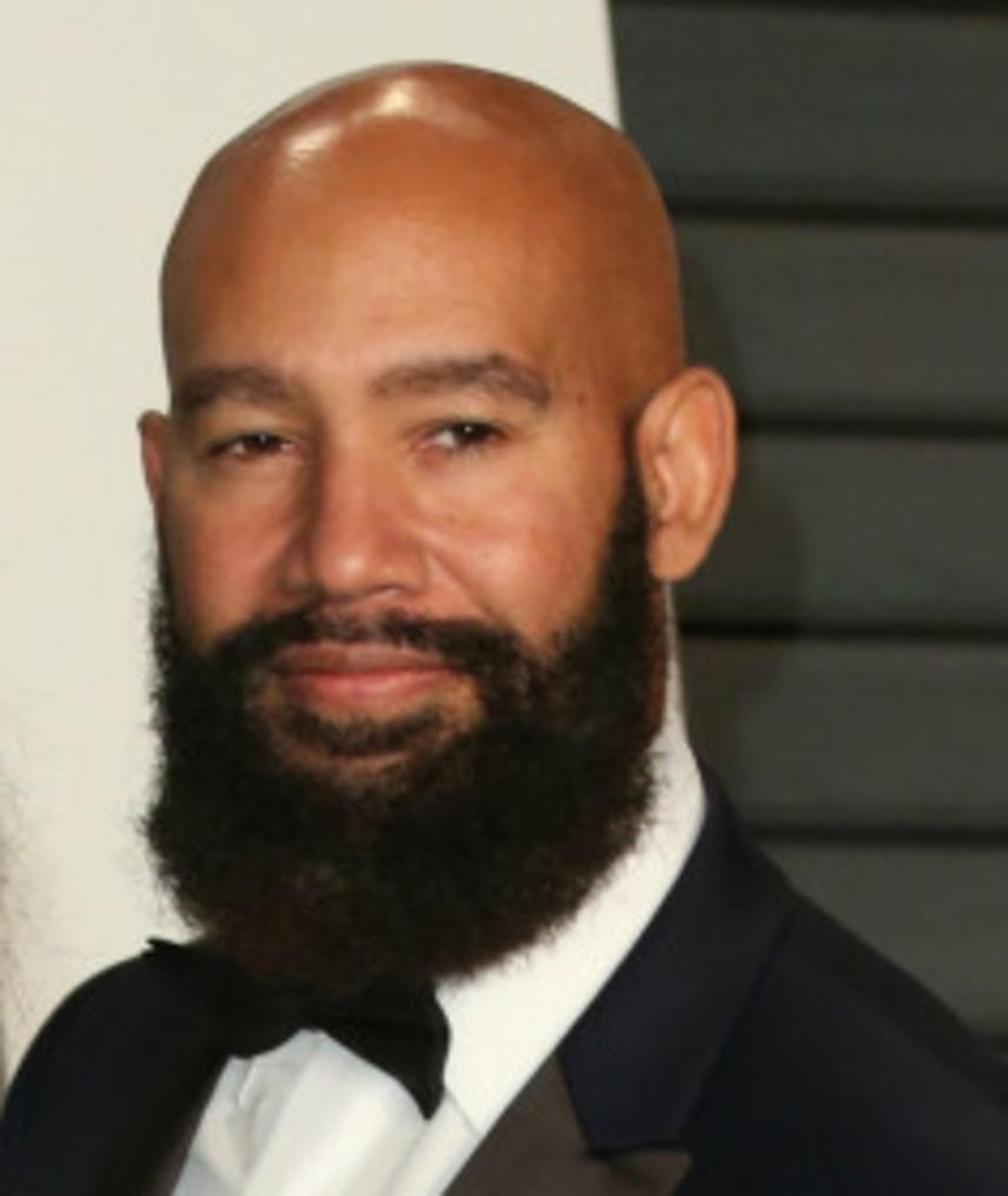
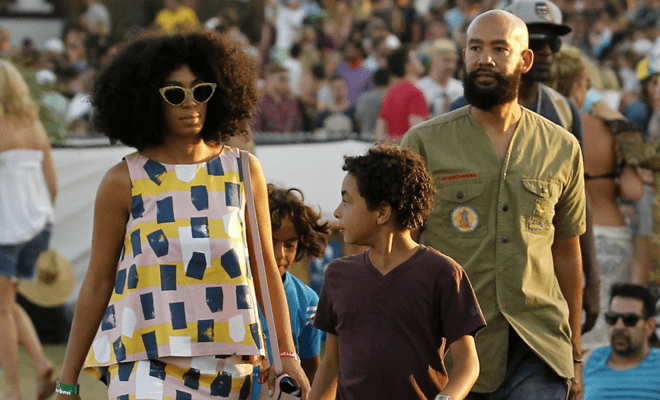
Alan Ferguson is a highly influential director primarily recognized for his transformative music videos and cinematic short films rather than traditional Hollywood feature-length movies. His filmography is defined by visually arresting collaborations with artists like Solange, Beyoncé, and Jay-Z, blending high-fashion aesthetics with architectural precision and profound cultural narratives.
Defining the Cinematic Style of Alan Ferguson
To understand the Alan Ferguson movies and the director’s filmography, one must first distinguish between traditional narrative features and the "visual albums" or "short-form cinema" where Ferguson has made his greatest mark. While many casual viewers search for a list of theatrical movies, Ferguson’s career has primarily focused on the intersection of music, fashion, and fine art. His work is often described as "cinematic" because of his meticulous attention to framing, color theory, and the pacing usually reserved for prestige independent films.
Ferguson’s rise to prominence began in the early 2000s, but his style underwent a significant evolution. Early in his career, he worked on high-energy, commercial hip-hop and pop videos for artists like Nelly and Fall Out Boy. However, his later work—particularly his collaborations with Solange Knowles—shifted toward a minimalist, avant-garde approach. This "Solange era" redefined him as a director who could capture the Black experience through a lens of surrealism and structured beauty.
The Early Years: Building a Versatile Portfolio
In the mid-2000s, Alan Ferguson established himself as a reliable and creative force in the music industry. During this period, his filmography grew to include a wide variety of genres, proving his ability to adapt his visual language to the needs of different artists.
His work with Fall Out Boy (specifically "Dance, Dance" and "This Ain't a Scene, It's an Arms Race") showcased a talent for narrative irony and visual wit. These videos were not merely performances; they were structured like short comedy-dramas, featuring plot twists and elaborate set designs. Similarly, his work with Nelly and T.I. demonstrated an understanding of the glossy, high-production values expected in the "Bling Era" of hip-hop, yet he always managed to inject a sense of scale that felt larger than the medium of television.
Transitioning to Conceptual Art
As the music video industry transitioned from MTV rotations to digital streaming, Ferguson was one of the few directors who leaned into the "art film" aspect of the medium. Instead of relying on rapid-fire editing and jump cuts, he began to favor long, static shots and carefully choreographed movements. This transition is most evident in his work from 2010 onward, where the focus shifted from selling a song to creating a visual world that could stand alone as a piece of art.
The Solange Collaborations: A Career Defining Era
The most significant chapter in the Alan Ferguson filmography is undoubtedly his work on the visual components of Solange’s album A Seat at the Table (2016). Working closely with Solange (to whom he was married at the time), Ferguson co-directed "Cranes in the Sky" and "Don't Touch My Hair."
These projects are often cited by film students and art critics for their:
- Architectural Framing: Utilizing natural landscapes and Brutalist architecture to frame the human body.
- Color Palettes: Each scene is meticulously color-coordinated, using earthy tones and pastels to evoke specific emotional responses.
- Cultural Symbolism: The visuals celebrate Black identity, hair, and history through a lens that is both modern and timeless.
For many fans, these videos are considered "movies" in their own right because of their narrative weight and aesthetic cohesion. They did not just promote a song; they defined a cultural movement. This work earned Ferguson a BET Award for Video Director of the Year in 2017, cementing his status as a top-tier visual storyteller.
Alan Ferguson’s Notable Filmography and Music Shorts
While the term "movies" usually implies a 90-minute theatrical release, Ferguson’s body of work consists of high-impact shorts that have reached hundreds of millions of viewers. The following table highlights the key milestones in his career, showcasing the diversity of his talent.
| Year | Title / Project | Primary Artist | Role |
|---|---|---|---|
| 2005 | "Dance, Dance" | Fall Out Boy | Director |
| 2007 | "This Ain't a Scene, It's an Arms Race" | Fall Out Boy | Director |
| 2008 | "Green Light" | John Legend ft. André 3000 | Director |
| 2011 | "Party" | Beyoncé ft. J. Cole | Director |
| 2011 | "Who Gon Stop Me" | Jay-Z & Kanye West | Director |
| 2013 | "Walking on Air" (Short) | Katy Perry | Director |
| 2013 | "Electric Lady" | Janelle Monáe | Director |
| 2016 | "Cranes in the Sky" | Solange | Co-Director |
| 2016 | "Don't Touch My Hair" | Solange | Co-Director |
| 2019 | "Almeda" | Solange | Creative Consultant |
Technical Mastery: The "Ferguson Look"
What makes an Alan Ferguson production recognizable? It is the intersection of several technical disciplines that many directors overlook. In the context of his filmography, his "movies" (the long-form videos) rely heavily on symmetrical composition. Similar to the style of Wes Anderson, Ferguson often places his subjects in the exact center of the frame, surrounded by vast, uncluttered environments.
Lighting and Texture
Ferguson’s use of light is rarely harsh. He prefers soft, diffused natural light that emphasizes the texture of clothing and skin. This is particularly evident in his work with Janelle Monáe and Solange, where the goal was to create a "dream-like" state. By avoiding the typical high-contrast lighting of pop videos, Ferguson’s work takes on a painterly quality.
Spatial Awareness
Unlike many directors who use tight close-ups to convey emotion, Ferguson uses negative space. By showing a small figure against a massive desert landscape or a towering concrete wall, he communicates themes of isolation, resilience, and scale. This technique is a hallmark of his directorial style and is one of the primary reasons his music videos feel like "cinema."
Expansion into Commercials and Creative Direction
In recent years, leading up to 2026, Alan Ferguson has expanded his reach into the world of high-end commercial directing and creative consultancy. Brands looking for a "prestige" feel have sought out his eye for symmetry and color.
His commercial filmography includes work for major fashion houses and technology brands. These projects often bridge the gap between advertising and art, utilizing the same slow-motion techniques and architectural backdrops found in his most famous music videos. As a senior figure in the industry, he has also moved into mentorship and executive production, helping younger directors find their visual voice while maintaining the high standards he set during the 2010s.
The Search for a Feature Film
A common question among film enthusiasts is whether Alan Ferguson will ever transition into traditional feature-length narrative movies. While he has been linked to various development projects over the years, his focus has remained on the "visual album" format. In the modern era, the line between a "movie" and a "visual album" has blurred. Projects like Beyoncé’s Black Is King (though directed by multiple hands) show the direction in which Ferguson’s style naturally flows: a continuous, non-linear narrative driven by music and high-concept imagery.
For those tracking the Alan Ferguson movies list, it is essential to look at his work as a cohesive whole. Whether it is a four-minute video or a twenty-minute short film, the directorial DNA remains the same: a commitment to beauty, a reverence for the subject, and a mastery of the frame.
Frequently Asked Questions
Has Alan Ferguson directed any full-length Hollywood movies?
As of 2026, Alan Ferguson has not directed a traditional Hollywood narrative feature film. His reputation is built on high-concept music videos, commercial shorts, and visual albums. His work is often categorized as "cinematic shorts" rather than feature films, though the production quality often rivals that of major motion pictures.
What is Alan Ferguson's most famous work?
Ferguson is most widely recognized for co-directing the visuals for Solange's 2016 album A Seat at the Table, specifically the videos for "Cranes in the Sky" and "Don't Touch My Hair." These works are celebrated for their artistic merit and were instrumental in him winning the BET Award for Video Director of the Year.
Who are the most frequent collaborators in Alan Ferguson’s filmography?
Alan Ferguson has frequently collaborated with major artists in the music industry. His most notable partnerships include Fall Out Boy, Solange Knowles, Janelle Monáe, and Beyoncé. He has also worked with Jay-Z, John Legend, and Katy Perry, demonstrating a broad range of stylistic adaptability.
What are the key characteristics of Alan Ferguson's directing style?
His style is characterized by minimalist aesthetics, symmetrical framing, the use of architectural spaces, and a meticulous approach to color palettes. He often employs slow-panning shots and emphasizes the relationship between the human form and the environment, creating a sense of "stillness" even in music-driven content.
Did Alan Ferguson win any awards for his directing?
Yes, he has received several accolades, most notably the BET Award for Video Director of the Year in 2017. His work has also been featured in numerous "Best Music Video of the Year" lists by publications like Rolling Stone, Pitchfork, and Billboard.
Next Steps for Aspiring Directors and Fans
To truly appreciate Alan Ferguson’s contribution to film, one should view his work on the largest screen possible to notice the intricate details in his framing. For students of film, studying his transition from the "pop-punk" aesthetic of the mid-2000s to the "fine-art" aesthetic of the late 2010s provides an excellent case study in artistic evolution.
Those interested in the intersection of fashion and film should specifically look at his work for Solange and Janelle Monáe, as these projects represent the pinnacle of how a director can influence the visual identity of an entire musical era. As we continue through 2026, keeping an eye on his creative agency work will likely reveal the next stage of his visual journey.