To qualify for a Section 8 Housing Choice Voucher in Alameda County in 2026, your total household income must typically fall below 50% of the Area Median Income (AMI). While HUD sets limits for "Low," "Very Low," and "Extremely Low" categories, most new vouchers are reserved for families in the "Very Low" (50%) and "Extremely Low" (30%) brackets.
Understanding Section 8 in Alameda County
The Section 8 Housing Choice Voucher (HCV) program is the federal government's primary mechanism for assisting very low-income families, the elderly, and the disabled to afford decent, safe, and sanitary housing in the private market. In Alameda County, this program is particularly vital due to the region's high cost of living and competitive rental market.
To understand the income limits, one must first identify which public housing agency (PHA) manages the specific area of interest. Alameda County is served by multiple agencies:
- The Housing Authority of the County of Alameda (HACA): This agency covers the unincorporated areas of the county and several cities, including Hayward, Fremont, San Leandro, Union City, Dublin, Pleasanton, Newark, Emeryville, and Albany.
- The Housing Authority of the City of Alameda (AHA): This agency specifically serves the City of Alameda (the island city).
- The Oakland Housing Authority (OHA): Manages vouchers specifically for the City of Oakland.
- The Berkeley Housing Authority (BHA): Manages vouchers specifically for the City of Berkeley.
While all these agencies follow the overarching regulations set by the U.S. Department of Housing and Urban Development (HUD), they operate independently regarding waiting lists, local preferences, and specific payment standards. However, they all rely on the same federally determined income limits for the Oakland-Fremont HUD Metro FMR Area.
How HUD Determines Income Limits
Each year, HUD calculates the Area Median Income (AMI) for metropolitan areas across the United States. Alameda County is part of the Oakland-Fremont Metropolitan Statistical Area. Because this region has some of the highest median incomes in the country, the income limits for "low-income" assistance are significantly higher here than in most other states.
HUD divides income limits into three primary categories:
- Extremely Low Income (30% AMI): This is the threshold for the most vulnerable populations. By law, PHAs must provide at least 75% of their vouchers to applicants in this category.
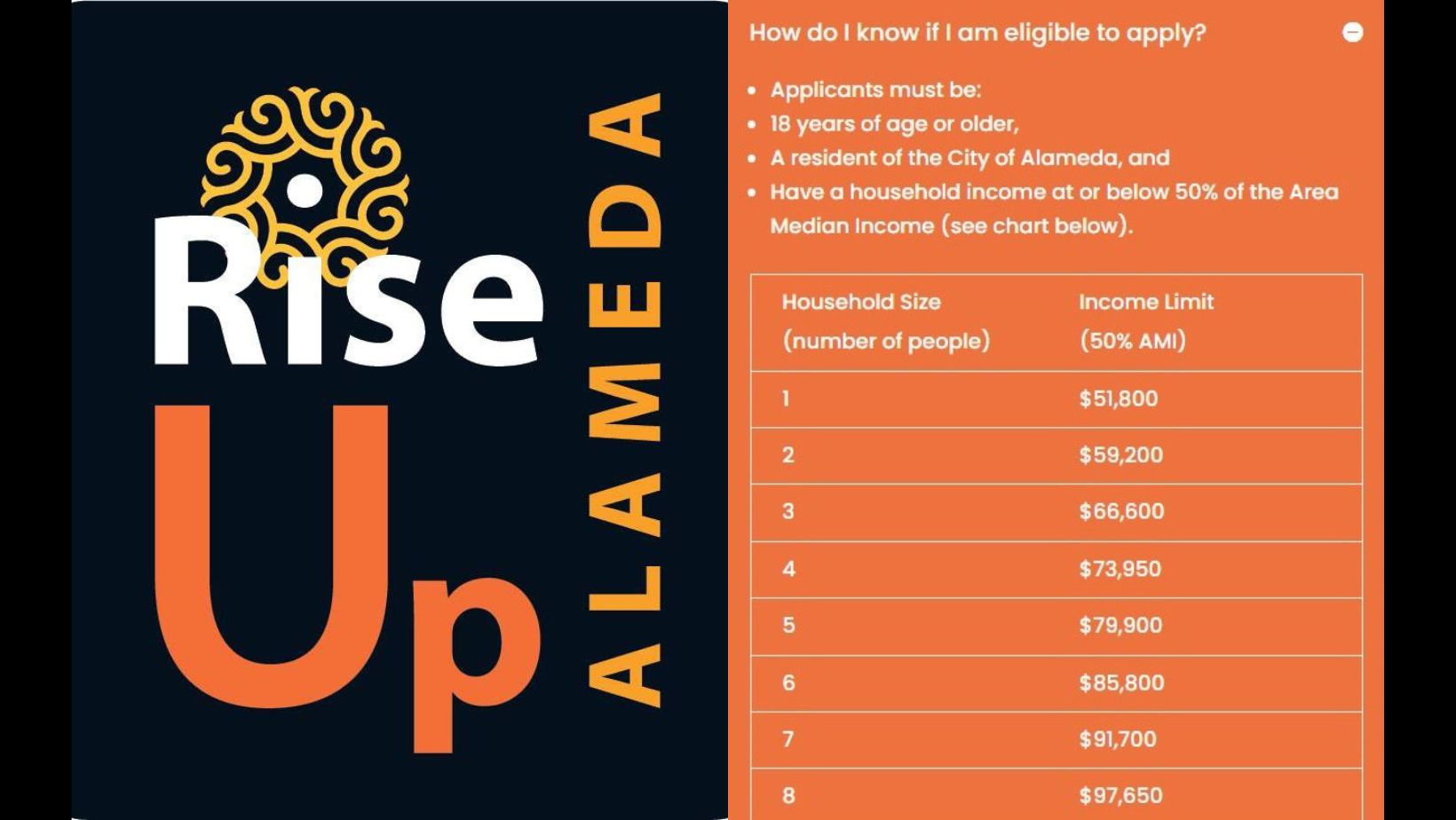
- Very Low Income (50% AMI): This is the standard eligibility threshold for the Section 8 program. Most households must be at or below this level to be admitted to the program.
- Low Income (80% AMI): While HUD defines this group, families at this level generally do not qualify for new vouchers unless they meet specific "continuously assisted" criteria or other narrow exceptions.
Why 2026 Limits Matter
As we move through 2026, these limits reflect the ongoing inflationary pressures on wages and the persistent high demand for housing in the East Bay. If a household’s income increases beyond the 50% AMI limit while they are on a waiting list, they may be removed from eligibility before a voucher is even issued. Conversely, if income drops, they may move into a higher priority tier.
2026 Income Limit Tables for Alameda County
The following table provides the projected income limits for the Oakland-Fremont HUD Metro FMR Area, which encompasses Alameda County. These figures are based on household size, as larger families require more resources and larger housing units.
| Household Size | Extremely Low (30% AMI) | Very Low (50% AMI) | Low Income (80% AMI) |
|---|---|---|---|
| 1 Person | $33,150 | $55,250 | $88,400 |
| 2 People | $37,900 | $63,150 | $101,050 |
| 3 People | $42,650 | $71,050 | $113,650 |
| 4 People | $47,350 | $78,900 | $126,250 |
| 5 People | $51,150 | $85,250 | $136,350 |
| 6 People | $54,950 | $91,550 | $146,450 |
| 7 People | $58,750 | $97,850 | $156,550 |
| 8 People | $62,550 | $104,150 | $166,650 |
Note: These figures are based on HUD's 2026 data protocols. Limits are subject to annual adjustment and should be verified with the specific Housing Authority at the time of application.
What Counts as Income?
When determining whether a family meets the Alameda Section 8 income limits, the Housing Authority looks at "Annual Income." This is defined as the gross amount of income anticipated to be received by all adults in the household during the 12-month period following admission or annual re-examination.
Included Income Sources
To ensure accuracy, you must report all sources of revenue, including:
- Wages and Salaries: Gross pay (before taxes) from full-time, part-time, or seasonal employment, including tips, bonuses, and commissions.
- Net Income from Business: Profit from a profession or self-employment.
- Social Security and Pensions: Includes SSI, SSDI, and private retirement funds.
- Unemployment and Disability: State-issued benefits or worker’s compensation.
- Alimony and Child Support: Regular payments received via court order or informal agreement.
- Interest and Dividends: Income generated from bank accounts, stocks, or other investments.
- Recurring Gifts: Regular contributions from persons not living in the household (e.g., a family member paying your phone bill every month).
Excluded Income Sources
HUD regulations exclude certain types of income from the eligibility calculation. Common exclusions include:
- Income of Minors: Employment income earned by children under 18.
- Lump-sum Additions: One-time payments like inheritances, insurance settlements, or capital gains.
- Student Financial Aid: Most scholarships and grants used for tuition and fees.
- SNAP Benefits: Food stamps are never counted as income.
- Foster Care Payments: Payments received for the care of foster children or adults.
The Difference Between Gross and Adjusted Income
While the initial eligibility for a Section 8 voucher is based on Gross Annual Income, the amount of rent the family actually pays is based on Adjusted Annual Income.
Adjusted income is calculated by taking the gross income and subtracting specific deductions allowed by HUD. In 2026, these deductions typically include:
- Dependent Allowance: A fixed deduction for each household member who is under 18, disabled, or a full-time student (other than the head or spouse).
- Elderly/Disabled Allowance: A deduction for households where the head or spouse is at least 62 years old or disabled.
- Medical Expenses: For elderly or disabled households only, certain unreimbursed medical expenses that exceed 3% of the annual income.
- Childcare Expenses: Reasonable costs for the care of children under 13 that enable a family member to work or attend school.
The family usually pays roughly 30% of their adjusted monthly income toward rent and utilities, while the Housing Authority pays the remainder directly to the landlord.
Asset Calculation and the $50,000 Threshold
In recent years, HUD updated regulations regarding how assets impact income limits. As of 2026, if a household has net family assets totaling less than $50,000, the Housing Authority generally accepts the family's self-certification of the income generated by those assets.
However, if assets exceed $50,000, the agency must calculate the actual income earned from those assets. If the actual income cannot be determined, they will "impute" income based on the current passbook savings rate. It is important to note that having significant assets—such as owning a home you could feasibly live in—may disqualify you from the program entirely under newer HUD "asset cap" rules.
The Waiting List Reality in Alameda
Meeting the income limits is only the first step. In Alameda County, the demand for Section 8 vouchers vastly exceeds the supply. Waiting lists for HACA or the City of Alameda Housing Authority often remain closed for years at a time.
When the waiting list does open, it is often conducted via a lottery system. Even after being selected for the lottery, an applicant's position on the list is determined by "Local Preferences." These preferences can prioritize:
- Residents or Workers: People who already live or work within the jurisdiction of the Housing Authority.
- Veterans: Honorably discharged veterans or surviving spouses.
- Homeless Individuals: Those transitioning from shelters or transitional housing.
- Victims of Domestic Violence: Individuals seeking safe housing away from an abuser.
If you meet the income limits but do not qualify for any local preferences, your wait for a voucher in Alameda County could potentially exceed five to seven years.
How to Verify Your Eligibility
To confirm if your household meets the current standards, you should follow these steps:
- Gather Documentation: Collect the last two months of pay stubs, your most recent tax return, Social Security award letters, and bank statements.
- Contact the Specific Agency: Reach out to the Housing Authority of the County of Alameda for county-wide queries or the Alameda Housing Authority for city-specific inquiries.
- Check for Open Lists: Visit the official websites of these agencies to see if they are currently accepting "Pre-Applications." Most agencies now use online portals for these submissions.
- Report Changes Immediately: If you are already on a waiting list and your income increases or decreases, you must report this change through the agency's applicant portal. Failure to report an income increase that puts you over the limit can lead to disqualification when your name finally reaches the top of the list.
Portability: Moving with an Alameda Voucher
One of the greatest benefits of the Section 8 program is "portability." If you receive a voucher from the Housing Authority of the City of Alameda, you are generally required to live within the city limits for the first 12 months. After that period, you may "port" your voucher to any other jurisdiction in the United States that has a Section 8 program.
However, if you port your voucher to a different county, you must meet the income limits of the destination county. If you move from Alameda County to a lower-cost area in the Central Valley, for example, the income limits will be much lower. If your income was just under the limit in Alameda, you might find yourself over the limit in a more affordable region, which could jeopardize your voucher status.
Frequently Asked Questions
What happens if my income goes up after I get a voucher?
If your income increases while you have a voucher, your portion of the rent will increase, and the Housing Authority’s portion will decrease. If your income rises to the point where 30% of your adjusted income covers the entire rent, the Housing Authority will stop making payments. However, you typically remain in the program for a "grace period" (usually six months). If your income drops again during this time, the subsidy can be reinstated.
Does Section 8 look at my credit score?
The Housing Authority itself does not usually deny a voucher based on a credit score. Their primary concern is income eligibility and criminal background. However, once you have the voucher, you must find a private landlord who is willing to rent to you. Private landlords in Alameda County frequently run credit checks and may deny your application based on a poor credit history.
Can I apply to both HACA and the City of Alameda Housing Authority?
Yes. You can apply to every Housing Authority waiting list for which you are eligible. Because the City of Alameda (AHA) and the County (HACA) are separate entities, being on one list does not prevent you from being on the other. It is often recommended to apply to multiple lists to increase your chances of being selected.
Is there a minimum income requirement for Section 8?
No, there is no minimum income requirement. Families with zero income are eligible for Section 8. In such cases, the Housing Authority will pay the entire rent to the landlord, and the family may even receive a "utility reimbursement" check to help cover the cost of basic utilities.
Are the income limits different for seniors?
The income limit thresholds (30%, 50%, 80% AMI) are the same regardless of age. However, seniors (62+) and disabled individuals often qualify for additional deductions (the Elderly/Disabled Allowance) which lowers their "adjusted income," potentially reducing their monthly rent portion.
Final Recommendations
If you believe you meet the 2026 Alameda Section 8 income limits, your first priority should be monitoring the official Housing Authority websites for waiting list openings. Because these openings are rare and often brief, signing up for email alerts or following the agencies on social media is essential. In the meantime, ensure all your income documentation is organized and that you are aware of how changes in your household composition—such as a child turning 18 or a relative moving in—will affect your total gross income calculation.