Professional air duct cleaning in Katy, TX, is essential for maintaining indoor air quality by removing accumulated allergens, mold spores, and fine particulate matter from your HVAC system. In the humid Gulf Coast climate, clean ducts prevent respiratory irritation, improve system efficiency, and mitigate the risk of fungal growth within your home’s ventilation.
The air circulating through your home is often more polluted than the air outside. In a region like Katy, Texas, where the combination of high humidity, seasonal pollen surges, and rapid suburban development creates a unique environmental profile, the condition of your HVAC ductwork is a primary determinant of your family’s respiratory health. As we move through 2026, homeowners are increasingly recognizing that the "out of sight, out of mind" approach to ventilation leads to higher energy costs and avoidable health complications.
Understanding the mechanics of air duct cleaning and its specific relevance to the Katy environment is the first step in establishing a healthy living space. This guide examines the technical requirements, health implications, and practical considerations for maintaining clean air pathways in your Texas home.
The Katy Environment: Why Geography Dictates Duct Health
Katy’s geographic location just west of Houston places it in a humid subtropical zone. This climate is characterized by long, sweltering summers and high moisture levels year-round. These conditions are not merely matters of comfort; they are catalysts for specific indoor air quality (IAQ) challenges.
Humidity and Microbial Growth
In Katy, the relative humidity often exceeds 70%, even during the cooler months. When your air conditioning system operates, it dehumidifies the air, but moisture can condense within the ductwork if there are leaks or if the insulation is compromised. This moisture, combined with the organic dust (dead skin cells, pet dander, and food particles) that naturally settles in ducts, creates a perfect breeding ground for mold and mildew. Once colonies are established in the ducts, every time the fan kicks on, spores are distributed into your living areas.
Seasonal Pollen and External Particulates
Katy is known for its lush landscapes, but residents are all too familiar with "Oak Season" and the heavy blanket of yellow pollen that coats every surface in the spring. While high-quality HVAC filters catch much of this, fine particulates eventually bypass filters or enter through open doors and windows, settling deep within the return air ducts. Over time, this buildup creates a reservoir of allergens that can trigger "Cedar Fever" or persistent hay fever symptoms long after the outdoor season has peaked.
Rapid Development and Construction Dust
As Katy continues to expand toward Fulshear and Brookshire in 2026, ongoing construction is a constant. The fine silica dust, drywall particles, and sawdust generated by nearby development are easily pulled into residential HVAC systems. These inorganic materials can be particularly abrasive to HVAC components and irritating to the human respiratory system.
The Direct Link Between Duct Condition and Respiratory Health
The primary reason to prioritize air duct cleaning is the physiological impact of poor indoor air. The HVAC system acts as the "lungs" of the home; if the lungs are congested with debris, the occupants will inevitably suffer.
Asthma and Allergy Management
For the thousands of Katy residents living with asthma or chronic allergies, the ductwork can be a significant source of triggers. Microscopic debris, including dust mite excrement and pet dander, accumulates in layers inside the vents. Standard vacuuming and dusting of the home only address the surface, while the "active" air supply remains contaminated. Professional cleaning utilizes high-pressure agitation and HEPA-filtered vacuuming to remove these triggers at the source, often leading to a noticeable reduction in nighttime coughing and morning congestion.
Volatile Organic Compounds (VOCs) and Odors
Ducts can trap and hold odors from cooking, cleaning chemicals, and tobacco smoke. These odors are often tied to VOCs that cling to dust particles. If your home has a persistent "musty" or "stale" smell despite regular cleaning, the source is likely the biofilm or dust accumulation within the HVAC trunk lines. Removing this material eliminates the source of the odor rather than merely masking it with sprays.
Impact on Vulnerable Populations
Children, the elderly, and those with compromised immune systems are more sensitive to airborne pathogens. In 2026, with a growing elderly population in Katy’s master-planned communities, the medical community has placed a higher emphasis on environmental controls. Clean ducts reduce the "pathogen load" in a home, which can decrease the frequency of respiratory infections and improve overall sleep quality.
Technical Standards for Professional Air Duct Cleaning
Not all duct cleaning services are equal. To ensure the health benefits described above, the process must follow the standards set by the National Air Duct Cleaners Association (NADCA). In Katy, where "blow-and-go" scams occasionally target homeowners, understanding the technical requirements is vital.
The Source Removal Method
The only effective way to clean a ventilation system is through source removal. This involves two main components:
- Agitation: Using motorized brushes, air whips, or "skipper balls" to physically loosen debris from the interior walls of the ducts.
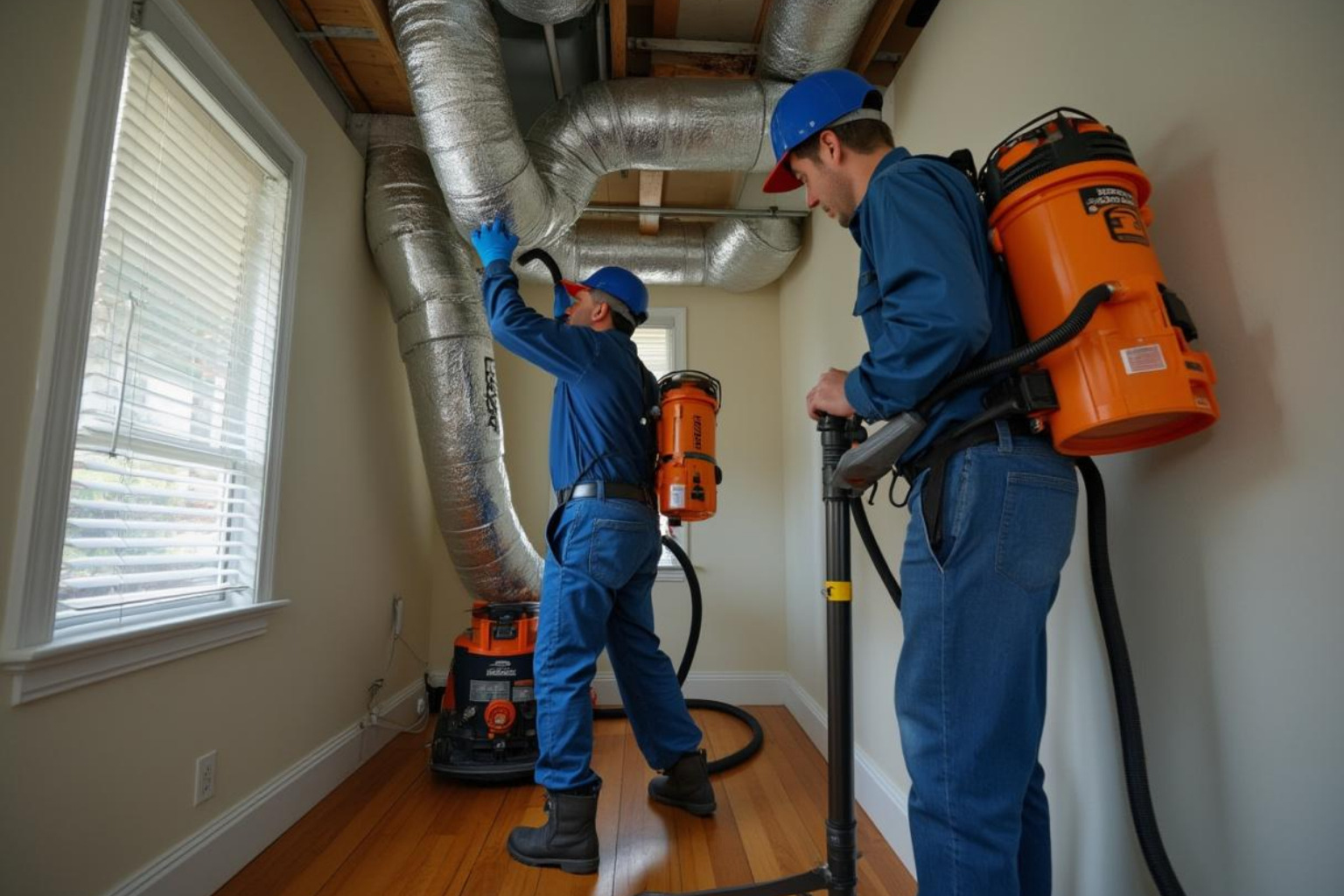
- Negative Pressure: Connecting a high-powered vacuum (usually truck-mounted) to the main supply or return trunk. This creates a vacuum throughout the entire system, ensuring that as dust is loosened, it is pulled directly out of the home and into a containment unit, rather than being blown into your rooms.
Component Cleaning
A comprehensive cleaning must extend beyond the ducts themselves. A professional technician should also inspect and clean:
- The Evaporator Coil: The dampest part of the system where mold is most likely to grow.
- The Blower Motor: Dust buildup here can cause overheating and mechanical failure.
- Drain Pans and Lines: To ensure proper moisture exit and prevent stagnant water.
- Registers and Grilles: Which should be removed and washed to eliminate surface contaminants.
| Feature | Standard "Vent Cleaning" | Professional NADCA-Certified Cleaning |
|---|---|---|
| Primary Goal | Visual cleanliness of registers | Full system decontamination |
| Equipment | Shop-vac or portable brush | Truck-mounted HEPA vacuum & agitation tools |
| Scope | Easily reachable vents | Entire duct network, coils, and blower |
| Time Investment | 45–90 minutes | 3–5 hours for an average Katy home |
| Health Impact | Minimal/Temporary | Significant reduction in airborne particulates |
| Verification | None | Post-cleaning camera inspection |
The Economic Benefit: Energy Efficiency and System Longevity
While health is the primary motivator, the financial implications of air duct cleaning in Katy are substantial. Texas electricity rates and the sheer volume of air moved by HVAC systems in the summer make efficiency a top priority.
Reducing Static Pressure
When ducts are lined with an inch or more of dust, it creates "static pressure." This is essentially resistance that the blower motor must overcome to move air. The harder the motor works, the more electricity it consumes. By cleaning the ducts and the internal components of the air handler, you restore the system’s engineered airflow, often resulting in a 5% to 15% reduction in cooling costs during the peak of a Katy summer.
Preventing Premature System Failure
The leading cause of HVAC failure is dirt and neglect. In 2026, the cost of a new 16-SEER2 or higher air conditioning unit is a significant investment. Dust that bypasses the filter accumulates on the evaporator coil, insulating it and preventing heat exchange. This causes the compressor to run longer and hotter, leading to premature burnout. Regular duct and coil cleaning can extend the life of a system by several years, deferring the multi-thousand-dollar cost of replacement.
Identifying When Your Katy Home Needs Service
The general recommendation for duct cleaning is every three to five years. However, specific conditions in the Katy area may accelerate this timeline. You should consider an immediate inspection if you notice any of the following:
- Visible Mold: If you see black or green speckles on your supply registers or inside the air handler.
- Dust Accumulation: If you find yourself dusting furniture more than once a week or notice "dust bunnies" forming quickly near return vents.
- Unexplained Illness: If family members experience increased allergy symptoms, headaches, or sinus pressure only when they are inside the home.
- Pest Infestation: If there has been evidence of rodents or insects in the attic or crawlspace, as they often use ductwork as a highway, leaving behind droppings and nesting material.
- Post-Renovation: If you have recently completed a kitchen remodel or flooring replacement in your Cinco Ranch or Firethorne home, the construction dust has likely infiltrated the system.
Common Misconceptions About Air Duct Cleaning
As homeowners research "air duct cleaning in Katy, TX," they often encounter conflicting information. It is important to clarify what duct cleaning can and cannot do.
"Duct cleaning is a scam."
This misconception stems from "blow-and-go" companies that offer $99 specials and then upsell unnecessary services or perform a superficial cleaning. When performed by a certified professional using industrial-grade equipment, the benefits are documented by organizations like the EPA and NADCA. The key is the method used; a simple vacuuming of the vents without agitation is indeed ineffective.
"Chemical biocides are always necessary."
Some companies insist on spraying antimicrobial chemicals into the ducts. While these can be useful in cases of severe mold infestation, they are not a substitute for physical cleaning. NADCA recommends that chemicals only be used after the ducts have been mechanically cleaned. In many cases, if the source of moisture is fixed and the debris is removed, chemicals are not required for a healthy home.
"New homes don't need duct cleaning."
Surprisingly, new construction homes in Katy are often the best candidates for cleaning. During the building process, contractors frequently run the HVAC system to dry paint or keep workers cool. This pulls in drywall dust, sawdust, and even lunch trash that falls into floor vents. Many homeowners are shocked to find construction debris inside the "clean" ducts of their brand-new home.
Choosing a Qualified Provider in Katy
Because the HVAC industry is highly localized, selecting a provider requires due diligence. In 2026, digital reviews and certifications are more transparent than ever.
- Check for NADCA Certification: This ensures the company follows the ACR (Assessment, Cleaning, and Restoration) Standard.
- Verify Licensing and Insurance: A legitimate Texas contractor should carry liability insurance to protect your property during the process.
- Request a Detailed Estimate: A reputable company will provide a quote based on the number of vents or the number of systems, not a vague "per house" flat rate that sounds too good to be true.
- Ask About the Equipment: Ensure they are using a truck-mounted vacuum system or a high-powered HEPA-filtered portable unit designed specifically for ductwork.
- Demand an Inspection: Professional cleaners should be willing to show you "before and after" photos or video using a borescope camera.
Frequently Asked Questions
How long does a professional air duct cleaning take?
For a typical 2,500-square-foot home in Katy, the process generally takes between three and five hours. This allows time for the technician to seal off all registers to maintain negative pressure, clean the main trunk lines, and meticulously brush each individual branch line. If a company claims they can finish the job in an hour, they are likely skipping the essential agitation steps.
Will the process make my house messy?
A professional service should leave your home as clean as they found it. By using high-powered negative pressure, all dust is contained within the vacuum system and exhausted outside into the truck or through a HEPA filter. Technicians should also use drop cloths and shoe covers to protect your flooring and furniture.
Is air duct cleaning worth the cost in Katy, TX?
Given the local climate and the high cost of electricity, air duct cleaning offers a strong return on investment. Between the potential savings on energy bills, the prevention of expensive HVAC repairs, and the reduction in medical expenses for allergy sufferers, most homeowners find the service pays for itself within 18 to 24 months.
Can I clean the air ducts myself?
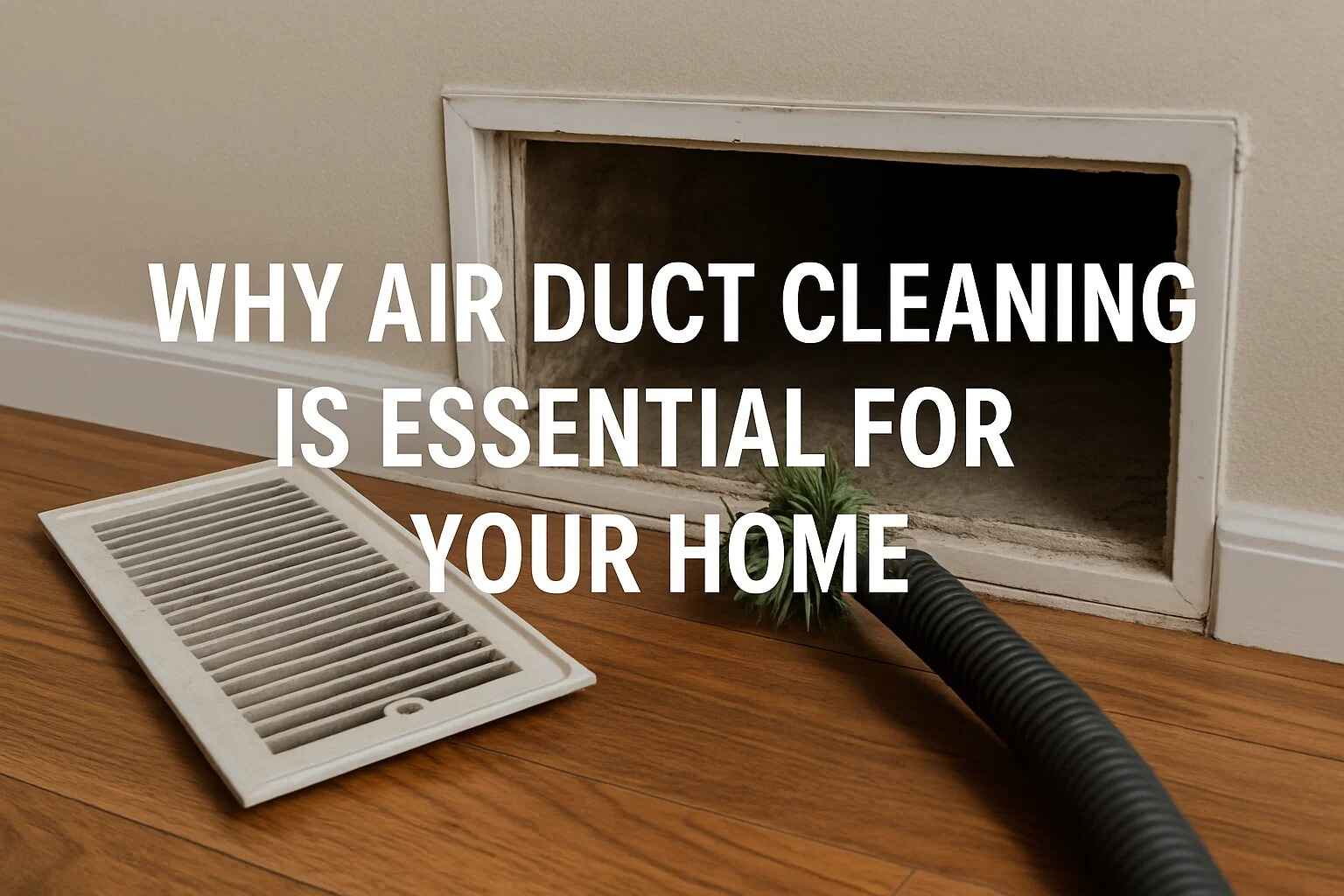
Homeowners can clean the registers and reach into the first few feet of the ducts with a standard vacuum hose. However, DIY methods lack the suction power and specialized agitation tools (like pneumatic whips) needed to reach the entire system. Furthermore, without proper containment, a DIY attempt often ends up releasing more dust into the living space than it removes.
Does air duct cleaning remove odors?
Yes, if the odors are caused by accumulated dust, pet dander, or mold within the ventilation system. However, if the odor source is external to the ducts—such as moisture in the walls or carpets—the ducts will eventually re-absorb those smells. A professional cleaning is a critical step in a "whole-home" odor remediation strategy.
Should I have my dryer vent cleaned at the same time?
It is highly recommended. Dryer vents in Katy homes often have long runs to the roof or side walls. Lint buildup is a significant fire hazard and reduces dryer efficiency. Most professional air duct cleaners offer dryer vent cleaning as an add-on service, which is both convenient and cost-effective.
Establishing a Long-Term Indoor Air Quality Strategy
Air duct cleaning is not a one-time "fix" but a component of a larger home maintenance strategy. To maintain the health benefits after a professional cleaning, Katy homeowners should:
- Use High-Quality Filters: Switch to pleated filters with a MERV rating of 8 to 11. These balance filtration efficiency with airflow.
- Change Filters Regularly: In the Texas summer, filters should be checked monthly and replaced at least every 90 days.
- Maintain Humidity Levels: Keep indoor humidity between 30% and 50% to discourage mold growth. If your HVAC system cannot maintain this, consider a whole-home dehumidifier.
- Schedule Annual HVAC Maintenance: A spring tune-up ensures the system is draining correctly and the coils are clean, preventing the moisture issues that lead to dirty ducts.
By taking a proactive approach to your home’s ventilation, you ensure that the air your family breathes is as clean and safe as possible, regardless of the heat and humidity outside.
Recommendation: If you have not had your system inspected in the last three years, or if you are moving into a pre-owned home in the Katy area, schedule a professional video inspection of your ductwork. This will provide a clear, factual basis for whether a full cleaning is necessary to protect your home’s health.