AIG life insurance agent compensation depends on a commission-only or hybrid structure combined with specialized products like the Multi-Asset Index (ML Index) annuity and life configurations, where agent earnings scale directly with sales volume, commission percentages, and client premium allocations, though exact income varies widely based on experience, contract level, and agency agreements.
Understanding how financial professionals earn a living within large insurance networks requires a close look at carrier contracts, product mechanics, and market trends. For agents working with American International Group (AIG)—often through its life and retirement division, Corebridge Financial—compensation is rarely a simple flat salary. Instead, it is typically built upon a commission schedule, production bonuses, and specialized product incentives. Simultaneously, the inclusion of index-linked products, commonly referred to through market value or multi-asset index strategies, introduces unique sales dynamics that directly influence a producer's bottom line.
The Core Structure of AIG Life Insurance Agent Compensation
Unlike corporate employees who receive a steady bi-weekly paycheck, the vast majority of life insurance agents operate as independent contractors or captive agents tied to specific override hierarchies. When evaluating an agent salary or earnings potential with AIG, one must understand that earnings are predominantly commission-driven.
Commission Grids and First-Year Commissions
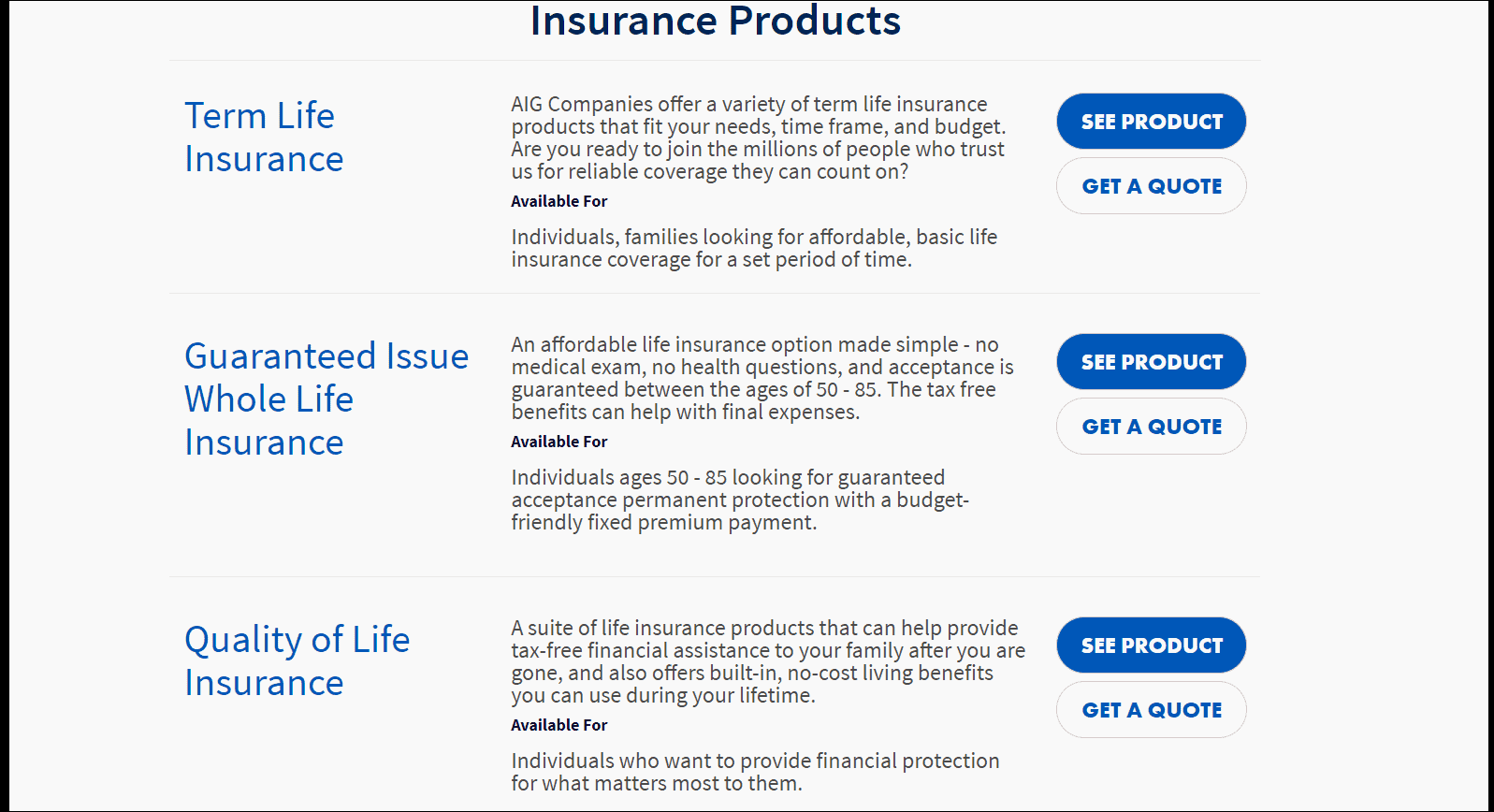
The primary engine of an insurance agent’s income is the First-Year Commission (FYC). When an agent places a term life, whole life, universal life, or indexed universal life (IUL) policy, the carrier pays a percentage of the first year's annualized premium.
- Term Life Insurance: Typically offers lower percentage payouts because the premiums are lower, but it provides a high volume of quick sales.
- Indexed Universal Life (IUL): Features higher premium amounts and complex cash value accumulation structures. Because these require deeper financial planning and underwriting navigation, the commission percentages can be substantial.
- Renewal Commissions: Paid in subsequent years (typically years two through ten at much lower percentages, such as 2% to 5%), providing a residual income stream that compounds as an agent builds a large book of business.
Captive vs. Independent Agent Contracts
An agent’s relationship with AIG or its distribution partners dictates their commission split:
- Captive or Career Agents: May receive office support, leads, or base stipends during an initial onboarding period, but their commission percentages are typically lower because the agency or general agency takes an override.
- Independent Producers / Independent Marketing Organizations (IMOs): Contracted through independent hierarchies. While they receive zero base salary or benefits, their commission schedules are much higher, and they can earn overrides by building downlines of sub-agents.
Understanding the ML Index in Insurance and Annuity Products
The reference to an "ML Index" in the context of AIG and its successor entities usually points to multi-asset allocation strategies or proprietary market-linked indices used within Indexed Universal Life (IUL) policies and Fixed Indexed Annuities (FIAs). These indices are designed to provide clients with growth potential tied to global markets while protecting principal from market downturns via a floor of zero percent.
How Multi-Asset and Market Indices Function
An insurance index is not a direct investment in a stock portfolio; rather, it is a crediting strategy. The performance of a specified index (such as a multi-asset volatility-managed index) over a crediting period determines the interest credited to the policy's cash value.
- Cap Rates and Participation Rates: Insurers manage their risk by applying caps, participation rates, or spreads to the index performance.
- Client Appeal: For agents, selling products tied to sophisticated index strategies requires explaining how clients can capture market upside without suffering direct losses during a market correction.
- Agent Impact: Complex products often carry higher target premiums and larger commission multipliers, but they also require rigorous compliance, continuing education, and adherence to suitability standards.
Factors Influencing an Agent's Annual Earnings
Because there is no guaranteed annual "salary" for independent insurance producers, actual earnings fluctuate based on several operational and market variables.
| Earnings Factor | Operational Impact on Agent Income |
|---|---|
| Commission Level (Contract Tier) | Higher volume moves agents to higher override tiers, increasing per-sale payouts. |
| Product Mix (Term vs. Permanent) | Selling IULs and annuities yields higher initial revenue than low-cost term policies. |
| Retention and Persistency | High policy lapse rates can lead to commission chargebacks within the first 12–24 months. |
| Acquisition & Marketing Costs | Independent agents must fund their own leads, CRM software, and office overhead. |
Production Bonuses and Conventions
Top-performing agents working with major carriers frequently qualify for production-based bonuses. These can include cash incentives, marketing co-ops, and attendance at annual trips or conferences. For high-tier producers, these bonuses can add a significant percentage to their annual gross income.
Chargebacks and Underwriting Hurdles
A crucial element of life insurance compensation is the chargeback risk. If an agent writes a large policy—perhaps utilizing an advanced ML index strategy—and collects a high first-year commission, but the client lapses on the policy within the first year (usually 12 months), the carrier recoups a pro-rata portion of that commission. Managing client retention is therefore essential for maintaining stable cash flow.
Regulatory Compliance and Professional Standards
Selling life insurance policies and index-linked accumulation vehicles requires strict adherence to state insurance regulations and federal guidelines. Financial professionals must hold active life and health insurance licenses in every state where they conduct business, along with specific state training for annuity sales if applicable.
Furthermore, regulatory bodies like the National Association of Insurance Commissioners (NAIC) and state departments of insurance enforce strict suitability standards. When an agent recommends a complex policy utilizing a multi-asset index, they must document that the product aligns with the client’s risk tolerance, time horizon, and financial objectives. Failure to meet these standards can result in license revocation, fines, and legal liability.
Frequently Asked Questions
Do AIG life insurance agents receive a base salary?
Most life insurance agents do not receive a traditional base salary. They operate on commission structures, overrides, and production bonuses. Some captive agency positions may offer a temporary training allowance or draw, but long-term earnings depend entirely on sales production and policy retention.
What is an ML index in life insurance and annuities?
An ML index (often referring to multi-asset or market-linked indices) is a crediting strategy used in Indexed Universal Life (IUL) insurance and Fixed Indexed Annuities (FIAs). It tracks the performance of a basket of global assets, allowing policyholders to earn interest based on market gains while protecting their principal from negative market downturns.
How are life insurance commissions paid out?
Commissions are typically paid as a percentage of the annualized premium. First-Year Commissions (FYC) are paid when the policy is approved and premium payments begin, often distributed as an advance followed by monthly reconciliations. Renewal commissions are paid in subsequent years at much lower percentages.
What happens to an agent's commission if a client cancels a policy?
Carriers enforce a chargeback period, typically lasting between 6 to 12 months. If a client cancels or lapses on their policy during this window, the insurance company deducts the unearned portion of the commission from the agent's future earnings.
Are specialized licenses required to sell index-linked insurance products?
In most jurisdictions, a standard life and health insurance license is required to sell Indexed Universal Life and fixed indexed annuities. However, agents must also complete mandatory product-specific training and continuing education courses regarding suitability before writing these contracts.
Conclusion and Next Steps
Evaluating the income potential of an AIG life insurance agent requires looking past the concept of a fixed salary and understanding the realities of commission-based financial sales. Success in this field relies on mastering complex product mechanics—such as multi-asset index crediting strategies—while maintaining rigorous compliance and client retention standards. For professionals considering this career path, reviewing specific agency contracts, understanding commission schedules, and building a sustainable client acquisition pipeline are the most critical initial steps.