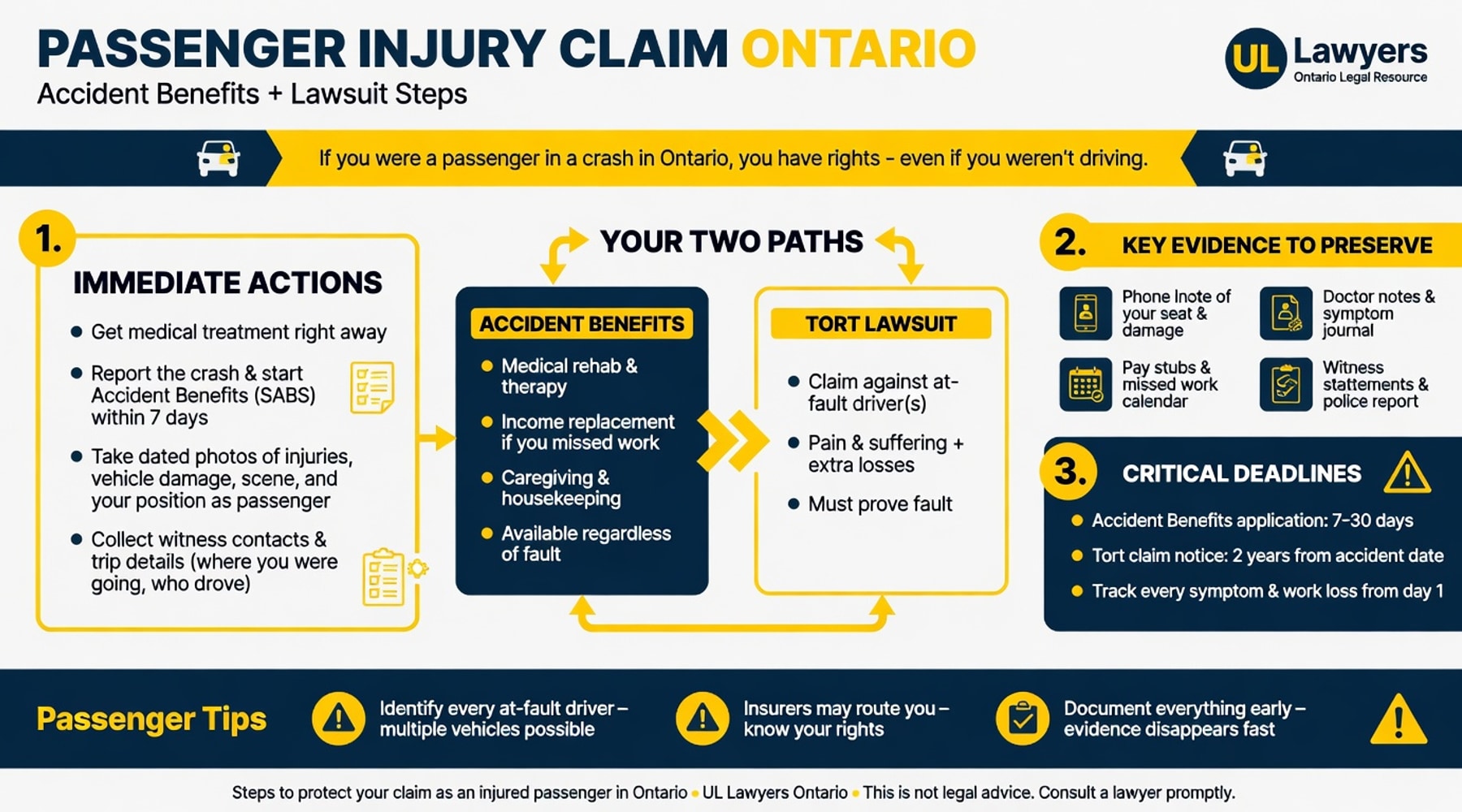
When you are involved in a motor vehicle accident, the process of filing an insurance claim typically centers on the vehicle damage and the policyholder's liability. However, if there were occupants in your vehicle at the time of the collision, you must report them as part of the claim. Adding a passenger to an auto insurance claim ensures that all potential medical expenses, bodily injury liabilities, and personal injury protection (PIP) benefits are properly documented, preventing significant legal and financial complications later in the adjustment process.
Understanding the Role of Passengers in Insurance Claims
In the landscape of auto insurance, a "passenger" is defined as any individual inside the insured vehicle, excluding the driver, at the time of an incident. Many policyholders mistakenly assume that because the passenger was not the one driving, they do not need to be mentioned unless they are visibly injured or demand compensation. This is a hazardous assumption. Insurance companies require a full disclosure of all occupants to determine the scope of potential liability and the applicability of various coverage types.
When you add a passenger to a claim, you are essentially creating a formal record of their presence. This record acts as the foundation for future medical claims. If a passenger claims an injury days or weeks after the accident—which is common with soft-tissue injuries like whiplash—the insurance adjuster will look back at the initial accident report. If the passenger was not listed, the insurer may investigate the validity of the claim more aggressively, potentially leading to delays or denials of coverage.
Immediate Steps to Take After an Accident
The process of documenting passengers begins at the scene of the accident. If you are involved in a collision, the following steps are essential to ensure the claim process remains smooth:
- Safety and Verification: Prioritize the health of all occupants. Once safety is secured, exchange information not just with the other driver, but also collect names, addresses, and phone numbers of every passenger in your vehicle.
- Police Reporting: When law enforcement arrives to create an accident report, ensure that every person in your car is identified to the officer. The police report serves as an objective third-party verification of who was present at the scene.
- Prompt Notification: Contact your insurance provider as soon as possible. When you open the claim, provide the full names and contact details of all passengers immediately. Do not wait for them to express pain or file a complaint.
- Documentation: Keep a personal log of who was in the vehicle. If the passengers are minors, ensure their legal guardians are notified and included in the correspondence.
How Coverage Interacts with Passenger Claims
The financial impact of adding a passenger to a claim depends heavily on the type of coverage you carry and the state in which the accident occurred. Insurance policies generally provide specific buckets of coverage for passengers:
- Bodily Injury Liability: If you are found at fault for the accident, your bodily injury liability coverage may pay for the medical expenses of your passengers. However, some policies include "intra-family" exclusions or limitations that prevent you from using your own liability coverage to pay for injuries sustained by household members.
- Personal Injury Protection (PIP) or Medical Payments (MedPay): In many jurisdictions, these are "no-fault" coverages. This means your policy will pay for the medical bills of your passengers regardless of who caused the accident. This is often the primary source of reimbursement for passenger medical costs.
- Uninsured/Underinsured Motorist Coverage (UM/UIM): If the accident was caused by another driver who lacks sufficient insurance, your UIM policy may cover the injuries of your passengers.
Comparison of Coverage Scenarios for Passengers
The following table summarizes how different coverage types interact with passenger claims:
| Coverage Type | Primary Purpose | Impact on Passenger Claim |
|---|---|---|
| Bodily Injury Liability | Covers others harmed by your negligence | Used when you are at fault for passenger injuries. |
| Personal Injury Protection (PIP) | Covers medical costs for you and your passengers | Primary source for immediate passenger medical needs. |
| Medical Payments (MedPay) | Covers medical expenses regardless of fault | Supplemental coverage for passenger medical bills. |
| Uninsured Motorist (UM) | Covers losses caused by uninsured drivers | Critical if the other party is at fault and has no insurance. |
Legal Implications of Not Reporting Passengers
Failing to report a passenger is often interpreted by insurance companies as a sign of potential insurance fraud. Adjusters are trained to look for discrepancies between the initial claim report and subsequent medical bills. If a passenger appears in a medical record but is absent from your initial claim filing, the insurance company may open a Special Investigation Unit (SIU) inquiry.
This suspicion can lead to the total denial of the passenger's medical claims. Furthermore, if you are found to have intentionally omitted information, the insurer may attempt to cancel your policy for material misrepresentation. In extreme cases, this can lead to legal action for insurance fraud, which carries both civil and criminal penalties. Reporting all passengers, even if they appear uninjured, is the most effective way to protect your policy standing and their legal rights.
Managing Passenger Expectations and Communication
When a passenger is involved in an accident, their needs may conflict with your own interests as the policyholder. A passenger may be encouraged by legal counsel or third parties to pursue a claim against your policy to maximize compensation. As the policyholder, your role is to provide the facts to your insurance company truthfully.
Avoid making promises or settlements directly with your passengers. Do not offer to pay their medical bills out of pocket, as this can complicate the insurance claims process and may invalidate certain policy protections. Direct all medical queries to your insurance adjuster, who is authorized to handle negotiations and payments. By maintaining a professional boundary, you protect yourself from personal liability and ensure the insurance contract functions as intended.
Common Pitfalls and Troubleshooting
Even with diligent reporting, challenges can arise during the claims process. Here are common issues and how to navigate them:
1. The Passenger Claims "Hidden" Injuries It is standard for passengers to report injuries days after an accident due to the adrenaline masking pain. If this happens, notify your insurance adjuster immediately. Do not attempt to discredit the passenger; simply provide the date they informed you of the injury and any details you have regarding their physical state at the scene.
2. Conflicting Statements If your passenger provides a version of events to the insurance company that contradicts your own, remain calm. The insurance company relies on multiple sources of evidence, including police reports, traffic camera footage, and repair estimates. Your job is to report the truth as you observed it. Consistency in your narrative is your strongest asset.
3. Involving Attorneys If a passenger retains an attorney, your communication with the passenger should decrease. Once legal representation is involved, the insurance company will handle all communication through their legal department or designated claims adjusters. You should provide the attorney's contact information to your insurer immediately.
Financial Impacts on Future Premiums
Many policyholders fear that adding passengers to a claim will cause their insurance rates to skyrocket. While claims involving injuries are generally viewed as "at-fault" or "major" incidents by underwriters, the cost of an increase is almost always lower than the legal and financial liability of a settled lawsuit or an unpaid medical lien.
In 2026, insurance markets remain highly sensitive to claim frequency and severity. An accident involving multiple injured passengers is classified as a "high-severity" claim. While this will impact your premiums, it is a necessary consequence of the event. Attempting to hide passengers to save on premiums is a high-risk strategy that rarely succeeds, as medical billing records will inevitably link the injuries back to the specific accident date and vehicle.
FAQs Regarding Passenger Claims
Q: Do I need to add a passenger to the claim if they say they are fine and do not want to see a doctor? Yes. You must report their presence regardless of their current physical state. Symptoms of soft-tissue injuries or concussions often take time to manifest. By reporting them, you ensure that if they do seek medical attention later, the claim is already established.
Q: Can a passenger sue me for injuries sustained in an accident I caused? Yes. In many jurisdictions, a passenger can bring a bodily injury claim against the driver's liability policy. This is the exact purpose for which liability insurance is purchased. If the damages exceed your policy limits, you could be held personally liable for the remainder.
Q: What if the passenger is a family member? Check your policy for "household exclusions." In some states, insurance policies exclude coverage for injuries to family members living in the same residence. You may need to rely on health insurance or PIP coverage instead of your liability coverage.
Q: Does it matter if the passenger was not wearing a seatbelt? Yes, it can matter. Some states have "comparative negligence" laws where the passenger's compensation could be reduced if it is determined that failing to wear a seatbelt contributed to the severity of their injuries. However, this is a legal determination for the insurance adjuster and potentially the courts to make, not you.
Q: What if I was not at fault for the accident? You still need to list all passengers. If the other driver is at fault, their insurance company will need the names of all occupants in your vehicle to process the bodily injury claims. Your documentation will assist in the subrogation process, where your insurer seeks reimbursement from the at-fault driver's carrier.
Conclusion and Next Actions
Adding a passenger to an auto insurance claim is not optional; it is a mandatory part of the claims process that ensures legal compliance and financial protection. By recording all occupants at the scene, reporting them promptly to your insurer, and allowing the professional adjusters to manage the liability, you effectively mitigate the long-term risks associated with a motor vehicle accident.
If you have already filed a claim but failed to list a passenger, contact your insurance adjuster immediately. Provide the passenger's information and explain that it was an oversight. While this may cause a temporary review of the claim, it is significantly better than having an insurer discover the existence of a passenger later through medical or legal channels. Always prioritize transparency with your insurance carrier to ensure that your policy remains in good standing and provides the coverage you have paid for.