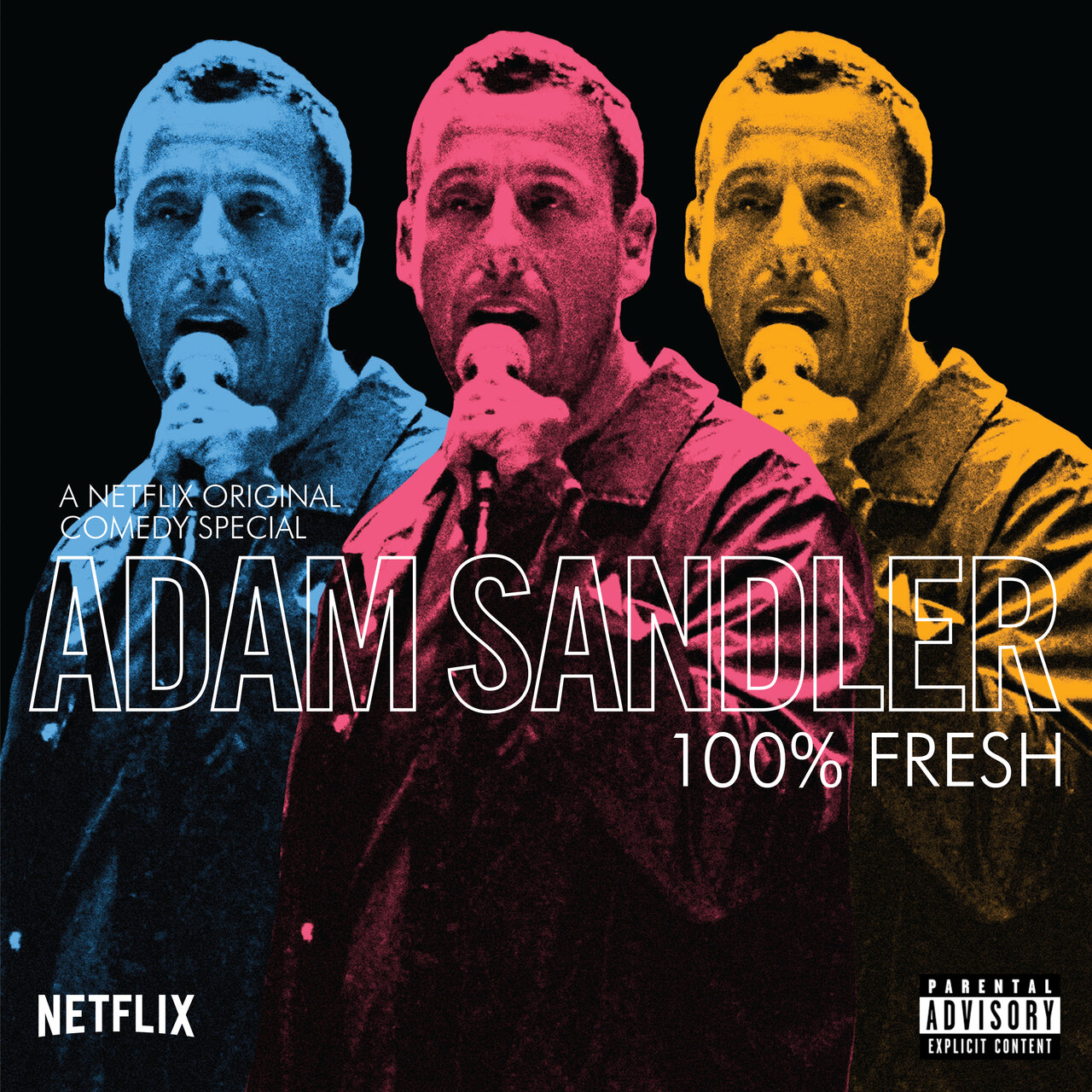
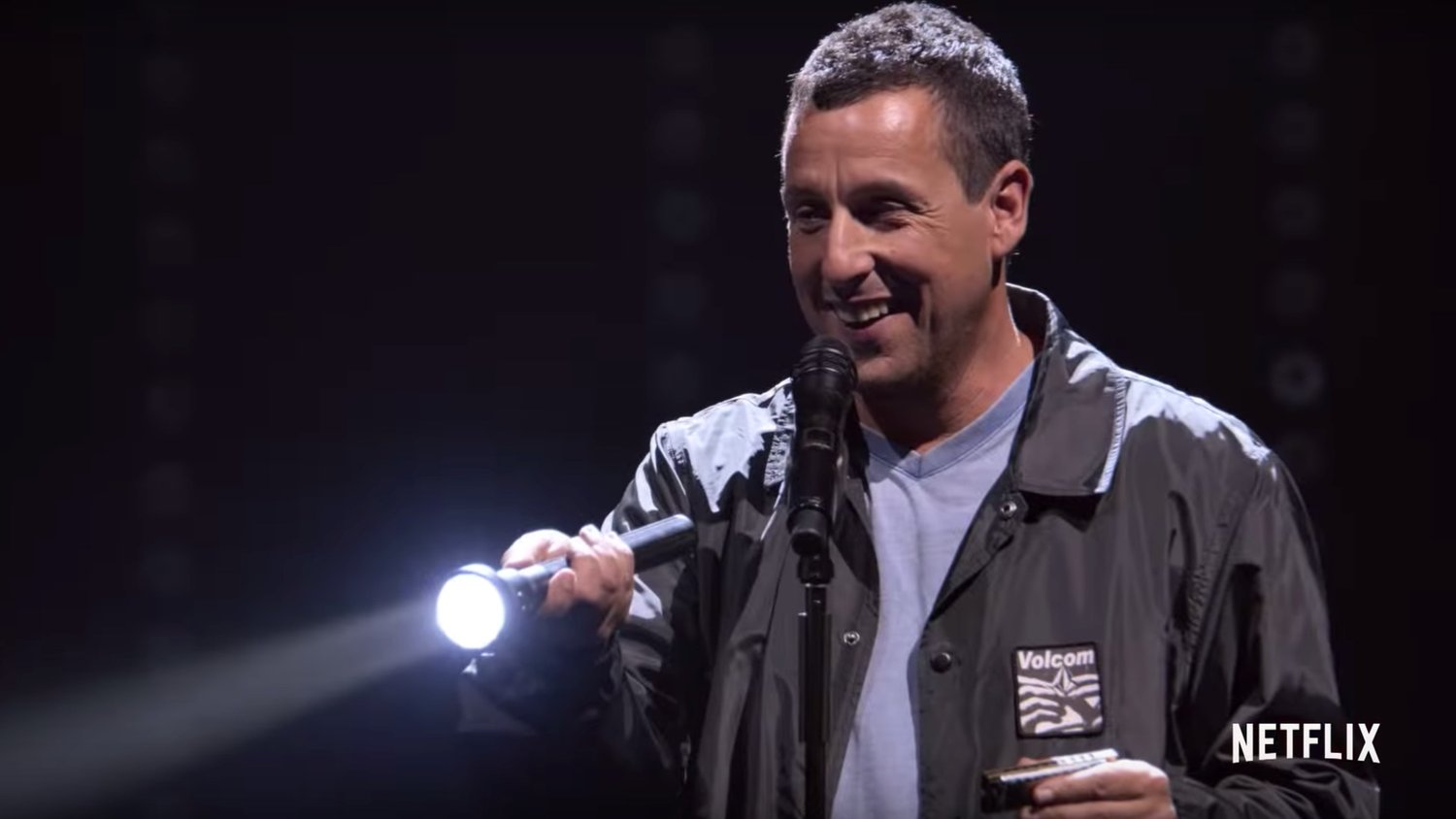
The title Adam Sandler: 100% Fresh refers to a 2018 stand-up comedy special released on Netflix, where the title serves as a direct, ironic nod to the critic-aggregator website Rotten Tomatoes. By achieving a rare "Certified Fresh" rating from critics, the special signaled a critical reappraisal of Sandler’s performance style, blending his signature absurdity with a newfound emotional vulnerability.
The Origin of the Title
For decades, Adam Sandler’s career was defined by a stark divide between audience adoration and critical dismissal. His films, while commercially lucrative, often received dismal scores on Rotten Tomatoes, the industry-standard website that aggregates professional film and television reviews. The platform uses a "Fresh" or "Rotten" binary system to summarize critical reception.
In 2018, when Netflix released his stand-up special, the company marketed it with a title that subverted this historical narrative. By calling the special 100% Fresh, Sandler was not merely bragging; he was creating a meta-commentary on his own career. At the time of its release, the special maintained a perfect 100% score on the site, providing a sense of irony that resonated with fans who had long felt his artistic contributions were undervalued by the establishment. It was a reclaiming of the critic’s language, turning a previously weaponized metric into a badge of honor.
Deconstructing the Special’s Format
Unlike traditional stand-up specials that rely on tight, chronological setups and punchlines, 100% Fresh is a collage-like experience. Directed by Steven Brill—a longtime collaborator—the special is filmed across various locations, including small clubs, concert halls, and even a subway station. This varied aesthetic was a conscious departure from the polished, big-budget comedy specials that dominated the Netflix platform at the time.
The content itself oscillates between the juvenile, high-energy musical comedy that made Sandler a household name on Saturday Night Live and profound, somber moments of reflection. He performs songs about his children, his aging process, and, most notably, a poignant musical tribute to his late friend and fellow comedian, Chris Farley. By mixing these tones, the special forces the audience to reconcile the "silly" Sandler of Billy Madison with the mature, melancholic performer he had become.
The Critical Reception and Cultural Context
The "100% Fresh" rating wasn't just a gimmick; it reflected a genuine shift in how critics viewed Sandler’s range. Throughout the 2010s, Sandler began to take on more serious, dramatic roles in films like The Meyerowitz Stories, which forced reviewers to reconsider his comedic instincts. When 100% Fresh was released, it arrived at a time when the "Sandler Renaissance" was becoming a popular topic in film journalism.
Critics noted that the special felt unscripted and raw. Because it was filmed in intimate settings, the audience laughter felt organic rather than manufactured. The combination of lo-fi production values and high-effort songwriting created an atmosphere of authenticity that critics found refreshing. The 100% score functioned as a validation of this evolution, signaling that Sandler was finally being judged on his own terms rather than against the expectations of his earlier, more polarizing projects.
Comparison: Traditional Stand-up vs. 100% Fresh
To understand why 100% Fresh stands out, one must compare it to the standard format of the late 2010s comedy boom. Most comedians followed a "theatre tour" model, aiming for maximum scale and perfect timing. Sandler, conversely, prioritized intimacy and spontaneity.
| Feature | Traditional Special | 100% Fresh |
|---|---|---|
| Setting | Single large arena or theater | Multiple intimate/random locations |
| Tone | Primarily punchline-driven | Mixture of musical, sad, and absurd |
| Production | Highly polished, multi-camera | Lo-fi, handheld, spontaneous |
| Narrative | Linear monologue | Episodic, song-based flow |
| Critic Focus | The strength of the jokes | The emotional arc and sincerity |
This distinction is crucial for viewers who might be confused by the special's structure. If a viewer approaches this expecting a traditional stand-up set, the rapid shifts in tone and location might feel disjointed. However, when understood as a musical diary of a middle-aged entertainer, the structure becomes the primary vehicle for the performance’s success.
Musical Comedy as a Narrative Tool
Music has always been the backbone of Adam Sandler’s comedic identity. From "The Chanukah Song" to "Lunchlady Land," his ability to craft catchy, nonsensical melodies served him well during his SNL tenure. In 100% Fresh, however, he elevates the music from simple comedic filler to narrative scaffolding.
The songs in the special serve as placeholders for his internal state. When he sings about the anxiety of parenting, he isn't just making a joke about diapers or tantrums; he is exploring the universal fear of losing one’s children to the inevitable passage of time. Because the music is delivered with his signature "Sandler voice"—often straining into a falsetto or shifting into a growl—the audience remains connected to the comedian they recognize, even while receiving more vulnerable subject matter.
Why the Title Still Matters in 2026
In 2026, 100% Fresh remains a significant milestone in digital comedy distribution. It serves as a case study for how a performer can pivot their public image through a single, well-executed project. By controlling the narrative through the title, Sandler prevented reviewers from framing his career through the lens of failure.
For aspiring comedians and performers, the special offers a lesson in "re-branding" through vulnerability. It proved that a star does not need to abandon their roots to gain new respect; they simply need to curate their presentation to allow for growth. The special remains a testament to the idea that comedic longevity depends on the artist's ability to remain "fresh"—not just in the eyes of the critics, but in their own capacity to evolve as an artist.
Frequently Asked Questions
What does it mean for a comedy special to be "Certified Fresh"? "Certified Fresh" is a specific designation on Rotten Tomatoes. While it is usually reserved for films that meet strict criteria regarding the number of reviews and their respective scores, the title of Sandler’s special playfully co-opts this metric to imply he has received the critical approval he was long denied.
Is 100% Fresh a documentary or a stand-up show? It is a hybrid. While it is primarily a stand-up comedy performance, the inclusion of interstitial documentary footage, travel, and non-traditional venues gives it a cinematic quality that separates it from standard stage-based comedy specials.
Did the special change how critics view Adam Sandler’s movies? To a significant degree, yes. The success of the special acted as a bridge between his slapstick origins and his more dramatic film work. It signaled to the industry that Sandler was a multifaceted performer capable of both high-brow emotional labor and low-brow comedy.
Why did Sandler choose such an unconventional directing style? The choice to work with Steven Brill and move away from a traditional stage setup was intended to reduce the distance between the performer and the audience. By performing in small, cramped spaces, Sandler recreated the intimacy of his early comedy club days, which allowed for a more genuine rapport with the audience.
Is there a soundtrack available for this special? Yes, the music from the special, including the songs performed, was released as an audio album. Many of the songs gained their own independent life on streaming services, highlighting the strength of the songwriting within the special.
Final Recommendation
For those looking to understand the modern trajectory of Adam Sandler’s career, watching 100% Fresh is an essential step. It is recommended to approach the special not as a traditional laugh-out-loud comedy show, but as a musical exploration of a performer’s life. Pay close attention to the transitions between the absurd songs and the heartfelt ballads, as this is where the true narrative of the special lies. If you are a fan of Sandler’s earlier work, look for the subtle callbacks to his SNL characters; if you are new to his work, focus on the musicality and the pacing to appreciate the unique "100% Fresh" approach to the medium.