Maintaining the structural integrity of a property requires proactive attention to the foundation and the underlying crawlspace. Acme Concrete Raising and Repair Inc. provides specialized interventions designed to stabilize settling concrete, address foundation deficiencies, and remediate crawlspace moisture or structural issues. By employing techniques such as mudjacking, polyurethane foam injection, and pier installation, the company assists property owners in extending the lifespan of their building structures while preventing common issues like uneven floors, wall cracks, and moisture-related decay.
The Role of Foundation and Crawlspace Maintenance
The stability of a home or commercial building is entirely dependent on the condition of its foundation and the environment within its crawlspace. In many regions, soil composition, moisture fluctuation, and poor drainage can lead to significant structural movement. When the soil beneath a foundation slab or footer shifts, the concrete settles unevenly, which manifests as cracks in masonry, doors that fail to latch, and uneven flooring.
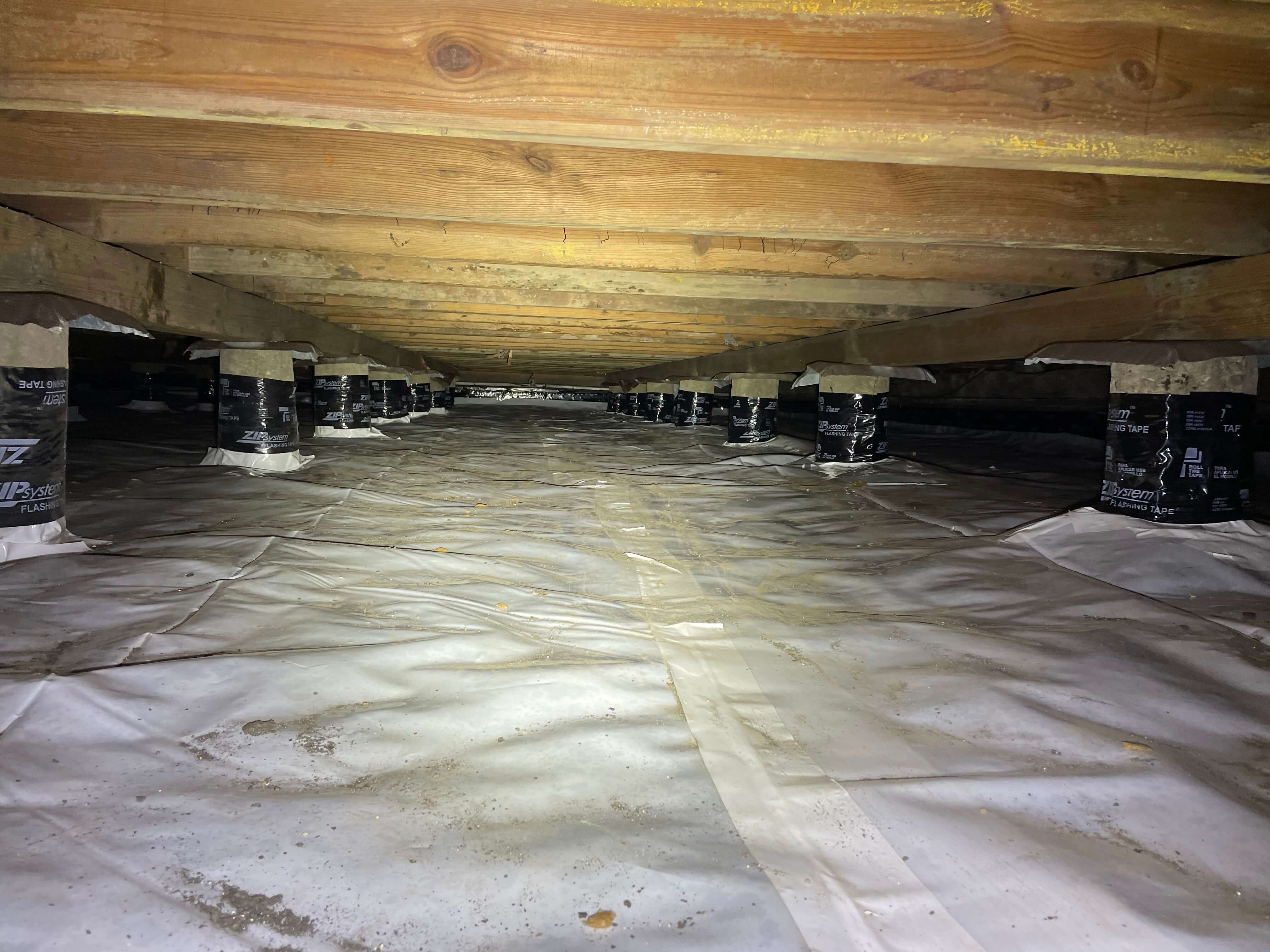
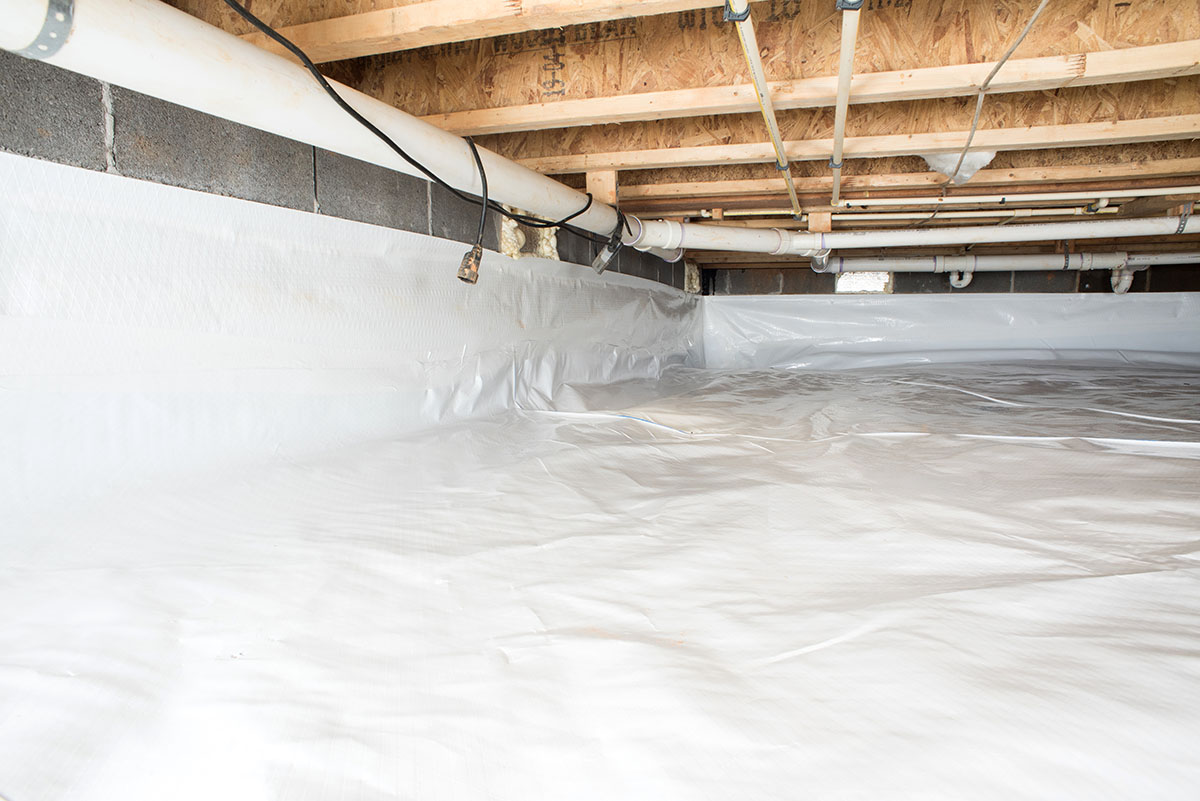
Crawlspaces, often ignored until a problem becomes acute, serve as a critical buffer zone. If this area is not properly ventilated or sealed, moisture accumulation can lead to mold growth, wood rot in floor joists, and pest infestations. Addressing these concerns requires a dual approach: stabilizing the physical concrete structure through raising or underpinning and managing the environmental conditions of the substructure.
Concrete Raising: Mudjacking and Polyurethane Injection
Concrete raising, commonly referred to as slabjacking, is a method used to lift sunken concrete slabs to their original position. Acme Concrete Raising and Repair Inc. utilizes two primary methodologies to achieve this: traditional mudjacking and modern polyurethane foam injection.
Mudjacking Explained
Mudjacking involves drilling strategic holes into the sunken concrete slab. A mixture of water, soil, sand, and cement—known as slurry—is pumped beneath the slab. As the material fills the voids created by soil erosion or compaction, it exerts hydraulic pressure, lifting the slab. This is a cost-effective solution for sidewalks, driveways, and garage floors that have experienced minor to moderate settling.
Polyurethane Foam Injection
Polyurethane foam injection is a more modern, less invasive alternative. The process is similar to mudjacking in that small holes are drilled, but the material used is a high-density, expanding structural polymer. The foam is injected beneath the slab, where it expands to fill even the smallest crevices and cavities. This method is preferred for its lightweight nature—which avoids adding unnecessary load to compromised soils—and its rapid curing time, which allows for foot traffic or vehicle use shortly after installation.
Foundation Repair Methodologies
When a foundation experiences significant structural compromise, simple concrete raising is often insufficient. Foundation repair, in the context of professional services like those offered by Acme, involves stabilizing the building’s load-bearing capacity.
- Piering and Underpinning: Steel piers are driven deep into the stable sub-strata beneath the home to bypass unstable soil layers. The home’s weight is then transferred to these piers, effectively stabilizing or, in some cases, lifting the foundation.
- Wall Anchors and Bracing: Bowing basement walls are a common sign of lateral earth pressure. Installing carbon fiber straps or steel wall anchors can prevent further inward movement of the foundation walls.
- Void Filling: Similar to concrete raising, filling voids beneath the foundation footing prevents future settling by ensuring the structure is fully supported across its entire perimeter.
Crawlspace Remediation and Stabilization
A healthy crawlspace is essential for home health and structural longevity. Remediation typically begins with an inspection to identify the source of moisture or the cause of structural sag.
- Vapor Barriers and Encapsulation: Installing a high-performance vapor barrier covers the exposed soil in the crawlspace, preventing groundwater evaporation from entering the home’s air supply. Encapsulation takes this a step further by sealing the vents and wall seams, creating a controlled environment.
- Structural Support: If floor joists have been compromised by moisture-induced rot or if the crawlspace footings are failing, supplementary support systems are required. Steel support jacks, or supplemental columns, are installed to re-level the floor and restore the load-bearing integrity of the home's framing.
- Drainage Solutions: Installing a perimeter drainage system or a sump pump is often necessary to divert water away from the foundation and crawlspace before it can cause damage.
Comparison of Foundation and Concrete Repair Solutions
Choosing the right intervention depends on the nature of the damage and the underlying soil conditions. The following table provides a breakdown of common techniques utilized in the industry to address these issues.
| Service Type | Primary Application | Key Advantage | Typical Turnaround |
|---|---|---|---|
| Mudjacking | Slabs, driveways, sidewalks | Cost-effective, uses natural materials | 24–48 hours |
| Polyurethane Injection | Sunken slabs, void filling | Minimal disruption, rapid cure | Immediate |
| Steel Piers | Foundation settling/cracking | Permanent stabilization | 2–5 days |
| Crawlspace Encapsulation | Moisture/humidity control | Improves air quality, stops rot | 2–4 days |
| Wall Anchors | Bowing foundation walls | Prevents further wall movement | 1–2 days |
Prerequisites for Professional Inspection
Before engaging a contractor for foundation or crawlspace work, property owners should perform a preliminary self-assessment. While a professional inspection is required for a formal quote, homeowners can collect data that will assist the expert in providing an accurate assessment:
- Documenting Cracks: Take photographs of cracks in foundation walls or interior drywall. Note whether these cracks are vertical, horizontal, or "stair-step" in pattern, as this indicates different types of structural stress.
- Moisture Observation: During a rain event, observe the grade of the soil around the house. Water should flow away from the foundation. Identify any areas where downspouts discharge water directly against the house.
- Level Assessment: Use a long level to check for significant slopes in the flooring, particularly in areas above the crawlspace.
Common Mistakes in Foundation Maintenance
Property owners often attempt "quick fixes" that can exacerbate structural issues. One of the most common mistakes is ignoring the grading around the perimeter of the structure. When the ground slopes toward the foundation, water collects against the walls, saturating the soil and creating hydrostatic pressure that pushes against the foundation.
Another mistake is attempting to patch cracks with cosmetic fillers without addressing the underlying movement. If the foundation is still shifting, a surface-level patch will eventually crack again, often hiding the progression of the structural problem from view. Finally, failure to maintain gutters and downspouts—specifically failing to extend downspouts several feet away from the foundation—is a frequent oversight that leads to expensive crawlspace and foundation repairs.
Frequently Asked Questions
How do I know if my foundation needs professional repair or just cosmetic patching? If cracks are larger than a quarter-inch, or if they show a diagonal "stair-step" pattern on brickwork, it is likely structural. Professional assessment is necessary whenever doors or windows begin to stick, as this indicates that the frame of the house has shifted.
Is polyurethane foam environmentally safe? High-density structural polyurethane foams used in the industry are inert once cured, meaning they do not leach chemicals into the surrounding soil. They are widely considered safe for use in residential applications.
Can crawlspace moisture cause health issues? Yes. Excessive moisture in a crawlspace promotes the growth of mold and mildew. These spores can enter the living area through a process known as the "stack effect," potentially leading to respiratory issues for the home's occupants.
How long does foundation piering last? Steel piers, when installed correctly into stable soil or bedrock, are considered a permanent solution. They are designed to support the home for the duration of its lifespan, provided that the soil conditions around the piers do not experience extreme geological changes.
Do I need to vacate my home during concrete raising? No. Most concrete raising and foundation repair processes are completed from the exterior or from within the crawlspace. Interior access is rarely required, and the noise levels are generally comparable to standard landscaping or construction work.
Recommended Next Steps
If you suspect structural instability or moisture issues within your crawlspace, the most effective next step is to schedule a professional evaluation. Contact a reputable firm like Acme Concrete Raising and Repair Inc. to perform a site assessment. Ensure the contractor provides a clear, written proposal that outlines the specific issues, the proposed technical solution, and an explanation of the expected results. Prioritize contractors who are licensed, insured, and willing to explain the "why" behind their chosen method, rather than those who offer a one-size-fits-all solution for your property’s foundation.