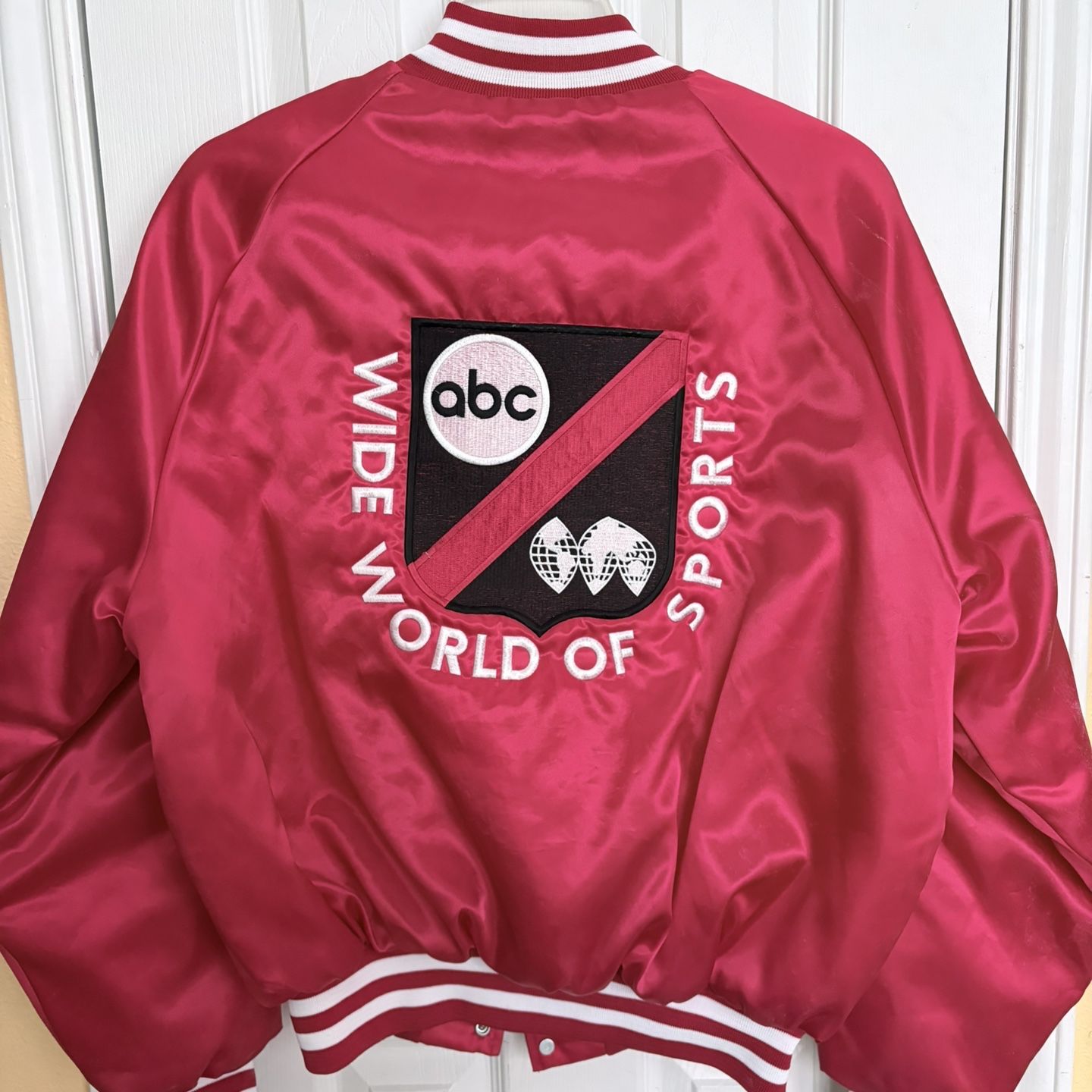
The iconic theme song for ABC’s Wide World of Sports is a foundational piece of American television history, characterized by its triumphant brass fanfares and driving percussion. Composed by Robert Israel and utilized throughout the program's multi-decade run, it became synonymous with the "thrill of victory and the agony of defeat," serving as the definitive auditory branding for the sports anthology series that premiered in 1961.
Origins and Compositional Context
ABC’s Wide World of Sports transformed the landscape of televised sports by focusing on events beyond the mainstream professional leagues. As the show grew in popularity, the need for a recognizable, high-energy musical identifier became paramount. The theme song was designed to convey global reach, athletic intensity, and the gravity of international competition.
The composition relies on a structure common in broadcast sports themes of the mid-20th century: a bold, attention-grabbing opening followed by a rhythmic, propulsive section that underscores the fast-paced nature of the visuals shown during the opening montage. The orchestration—heavily featuring trumpets and orchestral percussion—was intended to sound "official" and "monumental," elevating the broadcast from simple highlights to an event of cultural significance.
The Role of Robert Israel
While several pieces of music were associated with the show over its long tenure, the most recognized versions are credited to composer Robert Israel. Israel’s work for the network effectively captured the mid-century aesthetic of sports broadcasting. The theme was not just background audio; it was a rhythmic anchor for the show’s famous opening sequence, which featured high-speed clips of skiers, race car drivers, and gymnasts, all cut to the beat of the music.
Audio Characteristics and Branding
The Wide World of Sports theme song functions as a prime example of sonic branding. When listeners hear the staccato brass intro, they immediately associate it with the specific era of Jim McKay’s narration. The music was mixed to be punchy and dynamic, ensuring that it cut through the audio interference of 1960s and 1970s television speakers.
- Instrumentation: The heavy reliance on brass (trumpets, trombones) creates a sense of triumph and grandeur.
- Tempo: The mid-tempo, driving beat is optimized for rapid-fire video editing, allowing the producers to match cuts to the drums.
- Key and Modality: The track typically utilizes major keys to inspire feelings of accomplishment, a necessary tone for a show dedicated to the pursuit of excellence.
This sonic identity was so successful that it became a standard against which other sports anthology shows were measured. It helped define the "ABC Sports" brand, contributing to the distinct corporate identity that the network cultivated through the 1970s and 1980s.
The Cultural Impact of the Theme
Beyond its utility as an opening sequence, the theme song functions as a cultural touchstone. For generations of viewers, the first few seconds of the theme serve as an immediate trigger for nostalgia, recalling the specific Saturday afternoon ritual of tuning into the program.
The song’s relationship with the phrase "the thrill of victory and the agony of defeat" is crucial. This phrase, famously spoken by Jim McKay, was inextricably linked to the music. Because the theme played during the intro, it established the psychological baseline for the viewer: you were about to witness something extraordinary. The music provided the emotional context for the extreme highs and lows that the show promised to deliver.
Analytical Comparison of Sports Broadcast Themes
To understand the unique position of the Wide World of Sports theme, it is helpful to compare it to other prominent themes of the era.
| Feature | ABC’s Wide World of Sports | NFL on CBS | Olympic Fanfare (John Williams) |
|---|---|---|---|
| Primary Vibe | Triumphant/Anthological | Professional/Authoritative | Regal/Heroic |
| Core Instrument | Brass/Percussion | Brass/Orchestral | French Horns/Brass |
| Pace | Driving/Fast | Steady/Measured | Grandiose/Stately |
| Usage | Weekly Anthology | Recurring Event | Episodic/High-Stakes |
Preservation and Modern Availability
As of 2026, the original recordings of the Wide World of Sports theme song are largely held in the archives of ABC and the Walt Disney Company. Because the theme was created as a work-for-hire composition for broadcast, it is not widely available as a commercial music product in the same way a pop song would be.
However, the theme remains accessible to the public through various media channels:
- Broadcast Archives: Streaming services that house classic television episodes often feature the original, unedited intro with the full theme.
- Documentary usage: Many retrospectives on sports broadcasting use clips of the theme to establish context for the 1960s-1980s era of sports media.
- Educational Sound Libraries: Archivists studying the evolution of broadcast sound often reference the theme as a primary example of functional, event-based television music.
If you are looking to access the theme, searching for "Wide World of Sports intro" on authorized archival platforms is the most reliable method. Fans should be aware that unauthorized uploads on social media or video-sharing sites often suffer from audio compression or "copyright-safe" filters that degrade the fidelity of the original brass arrangements.
Common Misconceptions
There is often confusion regarding the authorship of various sports themes from that era. Because many broadcast themes used similar arrangements, listeners frequently conflate the Wide World of Sports theme with other ABC Sports identifiers, such as those used for Monday Night Football (notably the Bob Israel-arranged versions or the "Heavy Action" theme).
It is important to distinguish that while Robert Israel provided many arrangements for the network, the Wide World of Sports theme holds a distinct place in the catalog. It was specifically composed to bridge the gap between amateur sports, niche international competitions, and the high-production values of professional television.
Frequently Asked Questions
Who officially composed the Wide World of Sports theme? The theme is most prominently associated with composer Robert Israel, who served as a primary musical contributor for ABC Sports throughout the 1970s and 1980s.
Why does the theme sound so "big" and orchestral? The theme was designed to be played on mono and early stereo television speakers. By using high-register brass instruments and heavy percussion, the engineers ensured the music had high "cut-through," meaning it remained audible and impactful even on low-quality equipment.
Can I purchase the theme for personal use? Because the theme is protected intellectual property owned by the network, there is no official commercial soundtrack release of the theme song for personal consumption or licensing for non-professional projects.
How can I verify if I have the original version of the theme? Original versions will feature a clear, crisp brass section and a specific, punchy snare drum rhythm that matches the iconic, fast-paced 1960s-era video montage. Modern "re-recordings" often lack the specific character of the original brass brass sections.
Does the theme song have lyrics? No, the Wide World of Sports theme is an instrumental composition. Its power is derived entirely from its musical structure, which serves to frame the voiceover narration that introduces the program’s global scope.
Recommendations for Further Exploration
For those interested in the preservation of television history, the best next step is to explore the Paley Center for Media archives. The center maintains extensive records regarding the production of 20th-century television, including technical notes on the broadcast music of the era. If you are researching the specific compositional techniques used in the 1960s, analyzing the shift from orchestral scores to more driving, percussion-heavy "broadcast identities" provides a comprehensive look at how television networks used sound to capture the attention of a domestic audience.