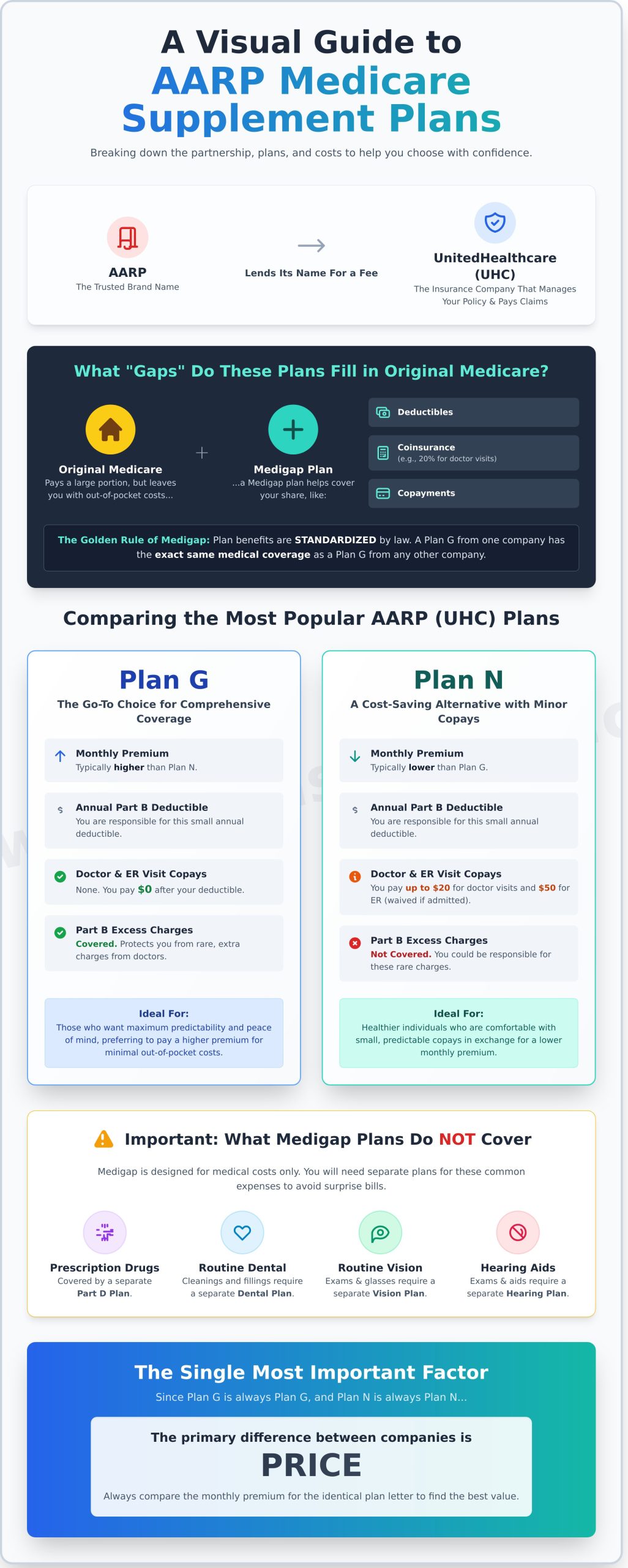
The cost of AARP Medicare Supplement Insurance plans—which are underwritten and insured by UnitedHealthcare—is determined by a complex interplay of geography, age, health status, and the specific standardized plan letter chosen. Because these plans are supplemental to Original Medicare, premiums vary significantly by state and individual risk profile, making it essential to evaluate your personal coverage needs against local rating structures.
The Foundation of Medicare Supplement Pricing
Medicare Supplement Insurance, commonly referred to as Medigap, is designed to fill the "gaps" in Original Medicare (Part A and Part B). While the federal government mandates that these plans be standardized—meaning a Plan G in one state offers the same basic benefits as a Plan G in another—it does not regulate the premiums charged by private insurance carriers.
When researching AARP Medicare Supplement plan costs, it is vital to recognize that you are dealing with a private contract. The AARP brand, in this context, is licensed to UnitedHealthcare. Therefore, the pricing, underwriting, and administrative processes are governed by UnitedHealthcare’s actuarial models and individual state insurance department regulations.
Key Factors Influencing Your Premium
Several variables dictate how much you will pay for an AARP-branded Medigap policy. Understanding these is the first step in managing your long-term healthcare budget.
- Community vs. Issue-Age Rating: The most significant factor is the state’s regulatory environment regarding rate increases. In "community-rated" states, premiums are generally the same for all policyholders regardless of age. In "issue-age" states, your premium is based on the age you are when you first purchase the policy, meaning it will not increase simply because you get older. "Attained-age" rated states adjust premiums as you age, which often leads to higher costs over time.
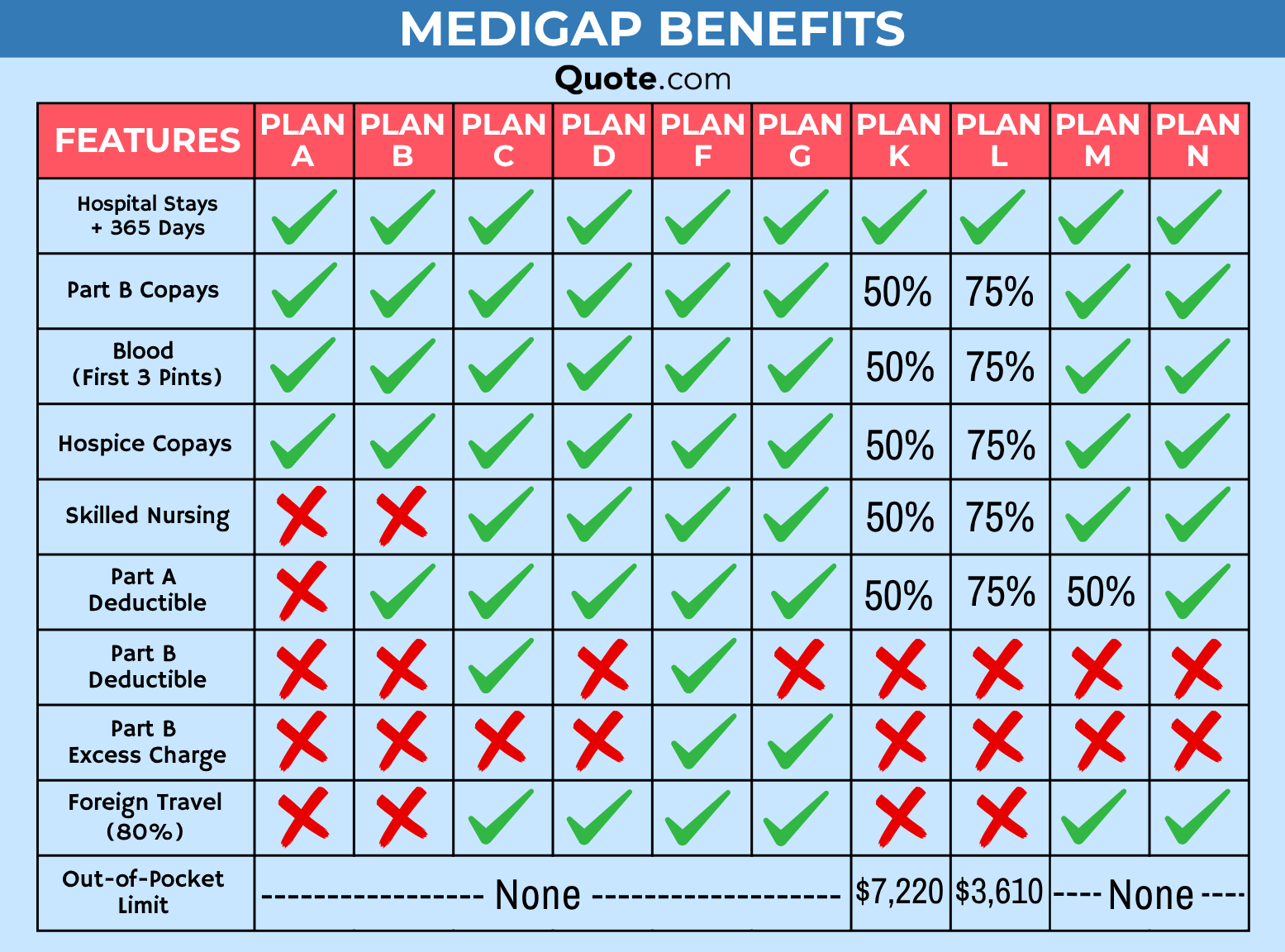
- The Chosen Plan Letter: Plans are categorized by letters (A, B, C, D, F, G, K, L, M, N). Plans that cover more out-of-pocket costs, such as Plan G, typically carry higher monthly premiums than plans with more cost-sharing, like Plan N.
- Medical Underwriting: If you are outside of your one-time Medigap Open Enrollment Period (the six-month window starting the month you turn 65 and enroll in Part B), you may be subject to medical underwriting. In these instances, your health history could result in higher premiums or even a denial of coverage, depending on your state’s laws.
- Household Discounts: Many UnitedHealthcare-insured AARP plans offer discounts if more than one member of a household carries an AARP Medicare Supplement policy. This can reduce the net cost of the premiums significantly.
Comparing Standardized Medigap Plans
To make an informed financial decision, you must compare the cost of premiums against the potential cost of services. The following table illustrates the general structure of the most popular plans available as of 2026.
| Plan Feature | Plan G | Plan N | Plan K |
|---|---|---|---|
| Part A Coinsurance | 100% | 100% | 100% |
| Part B Coinsurance | 100% | 100%* | 50% |
| Part A Deductible | 100% | 100% | 50% |
| Skilled Nursing Coinsurance | 100% | 100% | 50% |
| Foreign Travel Emergency | 80% | 80% | N/A |
*Plan N requires copayments for some office visits and emergency room visits.
The Role of the Open Enrollment Period
The single most important factor regarding the affordability of any Medigap plan is the timing of your enrollment. During your six-month Medigap Open Enrollment Period, federal law prohibits insurance companies from using medical underwriting. This means they cannot charge you more or refuse to sell you a policy due to pre-existing conditions.
If you miss this window and attempt to purchase a policy later, you lose these federal protections in most states. When you apply after this period, the insurer can evaluate your health status. If you have significant health challenges, your quoted cost may be significantly higher than the standard rate, or you may be ineligible for coverage entirely. Securing a policy during your initial window is the primary way to lock in "preferred" pricing structures.
Geographic Impact on Costs
Medicare Supplement costs are highly localized. Insurance carriers file rate structures with the state department of insurance for every county they serve. A policyholder in a dense urban area may pay a different premium than someone in a rural region of the same state, even if the policy letter and benefits are identical.
In 2026, many insurance carriers, including those managing AARP-branded plans, have adjusted premiums to account for regional healthcare inflation. When reviewing online quotes, you must input your specific ZIP code, as national averages are rarely representative of your actual out-of-pocket liability.
Hidden Costs and Premium Escalations
It is a common misconception that once you select a Medicare Supplement plan, the premium is fixed for life. In reality, premiums are subject to change based on the carrier's annual filings.
- Annual Rate Adjustments: Even in issue-age states, carriers can apply for rate increases due to rising healthcare costs. These increases usually apply to all policyholders within a specific "block of business."
- AARP Membership Fees: AARP Medicare Supplement insurance plans generally require that you be a member of AARP to enroll. You must account for the annual cost of AARP membership—currently a nominal fee—when calculating the total annual expense of maintaining your health insurance coverage.
- Administrative or Processing Fees: While less common for standard premiums, some payment plans (e.g., monthly versus annual billing) may involve minor administrative differences. Paying annually or semi-annually can sometimes yield a discount compared to monthly automatic drafts.
Evaluating Value Beyond the Premium
When analyzing "costs," many consumers focus exclusively on the monthly premium. However, the true cost of a healthcare plan is the sum of the premium plus your expected out-of-pocket expenses.
If you are a frequent user of medical services, a plan with a higher monthly premium but lower out-of-pocket exposure (like Plan G) might be more cost-effective than a plan with a lower premium but higher cost-sharing (like Plan N or K). Expert financial planners often suggest calculating your total "annualized health expenditure," which includes:
- Annual Premium cost (Monthly Premium x 12).
- Average annual copayments/coinsurance based on your usage history.
- Any applicable deductibles.
By totaling these three figures for different plan options, you can move beyond simple premium comparisons to find the plan that offers the lowest total cost of ownership.
How to Request Accurate Quotes
To obtain precise, reliable cost information for AARP-branded Medicare Supplement plans, utilize the official UnitedHealthcare Medicare website. This portal allows you to enter your ZIP code, gender, age, and tobacco-use status to receive a quote specific to your demographic.
Avoid third-party lead-generation websites that promise "lowest rates." These sites often collect your data for solicitation purposes and may not provide accurate or updated pricing from the actual carrier. Always verify that the information you are viewing comes from the official UHC-AARP partnership platform.
Frequently Asked Questions
Does AARP offer Medicare Supplement plans for everyone? AARP Medicare Supplement plans are available to AARP members who are eligible for Medicare. However, availability varies by state, and certain plans may be restricted depending on your age and when you first became eligible for Part B.
Can my premium increase after I enroll? Yes. While some states have rules that limit how much premiums can increase due to age, insurance companies may still increase premiums for all policyholders in a specific plan due to general healthcare cost inflation or regional adjustments, provided they receive approval from the state's insurance department.
Do I have to pay for an AARP membership to keep my plan? Generally, you must be a member of AARP to purchase or renew an AARP-branded Medicare Supplement policy. The membership cost is separate from the insurance premium and must be maintained to keep the policy active.
Does medical history affect my premium if I am in my Open Enrollment period? No. During your six-month Medigap Open Enrollment Period, federal law protects you from medical underwriting. Your premium will be determined by the insurance company’s standard rate for your area, not by your health history.
Are there plans that cover the Part B deductible? As of 2026, individuals who became eligible for Medicare on or after January 1, 2020, cannot purchase Medigap plans that cover the Part B deductible (such as Plan C or Plan F). If you were eligible for Medicare before this date, you may still be able to purchase those plans if they are offered in your state.
Final Recommendations
To manage your healthcare costs effectively in 2026, begin by confirming your eligibility for an Open Enrollment period, as this is your best chance to secure the lowest rate. Once confirmed, visit the official UnitedHealthcare portal to compare plans based on your specific location. Perform an annualized cost projection by combining your 12-month premium total with your expected out-of-pocket usage. If you have questions regarding your specific plan's renewal terms or potential for rate changes, contact the insurance provider directly to request their historical rate adjustment filing for your specific zip code.