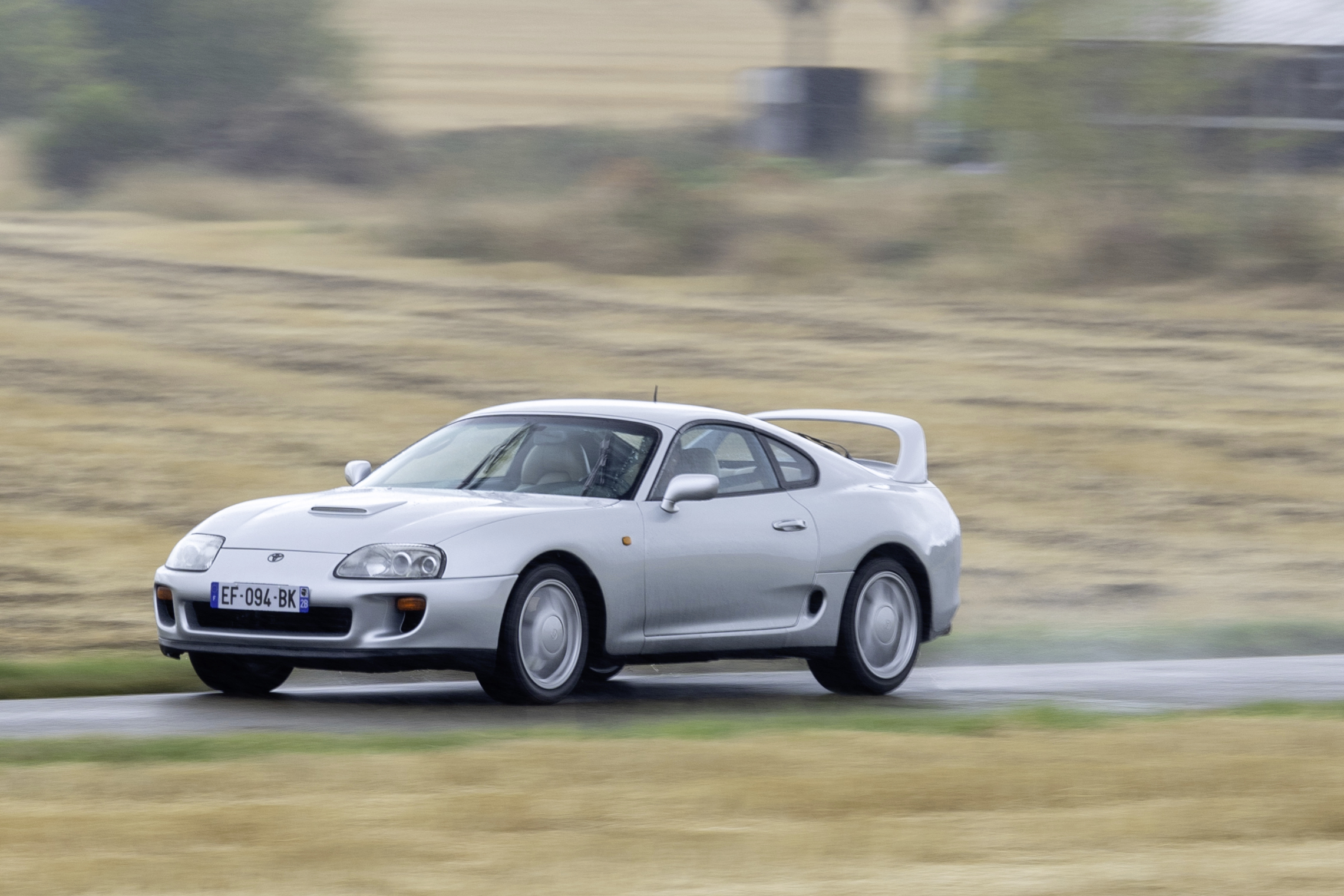
A retro-modern hybrid conversion of the 1983 Toyota Supra (A60) involves integrating a modern gasoline-electric powertrain into the classic "Mark II" chassis. This project preserves the iconic 80s wedge-shaped aesthetic and pop-up headlights while replacing the original 5M-GE engine with a high-efficiency, high-torque hybrid system, typically sourced from contemporary Toyota or Lexus donor vehicles.
The 1983 Toyota Supra, known formally as the Celica Supra in the North American market, represents a pinnacle of early 1980s grand touring design. However, as we navigate 2026, the original mechanical components—while legendary—often struggle to meet modern standards for fuel efficiency, reliability, and low-emission zone compliance. The "retro-modern hybrid" movement seeks to bridge this gap, offering a solution for enthusiasts who refuse to retire their classic steel but demand 21st-century performance.
The Foundation: Why the 1983 A60 Chassis?
The second-generation Supra (A60), produced from 1981 to 1985, is the ideal candidate for a hybrid restomod due to its balanced proportions and historical significance. In 1983, the Supra was distinguished from the standard Celica by its lengthened wheelbase and an aggressive front-end design necessary to house the inline-six engine.
Structural Compatibility
The A60 features a front-engine, rear-wheel-drive layout. This configuration provides a longitudinal engine bay that, while designed for a long 2.8L straight-six, offers surprising flexibility for modern hybrid modules. The transition to a hybrid system requires significant space not just for the Internal Combustion Engine (ICE), but for the Power Control Unit (PCU) and high-voltage cabling. The Supra’s engine bay width is sufficient to accommodate the auxiliary electronics required for a modern Toyota Hybrid System (THS).
The Aesthetic Appeal
The 1983 model year is particularly sought after for its "P-Type" (Performance Type) flares and the iconic "Digital Dash" available in some markets. For a retro-modern hybrid, the digital dashboard provides a perfect canvas for integration. A modern builder can "reskin" the 1980s vacuum fluorescent display (VFD) aesthetics using modern LCD screens, allowing the hybrid system’s energy flow and battery state-of-charge (SOC) to be monitored in a way that feels period-correct.
Selecting the Hybrid Powertrain
In 2026, several Toyota-sourced hybrid powertrains are available for a conversion project. The choice depends on whether the builder prioritizes raw performance or maximum fuel efficiency.
The Performance Path: Lexus Multi-Stage Hybrid
The most ambitious retro-modern builds utilize the 3.5L V6 Multi-Stage Hybrid System. This system is designed for rear-wheel-drive applications and provides a "shift feel" that mimics a traditional 10-speed automatic, which is more appropriate for a sports car like the Supra than a standard eCVT.
- Total System Power: Approximately 354 horsepower.
- Torque: Instantaneous electric torque helps the heavy A60 chassis feel much lighter off the line.
- Challenges: This setup requires a custom transmission tunnel and extensive modification to the firewall.
The Efficiency Path: 2.5L Dynamic Force Hybrid
Sourced from the modern RAV4 or Camry Hybrid, this inline-four hybrid system is more compact. While it lacks the "six-cylinder soul" of the original 5M-GE, it offers nearly double the fuel economy and significantly reduced maintenance.
- Total System Power: Approximately 215–240 horsepower.
- Weight: The lighter engine helps offset the weight of the battery pack, maintaining the Supra’s front-to-rear balance.
Engineering the Conversion: Technical Requirements
Converting a 40-year-old vehicle to a hybrid is not a simple "bolt-in" procedure. It requires a holistic approach to automotive engineering, focusing on three primary pillars: Integration, Safety, and Weight Management.
1. High-Voltage Battery Placement
The biggest challenge in an A60 Supra hybrid is the battery. Modern Lithium-Ion or Nickel-Metal Hydride packs are heavy and require specific cooling.
- Location: The most common location is the spare tire well or behind the rear seats. This helps with weight distribution, moving the center of mass closer to the rear drive wheels.
- Cooling: Custom air ducting must be fabricated to ensure the battery remains within its optimal temperature range (typically 25°C to 40°C), often involving the use of the vehicle's existing or upgraded HVAC system.
2. Electronic Control Unit (ECU) Mapping
A 1983 Supra uses primitive analog and early digital sensors. A hybrid system relies on a high-speed CAN (Controller Area Network) bus.
- The Bridge: Builders use "bridge" modules that translate signals from the old-school throttle pedal and steering rack into data packets the modern Hybrid Vehicle (HV) ECU can understand.
- Regenerative Braking: Integrating "regen" into a 1983 chassis requires a modern brake-by-wire master cylinder. This allows the electric motor to slow the car down, recharging the battery, before the mechanical friction brakes engage.
3. Suspension and Chassis Reinforcement
The A60 Supra was not designed for the instantaneous torque of an electric motor. The original unibody can flex under the stress of 300+ lb-ft of torque delivered at 0 RPM.
- Reinforcement: Stitch welding the chassis seams and adding a custom subframe to the rear helps manage the torque loads.
- Spring Rates: With the added weight of the hybrid battery (roughly 150–250 lbs), higher spring rates and modern adjustable dampers are mandatory to prevent "bottoming out" and to preserve the Supra's legendary handling.
Performance Comparison: 1983 Original vs. 2026 Hybrid Restomod
The following table highlights the radical shift in performance and efficiency achieved through a hybrid conversion.
| Specification | 1983 Toyota Supra (Stock 5M-GE) | 2026 Retro-Modern Hybrid (Lexus 3.5L Swap) |
|---|---|---|
| Engine Type | 2.8L Inline-6 (Analog EFI) | 3.5L V6 + Dual Electric Motors |
| Horsepower | 150 hp | 354 hp (Total System) |
| Torque | 159 lb-ft | ~350 lb-ft (Combined) |
| 0-60 MPH | ~8.4 Seconds | ~4.8 Seconds |
| Fuel Economy | ~19 MPG Combined | ~38 MPG Combined |
| Drivetrain | 5-Speed Manual / 4-Speed Auto | Multi-Stage Hybrid Transmission |
| Emissions | Pre-OBD (High Carbon) | Euro 7 / SULEV 30 Compliant |
The "Retro" Interior: Modern Tech, Classic Look
For many, the soul of the 83 Supra is the cockpit. A successful retro-modern hybrid must respect this.
- Infotainment Integration: Rather than cutting the dashboard for a modern double-DIN head unit, many restorers use a hidden Bluetooth system or a "Retrosound" head unit that looks like a 1980s radio but controls modern features.
- Digital Gauges: Using an OLED panel behind the original instrument cluster housing allows the builder to display the "Hybrid Synergy Drive" energy monitor while using a font and color scheme that matches the 1983 aesthetics.
- Upholstery: Period-correct "Supra" embroidered cloth or leather is often retained, but with modern heating and cooling elements integrated into the seat cushions, powered by the 12V DC-DC converter from the hybrid system.
Cost and Logistics of the Build
Building an 83 Supra hybrid is a premium endeavor. In 2026, the cost of a donor hybrid system has stabilized, but the custom fabrication labor remains high.
- Donor Vehicle/Parts: A salvaged Lexus or Toyota hybrid powertrain can range from $5,000 to $12,000 depending on mileage and year.
- Fabrication Labor: Custom mounts, wiring harnesses, and battery enclosures can easily add $15,000 to $25,000 in specialized labor.
- The Base Car: A clean, rust-free 1983 Supra chassis now fetches between $10,000 and $20,000 due to its "classic" status.
- Total Investment: Expect a high-quality, professional hybrid conversion to cost between $40,000 and $65,000, including the price of the car.
Common Pitfalls and Troubleshooting
- EMI (Electromagnetic Interference): High-voltage cables can interfere with the car's original AM/FM radio and sensitive analog sensors. Using shielded cabling and proper grounding is critical.
- Weight Distribution: Placing the battery too far back can lead to "pendulum" handling. It is often better to use smaller, modular battery packs spread throughout the chassis.
- Software Locks: Modern Toyota ECUs are highly secured. Most builds require a standalone hybrid controller or a "hacked" OEM ECU that bypasses immobilizer and security handshakes designed for the donor car.
FAQs
Can I keep the manual transmission in a hybrid Supra?
It is technically possible but extremely difficult. Most Toyota hybrid systems use a power-split device (eCVT) that replaces the transmission entirely. A "manual" hybrid would require a "parallel hybrid" setup, like the old Honda IMA system, or a custom-engineered motor-adapter plate between the ICE and the original W58 5-speed gearbox.
Is an 83 Supra hybrid conversion street legal?
In most jurisdictions, yes, provided the car passes a safety inspection and the new engine meets the emissions standards of the year the engine was produced (not the car). In California, for example, the conversion must be certified by a BAR (Bureau of Automotive Repair) referee to ensure the donor engine's emissions equipment is fully functional.
How long does the battery last in a hybrid conversion?
In 2026, modern lithium-ion batteries are designed for a 10-15 year lifespan. Because a restomod is typically driven fewer miles than a daily driver, the battery may last even longer, provided it is kept at a proper state of charge and not allowed to sit completely discharged for months.
Does the conversion affect the car's value?
For "purist" collectors, any modification reduces value. However, for the "restomod" market, a professionally executed hybrid conversion can significantly increase value, as it makes the car more usable, faster, and unique.
Can I use a plug-in hybrid (PHEV) system instead?
Yes. Using a RAV4 Prime powertrain would allow for a 1983 Supra with roughly 40 miles of pure electric range. However, the battery pack for a PHEV is significantly larger and heavier, which would likely require sacrificing the entire trunk space and rear seats of the Supra.
Practical Recommendations
If you are considering an 83 Toyota Supra retro-modern hybrid, start by sourcing a "P-Type" chassis with a straight body, even if the engine is non-functional. Prioritize the electrical integration early in the planning phase; the hardware (engine/motor) is often easier to fit than the software (ECU/CAN bus) is to calibrate.
For those without an engineering background, consult with a specialized restomod shop that has experience with EV or hybrid swaps. The complexity of high-voltage systems (often exceeding 300V-600V) poses a genuine safety risk to the untrained builder. Finally, ensure that your braking and suspension upgrades are completed before the powertrain is installed, as the added weight and torque will immediately reveal any weaknesses in the original 1983 components.