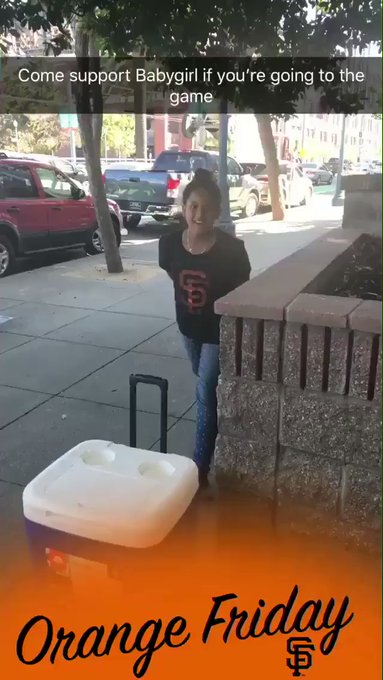
Helping an 8-year-old sell water is a practical way to teach entrepreneurship, financial literacy, and social skills. To succeed in 2026, parents must navigate local "lemonade stand" laws, ensure physical safety near traffic, and help the child manage basic costs. While usually legal without a permit for minors in most states, verifying local municipal codes is the essential first step.
The concept of a child selling water on a sidewalk might seem like a simple rite of passage, but in the modern era, it sits at the intersection of local commerce laws, community policing, and developmental education. Whether your child is inspired by a hot summer day or a viral story of a young entrepreneur, the role of the parent has shifted from a passive observer to a "compliance officer" and mentor. This guide explores every facet of managing this micro-business, from the legal history that shaped current protections to the practical logistics of inventory and safety.
The Legal Landscape: Understanding "Lemonade Stand" Laws
For decades, children’s beverage stands existed in a legal gray area. However, several high-profile incidents between 2015 and 2020—most notably the 2018 "Permit Patty" incident where a child in San Francisco was threatened with police action for selling water without a permit—led to a nationwide legislative movement.
As of 2026, the majority of U.S. states have passed specific "Lemonade Stand Laws" or small business exemptions that explicitly allow minors to operate temporary businesses without the burden of expensive commercial permits or health department inspections.
State-Level Exemptions
States like Texas, Utah, Colorado, and New York were among the first to pass legislation protecting young entrepreneurs. These laws generally state that as long as the business is owned and operated by a minor, is temporary in nature, and stays under a certain revenue threshold (often $500 to $1,000 per year), no permit is required.
Municipal Nuances
Even if your state has a blanket exemption, local Homeowners Associations (HOAs) or specific city ordinances regarding "obstruction of public right-of-way" may still apply. If an 8-year-old sets up a cooler on a narrow public sidewalk and forces pedestrians into the street, a permit isn't the issue—safety and public access are. Always ensure the stand is situated on private property (like your driveway) or in a designated "free speech" or "community market" zone if available.
The History of "Permit Patty" and Its Lasting Impact
It is impossible to discuss an 8-year-old selling water without acknowledging the 2018 incident involving Jordan Rodgers and Alison Ettel. Rodgers, then 8 years old, was selling water outside her home in San Francisco to fund a trip to Disneyland. Ettel, a neighbor, was recorded calling the police because the girl did not have a permit.
The backlash was swift and global, highlighting several critical issues:
- Over-policing of Minor Activities: The incident sparked a conversation about why law enforcement resources were being suggested for a child's sidewalk stand.
- Racial Dynamics: The event highlighted how children of color are often scrutinized more harshly in public spaces, leading to the "Permit Patty" moniker.
- Legislative Reform: Companies like Country Time Lemonade launched "Legal-Ade," a campaign that helped pay for fines and lobbied for the "lemonade stand laws" we see today.
For a parent in 2026, this history serves as a reminder to be aware of the social and legal environment. Knowing your rights—and your child's rights—ensures that a fun afternoon doesn't turn into a legal or social confrontation.
Setting Up the Micro-Business: Operations and Logistics
An 8-year-old is at the perfect developmental stage to understand the relationship between effort, cost, and reward. To turn a water stand into a learning experience, follow these operational steps.
Sourcing and Inventory
Teaching a child about the "Cost of Goods Sold" (COGS) is vital. Do not simply give them the water; have them accompany you to the store and "invest" their own allowance or a small loan from you.
- Wholesale Clubs: Buying in bulk (e.g., Costco or Sam’s Club) significantly lowers the per-unit cost.
- The "Eco" Angle: In 2026, many consumers are wary of single-use plastics. Consider selling chilled filtered water in compostable cups or offering a discount to people who bring their own reusable bottles.
Pricing Strategies
At age 8, math skills are still developing. Keep pricing simple.
- Round Numbers: Selling a bottle for $1 or $2 makes the math easy for the child and the customer.
- Bundling: "One bottle for $1, three for $2.50" introduces the concept of volume discounts.
- Payment Methods: While cash is king for kids, many adults in 2026 do not carry physical currency. Setting up a QR code for a parent-managed Venmo or CashApp account can double your sales volume, provided the parent monitors the transactions in real-time.
Location Selection
The best product in the world won't sell in a desert (ironically).
- High Visibility: Choose a spot with consistent foot traffic, such as near a park entrance, a local community yard sale, or a popular walking trail.
- Shade and Comfort: An 8-year-old will lose interest quickly if they are overheated. A beach umbrella or a pop-up canopy is essential for both the vendor and the product. Ice melts fast in direct sun.
Safety Protocols for Young Vendors
Safety is the non-negotiable priority when an 8-year-old is engaging with the public.
Supervision Levels
At 8 years old, a child should never be left entirely alone at a stand. While you want them to take the lead in talking to customers, a parent should be within sight and earshot (e.g., sitting on the porch or at a nearby park bench).
Traffic and Pedestrians
Ensure the stand is set back at least six feet from the curb. This prevents "car-side service," which is extremely dangerous. Customers should be encouraged to step off the sidewalk or path to complete their purchase, keeping the child away from moving vehicles.
Stranger Safety and Social Interaction
Practice "scripts" with your child. Teach them how to say "Hello," state the price, and say "Thank you." More importantly, teach them that they do not have to answer personal questions (e.g., "Where do you live?" or "What school do you go to?") and that they can always call for their parent if a customer makes them uncomfortable.
Educational Benefits of Selling Water
Beyond the few dollars earned, the value of this activity lies in the "soft skills" acquired.
- Resilience: Not everyone will buy. Dealing with a "No, thank you" is a great way to build emotional maturity.
- Financial Literacy: At the end of the day, sit down with a notebook. Subtract the cost of the water and ice from the total money collected. This "Net Profit" is what they actually earned.
- Customer Service: Learning to make eye contact and speak clearly to adults builds immense confidence that translates into the classroom and future careers.
Comparison of Youth Business Models
| Feature | Selling Water | Lemonade Stand | Handcrafted Crafts |
|---|---|---|---|
| Startup Cost | Low ($10–$20) | Moderate ($20–$40) | High ($50+) |
| Preparation Time | Minimal (Icing bottles) | High (Squeezing/Mixing) | Very High (Creation time) |
| Regulatory Risk | Very Low | Low (Sugar/Health codes) | Low |
| Profit Margin | Moderate | High | Variable |
| Ease for 8-Year-Old | Easiest | Moderate | Difficult |
Troubleshooting Common Obstacles
Even with the best planning, issues can arise. Here is how to handle the most common "water stand" problems.
The "Grumpy Neighbor"
If a neighbor complains about the noise or the crowd, the best response is immediate politeness. Offer them a free water and ask if there is a specific spot they would prefer the stand to be moved to. Defusing the situation with kindness often solves the problem faster than quoting local ordinances.
The Weather Factor
In 2026, unpredictable heatwaves are common. If the temperature exceeds 95°F (35°C), it is no longer safe for an 8-year-old to be working outside for extended periods. Implement a "20 minutes on, 20 minutes off" rule where they retreat to the air conditioning.
Inventory Management
Running out of ice is the #1 cause of stand failure. Always have a "backup" cooler in the house. Lukewarm water does not sell, regardless of how cute the vendor is.
FAQ: Selling Water as a Minor
Do we really need a permit in 2026?
In most U.S. jurisdictions, no. Thanks to the "Save our Lemonade Stands" movement, many states have exempted child-run businesses from traditional licensing. However, you should check your specific city’s website for "temporary vendor" or "minor-owned business" rules to be 100% certain.
What is a fair price for a bottle of water?
As of 2026, $1.00 is the standard for a small bottle (16.9 oz), while $2.00 is common for premium chilled brands or larger sizes at high-traffic events like local marathons or festivals.
Can the police actually shut down an 8-year-old's stand?
While rare due to the negative PR and updated laws, police can ask a stand to move if it is blocking a fire hydrant, obstructing a public sidewalk, or creating a traffic hazard. They generally do not issue fines to minors but will speak to the parents.
How much can an 8-year-old expect to make?
On a busy Saturday in a suburban neighborhood, a child can realistically make between $20 and $50 in profit over 3–4 hours. This depends heavily on location and the temperature.
Is it better to sell water or lemonade?
Water is significantly easier for an 8-year-old because there is no "recipe" to mess up and no risk of sticky spills or bees being attracted to the sugar. However, lemonade often has a higher perceived value and can be sold for more.
Should my child use a digital payment app?
It is highly recommended in 2026. However, the account must be in the parent's name. Print a QR code and tape it to the cooler. This captures sales from "cashless" joggers and dog walkers who would otherwise pass by.
Final Recommendation for Parents
The best way to start is to keep it small and local. Begin with a single case of water and a small cooler in your own driveway. Focus on the "pitch"—teaching your child how to invite a neighbor to buy a drink. As their confidence grows, you can move to a more public (but still legal) location. The goal isn't to create a multi-million dollar beverage empire; it’s to provide your 8-year-old with a sense of agency and the pride that comes from earning their first ten-dollar bill through honest work and a cold bottle of water.